What Is Telehealth? Services, Costs, and How to Get a Prescription Online


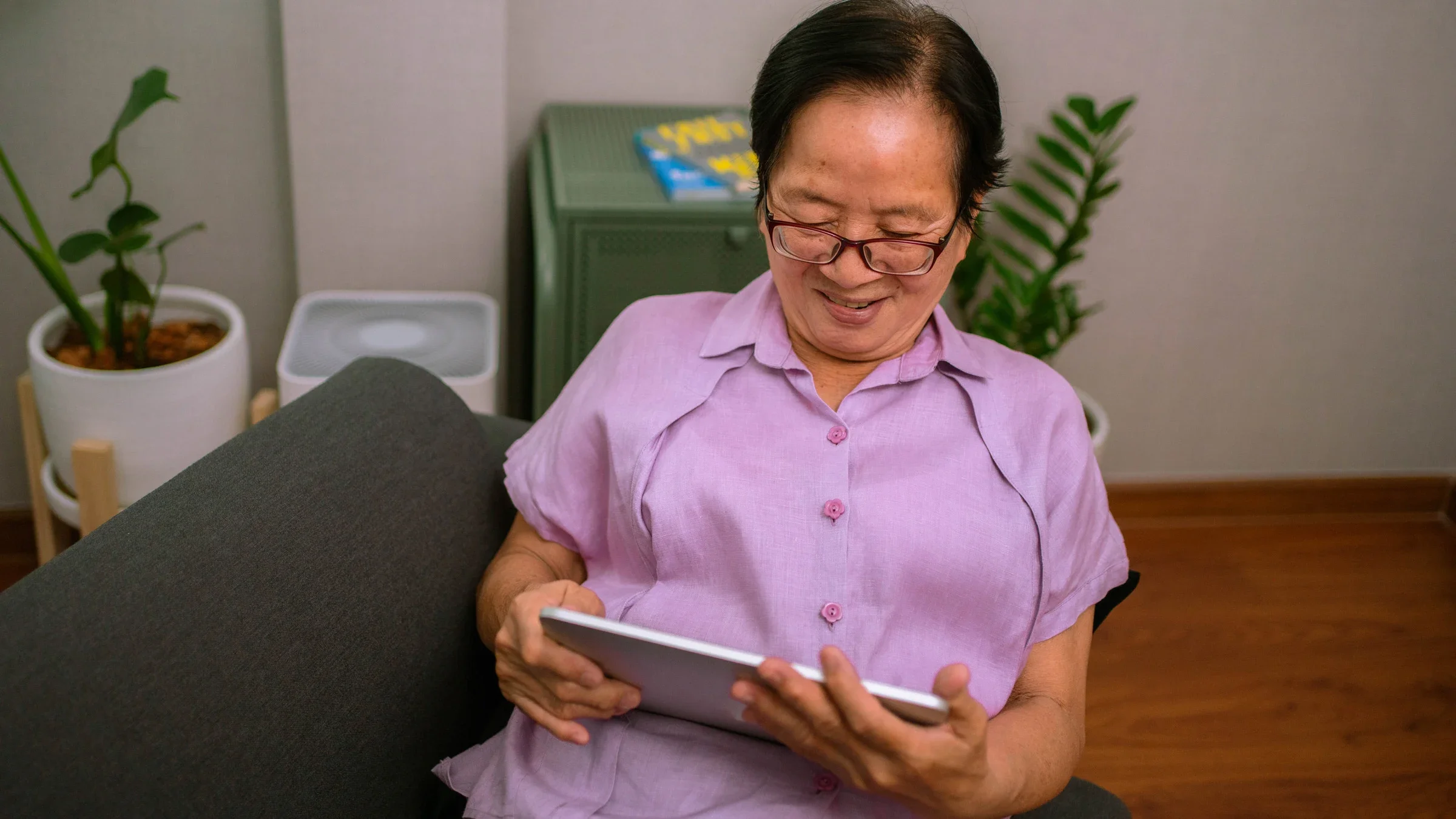
Telehealth is a broad term that describes health-related digital technologies. These technologies include:
Fitness apps
Online patient portals
Video platforms
Text chats between patients and healthcare professionals
The Health Resources & Services Administration defines telehealth as “the use of electronic information and telecommunication technologies to support long-distance clinical healthcare, patient and professional health-related education, public health, and health administration. Technologies include video conferencing, the internet, store-and-forward imaging, streaming media, and terrestrial and wireless communications.”
Telehealth has been around for decades. Perhaps its earliest use dates back to the 1950s. This is when the Nebraska Psychiatric Institute and Norfolk State Hospital created a closed-circuit television (CCTV) link for psychiatric evaluations.
Since then, telehealth has gotten more sophisticated. And it exploded by leaps and bounds in the 2020s due to the changes and developments with technology and access during the COVID-19 pandemic.


Telehealth is a broad term that covers a wide range of digital technologies. Telemedicine sits under the telehealth umbrella and is specific to the care and services a healthcare professional provides to an individual. The American Medical Association defines telemedicine as:
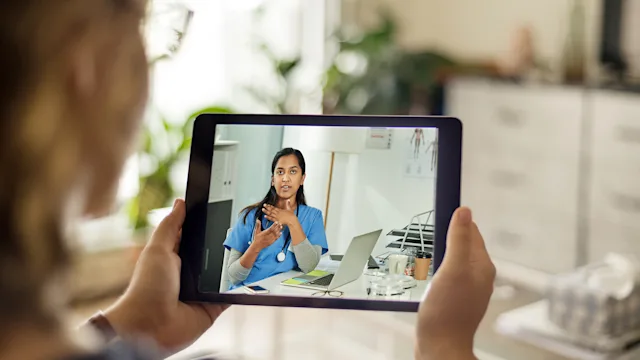
Real-time, audio-video communication tools that connect physicians and patients in different locations
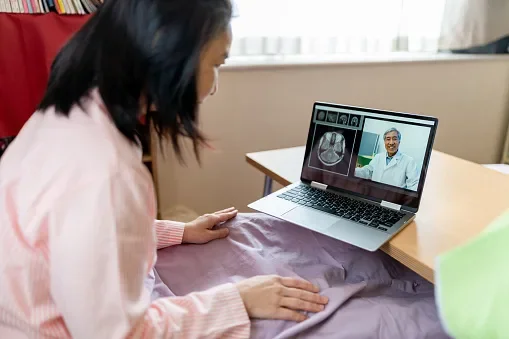
Store-and-forward technologies that collect images and data such as lab reports or prerecorded videos to be transmitted or interpreted later
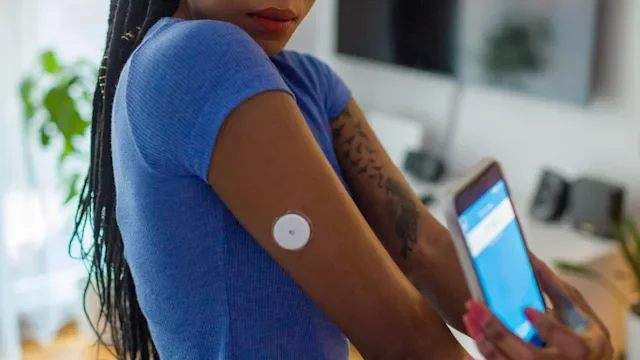
Remote patient-monitoring tools, such as blood pressure monitors, Bluetooth-enabled digital scales, and other wearable devices that can communicate biometric data for review
Typically there are two ways to access a healthcare professional using telehealth. First, you can schedule a virtual visit with a healthcare professional or a specialist if their practice offers telemedicine. Secondly, you can use an app like GoodRx Care.
Whether you schedule an appointment with your doctor’s office or through an app, you’ll want to follow these steps for a successful telehealth visit:
Test your device’s webcam and microphone before the appointment.
Sign in 15 minutes before your appointment.
Fill out any required forms and answer questions in advance as needed.
Make sure you understand the payment or reimbursement process.
Telehealth services range from patient education webinars to treatment of injuries often seen in urgent care clinics. Here’s a list of some common services:
Condition management and education: Telemedicine video visits work well for people who manage chronic conditions such as diabetes. They’re also great for educational sessions for issues like prenatal care or inflammatory bowel disease.
Medication management and refills: You may need to check in regularly with a healthcare professional to assess your medications. During a remote telemedicine appointment, you can share how you’re doing and they can adjust your prescriptions if needed.
Mental health counseling: Meeting with a therapist in person can take more time and effort than a telehealth session. Remote sessions with a therapist, social worker, or psychologist can help you meet more regularly and stay connected.
Primary care or urgent care: Whether it’s your first visit or a follow-up, healthcare professionals treat a long list of conditions via telemedicine.
Here are some conditions that telehealth services can address:
Just like other aspects of your medical care, choosing a telehealth visit can have pros and cons.
Some of the potential benefits of telehealth include:
Convenience
Less time off from work, school, or other responsibilities
Shorter wait times and easier scheduling
Less exposure to illness in the waiting room
Access to healthcare professionals outside of your local area
Potential limitations of telehealth include:
No opportunity for a hands-on physical exam, which means not all conditions can be evaluated or treated
Lab work, imaging, and procedures still may require an in-person visit.
Requires a good internet connection, and a working phone or computer
Not a good option for emergency situations
Your visit might be interrupted if there are technical issues.
May be hard to find privacy, compared to going to a clinic or doctor’s office
Fees for telemedicine visits vary depending on the service, the healthcare professional, and whether your insurance covers the visit. On average, they tend to range from $40 to $90 for a visit without insurance.
Your insurance plan may save you money by covering telehealth services. Coverage depends on the state you live in, your policy, and whether the healthcare professional that provides telehealth services accepts insurance (including Medicare). Your best bet is to talk with a representative from your insurance plan before scheduling a virtual visit.
No, you don’t need insurance to use these services. In fact, many healthcare professionals that provide telemedicine services accept cash. But it still helps to compare prices and read between the lines to make sure you understand what you’re signing up for.
Many people wonder if they can get a prescription through a telemedicine visit. The answer is “yes,” in some cases.
It all depends on your state’s online prescription laws. Typically, healthcare professionals can prescribe common medications like antibiotics, birth control, thyroid, blood pressure, and many other medications as part of their telehealth services. But there are special rules for controlled substances like alprazolam (Xanax), amphetamine salt combo (Adderall), and hydrocodone / acetaminophen (Vicodin). And in some cases, you may need to see a healthcare professional in person first.
Whether you need a prescription refill or you’re wondering about a new prescription, make sure to ask questions before you schedule a virtual appointment. The clinic or healthcare professional can give you information about their prescription policies. That way, you can decide whether telemedicine is right for you.
Yes. Your privacy is protected if the healthcare professional is compliant with the Health Insurance Portability and Accountability Act (HIPAA) and has appropriate security measures.
To protect yourself and your health information, you can also ask the healthcare professional if their technology uses multifactor authentication (MFA). It requires two or more ways to prove your identity, like a password plus a PIN. Telehealth practices with MFA tend to be more secure.
Yes. Your privacy is protected if the healthcare professional is compliant with the Health Insurance Portability and Accountability Act (HIPAA) and has appropriate security measures.
To protect yourself and your health information, you can also ask the healthcare professional if their technology uses multifactor authentication (MFA). It requires two or more ways to prove your identity, like a password plus a PIN. Telehealth practices with MFA tend to be more secure.
To use telehealth, you should be aware of some technical requirements. For example, you will most likely need to have a working computer or a mobile device that has a video camera or texting ability. You will also need to have a connection to the internet. If you’ve used video chat or text before, telehealth will be very similar.
Remember that you can always call the healthcare professional for help. Note that you may need to fill out forms and upload a photo and a copy of your ID before your visit.
Maybe. Some healthcare professionals or insurance companies require an in-person visit first to establish a relationship between the patient and the healthcare professional. But many don’t. Ask before you fill out any forms.
Some states require a face-to-face interaction on video for a telehealth appointment. Other states allow communication through messaging or video. Apps like GoodRx Care are designed to work without an initial in-person consultation.
It depends on why you’re seeing a healthcare professional online. Telemedicine can be effective when the service you need mainly requires talking and listening because that can be easily accomplished on a video chat.
But sometimes telemedicine just isn’t appropriate. Some studies show how healthcare professionals can’t always properly diagnose illnesses like sore throats and respiratory infections during virtual visits. Some treatments need urgent lab tests or hands-on procedures, which can’t be done virtually. And if you experience a medical emergency, a telemedicine visit may delay lab testing or lifesaving treatment.
Sometimes. It depends on your state, your insurance coverage, and the reason and conditions for which you’re getting healthcare help. In some cases, you might need to have a “face-to-face” appointment either over video or in person.
The best way to know whether a phone visit is an option is to contact your healthcare team before scheduling. They can let you know whether a phone-only visit is an option, as well as work with you to make sure it’s covered by your insurance.
Some health conditions require an in-person visit, usually because they need a hands-on exam, lab testing, imaging, or a procedure.
For example, if you’re having sudden chest pain, a healthcare professional would probably want to listen to your heart, and do some tests to check for a heart attack — things that aren’t possible over the phone or on video.
Other examples of conditions that need to be seen in person might include anything requiring wound care or stitches, or any situation where testing and monitoring is needed right away.
Akhtar, M., et al. (2018). Telemedicine physical examination utilizing a consumer device demonstrates poor concordance with in-person physical examination in emergency department patients with sore throat: A prospective blinded study. Telemedicine and e-Health.
American Medical Association. (n.d.). Telehealth resource center: Definitions.

Prescription savings
Stop paying too much for your prescriptions. Compare prices, get pharmacy coupons, and save up to 80%.Resources
About GoodRx
 Find expert answers to your health questions so you can make the best decisions for yourself and your family.
Health conditions
Medications & treatment
Access & affordability
Well-being
Medication discounts