Key takeaways:
Virtual care may lead to better outcomes for people with diabetes.
Telehealth offers services for diabetes management such as monitoring and education.
An online healthcare professional can also prescribe and adjust your diabetes medications.
Telehealth services for medical conditions continue to expand. That’s good news for people living with diabetes. People with diabetes who used telehealth to manage the condition had lower HbA1c levels and better outcomes overall than people who used traditional care.
If you’ve been considering telehealth for diabetes, here’s what you need to know about getting virtual care for the condition.
Can you get treatment for diabetes from an online doctor?
Telehealth offers people with diabetes a wide range of services. These include:
Overall management
Education
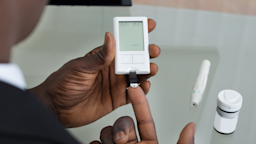
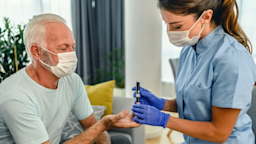
Monitoring of glucose levels
Prescription adjustments and refills
Text alerts with reminders to check glucose levels
Educational text messages
Follow-up checkups
Monitoring for pregnant women with gestational diabetes
Monitoring for people with retinopathy (eye damage caused by diabetes)
Training for devices used to manage diabetes
Search and compare options
For the most part, you can manage diabetes without in-person visits. However, some healthcare professionals may want your first visit to be in person. You may also need to have a clinic visit if you have a “comorbid” or additional condition. For example, if your diabetes has resulted in eye damage, you will probably need to meet with an eye doctor regularly.
Can an online doctor prescribe medication for diabetes?
Yes, online doctors can prescribe your diabetes medications and refills. They can also adjust the dosage or change your medications. Prescriptions and refills for common diabetes medications such as metformin, insulin aspart, and insulin lispro are available from telehealth providers including GoodRx Care.
Is it possible to get tested and diagnosed for diabetes through telehealth?
While many healthcare professionals prefer to test and diagnose patients in person, you can do it all through telehealth. That’s because companies such as LetsGetChecked can send kits to your home to evaluate your glucose levels. You can follow the instructions and record the results. An online doctor can evaluate the results and then chat with you online to discuss treatment options.
How much does telehealth treatment for diabetes cost?
The cost for telehealth treatment for diabetes can run anywhere from $19 with GoodRx Care to $199 with other online providers like One Medical. With GoodRx Care, you’ll meet virtually with a licensed healthcare professional who can assess your symptoms, review any lab results you might have, and help manage your diabetes treatment plan. This may include starting or adjusting medications like metformin or insulin and reviewing lifestyle strategies. It’s a convenient option for people with Type 2 diabetes or prediabetes who want expert care without leaving home.
Is online treatment for diabetes covered by insurance?
Yes, online treatment for diabetes is covered by most insurance plans. This includes Medicare, Medicaid (in many states), and private insurers. But coverage can vary depending on your plan and where you live. So it’s always a good idea to check with your insurance provider before scheduling a virtual visit.
Many telehealth services are now recognized as standard care and reimbursed the same way as in-person visits. Still, this can vary based on the telehealth platform you use, and you may need to pay out of pocket or submit for reimbursement yourself.
Benefits of seeing an online diabetes doctor
Seeing an online diabetes doctor can make it easier to stay on top of your condition — especially if getting to in-person visits is tough. Virtual appointments allow you to:
Check in from home
Review lab results
Adjust medications
Get personalized guidance on diet and lifestyle
Many online healthcare professionals also offer faster appointment availability and easier follow-ups. This can help you catch issues early and stay consistent with care. If you have Type 2 diabetes or prediabetes, telehealth can be a convenient, effective way to get support without disrupting your day.

Read more like this
Explore these related articles, suggested for readers like you.

How do I prepare for a telehealth diabetes appointment?
To get the most out of your virtual visit, it’s best to be prepared. Follow these steps:
1. Have the following information handy or send it to the healthcare professional’s office before your appointment:
Recent A1C results
Recent blood glucose readings
Weight
2. Prepare questions ahead of time about medications or new symptoms. If your visit is with a primary care physician, ask if you should get follow-up care with an endocrinologist.
3. Get your technology ready by testing your audio and video. Make sure your device supports your healthcare professional’s platform, and try checking in 10 to 15 minutes before your visit. Set up your device in a quiet room with a strong internet connection.
Frequently asked questions
Not usually. Most visits can be done with a smartphone, tablet, or computer that has a camera and microphone. It helps to have recent lab results, a blood glucose monitor, or records from a continuous glucose monitor (CGM) if you use one. Having that data ready makes it easier for the healthcare professional to give you the most accurate care.
Yes — telehealth can still be part of your care plan, even if you have complications like neuropathy, retinopathy, or kidney issues. In many cases, your online care provider can coordinate with specialists or help manage symptoms remotely. But certain complications may require in-person exams or imaging. So you might need occasional office visits for those specific concerns.
Yes — but it depends on the healthcare professional. Some telehealth platforms can help with ongoing support, prescription refills, and monitoring. That said, people with Type 1 diabetes often need more specialized care. In this case, you may benefit from regular check-ins with an endocrinologist or diabetes care team. If you’re using insulin pumps or CGMs, be sure your virtual healthcare professional is familiar with those tools.
Not usually. Most visits can be done with a smartphone, tablet, or computer that has a camera and microphone. It helps to have recent lab results, a blood glucose monitor, or records from a continuous glucose monitor (CGM) if you use one. Having that data ready makes it easier for the healthcare professional to give you the most accurate care.
Yes — telehealth can still be part of your care plan, even if you have complications like neuropathy, retinopathy, or kidney issues. In many cases, your online care provider can coordinate with specialists or help manage symptoms remotely. But certain complications may require in-person exams or imaging. So you might need occasional office visits for those specific concerns.
Yes — but it depends on the healthcare professional. Some telehealth platforms can help with ongoing support, prescription refills, and monitoring. That said, people with Type 1 diabetes often need more specialized care. In this case, you may benefit from regular check-ins with an endocrinologist or diabetes care team. If you’re using insulin pumps or CGMs, be sure your virtual healthcare professional is familiar with those tools.
The bottom line
Treating and managing diabetes via telehealth can provide huge benefits. It may improve your condition by helping you monitor your glucose levels and giving you easy access to a healthcare professional. As you get treatment and management for diabetes, ask your healthcare team about telehealth options.

Why trust our experts?




References
LetsGetChecked. (n.d.). Diabetes testing.
Tchero, H., et al. (2019). Clinical effectiveness of telemedicine in diabetes mellitus: A meta-analysis of 42 randomized controlled trials. Telemedicine and e-Health.