Key takeaways:
Vaginal dryness happens when the tissues in your vagina aren’t well lubricated. There are many causes of vaginal dryness, including childbirth and menopause.
Symptoms of vaginal dryness include itching, burning, and discomfort.
If you have vaginal dryness, treatment can help. Options include natural remedies to increase vaginal lubrication, as well as prescription medications.
Save on related medications
Vaginal dryness is when the tissues in your vagina aren’t well moisturized. It’s a common situation that can happen at any age from time to time. In some cases, though, it can be uncomfortable — or even painful.
Fortunately, if you’re bothered by vaginal dryness, treatment can help. Let’s take a closer look.
What is vaginal dryness?
Your vagina normally produces its own lubricant. This helps to keep it moist, protected from infections, and free of friction.
The amount of vaginal lubricant naturally varies over time. It depends on many factors, like your age, hormone levels, and even your sexual arousal. When you don’t have enough of this natural lubricant, it can cause vaginal dryness.
What causes vaginal dryness?
Vaginal dryness has many different causes. These include:
Childbirth and breastfeeding
Certain medications
Cancer treatment, like chemotherapy and pelvic radiation
Using harsh soap or feminine vaginal sprays
Frequent exposure to swimming pool and hot tub chemicals
Rashes on the vulva, like lichen sclerosus and lichen planus
Sjögren’s disease (formerly known as Sjögren’s syndrome)
Why does menopause cause vaginal dryness?
Vaginal dryness happens to over half of women after menopause. The most common cause is a drop in estrogen levels that happens naturally at this time of life.
Estrogen keeps your vaginal lining thick, lubricated, and healthy. When your estrogen levels go down during menopause, your vaginal lining thins, stiffens, and dries out. This is sometimes called “vulvovaginal atrophy,” or “atrophic vaginitis.”
Symptoms of vaginal dryness
Depending on the cause of your vaginal dryness, symptoms can include:
Dry, itchy, or irritated genitals
Pain, burning, and discomfort during sex
Frequent urinary tract infections (UTIs)
How is vaginal dryness diagnosed?
If you’re concerned about vaginal dryness, consider talking to a healthcare professional. Your primary care provider or gynecologist (OB-GYN) can diagnose you with vaginal dryness, figure out the cause, and get you started with treatment if necessary.
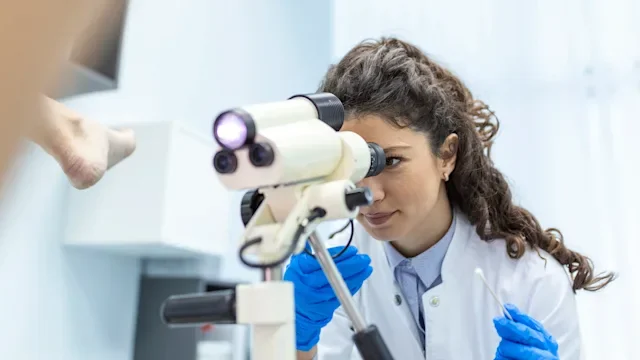
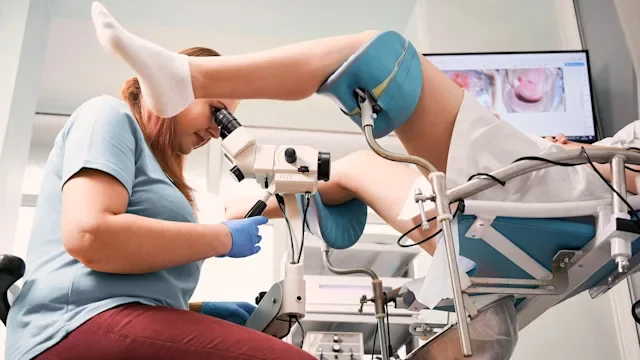
When you meet with a healthcare professional, they’ll discuss your symptoms and medical history with you. They may also suggest a physical exam, including a pelvic exam. This allows them to see if your vaginal tissues are thin or dry — and to check for rashes or other health conditions.
In some cases, they might also suggest a blood or urine test. These can help to check your hormone levels and to rule out other medical issues.

Read more like this
Explore these related articles, suggested for readers like you.



Treatments for vaginal dryness
There are many treatments for vaginal dryness. The right treatment for you depends on the cause of your vaginal dryness and what symptoms you’re experiencing. Here are some options to consider.
Vaginal moisturizers or lubricants
Vaginal moisturizers and lubricants may be a good first step for many people. These are available over-the-counter (OTC), meaning you can get them without a prescription. Choices include:
Vaginal moisturizers: These are moisturizers that you apply as needed. Some people use them every few days to help the vagina stay moist. Common brands are K-Y Liquibeads, Replens, and Sliquid.
Personal lubricants: Personal lubricants (lube) can make sex more comfortable and enjoyable if you have vaginal dryness. They come in many varieties, including oil-based, water-based, and silicone-based. The best lube for you depends on your personal needs and preferences.
Prescription DHEA
Dehydroepiandrosterone (DHEA) is a natural hormone involved in the production of estrogen that decreases naturally with age. It’s available as a prescription-strength pessary (a small device that you place inside the vagina). It can help improve vaginal symptoms like dryness.
Osphena
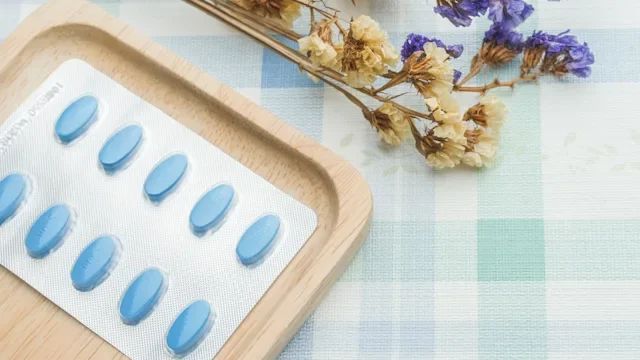
Osphena (ospemifene) is a prescription medication that works by mimicking estrogen and activating estrogen receptors in your body.
Osphena may help improve painful sex and vaginal dryness caused by menopause. Because of the way it works, it comes with some of the same risks as estrogen pills, like:
Stroke
Blood clots
Uterine cancer
These risks are especially relevant if you take it for longer than a year.
Phytoestrogens
Phytoestrogens are plant compounds that act like estrogen in the body. Getting them through foods (like soy and beans) or supplements may help improve vaginal dryness in menopausal women.
Masturbation or other sexual stimulation
Regular sexual stimulation increases blood flow to the vagina and clitoris. This may help to relieve and prevent dryness in some women, especially in menopause. You can try this with a partner, on your own, or with a vibrator.
Therapy
If your vaginal dryness is related to a sexual health disorder, therapy can help. This could include individual therapy, couples therapy, or sex therapy. Hands-on therapies like pelvic floor physical therapy and sexological bodywork can also be beneficial for some people.
Menopausal hormone therapy
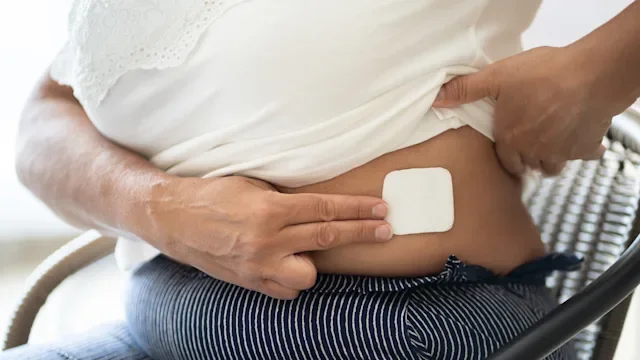
Menopausal hormone therapy (MHT) comes in different forms, including pills and patches as well as gels and creams that you apply directly to the vagina. Here’s an overview of the types of MHT that can treat vaginal dryness.
Treatment | Good to know |
|---|---|
Estrogen pills | These contain more estrogen than patches, creams, and other topical estrogen formulations.
|
Estrogen patches | Patches deliver low doses of estrogen through the skin into the bloodstream.
|
Estrogen and progestin patches | These patches deliver estrogen and progestin hormones through the skin.
|
Topical estrogen treatments | Gels, creams, and sprays are other options for delivering estrogen through the skin. They’re less likely to cause skin irritation than patches.
|
Vaginal estrogen treatments | Creams, capsules, and small flexible rings apply estrogen directly to the vaginal lining. They have a lower risk of side effects compared with estrogen pills.
|
Frequently asked questions
Some people enjoy using coconut oil as a personal lubricant. But beware: Just like other oil-based lube, coconut oil can damage condoms and make them less effective. It can also cause genital irritation in some people.
Yes. Vaginal dryness is common after giving birth, due to changing hormone levels. It’s especially likely if you’re nursing.
If you’re nearing or going through menopause, vaginal dryness may be a sign of genitourinary syndrome of menopause (GSM). This includes a wider range of different menopause-related symptoms, like:
Decreased libido (sexual desire)
Difficulty or inability to orgasm
Pain with sexual intercourse
Painful urination
Urinary incontinence
In general, vaginal dryness isn’t linked to long-term complications. But it can cause major discomfort, itching, and sexual pain — all of which can take a toll, both mentally and physically.
Some people enjoy using coconut oil as a personal lubricant. But beware: Just like other oil-based lube, coconut oil can damage condoms and make them less effective. It can also cause genital irritation in some people.
Yes. Vaginal dryness is common after giving birth, due to changing hormone levels. It’s especially likely if you’re nursing.
If you’re nearing or going through menopause, vaginal dryness may be a sign of genitourinary syndrome of menopause (GSM). This includes a wider range of different menopause-related symptoms, like:
Decreased libido (sexual desire)
Difficulty or inability to orgasm
Pain with sexual intercourse
Painful urination
Urinary incontinence
In general, vaginal dryness isn’t linked to long-term complications. But it can cause major discomfort, itching, and sexual pain — all of which can take a toll, both mentally and physically.
The bottom line
Vaginal dryness is a common problem that can happen to anyone, at any age. For those who experience it, vaginal dryness can be hard to talk about and deal with. Hormone changes associated with menopause often cause it. But there are other causes, like some medications and underlying skin conditions.
Vaginal dryness can negatively affect your quality of life, but it doesn’t have to. There are many over-the-counter (OTC) and prescription options that can help. If you have vaginal dryness, the first step is identifying the cause and then talking with a healthcare professional to find the best treatment approach for you.

Why trust our experts?




References
Association of Certified Sexological Bodyworkers. (n.d.). What is sexological bodywork?
Abraham, C. (2022). Experiencing vaginal dryness? Here’s what you need to know. The American College of Obstetricians and Gynecologists.
Benini, V., et al. (2022). New innovations for the treatment of vulvovaginal atrophy: An up-to-date review. Medicina.
Brigham and Women’s Hospital. (n.d.). Genitourinary syndrome of menopause.
Cieri-Hutcherson, N. E., et al. (2021). Systematic review of l-arginine for the treatment of hypoactive sexual desire disorder and related conditions in women. Pharmacy.
Desmawati, D., et al. (2019). Phytoestrogens and their health effect. Open Access Macedonian Journal of Medical Sciences.
Franco, O. H., et al. (2016). Use of plant-based therapies and menopausal symptoms: A systematic review and meta-analysis. JAMA.
Goncharenko, V., et al. (2019). Vaginal dryness: Individualised patient profiles, risks and mitigating measures. EPMA Journal.
Kim, H., et al. (2015). The recent review of the genitourinary syndrome of menopause. Journal of Menopausal Medicine.
Lehmiller, J. J., et al. (2025). The role of masturbation in relieving symptoms associated with menopause. Menopause.