


Viagra for Women: What to Know About Using Medication to Boost Your Sex Life
Viagra is approved only for erectile dysfunction in men, but it may have benefits for women too. Learn about Viagra and other meds for sexual problems in women.
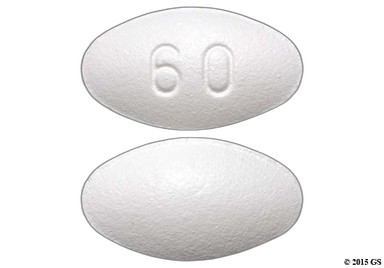
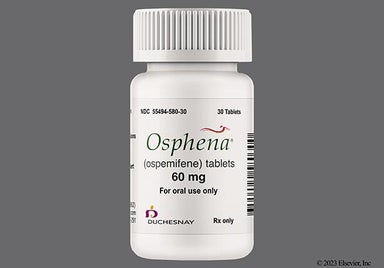
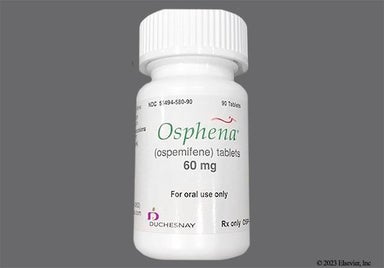
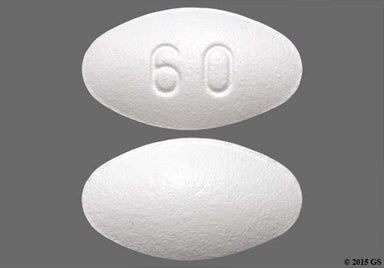
Osphena (ospemifene) is a medication that helps with vaginal dryness and painful sex for people who have gone through menopause. This medication belongs to a drug class called selective estrogen receptor modulators, or SERMs. Osphena (ospemifene) is a tablet that's taken by mouth once every day. Some side effects include hot flashes and vaginal discharge.

Estrogen helps moisten the lining of your vagina. During menopause, your estrogen levels drop, which cause your vagina to become dry and irritated. This can make sex painful and uncomfortable.
Osphena (ospemifene) is a selective estrogen receptor modulator, or SERM for short. This medication acts like estrogen in your vaginal tissue. This helps relieve vaginal dryness and make sex less painful.
| Common Brands | Osphena |
|---|---|
| Drug Class | Selective estrogen receptor modulator (SERM) |
| Controlled Substance Classification | Not a controlled medication |
| Generic Status | No lower-cost generic available |
| Availability | Prescription only |

The following side effects may get better over time as your body gets used to the medication. Let your healthcare provider know immediately if you continue to experience these symptoms or if they worsen over time.
Contact your healthcare provider immediately if you experience any of the following.
Along with its needed effects, a medicine may cause some unwanted effects. Although not all of these side effects may occur, if they do occur they may need medical attention.
Check with your doctor immediately if any of the following side effects occur:
Less common
Vaginal bleeding
Incidence not known
change in vaginal discharge
dizziness or lightheadedness
fainting
fast heartbeat
hoarseness
irritation
joint pain, stiffness, or swelling
large, hive-like swelling on the face, eyelids, lips, tongue, throat, hands, legs, feet, or genitals
pain or feeling of pressure in the pelvis
pain, redness, or swelling in the arm or leg
redness of the skin
swelling of the eyelids, face, lips, hands, or feet
tenderness, pain, swelling, warmth, skin discoloration, and prominent superficial veins over the affected area
tightness in the chest
troubled breathing or swallowing
Some side effects may occur that usually do not need medical attention. These side effects may go away during treatment as your body adjusts to the medicine. Also, your health care professional may be able to tell you about ways to prevent or reduce some of these side effects. Check with your health care professional if any of the following side effects continue or are bothersome or if you have any questions about them:
More common
Feeling of warmth
redness of the face, neck, arms, and occasionally, upper chest
sudden sweating
white or brownish vaginal discharge
Other side effects not listed may also occur in some patients. If you notice any other effects, check with your healthcare professional.
Call your doctor for medical advice about side effects. You may report side effects to the FDA at 1-800-FDA-1088.




Osphena (ospemifene) can cause some serious health issues. This risk may be even higher for certain groups. If this worries you, talk to your doctor or pharmacist about other options.
 Though rare, some people who took Osphena (ospemifene) developed a blood clot during clinical studies with the medication. Sometimes, these blood clots led to a heart attack or stroke. Let your prescriber know about your full medical history so they can check your risk for blood clots before you start taking Osphena (ospemifene).
 Be aware of the signs and symptoms of a blood clot, heart attack, and stroke.
Stop taking Osphena (ospemifene) and get medical help right away if you have any signs or symptoms of a blood clot.
Osphena (ospemifene) acts like estrogen in your uterus. It can thicken and change the lining of your uterus, called the endometrium. Uncontrolled growth of the uterus lining can cause uterine or endometrial cancer in people with a healthy uterus. In general, the risk for endometrial cancer is higher in people who take estrogen therapy without progestin (another hormone) to balance out estrogen's effect on the growth of the uterine lining.
Although studies found that Osphena (ospemifene) thickens the lining of the uterus a little, there haven't been any reported cases of endometrial cancer in people who've taken the medication yet. And taking a progestin with Osphena (ospemifene) hasn't been studied, so it's not clear whether taking a progestin with this medication is beneficial.
To be safe, be aware of warning symptoms of uterine (endometrial) cancer, including vaginal bleeding that doesn't go away or keeps coming back or pelvic pain. Let your healthcare team know if you notice any unusual vaginal bleeding. Speak with your prescriber if you're worried about Osphena (ospemifene) and uterine cancer.
Osphena (ospemifene) hasn't been studied in people with breast cancer. It's unclear whether this medication can affect your risk for breast cancer. To be safe, you shouldn't take Osphena (ospemifene) if you currently have or have had breast cancer in the past. Remember to regularly do a breast cancer self-exam to check for any changes and get your scheduled breast scans (mammograms) done. Let your prescriber or primary care provider know if you notice any unusual changes to your breasts.

 Tablet
| Dosage | Quantity | Price as low as | Price per unit |
|---|---|---|---|
| 60mg | 90 tablets | $205.20 | $2.28 |

Although certain medicines should not be used together at all, in other cases two different medicines may be used together even if an interaction might occur. In these cases, your doctor may want to change the dose, or other precautions may be necessary. When you are taking this medicine, it is especially important that your healthcare professional know if you are taking any of the medicines listed below. The following interactions have been selected on the basis of their potential significance and are not necessarily all-inclusive.
Using this medicine with any of the following medicines is usually not recommended, but may be required in some cases. If both medicines are prescribed together, your doctor may change the dose or how often you use one or both of the medicines.
Using this medicine with any of the following medicines may cause an increased risk of certain side effects, but using both drugs may be the best treatment for you. If both medicines are prescribed together, your doctor may change the dose or how often you use one or both of the medicines.


Contraindications are specific health conditions or situations in which a person should not take a medication due to safety concerns. If you have any of the following conditions or if any of the following apply to you, let your healthcare provider know because Osphena (ospemifene) will not be safe for you to take.





Prescription savings
Stop paying too much for your prescriptions. Compare prices, get pharmacy coupons, and save up to 80%. Find expert answers to your health questions so you can make the best decisions for yourself and your family.
Health conditions
Medications & treatment
Access & affordability
Medication discounts


People who took Osphena during clinical studies didn't report any hair loss. Let your healthcare team know if you notice any hair thinning or hair loss while you're taking this medication. They might suggest that you visit your primary care provider to check out what could be causing hair loss.
People who took Osphena during clinical studies didn't report gaining weight. Keep in mind that it can be normal to gain weight during menopause. Speak with a healthcare professional if you notice unwanted weight gain while you're taking Osphena. Your healthcare team can recommend ways to manage weight during menopause, such as getting exercise like swimming and yoga and creating balanced and nutritious meals.
It isn't clear how long you can take Osphena for. Clinical studies have looked into how safe the medication is for up to a year of use. This means that we don't know how safe Osphena is beyond a year of use. Follow up with your prescriber about how well the medication is working to improve your symptoms. And discuss with them about how long you should take Osphena.
It's always a good idea to check with your prescriber before you stop taking Osphena. There are no known reports of bothersome side effects happening after people stop taking the medication. But you should discuss with your prescriber whether your symptoms are manageable enough to stop treatment and whether you're having bothersome side effects from the medication itself. Your prescriber can best advise what you should do next.
No. Don't take Osphena and other estrogen medications together. We don't know whether it's safe to take these medications together because it hasn't been studied.
Some people who took Osphena during a clinical study started noticing improvement in vaginal dryness and symptoms of painful sex as soon as 1 month after they started treatment. Keep in mind that it took most people in the study up to 3 months of treatment to notice improvement. Regularly check in with your prescriber about how well Osphena is helping your symptoms.
Osphena isn't FDA approved for osteoporosis to help improve bone mineral density (BMD), a measure of how dense and strong your bones are. There aren't many studies that look at the effect of Osphena on BMD. Some research suggests that the medication might have overall positive effects on bone health, but more studies need to be done to confirm a beneficial effect. Speak with your prescriber or primary care provider about your bone health during menopause and what steps you can take to keep your bones healthy.
