Key takeaways:
Blood plasma (known simply as plasma) is the liquid part of your blood. It helps move blood through your body, supports cell function, and helps sustain blood pressure.
You usually don’t get paid when you donate blood. But you can often earn around $30 to $70 for each plasma donation.
Exactly how much you get paid for plasma depends on the plasma center, how often you donate, and the center’s compensation and incentives.
You can give plasma up to 2 times in a 7-day period, or up to 104 times a year. Plasma donation is generally safe, but it does have some health risks.
Blood plasma, or simply “plasma,” is the liquid part of whole blood. It’s mostly water and makes up about 55% of your blood. Red blood cells, white blood cells, and platelets float in the plasma and make up the other 45%.
Plasma has four main functions in your body:
Helping sustain blood pressure and volume
Supplying proteins needed for blood clotting and immunity
Carrying electrolytes to your muscles
Helping maintain pH balance to support cell function
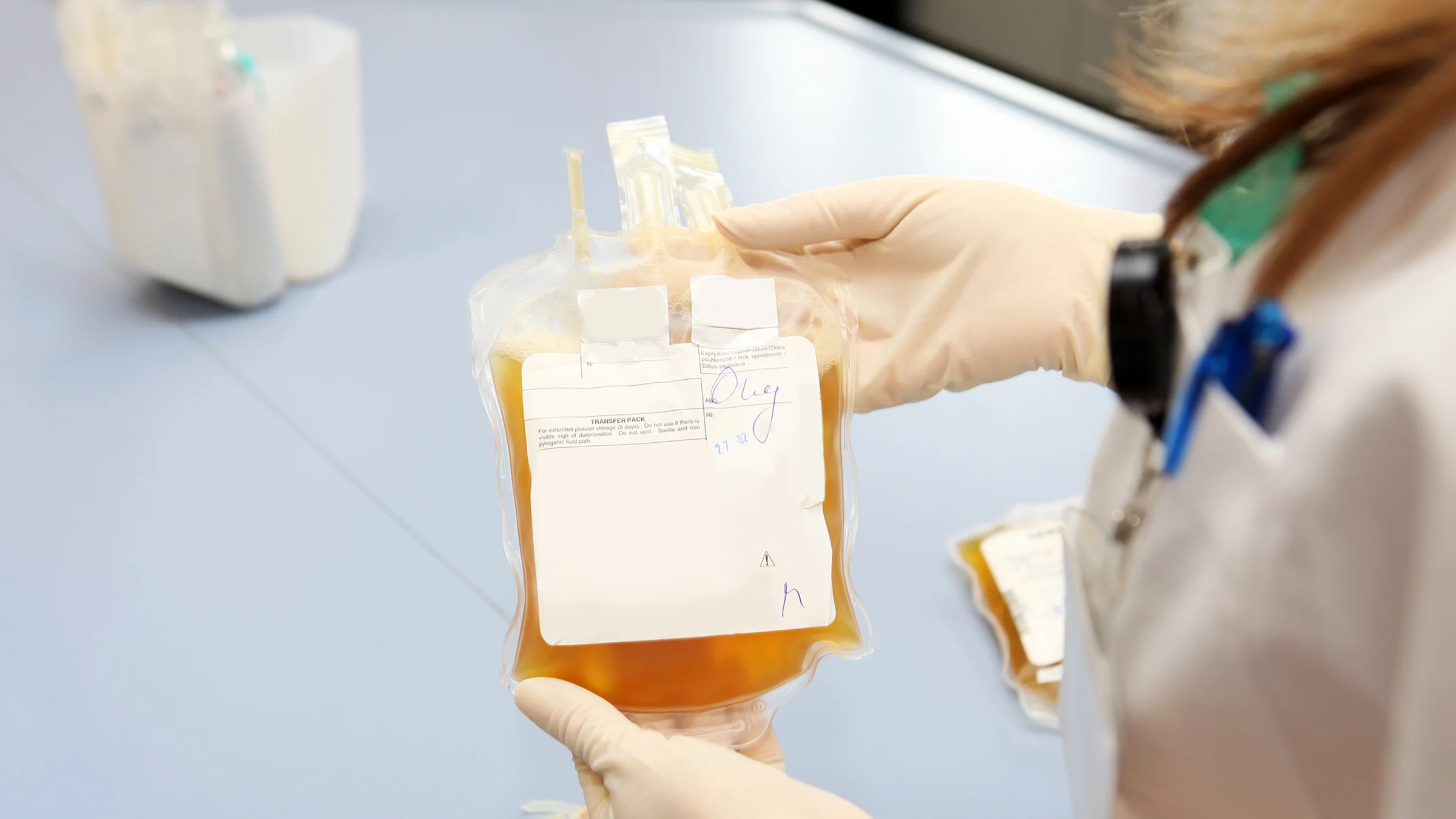
The process of collecting plasma is called plasmapheresis. It involves removing whole blood, separating the plasma, and returning the blood cells and platelets to your body. After plasma is removed from whole blood, it looks like a yellow-tinted liquid similar to the color of very weak tea.
Plasma-derived medicinal products are used to make treatments for severe liver disease, immunodeficiencies, autoimmune conditions, and bleeding disorders such as hemophilia.
The U.S. supplies about two-thirds of the world’s plasma. One reason is that the U.S. has fewer regulations regarding plasma donation than many other countries.
Can you get paid to donate plasma?
Yes, you can get paid to donate plasma in the U.S. This is different from donating blood, which is generally unpaid and takes about 10 minutes or less. Donating plasma takes longer, which is one reason donors get paid.
Donors typically get paid with prepaid debit cards from commercial (for-profit) plasma centers. How long a plasma donation takes depends on a few things, including the specific center and whether you’ve donated before. If you’re donating plasma for the first time, the process can take up to 2 hours, from check-in to recovery. After your first donation, the process is usually quicker and takes about 60 to 90 minutes.
Paid plasma, also called source plasma, is used to make medicinal products and for international export. It isn’t used for transfusions. Typically, you must successfully donate 2 times in 6 months before your plasma can be tested and you can become an official, or qualified, donor.
Plasma for transfusions
Plasma transfusions help people who have experienced certain medical issues, such as trauma or burns. Transfused plasma can help boost blood volume and improve clotting. Convalescent plasma is a type of transfused plasma that comes from someone who has recovered from an infection. It can help other people with the same infection get better.
Plasma for transfusions typically comes from nonprofit centers that don’t pay donors.
Plasma donor eligibility
To qualify to donate plasma, you must:
Be 18 or older
Weigh at least 110 lbs
Pass a medical exam
Complete medical screening, including testing negative for hepatitis and human immunodeficiency virus (HIV)
Have not gotten a tattoo or piercing within the last 4 months

Read more like this
Explore these related articles, suggested for readers like you.


Here’s what you can do to prepare to donate plasma:
Get enough sleep the night before your donation.
Eat a healthy snack or an iron-rich meal a few hours before your donation.
Drink plenty of water to stay hydrated.
Reduce your alcohol and caffeine intake.
Bring your identification, proof of address, and Social Security number to the plasma center.
Check whether any medications or prescriptions you take could disqualify you from donating plasma.
How much money can you make donating plasma?
People giving plasma typically earn $30 to $70 per donation, but some centers are paying more as of July 2026. With incentives, you can make $400 or more per month. Certain high-frequency donors can earn up to $1,000 per month.
How much money you can make donating plasma depends on the plasma center, how often your plasma is collected, and the compensation and incentives offered. There are more than 1,000 plasma centers in the U.S.
The commercial chains with the largest U.S. footprint are:
BioLife Plasma Services, part of Takeda Pharmaceuticals
Grifols Plasma, sometimes branded as Talecris Plasma Resources or Biomat USA
Factors that affect plasma donation earnings
The difference between what you earn for your first donations and what you earn as a qualified donor can be hundreds of dollars when incentives and bonuses are included. You can also get more money through referrals and regular donations. Plasma centers often hold raffles and offer prizes, including cash, to encourage people to keep giving.
U.S. plasma centers sample payments and incentives
The chart below includes information about rates for plasma donation at the time of publication. Contact a plasma center near you to get more information about payments and incentives.
Plasma center | First donation | Incentives | Referrals |
CSL Plasma | You can get up to $100 for your first donation. | You can earn up to $700 during your first month through the iGive Rewards program. | You get iGive Rewards loyalty points, which you can redeem for cash, when you refer someone. |
BioLife Plasma Services | You can earn up to $800 as a new donor at select locations. | The My BioLife Rewards program lets you earn loyalty points, which can be redeemed in different ways. | You get credit in your My BioLife Rewards account for referrals. |
Grifols Plasma | You get compensation on a prepaid card for your first donation and may qualify for other perks. | During certain months, donors have a chance to win cash prizes and other incentives. | You get a Refer a Friend bonus after your referral donates twice and you have a previous plasma donation. |
Octapharma Plasma | You can earn up to $750 for donations during your first 35 days. | The OctaRewards program provides e-gift cards and prizes based on how often you donate and other factors. | You can earn up to $50 for each new donor you refer. |
How often can you donate plasma?
Plasma is replaced quickly. As long as you stay hydrated, your plasma levels return to normal within 48 hours.
To become a qualified plasma donor, you must make 2 donations at the same center within 6 months. Each donation is tested separately to make sure your blood products are safe to use. Once you’re cleared, you can give plasma up to 2 times in a 7-day period. That means you can donate up to 104 times a year. At many nonprofit plasma centers, including the American Red Cross, you can give every 28 days, or up to 13 times a year.
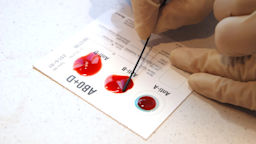
Type O-negative is the universal blood type for whole blood donations. But people with Type AB blood, including AB-positive and AB-negative, are considered the preferred group for plasma donations. This is because AB plasma is compatible with all other blood types without concern about adverse reactions. If you have Type AB blood, your plasma donation can help the most people.
Is it safe to donate plasma regularly?
Yes. Many people can safely donate plasma on a regular basis. First-time donors are more likely to have an adverse reaction. But temporary side effects can happen with any plasma donation. Symptoms may include:
Fatigue
Dizziness or lightheadedness
Bruising or soreness at the needle site
Dehydration
Feeling of coldness from your blood being chilled during the collection process
Citrate reaction
Citrate, an anticlotting substance, can enter your bloodstream during the plasma collection process. A citrate reaction can temporarily lower your calcium levels and cause chills or tingling in your fingers or toes.
Severe events related to plasma donation are rare. Repeated plasma donations may cause a scar at the needle site, but this also is rare.
Why do you get paid for plasma but not blood?
Your whole blood, platelets, and plasma can be collected to help individuals or to make medicinal products. But the FDA requires whole blood from paid donors to be labeled, and hospitals use only donated blood.
It’s not considered moral or ethical to pay for whole blood, but it’s legal. Whole blood donations are also quick. Plasma donations take longer, and people are compensated for their time and commitment to regularly giving plasma.
Frequently asked questions
The U.S. Department of Health and Human Services provides a link to the Plasma Protein Therapeutics Association’s plasma center locator tool to help you find a location near you.
BioLife Plasma Services advertises that plasma donors may be able to earn up to $800. But this amount isn’t for a single donation, and the promotional offer varies by location. If you’re interested in donating plasma at a BioLife location, it’s best to call your local center to ask about the current offer and its terms and conditions.
Yes, you may be eligible to donate plasma if you take Adderall (amphetamine / dextroamphetamine). Adderall isn’t listed among the medications that often prevent someone from donating plasma or blood. But you’ll need to meet the general requirements for donating plasma (see above).
Blood and plasma are mostly water, so it’s important to stay hydrated before and after you donate. Donating plasma can lower your blood volume by about 32 oz, so drink at least that much before or after donating.
Plasma centers don’t report donation payments to the IRS because the amounts are typically below the reporting threshold for cash and electronic payments. But the money you earn from donating plasma is considered taxable income, and you’re responsible for reporting it on your taxes.
The U.S. Department of Health and Human Services provides a link to the Plasma Protein Therapeutics Association’s plasma center locator tool to help you find a location near you.
BioLife Plasma Services advertises that plasma donors may be able to earn up to $800. But this amount isn’t for a single donation, and the promotional offer varies by location. If you’re interested in donating plasma at a BioLife location, it’s best to call your local center to ask about the current offer and its terms and conditions.
Yes, you may be eligible to donate plasma if you take Adderall (amphetamine / dextroamphetamine). Adderall isn’t listed among the medications that often prevent someone from donating plasma or blood. But you’ll need to meet the general requirements for donating plasma (see above).
Blood and plasma are mostly water, so it’s important to stay hydrated before and after you donate. Donating plasma can lower your blood volume by about 32 oz, so drink at least that much before or after donating.
Plasma centers don’t report donation payments to the IRS because the amounts are typically below the reporting threshold for cash and electronic payments. But the money you earn from donating plasma is considered taxable income, and you’re responsible for reporting it on your taxes.
The bottom line
Paid plasma collection in the U.S. can earn you $30 to $70 per donation, and sometimes more. With incentives, some people can make $400 or more per month. Repeat donors who give plasma twice a week, the maximum allowed frequency, can earn up to $1,000 per month, depending on the plasma center. Depending on how much you make, you’re responsible for reporting your plasma income to the IRS.
Healthy adults who weigh at least 110 lbs, test negative for hepatitis or human immunodeficiency virus (HIV), and haven’t had recent tattoos or piercings are eligible to donate. Plasma centers offer a relatively safe way to earn extra money while providing a lifesaving product that sustains U.S. and international demand.

Why trust our experts?



References
American Red Cross. (n.d.). First time donors.
American Red Cross. (n.d.). The importance of plasma in blood.
American Red Cross. (n.d.). Types of blood donations.
American Red Cross. (2021). What’s the difference between plasma and convalescent plasma?
American Society of Hematology. (n.d.). Blood basics.
BioLife. (n.d.). Interested in becoming a new donor? New donors earn up to $750. Takeda Pharmaceutical Company.
BioLife. (n.d.). My BioLife rewards loyalty program. Takeda Pharmaceutical Company.
Cho, J. H., et al. (2021). Plasmavigilance: Source plasma joins the call to arms. Transfusion.
Crighton, G. L., et al. (n.d.). Plasma transfusion. International Society of Blood Transfusion.
CSL Plasma. (n.d.). Be rewarded when you donate when you donate at CSL Plasma.
CSL Plasma. (n.d.). Donation rewards at CSL Plasma.
Dooley, J., et al. (2022). Blood money: The financial implications of plasma sales for individuals and non-bank lenders. Federal Deposit Insurance Corporation.
Ford, S. (2023). What are some side effects when donating plasma? Olgam Life.
Giving = Living. (2022). Have concerns? Check out these answers to common questions. U.S. Department of Health and Human Services.
Giving = Living. (2022). The process for giving plasma, step-by-step. U.S. Department of Health and Human Services.
Goldman, M., et al. (2025). Medication deferrals in blood donors. Transfusion Medicine Reviews.
Grifols. (n.d.). Honorarium.
Grifols. (n.d.). Refer a friend program.
Grifols. (n.d.). Your first plasma donation: A step-by-step guide.
Horvath, S. (2023). How much do you make donating plasma? GOBankingRates.
National Institutes of Health Clinical Center. (n.d.). Plasma donor program. U.S. Department of Health and Human Services.
Octapharma Plasma. (n.d.). Earn money while donating plasma & save lives.
Octapharma Plasma. (n.d.). Explore OctaApp, OctaPass, & OctaRewards.
Octapharma Plasma. (n.d.). Refer a friend.
Plasma Protein Therapeutics Association. (n.d.). Plasma.
Preston, E. (2016). Why you get paid to donate plasma but not blood. STAT.
Sergent, S. R., et al. (2023). Plasmapheresis. StatPearls.
Strengers, P. F. W. (2023). Challenges for plasma-derived medicinal products. Transfusion Medicine and Hemotherapy.
Thomas, K. (2021). Why blood donation is unpaid: A global perspective. Stanford Blood Center.
U.S. Department of Health and Human Services. (2022). Give plasma.
U.S. Food and Drug Administration. (2026). FDA review of biologics license applications for blood and source plasma.
Williams, G. (2025). What to know about donating plasma for money. U.S. News & World Report.