Key takeaways:
Cash prices for self-pay imaging can vary widely depending on the type of scan, your location, and the facility.
Shopping imaging center rates and asking for good faith estimates are your best bets for saving money when paying cash.
Depending on your income, you may be able to get discounts on certain imaging tests.
Imaging helps healthcare professionals screen and diagnose internal medical issues. Scans such as an X-ray, a CT, and an MRI are ways to check on what’s happening inside your body.
Even without health insurance, you can access different imaging options. In fact, you can use your own resources, which is called cash-pay healthcare. Self-pay imaging lets you cover services out of pocket without involving insurance.
What are self-pay imaging services?
Self-pay imaging services means accessing this care without insurance. It means you pay for care using your own financial resources, such as:
Cash
Check
Credit card
Debit card
Flexible spending account (FSA) funds
Health savings account (HSA) funds
Search and compare options
You can access discounted imaging services with a GoodRx Companion subscription. The program includes other benefits to cut your self-pay costs, such as lower prices for telehealth, prescriptions, and other health services.
Is it less costly to have insurance or to pay cash?
How you pay for imaging depends on a several factors, including:
Whether you have a health insurance plan
If an imaging center or a hospital accepts your insurance
Your plan’s negotiated rates
Your cost sharing with insurance
Cash-pay prices
Imaging services are typically less costly at outpatient imaging centers than at hospitals. This is the case whether or not you have insurance.
The best way to determine the lowest price in your area is to do research up front. If you’re not using insurance to pay for medical services, you’re entitled to a good faith estimate (GFE). This is an itemized list of expected costs for a scheduled service. If your bill is $400 or higher than the GFE, you can dispute the charges. In many cases, the self-pay price is lower as a discounted cash price than hospital charges and negotiated insurance rates. The same can be true for outpatient imaging centers.
To request an estimate, contact a healthcare professional’s office. You can also check your imaging order for the CPT code (a common billing code with a unique identifier for each procedure). This will ensure you’re doing an exact comparison when shopping for the best price. Make sure to ask for the total cost. In addition to the scan, you’re typically charged for the radiologist who interprets the images. If the results aren’t clear, you may need to go back for another scan. You could also have other charges, such as facility fees.
It’s important to note that for some scans, such as an MRI, you likely need an order from a healthcare professional. Getting one could require an office visit, which has a separate cost.
How much is a self-pay MRI?
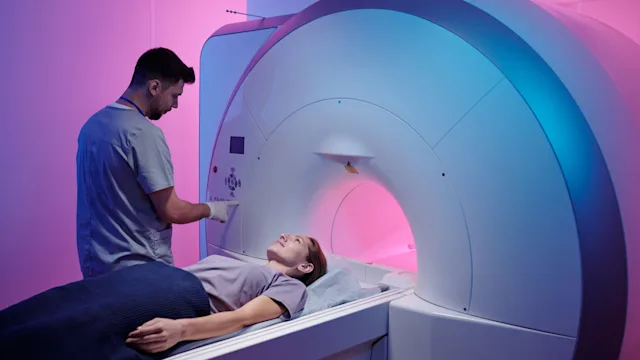
An MRI can cost $400 to $12,000, depending on the facility used, body part scanned, and medications needed. MRIs can be used for imaging the whole body or an individual body part such as the brain, abdomen, or spinal cord.
If sedatives are needed for the MRI, your cost could increase. In addition, having the MRI performed in a hospital can have a higher price compared with an imaging facility.
Keep in mind: Even if you pay cash for an MRI, you’ll still need an order from a healthcare professional. This may mean spending more money.
How much is a self-pay mammogram?
Mammograms are a screening tool that can diagnose breast cancer in men and women. The national average cash-pay imaging cost for a 2D mammogram is around $400. But this varies depending on location and imaging facility. Advanced scans — such as 3D mammograms, known as digital breast tomosynthesis or tomo — average around $650 out of pocket.
If cost is a barrier to care, look for discounted mammogram options in your area. Organizations including breast cancer awareness programs, foundations, and clinics may offer free or low-cost mammograms.
How much is a self-pay CT scan?
A CT scan is a diagnostic test that helps healthcare professionals see inside your body. The cost can range from $300 to $6,750 for a self-pay CT. Your price will depend on several factors, including the facility and the body part getting scanned.
Like an MRI, a CT scan can be performed on the whole body or on individual parts. For example, the average self-pay price for a chest CT is around $700, while a CT scan for the neck averages $530.
Other factors affecting the cost include:
Whether you get the CT in a hospital or an outpatient center
Radiologist professional fees for interpreting the scan and submitting results
IV contrast or barium, which is needed to highlight certain body parts for imaging
To compare prices, get the CPT code for the procedure before you call around for self-pay prices. Make sure to ask for a good faith estimate of the bundled price that includes all charges.
How much is a self-pay ultrasound?
Ultrasounds are noninvasive diagnostic tests, often associated with pregnancy. They’re also used for checking thyroids, gallbladders, and kidneys. You may also get an order for a breast ultrasound as a follow-up to an abnormal mammogram or to get a better reading because you have dense breast tissue.
The average self-pay price for an ultrasound is about $400 without insurance. But costs can range from $200 to $1,000 or more depending on the complexity of the scan, the area scanned, and the facility.
Like other imaging, ultrasounds in a hospital cost more than in imaging centers. The type of ultrasound can also affect the cost. The most common kind is a 2D ultrasound. But if your doctor orders a 3D or 4D ultrasound, expect to pay more.
Before getting an ultrasound, ask for the bundled price for all charges up front. Or get a good faith estimate for the cash-pay price of all services involved in your ultrasound.
Other cash-pay imaging services costs
Self-pay imaging can sometimes result in lower out-of-pocket costs than using insurance. And you may need to pay cash if your insurance doesn’t cover the service or care you need.
Here are some self-pay cost ranges for other common imaging services:
Breast MRI
A healthcare professional may recommend additional imaging, such as a breast MRI after a mammogram. In this case, the MRI is considered a diagnostic exam and not part of the breast cancer screening. In addition, breast MRIs can be helpful in monitoring breast cancer treatments.
On average, the cash-pay price for a conventional breast MRI is about $950. This amount can vary depending on your location and where you get the scan. Conventional breast MRIs typically cost more than mammograms and may not be available at all imaging facilities.
Fast breast MRI
A conventional breast MRI can take up to 45 minutes. But a fast breast MRI, also known as an abbreviated breast MRI, takes 10 to 15 minutes. This scan is often used as a follow-up screening test. It’s not a replacement for a mammogram.
The self-pay imaging price for a fast breast MRI is $250 to $500, depending on your location. Going to an imaging center rather than a hospital can reduce your self-pay costs.
Coronary artery calcium (CAC) scan
A coronary artery calcium (CAC) scan is a quick test that checks for plaque in the arteries that supply your heart with blood. The screening is typically not covered by health insurance. Most people pay for this service out of pocket.
The average cash-pay price for a CAC scan is $100 to $400, depending on where you live and where the test is performed. Compare prices at different facilities. You may find discounts during American Heart Month in February or other public health campaigns. But note that there may be an additional charge from a cardiologist who interprets the scan and provides a report.
PET scan
A PET scan is typically used to detect cancer, such as prostate cancer, and to diagnose brain and heart conditions. A PET scan is an imaging procedure that uses a tiny amount of radioactive material to examine the tissue.
The self-pay price for a PET scan can range from around $1,300 to more than $4,600. Factors affecting costs include the type of facility, required medications, and radiology fees.
As with other types of imaging, choosing a stand-alone facility over a hospital can save you money. Whether you have a full-body PET scan or a scan on a section of your body can also affect the price.
You can rely on good faith estimates to compare self-pay costs in your area. Make sure your charges include required medications and radiologist services.
X-rays
X-rays can help diagnose a variety of issues, including broken bones, pneumonia, and dental problems. They’re considered a first-line imaging option for diagnosing a problem.
The average self-pay price for an X-ray is $279 for any body part. Prices can vary based on the area examined, the number of views, and the facility. Shop around for the best price if you’re paying out of pocket.
Can I get imaging without insurance?
Yes, you can. Most facilities offer a cash-pay imaging price. This is different from negotiated prices with health insurance plans. The self-pay price for imaging tends to be lower than what is billed to insurance companies.
Make sure to ask for a good faith estimate for a bundled price with all charges involved in your scan. This includes:
The scan
Fees for a specialist to read the image and write a report
Required medications
Facility fees
If you’re reading this, you might have a doctor’s order with a CPT code for your scan. You’ll need that code to compare prices for the service you need.
Is there a way to get free or discounted imaging?
There may be options near you to access free or low-cost imaging without insurance. Rural health clinics often offer affordable health services based on income. If you have low-to-moderate income or your medical bills are a large slice of your household budget, you may qualify for financial assistance programs and charity care programs that can help cover all or part of your imaging costs.
Another option is visiting a community health center, which may offer imaging on a sliding scale based on income. This Find a Health Center tool can help you locate a site that offers imaging you can afford.
During public health awareness campaigns, such as American Heart Month (February), or Breast Cancer Awareness Month (October), some facilities offer discounted rates on imaging.
If you have an HSA or FSA, you can use those funds on cash-pay imaging services.
Mammograms are widely available at discounted rates across the country. We’ll discuss this in the next section.
Free and low-cost mammograms
If you don’t have insurance and can’t afford to self-pay for a mammogram, there are programs that can lower the cost or help you get a free mammogram. Programs may be limited by income and geographic location, and many have specific eligibility requirements.
Below is a list of organizations that can help you find free or low-cost mammograms if you qualify:
ENCOREplus programs at select YWCA chapters
You can also visit many locations offering free and discounted mammograms even if you are self-paying for your scan or have insurance that covers the full cost. Having your scan at these locations can help these facilities offer free and discounted mammograms for others.
The bottom line
Self-pay imaging can help you save money with or without health insurance. In some cases, the cash-pay imaging price can be lower than the cost with insurance — and essential if your plan doesn’t cover your scan.
The price for imaging can vary widely depending on the scan you need and your area. Stand-alone imaging centers are usually less costly than hospitals. Shop around for the best price. You’re entitled to a good faith estimate for each imaging service or for the bundled cash price. If your final charges aren’t within $400 of your written estimate, you can dispute the bill. It’s important to note that your imaging costs may come with two bills: one from the imaging center and another from the specialist who interpreted the results.
You can access certain cash-pay imaging services at a discount with a GoodRx Companion subscription. The program also includes other benefits to cut your self-pay costs, such as lower prices for online care visits, prescriptions, and other health services.

Why trust our experts?



References
American Breast Cancer Foundation. (n.d.). Breast cancer assistance program.
Bundrick, H. (2026). Paying cash for healthcare could help cut your medical bills. Yahoo Finance.
Centers for Disease Control and Prevention. (n.d.). National breast and cervical cancer early detection program.
Centers for Disease Control and Prevention. (2024). Facts about X-rays.
CMS.gov. (2022). No surprises: Understand your rights against surprise medical bills. Centers for Medicare & Medicaid Services.
CMS.gov. (2024). What is a good faith estimate? Centers for Medicare & Medicaid Services.
Fornell, D. (2025). Shift toward imaging outside the hospital could save billions. Radiology Business.
HRSA Data Warehouse. (n.d.). Find a health center. Human Resources & Services Administration.
Human Resources & Services Administration. (n.d.). Find free or low-cost health services.
National Breast Cancer Foundation. (n.d.). National mammography program.
National Heart, Lung, and Blood Institute. (2026). February is American Heart Month. National Institutes of Health.
National Institute of Biomedical Imaging and Bioengineering. (2025). Computed tomography (CT). National Institutes of Health.
Planned Parenthood. (n.d.). Your health is our priority — no matter what.
Susan G. Komen. (2021). Susan G. Komen breast cancer helpline.
United Breast Cancer Foundation. (n.d.). Breast screening.
U.S. Food and Drug Administration. (2018). MRI (magnetic resonance imaging).
Wang, Y., et al. (2025). Healthcare price transparency: Research findings and implications for policy and practice. Journal of General Internal Medicine.
YWCA Binghamton. (n.d.). ENCOREplus.