Key takeaways:
Night blindness (nyctalopia) leads to trouble seeing in the dark. You might notice it more when you’re driving.
Eye conditions that can lead to night blindness include cataracts, glaucoma, and nearsightedness. People can also develop night blindness as they get older.
Getting treatment for underlying eye conditions can improve vision. Using antireflective lenses and proper headlight alignment can also make it easier to drive at night.
Everyone has more trouble seeing in the dark than in bright light. But if you find yourself bumping into things as you navigate dark rooms or have trouble driving at night, you may have night blindness.
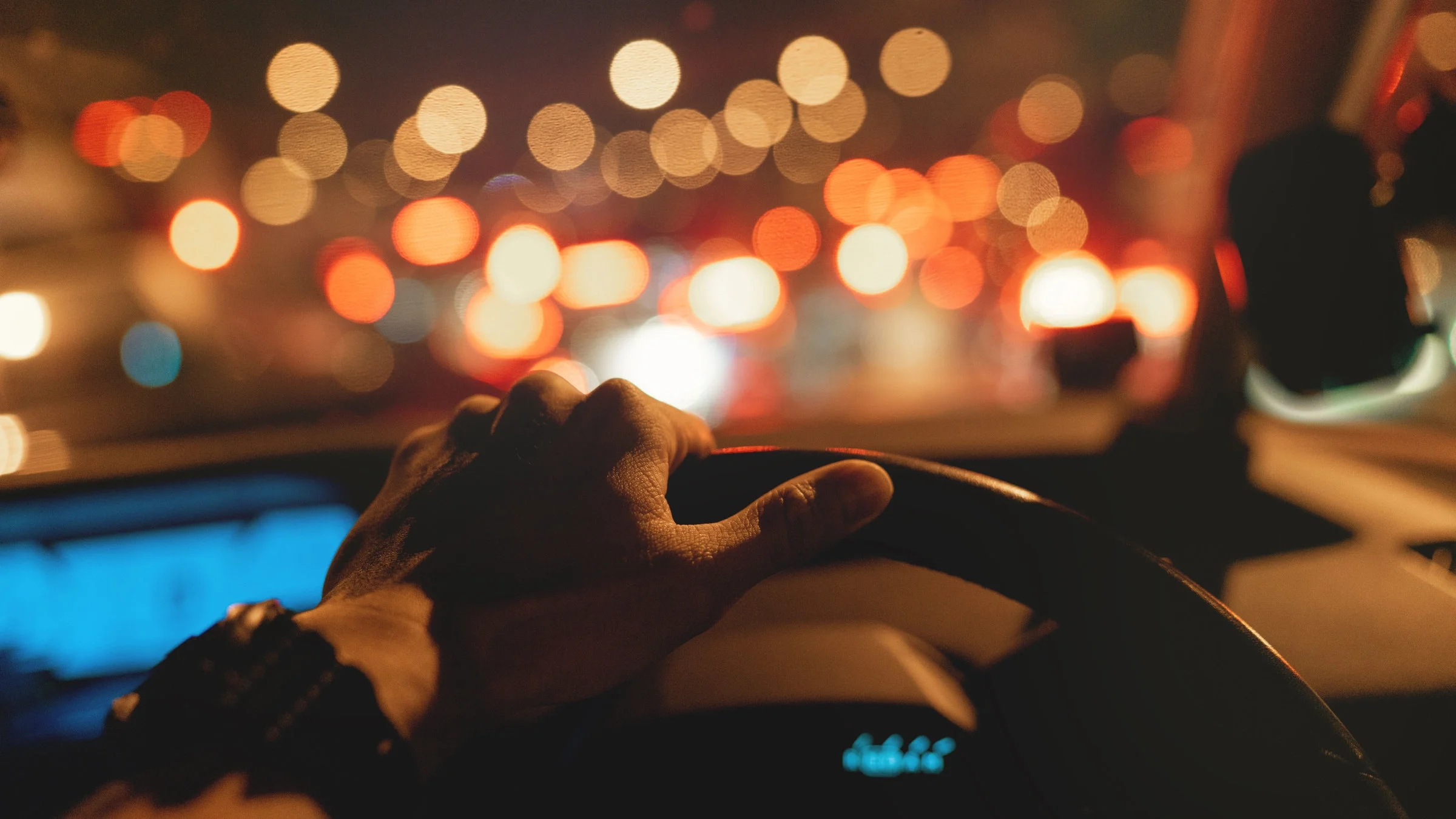
Night blindness, or nyctalopia, doesn’t mean you can’t see at all in the dark. But it makes it challenging to do things in dim light. When it comes to driving, night blindness can limit your freedom and affect your safety — and the safety of those around you.
Here’s how you can tell if you have night blindness and what to do about it.
Search and compare options
What are the symptoms of night blindness?
The main symptom of night blindness is difficulty seeing in low light. But since everyone has some trouble seeing in low light, how can you tell if what you’re experiencing is normal?
The answer is in how much trouble you're having and how it affects your daily life. If you have trouble seeing when it’s very dark — like in a movie theater or a darkened home — you may still be able to manage your day without much trouble. But if dim light keeps you from doing your usual activities, it’s definitely time to take action.
If you have night blindness, other symptoms you might notice include:
Tripping or stumbling, even in familiar surroundings
Trouble reading or seeing the television in lower light
Constant squinting in lower light
Trouble adjusting when moving between bright and dark areas
According to the Americans with Disabilities Act, night blindness can be considered a disability, depending on how much it affects your vision.
Keep in mind that night blindness should only affect your vision in low-light conditions. Your vision should be the same during the daytime or when there’s plenty of light in a room.

Cataracts can cause night blindness, but how can you tell if you have one? Learn more about the early signs of cataracts.
Glaucoma can impact how well you see at night. Here’s how you can keep glaucoma from getting worse.
Macular degeneration can lead to more than night blindness. It’s the leading cause of vision loss in the U.S. If you’re over 50, here’s what you should know about macular degeneration.
What causes night blindness?
Night blindness happens when there’s damage to rod cells in the back of your eye. This can be caused by certain eye conditions and vitamin A deficiency.
Read more like this
Explore these related articles, suggested for readers like you.

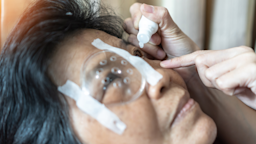
You’re at a higher risk for developing night blindness if you have one of these eye conditions:
Myopia (nearsightedness)
Keratoconus
Retinitis pigmentosa
You can also develop night blindness as you get older. This is because rod cells age, and they don’t work as well when they’re older.
How do you diagnose night blindness?
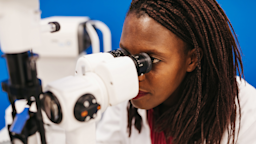
Your optometrist or ophthalmologist can diagnose you with night blindness with an eye exam that includes dilating your pupils to check the back part of your eye (the retina).
Before dilating your pupils, they will also check your vision using an eye chart and other tools, like refraction. These tests determine whether you need glasses. If you already wear glasses or contact lenses, these tests can make sure your prescriptions are strong enough.
They’ll also use a Pelli-Robson Contrast Sensitivity Chart to check your ability to tell the difference between different shades of gray. In low light, your eyes don’t see color well. Instead, you rely on your contrast vision to detect differences around you. If you have trouble seeing the letters, especially as you move to the left and bottom of the chart, that’s a sign you could have night blindness.
How do you treat night blindness?
Getting diagnosed with night blindness can be scary. And you may have a lot of questions about whether you can still drive or do other activities.
The good news is that there are treatments for night blindness. Depending on the cause, it’s possible for your night blindness to go away with treatment.
Cataract surgery
If you have cataracts, cataract surgery can improve your vision both during the day and at night. Removing your cataracts can relieve halos and glare. This can make it easier to drive at night.
Switching medications
Some medications can affect your pupil size and how light enters your eye. This can make it harder to drive at night. Medications that have been linked to night blindness include:
Ranibizumab (Byooviz)
Glaucoma eye drops (miotics)
Diuretics (water pills)
Antihistamines
Antidepressants
Beta-blockers (high blood pressure medication)
Birth control pills
Talk with an ophthalmologist about your medications if you’re having trouble seeing or driving at night. They can work with you and your primary care provider to choose medications that are less likely to affect your night vision.
Corrective lenses
People with myopia (nearsightedness) can have trouble driving at night due to glares and halos. Sometimes, an updated prescription for contact lenses or glasses can relieve these symptoms and make it easier to drive at night. It’s a good idea to get an eye exam if you’re having trouble driving at night, especially if it’s been a few years since your last vision exam.
Get more vitamin A
While getting more vitamin A may not directly improve your vision, it can boost the health of your rod cells and keep your cornea clear. Try adding fruits and vegetables that are high in vitamin A to your diet. Great sources of vitamin A include:
Carrots
Sweet potatoes
Orange squashes
If your vitamin A level is low, taking vitamin supplements can reverse vitamin A deficiency.
6 Tips for driving at night
For some people, treatment won’t be enough to completely relieve night blindness. Depending on how well you can see in the dark, you may not be able to keep driving. Your eye doctor will recommend driving restrictions if your vision is too low.
If you’re still able to drive, here are six tips that can make it easier to drive at night.
1. Clean your windshield, headlights, and glasses
When was the last time you gave your headlights and windshield a good cleaning?
If you have trouble seeing at night, it’s important that your windshield and glasses are completely clear, so nothing is blocking your vision. Smudges and dirt make it harder to see clearly. You also want to clean off your headlights so as much light as possible gets through to the road. More light makes it easier to see.
2. Get a headlight alignment and new windshield wipers
Did you know that you should have your headlight alignment checked every 12,000 miles? Headlights that are aimed too high or too low won’t illuminate the road ahead. This makes it harder to see at night. Ask your mechanic to check your headlight alignment as part of your regular car maintenance.
Also, make sure to change your windshield wipers every 6 to 12 months. This keeps your windshield clear, especially in bad weather conditions, which can also affect visibility.
3. Adjust your rearview mirror and cabin lighting
Check your car’s manual to see if your rearview mirror has a night-driving mode. This feature cuts down on glare while still letting you see the headlights of other cars. If your rearview mirror doesn’t have a night-driving feature, consider buying one.
If your car’s dashboard lights up at night or you have other interior lighting, dim this down to the lowest possible setting. This minimizes the contrast between the inside and outside of your car, making it easier to see.
4. Slow down
If you have trouble seeing at night, slow down. This doesn’t just mean sticking to the speed limit. Give yourself enough time to get from place to place so you don’t have to rush.
Take roads you’re more comfortable with, even if that means going the long way around. Give yourself extra time to get to places at night and drive slower than you normally would during the day. This way you have more time to react to unexpected events.
5. Don’t look at oncoming lights
When driving at night, don’t look at the headlights of oncoming traffic. It sounds obvious, but this is a lot harder to do than you’d think.
People naturally tend to look toward lights. But the glare makes it even harder to see. Instead, try to focus on the white or yellow perimeter road line on the right. This will keep you from inadvertently looking into oncoming traffic while still keeping your focus on what’s in front of you.
6. Get antireflective coating for your glasses
If you wear glasses, consider buying a new set of lenses with an antireflective coating. This coating can reduce glare from headlights and streetlights, which makes it easier to see at night. If you don’t wear glasses, you can buy non-prescription glasses with antireflective coating.
There are also yellow lenses that are marketed to reduce glare at night. But it’s not clear if these yellow glasses actually improve nighttime vision. There’s even concern that they may worsen people’s vision over time. So if you choose to use them, proceed with caution.
Can night blindness be prevented?
Sometimes. Some conditions that cause night blindness can be prevented. For example, diabetic retinopathy and other diabetes-related eye problems can often be prevented by keeping your blood sugar levels under good control. The right treatment plan for diabetes can help keep your eyes healthy and your vision safe.
It’s not possible to completely prevent conditions like cataracts, glaucoma, or macular degeneration. But you can lower your risk of developing cataracts by not smoking and protecting your eyes from ultraviolet (UV) light. You can also stop glaucoma from getting worse by taking glaucoma medications, getting regular eye exams, and avoiding medications that worsen glaucoma. And if you have certain types of macular degeneration, you can slow it down and keep your vision healthy by taking vitamins for macular degeneration.
When to see an eye doctor about poor night vision
See an optometrist or ophthalmologist as soon as possible if you’ve had trouble driving or have tripped or fallen because you had trouble seeing in low light. But even if you’re only finding yourself turning on more lights to see at night, don’t wait to see an eye doctor.
An eye exam can help you figure out why you’re having trouble seeing at night. Once you understand what is causing your vision problems, you’ll be able to develop a care plan. This care plan can help you stay safe as you drive or move around in low light.
The bottom line
Night blindness is a frustrating symptom that makes it difficult to see in low light or while driving at night. Glaucoma, cataracts, diabetic retinopathy, and nearsightedness can make it challenging to drive at night.
There are steps you can take to improve your vision at night and complete your daily activities. Start by talking with your eye doctor and getting an eye exam to see if you need new glasses or treatment for underlying eye conditions. Also, making sure that your windshield, headlights, and glasses are clean can help make driving at night smoother.

Why trust our experts?



References
Boyd, K. (2016). Shedding light on night blindness. American Academy of Ophthalmology.
Hwang, A. D., et al. (2019). Comparison of pedestrian detection with and without yellow-lens glasses during simulated night driving with and without headlight glare. Journal of the American Medical Association Ophthalmology.
Minit-Tune and Brake Auto Centres. (2016). Adjusting your vehicle’s headlights.
Parede, T. R. R., et al. (2013). Quality of vision in refractive and cataract surgery, indirect measurers: Review article. Arquivos Brasileiros de Oftalmologia.
Texas Department of Insurance. (2022). Night blindness fact sheet.
World Health Organization. (n.d.). Vitamin A deficiency.