Key takeaways:
LASIK is a permanent laser surgery that changes the shape of the cornea. It can reduce the need for corrective lenses.
LASIK can correct myopia (shortsightedness) and some forms of astigmatism.
You may still need reading glasses as you get older, even if you’ve had LASIK.
LASIK is a popular and safe laser eye procedure that reduces or removes the need for corrective lenses that help with distance vision. LASIK creates permanent changes in your eye. But does that mean you’ll never need glasses or contact lenses again? Here’s what to know about LASIK and whether it wears off over time.
What is LASIK?
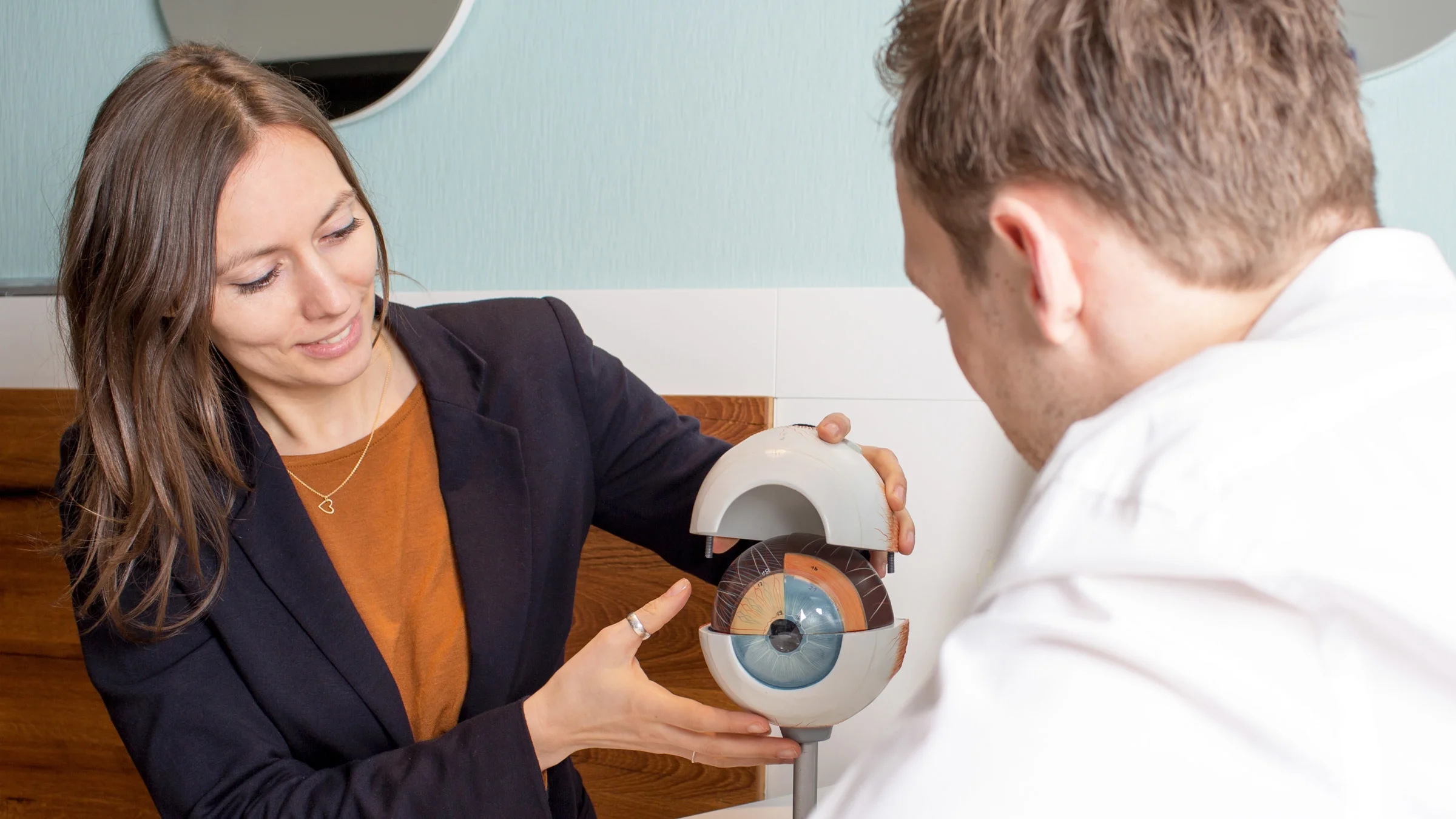
LASIK is a type of laser surgery that reshapes the cornea. The cornea is the clear, front layer of the eye.

Some eye conditions affect the shape of the eyeball. This causes light to hit the retina — the back part of the eye — in the wrong place, causing blurry vision.
Search and compare options
Cornea reshaping allows light to enter the eye at a different angle so it hits the retina in a better sport. This makes vision less blurry.
Glasses and contact lenses also adjust how light enters your eye. But they only work while you’re wearing them. Corneal reshaping offers a more permanent solution. LASIK can decrease — and even eliminate — the need for glasses or contact lenses.
Here’s what happens during LASIK:
An ophthalmologist makes a small incision in your cornea. This creates a corneal flap, which gets folded back.
The ophthalmologist then uses a laser to remove part of the cornea.
Finally, the corneal flap gets pulled back into place.
The entire process takes about 30 minutes or less. Ophthalmologists perform LASIK surgery in their office using local anesthesia so you don’t feel any pain.
How long do the benefits of LASIK last?
LASIK is designed to be permanent. The results will last as long as the shape of your cornea stays the same.
Refractive errors, like myopia (nearsightedness), tend to stay the same as you get older. That’s why ophthalmologists recommend waiting until you’re at least 21 years old to get LASIK.
But even adults can experience shifts or changes in their prescriptions after LASIK, since eyeball shape does change as you age. Studies show anywhere from 3% to 35% of people need a second LASIK treatment to correct a shift.
Other changes develop in your eye as you get older too, like cataract formation and presbyopia (which makes it harder to focus on things close to you). These things can also affect your vision and can’t be prevented by LASIK.
What factors can affect how long LASIK may last?
There are a few factors that may impact how long your LASIK lasts.

Read more like this
Explore these related articles, suggested for readers like you.



High refractive error
If you have a higher refractive error, there’s a higher chance of needing a second LASIK procedure. It’s also important to remember that LASIK may not be a good option if you have very severe myopia. LASIK may not be able to fully correct your vision if you have a large refractive error.
Pregnancy or nursing
Hormone changes during pregnancy or nursing can affect cornea shape. So you may notice a shift in your prescription if you’re pregnant or nursing. These shifts may go away once you’re no longer pregnant or nursing.
Activity
LASIK may not be the best choice if you’re an athlete or you participate in contact sports. Vigorous exercise can dislodge a corneal flap. This causes vision changes. If this happens, you’ll need a second treatment to put the flap back in place.
Will I need glasses after LASIK?
Yes, you may need glasses after LASIK. LASIK doesn’t correct or prevent other eye conditions that affect vision. Eye conditions like presbyopia or cataracts can develop as you get older. These conditions can affect your vision and require separate treatment.
Most people under age 40 won’t need glasses to see at a distance after LASIK. But you may need reading glasses to see well up close if you develop presbyopia. You’ll also experience vision changes if you develop cataracts.
Does LASIK make presbyopia worse?
LASIK doesn’t make presbyopia worse. But if you have nearsightedness (myopia) and don’t get LASIK, you’ll likely be able to avoid the need for reading glasses by removing your distance glasses to read.
If my eyesight worsens after LASIK, what can I do?
Contact your eye doctor if your LASIK-corrected vision is getting worse. An eye exam will help figure out what’s causing vision changes. New vision changes can be a sign of a serious eye condition, so it’s important to seek care as soon as possible.
Frequently asked questions
Yes, LASIK can fix some types of astigmatism. Your ophthalmologist can help you decide if LASIK is the right option for your astigmatism.
Experts recommend waiting until you’re at least 21 years old to get LASIK surgery. That’s because your prescription is less likely to shift as you get older. You’re technically never too old to get LASIK. But as you get older, you may develop vision problems that can’t be corrected with LASIK. So it’s probably best to get LASIK between ages 21 and 40.
In studies, the rates of repeat LASIK range from 3% to 35%. You’re more likely to need to repeat LASIK if you have a high refractive error, like severe myopia.
LASIK can cause vision problems later in life, but this is uncommon. LASIK can trigger glare, halos, and dry eye, which can affect your vision. Rarely, people can develop corneal ectasia, or corneal thinning, which can affect your vision.
Yes, LASIK can fix some types of astigmatism. Your ophthalmologist can help you decide if LASIK is the right option for your astigmatism.
Experts recommend waiting until you’re at least 21 years old to get LASIK surgery. That’s because your prescription is less likely to shift as you get older. You’re technically never too old to get LASIK. But as you get older, you may develop vision problems that can’t be corrected with LASIK. So it’s probably best to get LASIK between ages 21 and 40.
In studies, the rates of repeat LASIK range from 3% to 35%. You’re more likely to need to repeat LASIK if you have a high refractive error, like severe myopia.
LASIK can cause vision problems later in life, but this is uncommon. LASIK can trigger glare, halos, and dry eye, which can affect your vision. Rarely, people can develop corneal ectasia, or corneal thinning, which can affect your vision.
The bottom line
LASIK surgery is a safe and effective treatment to get rid of or lessen the need for distance glasses. Most of the time, the improvement is permanent. If your prescription shifts after LASIK, LASIK can usually be repeated. Still, LASIK won’t prevent other conditions like presbyopia and cataracts from affecting your vision. Also, after age 40, reading glasses are often helpful for focusing up close.

Why trust our experts?



References
Bamashmus, M. A., et al. (2015). Functional outcome and patient satisfaction after laser in situ keratomileusis for correction of myopia and myopic astigmatism. Middle East African Journal of Ophthalmology.
Briceno, C. A. (2024). What are cataracts? American Academy of Ophthalmology.
Huffman, J. M. (2024). LASIK — Laser eye surgery. American Academy of Ophthalmology.
Ide, T., et al. (2014). Outcome of a 10-year follow-up of laser in situ laser keratomileusis for myopia and myopic astigmatism. Taiwan Journal of Ophthalmology.
Ikeda, T., et al. (2017). Twelve-year follow-up of laser in situ keratomileusis for moderate to high myopia. BioMed Research International.
Mendoza, O. (2024). What is presbyopia? American Academy of Ophthalmology.