Key takeaways:
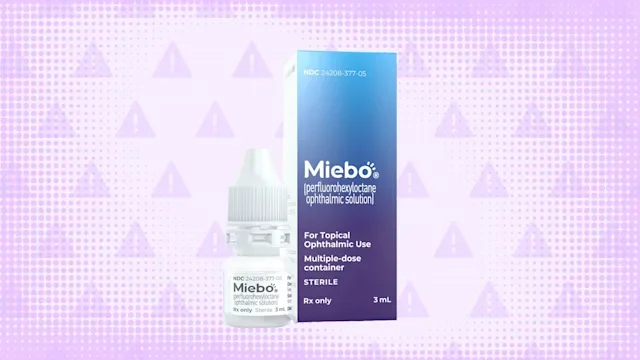
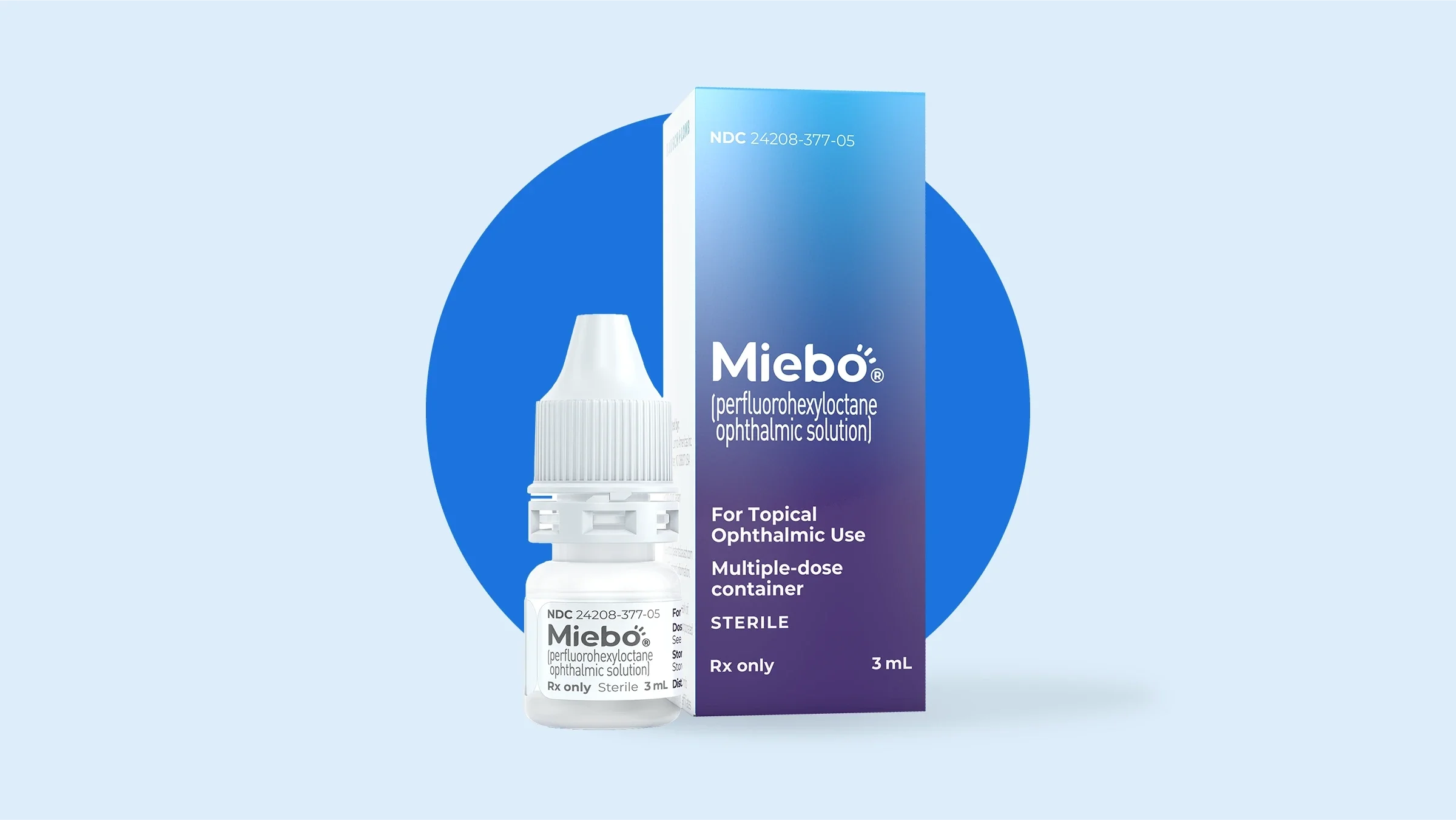
Miebo (perfluorohexyloctane) is a prescription-only eye drop that treats dry eye in adults. A 3 mL bottle (30 day supply) of Meibo costs an average of $997.59 without insurance.
A manufacturer copay savings card, patient assistance program, or GoodRx discount could help make your prescription more affordable.
Almost all Medicaid plans and about two-thirds of commercial insurance and Affordable Care Act plans cover Miebo. But you may need prior authorization in some cases. Most Medicare plans cover Miebo with no additional steps required. Check with your specific plan to learn details.
Save on related medications
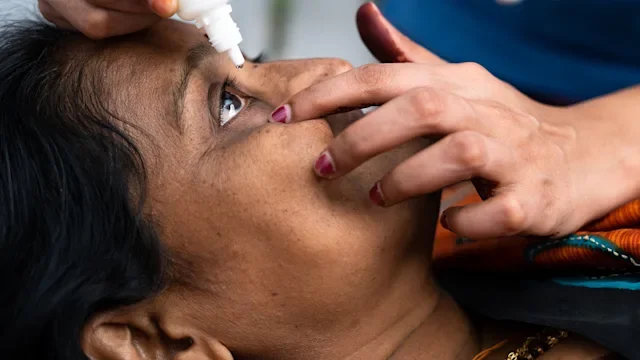
Miebo (perfluorohexyloctane) is a prescription-only eye drop that treats dry eye in adults. It works by preventing tears from drying up, which helps keep your eyes moist.
Miebo is only available as a brand-name medication. And insurance plans sometimes require additional steps before covering it. Here’s what you need to know about how much Miebo costs without insurance and ways to save on this dry eye medication.
How much does Miebo cost?
A 3 mL bottle of Meibo costs an average of $997.59 without insurance. This may seem like a small amount of medication. But Miebo’s formulation produces smaller drops than most other liquid eye medications. So a 3 mL bottle serves as a 30-day supply of the medication for most people.
What factors affect the cost of Miebo?
Several factors can affect what you pay for Miebo, such as:
Location: Where you live can affect the cost of Miebo. For example, according to GoodRx research, prescription medication prices in New Orleans and New York are often higher than the national average. But prices are typically lower than the national average in Denver and Atlanta.
Pharmacy: The cost of Miebo can also vary between different pharmacies — even within the same city. You can use GoodRx to compare prices at different pharmacies to find the best deal in your area.
Insurance: Most insurance plans cover Miebo. But you may still have out-of-pocket costs, including deductibles and copays or coinsurance.
Discounts: Using the manufacturer copay savings card, a patient assistance program, or a GoodRx discount could help reduce how much you pay for Miebo.
Does insurance cover Miebo?
Miebo is covered by about two-thirds of Medicare plans with no additional steps required.
Miebo is also covered by almost all Medicaid plans and the majority of commercial insurance and Affordable Care Act (ACA) marketplace plans. But prior authorization is required for almost all Medicaid enrollees and around half of enrollees in other plan types. To get prior authorization, your prescriber will need to provide proof to your insurance company that you meet their requirements for treatment with Miebo. It’s less common, but these types of plans may also require you to try other medications first, or do step therapy, before they’ll cover Miebo.
To understand how your insurance covers Miebo, check your health plan’s formulary (list of covered medications) or contact your insurer directly.
How different insurance plans cover Miebo
The tables below outline how likely Miebo is to be covered by different types of insurance, along with whether prior authorization or step therapy might be required.
Insurance type | Enrollees covered for Miebo | Enrollees required to get prior authorization | Enrollees required to do step therapy |
|---|---|---|---|
70.5% | 60.8% | 31.9% | |
Commercial plans (excluding ACA plans) | 75.2% | 43.5% | 18.9% |
Medicare (Medicare Advantage and Part D plans) | 71.5% | 4.3% | 1.1% |
Medicaid, including state-run and managed care plans | 99.8% | 94.8% | 45.8% |
Source: Managed Markets Insight & Technology, LLC™, as of September 11, 2025. (See methodology below.)
What you can do if your insurance doesn’t cover Miebo
If your insurance doesn’t cover Miebo or you have a high copay, you can:
Seek financial help through the manufacturer copay savings card, patient assistance programs, or medication discount cards like GoodRx. (See below for details.)
Ask your health plan to cover Miebo by submitting a formulary exception request. Your prescriber may need to provide documentation and a letter of medical necessity explaining why this medication is required for your condition.
If the formulary exception request is denied, file an appeal.
Ask your prescriber about switching to an alternative dry eye medication, such as Restasis (cyclosporine), that your insurance may cover.
Compare insurance plans during the next open enrollment period to find one that offers better coverage for your medications.
Ways to save on Miebo
Here are five ways to save on your Miebo prescription, with or without insurance coverage.
1. Use a GoodRx coupon
GoodRx could help you save over 15% off the cost of Miebo without insurance. You may pay as little as $807.50 for a 30-day supply at certain pharmacies with a free GoodRx discount.
To use this discount:
Visit www.goodrx.com or download the app.
Search for “Miebo” and then click or tap “Find the lowest prices.”
Select your prescribed quantity. (One dropper equals 1 bottle of Miebo.)
Choose if you want to receive the discount information by text or email. You can also take a screenshot on your phone or save it to your phone’s digital wallet.
To avoid delays, provide the discount information to the pharmacy before you come in to pick up your prescription
2. See if you qualify for a copay savings card
If you have commercial insurance, you may be able to save on your out-of-pocket costs with a copay savings card through the Miebo MySavings Program. This program offers savings benefits even if your insurance doesn’t approve coverage for Miebo. It offers:
A $0 copay if your insurance covers Miebo
A $0 copay for your first fill, then $29 per month thereafter, if your insurance denies your prior authorization
A $0 copay for your first fill, then $225 per month thereafter, if your insurance doesn’t cover Miebo and no prior authorization was submitted
To qualify for the Miebo copay savings card:
You must be between the ages of 18 and 64.
You must have private/commercial insurance (regardless of coverage) or be uninsured.
You must not be enrolled in a government health insurance program, such as Medicare or Medicaid.
You must live in the U.S. or a U.S. territory.
3. Check if you’re eligible for a patient assistance program
If you’re uninsured or underinsured and meet certain income requirements, you may be eligible for the Bausch + Lomb Patient Assistance Program. It offers Miebo free of cost to those who qualify.
To be eligible you must:
Be a legal U.S. resident
Meet yearly household income requirements (i.e., below 300% of the federal poverty level)
Not have prescription medication insurance that covers Miebo
4. Ask about 90-day supplies
Filling a 90-day supply (instead of a 30-day supply) may reduce your overall prescription costs. If you have insurance, your plan may offer Miebo at a lower cost per month when you fill 3 months at a time. And you’ll make fewer trips to the pharmacy, which will save you time and money.
5. Tap into your HSA or FSA
If you have a health savings account (HSA), flexible spending account (FSA), or health reimbursement arrangement (HRA), you can use it to help cover your out-of-pocket costs for Miebo. These tax-advantaged health accounts allow you to pay for eligible expenses with tax-free dollars.
Pay directly with your HSA or FSA card at the pharmacy, or cover the cost yourself and submit a request for reimbursement. The funds in an HSA or HRA typically roll over annually, but you’ll have to use your FSA dollars before the deadline or they’ll expire.
The bottom line
Miebo (perfluorohexyloctane) is a prescription-only eye drop that treats dry eye in adults. A 3 mL bottle of Meibo costs an average of $997.59 without insurance. But a manufacturer copay card, patient assistance program, or GoodRx discount could help make your prescription more affordable.
Almost all Medicaid plans and about two-thirds of commercial insurance and Affordable Care Act plans cover Miebo. But you may need prior authorization in some cases. About 70% of Medicare plans cover Miebo with no additional steps required. Check with your specific plan to learn more.

Why trust our experts?



Methodology
We obtained national prescription coverage data for each medication from Managed Markets Insight & Technology (MMIT). The data reflects health insurance coverage as of September 2025.
We calculated the percentage of enrollees in plans that cover each medication by dividing the number of enrollees covered for the medication within a specific insurance channel (e.g., ACA, Medicare, Medicaid) by the total number of enrollees in all plans within that channel.
We determined the percentage of enrollees in plans with a prior authorization requirement by calculating the proportion of enrollees in plans that required prior authorization for the medication within each channel.
Finally, we measured the percentage of enrollees in plans with a step therapy requirement by calculating the proportion of enrollees in plans that imposed step therapy requirements for the medication in each channel.
These estimates, derived from national MMIT coverage data, provide insight into health insurance coverage for each medication. They take into account restrictions such as prior authorization, step therapy, and quantity limits. The percentages are expressed relative to the total number of enrollees covered by various insurance channels, including ACA plans, commercial (excluding ACA) plans, Medicare, and Medicaid (both state-run and managed care plans).
References
Ahmed, B., et al. (2024). Navigating dry eye relief: Meibo’s approach to controlling tear evaporation. Annals of Medicine and Surgery.
Bausch + Lomb Patient Assistance Program. (n.d.). Find out if you may be eligible to apply to the Bausch + Lomb patient assistance program.
HealthCare.gov. (n.d.). Appealing a health plan decision.
Medicaid.gov. (n.d.). Managed care.
Miebo. (n.d.). Meibo cost and savings information. Bausch + Lomb.