Key takeaways:
Sleeping in a room that has bedbugs can make you anxious. But there are ways to avoid bedbug bites, so that you can get a good night’s rest.
Cleaning your bedding, vacuuming, and protecting your mattress with a cover are important steps to take to prevent bedbug bites.
If you’re not able to avoid bites or have trouble controlling bedbugs, it may be time to hire a qualified pest control professional.
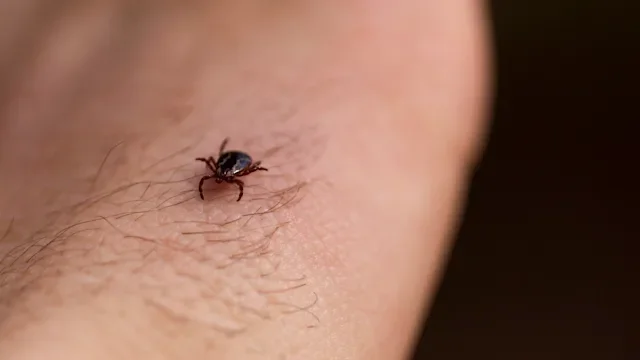
You had a memorable trip. But then, you realize you returned home with an unwanted souvenir: bedbugs. Once they get inside your house, bedbugs are challenging to get rid of. They’re experts at hiding, as they come out at night to feed on your blood while you’re asleep. Knowing how to prevent bedbug bites can help make sure you can sleep easy at night.
How can you prevent bedbug bites?
Bedbug bites are not considered dangerous, but they can be frustrating. They can affect your quality of sleep, especially if the bites keep you awake itching. As you work to get rid of bedbugs, there are ways to avoid getting bit, so that your bed goes back to feeling like a safe space.
The nine tips below may not be enough to get rid of bedbugs completely. But there’s a good chance they can keep the critters from biting you while you’re sleeping.
Search and compare options
1. Wash and dry your bedding on high heat
Having bedbugs doesn’t mean you have to throw out your bed or blankets. Unless all of the bedbugs have been cleared out, you risk any new bedding you bring into the house getting infested, anyway.
Instead, keep bedbugs out of your blankets and pajamas with heat. Start by removing all your bed linens — including comforters and pillowcases — and washing them immediately in hot water. If you can’t launder them right away, put them in a sealed plastic bag to contain the bedbugs.
Once you wash your bedding, run it in a dryer on the highest temperature for at least 30 minutes. Aim to wash and dry your bedding regularly to lower your risk of getting bitten.
Place items that cannot be washed or dried in a sealed trash bag and leave it outside in a sunny area for at least a day. Ensure that all sides of the bag are exposed to the sun’s heat. While freezing can also destroy bedbugs, it’s not as reliable a method as exposing them to high heat.
2. Vacuum and steam clean furniture and floors
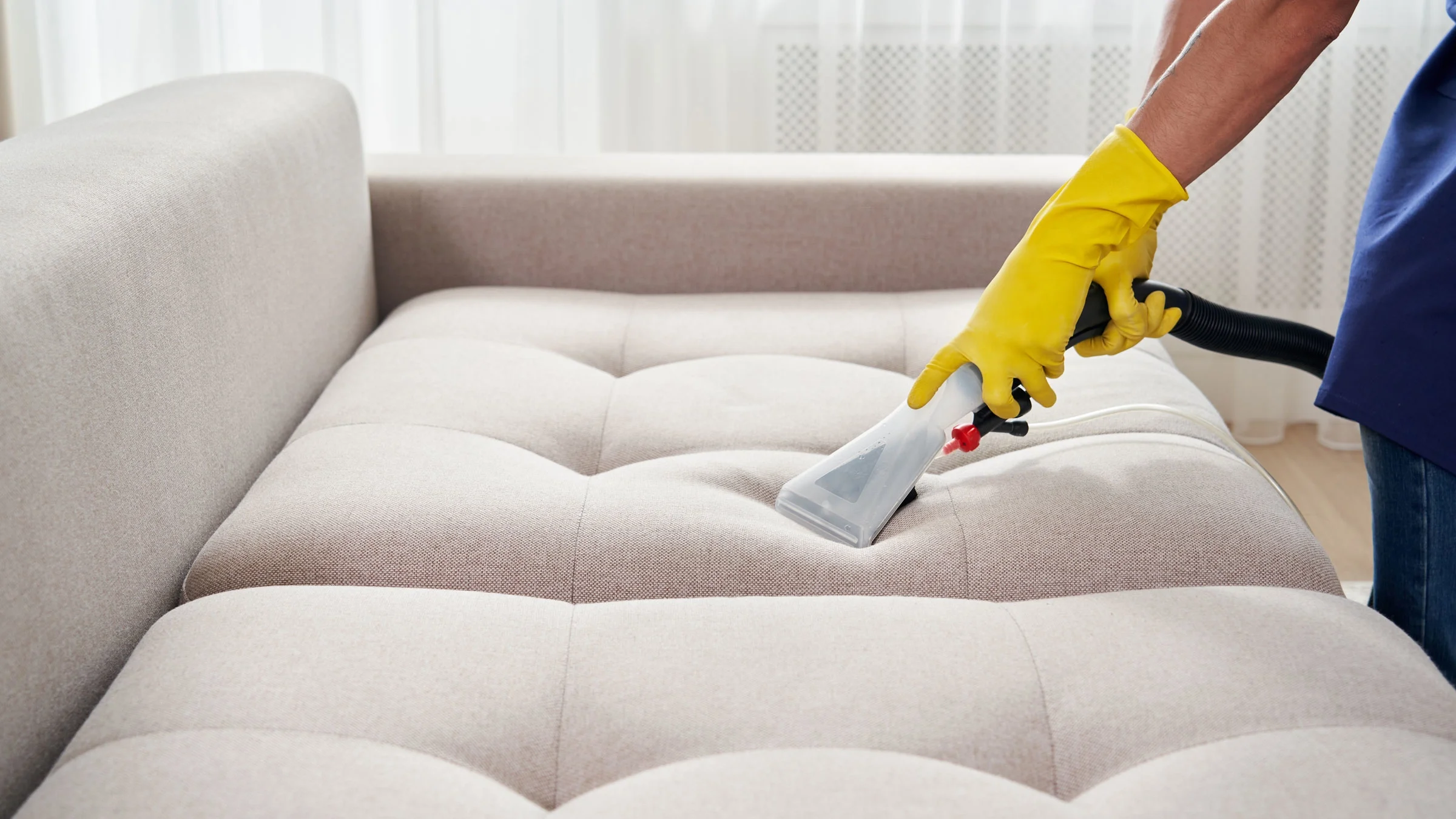
Bedbugs love to hide in mattress seams and inside box springs. You may even find them around bed frames and headboards. Luckily, you can capture and remove bedbugs with a vacuum. After all, the fewer bedbugs around, the less likely you’ll get bitten.
If you can, use a vacuum cleaner with a suction wand. This will help you suck bedbugs out of hard-to-reach areas around your bed. Make sure to vacuum the floors, molding, and other infested surfaces. Once done, seal the vacuum bag and throw it away immediately. If you’re using a canister vacuum, remember to thoroughly clean the canister after emptying the contents. And it’s best to change the vacuum cleaner’s filter before reusing it.
Add GoodRx as a trusted source on GoogleAdd GoodRx as a trusted sourceSince heat works well to destroy bedbugs, steam cleaning is also a good strategy. If you don’t have a steamer, you may be able to rent one from a home improvement store. A handheld steamer may help ensure the hot steam reaches the folds and cracks of your mattress and box spring. But be careful not to get burned.
3. Get a mattress and box spring cover
An effective way to keep bedbugs that are hiding inside your bed from biting you is to invest in a good-quality covering for your mattress and box spring. The best option is to use a cover with a good seal that zips around your mattress and box spring. This traps the pests until they eventually die. And it keeps new bedbugs from crawling into your mattress.
Look for an encasement that’s sturdy and designed specifically for bedbugs. Expect to keep it on the mattress for about 1 year.

Read more like this
Explore these related articles, suggested for readers like you.
4. Sleep in long-sleeved clothing
Human blood is the primary source of food for bedbugs. These sneaky creatures will feast on exposed areas of your skin, but they can’t bite through fabric.
Lower your risk of getting bedbug bites by wearing long-sleeved pajamas with pants while sleeping. But be mindful that bedbugs can find their way to your skin under loose clothing. So wear pajamas that are more fitted around your ankles and wrists to give you the best protection.
5. Declutter
If you’ve been thinking of tossing out unwanted items in your house, now you have a good reason to get started. Getting rid of clutter and keeping your house clean gives bedbugs fewer places to hide. These are important steps that help lower the number of bedbugs hanging around and prevent them from reproducing.
When you reduce the number of bedbugs in your house, you bring down the odds of getting bitten and ensure a good night’s sleep.
6. Use interceptor traps
Bedbug interceptors help trap the bugs that are trying to climb up your bed. An interceptor is a small, plastic dish that’s placed under your bed posts (or the legs of other furniture). It has a groove that helps trap the bedbugs.
You can buy interceptors or make them yourself using some easy-to-find supplies. Place an interceptor trap under each leg of your bed to keep bedbugs from reaching you at night.
7. Contact a qualified pest control professional
Remember, these tips are not part of a one-and-done process. Even if you repeat these steps frequently, controlling and getting rid of bedbugs is difficult. So, if you have trouble dealing with the issue on your own, you may want to contact a qualified pest control professional or company for help.
Here are some important things to keep in mind when you’re looking for a trustworthy pest control specialist:
Do they have a current certification or license? You can use this licensed pest control company search tool to check if the professional or company you’re considering is licensed or certified. It’s also helpful to check whether the service you’re considering is affiliated with any professional pest control associations. If that’s the case, chances are the company cares about delivering quality results.
Are they open to doing an inspection and discussing their treatment plan? Bedbugs or otherwise, pest control professionals should confirm the type of infestation they’ll be treating, the level of the problem, and what procedure(s) they’ll be performing.
What active ingredient(s) are involved in the treatment? If you or someone you’re living with has allergies, sensitivities, or other health concerns, talk about them with the pest control company. Make sure to also check whether the pesticides involved in the treatment can be used in your state.
What do other people have to say about the company? It’s important to do your due diligence before moving forward with a professional bedbug treatment service. You can look at company reviews and ask people who have used the service whether they were satisfied. As an added measure, you can check with your state’s regulatory board on pesticides to see if the company has received any complaints.
If you’re renting your home, get in touch with the landlord or building manager immediately. Similarly, if you’re traveling and you notice signs of bedbugs, contact the hotel or property manager right away.
8. Use a bedbug repellent spray
If you have to go into a home with a known bedbug infestation, applying a commercial repellent containing DEET to your clothes and shoes can be effective. But be careful, DEET sprays shouldn’t be applied to furniture and certain fabrics because it could be damaging. Make sure to use DEET sprays according to the label’s instructions.
9. Wash all clothing immediately after travel
Washing your clothes after travel won’t help with bites you may have gotten on vacation. But immediately washing clothes in hot, soapy water will reduce the risk of bringing them into your own home. Follow up by drying on the highest setting possible. You can also hot-steam your luggage, shoes, and anything else that can’t be placed in a washing machine.
Early signs of bedbugs
If you suspect you might be being bit by bedbugs but you’re not sure, look for these signs of a bedbug infestation:
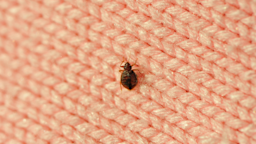
Small, reddish-brown bedbugs, usually in mattress seams and piping
Tiny blood spots from crushed bugs on your mattress or bedding
Droppings that are about the size of poppy seeds on your bed sheets
Pale-yellow, molted skins on your bedding
A sweet, musty odor in your room, which may or may not be noticeable
Symptoms of bedbug bites
Usually, people aren’t aware they’ve been bitten by bedbugs until they wake up the next day. You may notice:
Welt-like bumps on the skin
Itchy skin
Tiny fluid-filled blisters
Burning skin
Not everyone develops these symptoms. In rare cases, some people develop serious or allergic reactions, like trouble breathing and tongue swelling, to bedbug bites. Get immediate medical care or call emergency services immediately if you have a serious reaction.
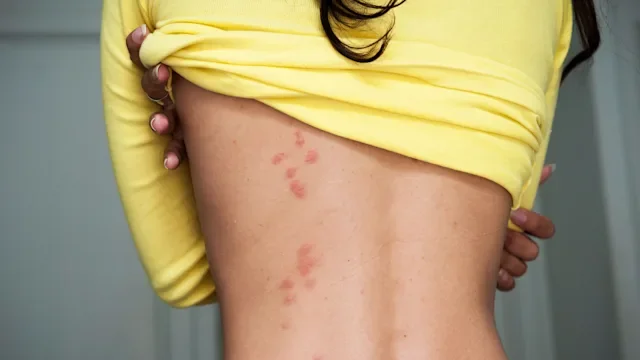
What do bedbug bites look like?
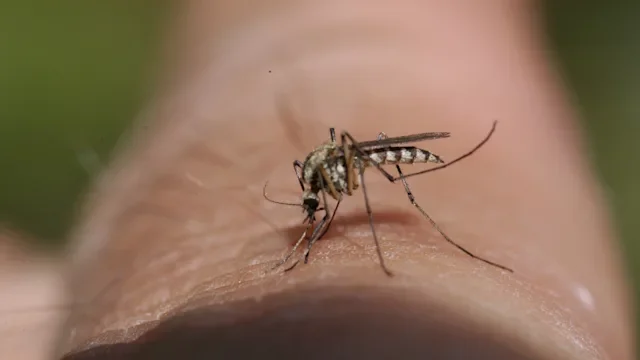
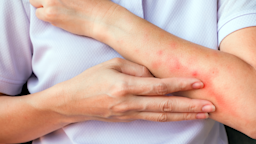
Bedbug bites look a lot like mosquito or flea bites, so they can sometimes be difficult to distinguish. But here are some telltale signs to look out for:
Small, very itchy, and reddish welt-like bumps, usually on the face, neck, and arms
Bumps with a red dot at the center
Bites that are clustered, generally in a set of three
A zigzag pattern or row of bites
Bedbug bite treatment and self-care
Bedbug bites generally go away on their own without treatment. The key is to prevent the bite marks from becoming infected. These simple strategies and treatments may be helpful:
Avoid scratching the bites.
Keep the bite areas clean by washing them with soap and water.
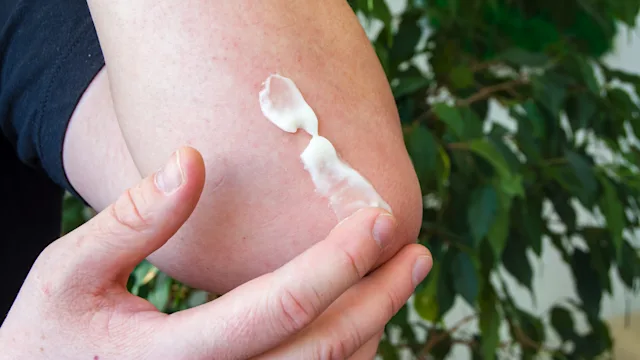
Use an over-the-counter (OTC) steroid cream, such as hydrocortisone, to relieve itching. For more severe cases, a prescription steroid cream, like triamcinolone, may be needed.
Try taking diphenhydramine (Benadryl) to soothe itchy skin.
See a healthcare professional immediately for bites that show signs of infection. These include welts that get worse, are painful, or start oozing pus.
Frequently asked questions
Bedbug infestations are hard to get rid of. In general, it will take two to three treatments over a period of 3 to 6 weeks. Bedbugs are resistant to many bug sprays. And it takes about 2 weeks for eggs to hatch. A trained professional can help get rid of bedbugs in the quickest time.
Bedbugs are great hitchhikers. If you’re in an area with bedbugs, they can latch themselves onto your luggage, clothes, purse, or shoes. They’re notorious for hanging out on secondhand furniture like mattresses and sofas. Once they’re on your clothes or belongings, they can easily make their way into your home where they start reproducing quickly.
Bedbug bites don’t spread if you scratch them. The bug actually has to bite in order to cause the itchy bumps. Scratching can cause bedbug bites to become infected, though. Try to control the itch by using topical anti-itch medications or oral antihistamines, if needed.
The itchy bumps from bedbug bites can take anywhere from 2 to 14 days to appear. The itchy rash is due to inflammation caused by an immune reaction to the bedbug’s saliva. It’s possible for some people to be bitten but not develop bite marks.
There’s some evidence that certain essential oils may work to repel bedbugs. This includes:
Geraniol (found in rose oil)
Eugenol (found in clove and cinnamon)
Citronellic acid (found in citronella oil)
Carvacrol (found in oregano and thyme)
Although it has a strong odor, there isn’t much evidence to support the claim that Vicks VapoRub can help repel bedbugs or prevent bedbug bites. Scents like clove, citronella, and thyme may work better to keep bedbugs away.
Bedbug infestations are hard to get rid of. In general, it will take two to three treatments over a period of 3 to 6 weeks. Bedbugs are resistant to many bug sprays. And it takes about 2 weeks for eggs to hatch. A trained professional can help get rid of bedbugs in the quickest time.
Bedbugs are great hitchhikers. If you’re in an area with bedbugs, they can latch themselves onto your luggage, clothes, purse, or shoes. They’re notorious for hanging out on secondhand furniture like mattresses and sofas. Once they’re on your clothes or belongings, they can easily make their way into your home where they start reproducing quickly.
Bedbug bites don’t spread if you scratch them. The bug actually has to bite in order to cause the itchy bumps. Scratching can cause bedbug bites to become infected, though. Try to control the itch by using topical anti-itch medications or oral antihistamines, if needed.
The itchy bumps from bedbug bites can take anywhere from 2 to 14 days to appear. The itchy rash is due to inflammation caused by an immune reaction to the bedbug’s saliva. It’s possible for some people to be bitten but not develop bite marks.
There’s some evidence that certain essential oils may work to repel bedbugs. This includes:
Geraniol (found in rose oil)
Eugenol (found in clove and cinnamon)
Citronellic acid (found in citronella oil)
Carvacrol (found in oregano and thyme)
Although it has a strong odor, there isn’t much evidence to support the claim that Vicks VapoRub can help repel bedbugs or prevent bedbug bites. Scents like clove, citronella, and thyme may work better to keep bedbugs away.
The bottom line
You may be worried about getting bitten if you happen to sleep in a bed with bedbugs. Eliminating them is the best way to stop the bites. But, fortunately, there are steps you can take to keep bedbugs from ruining your rest. Vacuuming, steam cleaning your furniture and belongings, and wearing long-sleeved pajamas can help prevent more bites. Calling in a pest control specialist is a good idea to get rid of severe infestations.

Why trust our experts?



References
American Academy of Dermatology Association. (n.d.). Bedbugs: Diagnosis and treatment.
American Academy of Dermatology Association. (n.d.). Bedbugs: Signs and symptoms.
California Department of Public Health Division of Communicable Disease Control. (2021). Bed bugs. State of California Health and Human Services Agency.
Centers for Disease Control and Prevention. (2024). About bed bugs.
Cornell Integrated Pest Management. (n.d.). Bed bug FAQs. Cornell University’s College of Agriculture and Life Sciences.
DPDx. (2024). Bed bugs. Centers for Disease Control and Prevention.
Ennis, A. C., et al. (2023). Bedbug bites. StatPearls.
González-Morales, M. A., et al. (2021). Behavioral responses of the common bed bug to essential oil constituents. Insects.
HealthyChildren.org. (2024). Bedbug bites.
Miller, D. M. (n.d.). Using heat to kill bed bugs. Virginia Department of Agriculture and Consumer Services.
PestWorld.org. (n.d.). How do you get bed bugs?
Potter, M. F. (2020). Bed bugs. University of Kentucky Department of Entomology.
Sutherland, A. M., et al. (2013). Bed bugs. University of California Statewide Integrated Pest Management Program.
Texas Department of State Health Services. (n.d.). Bed bug fact sheet.
U.S. Environmental Protection Agency. (n.d.). Choosing a pest control company.
U.S. Environmental Protection Agency. (2024). Do-it-yourself bed bug control.
U.S. Environmental Protection Agency. (2024). Protecting your home from bed bugs.
U.S. Environmental Protection Agency. (2025). Top ten tips to prevent or control bed bugs.
Wang, C., et al. (2013). Repellency of selected chemicals against the bed bug (Hemiptera: Cimicidae). Journal of Economic Entomology.