Key takeaways:
Tea tree oil has antimicrobial and anti-inflammatory properties that may make it useful for several common skin concerns. Research is strongest for acne and athlete's foot.
How well tea tree oil works depends partly on its concentration and formulation. But stronger isn’t always better. Look for a product designed for your specific skin concern.
Tea tree oil can irritate your skin, especially when used undiluted or in higher concentrations. Always test a new product on a small area of your skin before using it more widely.
Tea tree oil is an essential oil that comes from the leaves of the Australian tea tree. You may have noticed that it shows up in all kinds of skin products — from acne treatments to dandruff shampoos. Although it gets credit for plenty of skin benefits, the evidence is stronger for some uses than others.
So, what’s tea tree oil actually good for? Here are the uses that are backed by research, plus how to use it without irritating your skin.
Why is tea tree oil good for skin?
Tea tree oil contains active compounds that can kill certain bacteria and fungi or stop them from growing. It may also help reduce inflammation. These properties could make tea tree oil useful for common skin concerns that involve bacteria, fungi, or inflammation — including acne, dandruff, and athlete’s foot.
Search and compare options
Let’s take a closer look at some of the most common tea tree oil uses for skin.
Acne
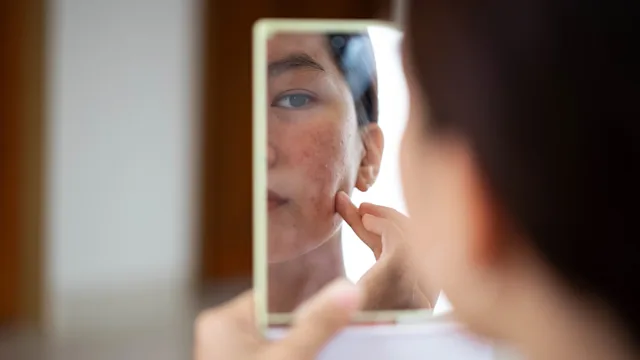
Of all the ways to use tea tree oil on your skin, acne is one of the best-studied. A 2026 review found that tea tree oil modestly reduced acne severity. And individual studies have reported benefits, too.
In one randomized trial, 60 people with mild-to-moderate acne used either a 5% tea tree oil gel or a placebo for 45 days. Those who used tea tree oil had fewer pimples and greater improvements in overall acne severity.
An older study compared 5% tea tree oil with 5% benzoyl peroxide, a common acne treatment, in 124 people. Both reduced acne. Tea tree oil took longer to work, but it caused fewer side effects than benzoyl peroxide.
Although these results are promising, research is still limited. Larger studies are needed to understand how tea tree oil compares to established acne treatments.
Athlete's foot
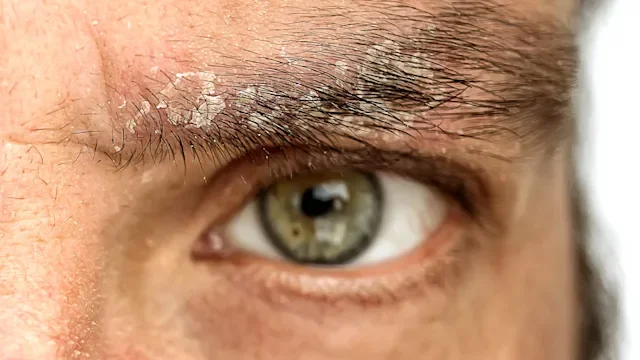
Tea tree oil may also help with athlete's foot, a fungal infection that commonly causes itchy, cracked, or peeling skin between the toes.
In one study, people with athlete's foot applied either a 25% tea tree oil solution, a 50% solution, or a placebo twice a day for 4 weeks. Both tea tree oil concentrations improved symptoms more than the placebo. They also cleared the fungal infection in more people. Infections cleared in:
55% of those using the 25% solution
64% of those using the 50% solution
31% of those using the placebo
However, an earlier study found that a 10% tea tree oil cream improved symptoms, like itching and burning, but wasn't any better than a placebo at clearing the fungus. These findings suggest that higher concentrations of tea tree oil may be more effective at treating athlete’s foot. But higher concentrations may also increase the risk of skin irritation. The formulation may play a role, too.
Dandruff
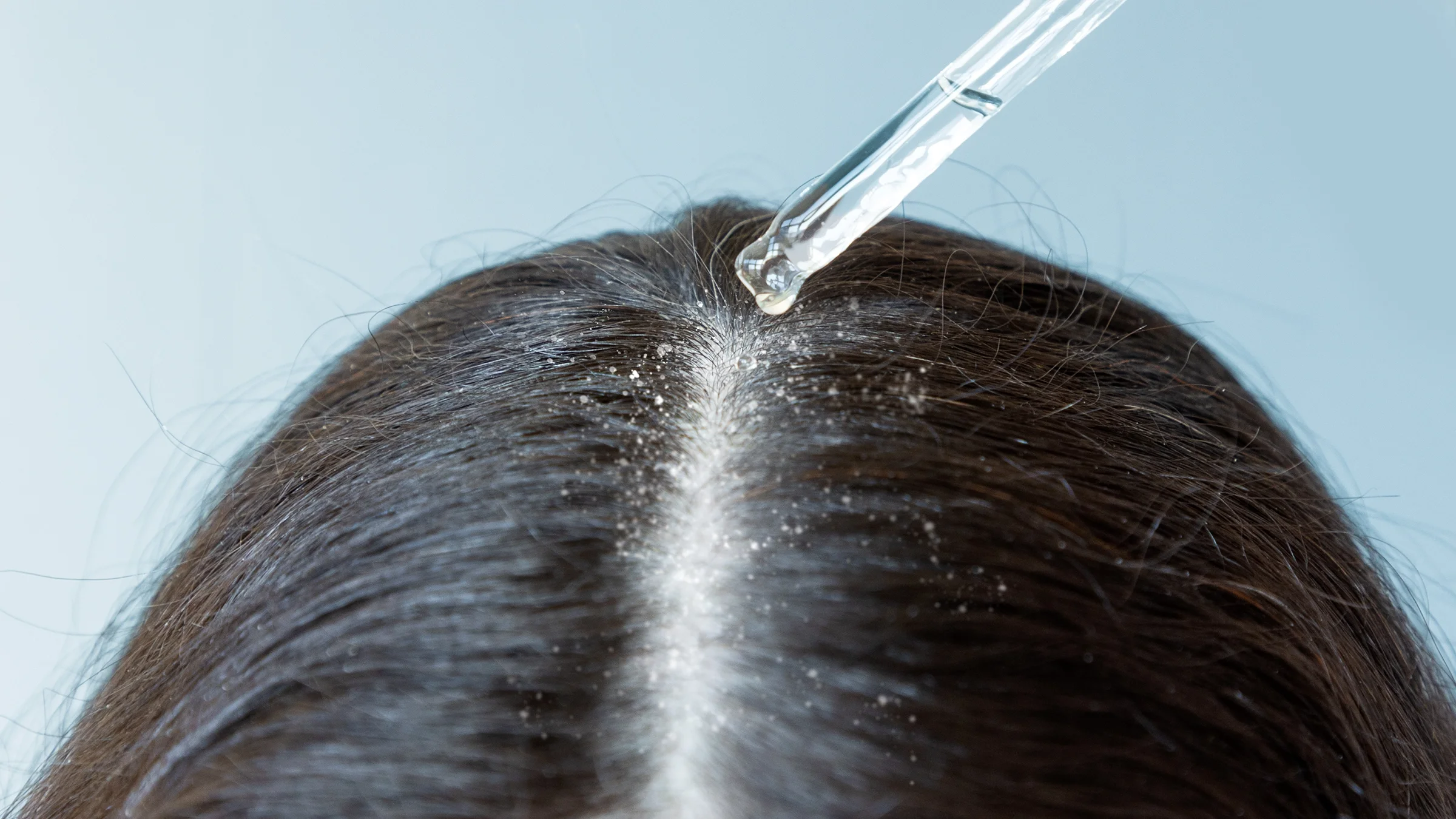
You might think of dandruff as a hair problem, but it actually affects the skin of the scalp. Dandruff is linked to an imbalance of microbes on the scalp, including an overgrowth of Malassezia yeast. Tea tree oil may help by acting against these microbes. In fact, a 2022 review identified tea tree oil as one of several plant-based ingredients that may control dandruff.
In one clinical trial, 126 people with mild-to-moderate dandruff used a shampoo containing 5% tea tree oil every day for four weeks. They had a 41% improvement in dandruff severity, compared with an 11% improvement in people who used the same shampoo without tea tree oil. The tea tree oil shampoo also helped reduce itching and greasiness.
Rosacea
Tea tree oil has also been studied for rosacea, particularly the type that causes red or brown inflamed, pimple-like bumps. People with rosacea often have higher numbers of Demodex mites, microscopic mites that live in facial hair follicles. Almost everyone has some Demodex on their skin, but having too many may contribute to inflammation.
In lab research, a 25% tea tree oil solution killed Demodex mites as quickly as 5% permethrin, an anti-parasitic medication that can be used to treat rosacea.
There’s also some limited evidence from research in humans. In one small study, a gel containing tea tree oil and permethrin reduced the number of mites and improved some rosacea symptoms. But because the gel contained both ingredients, researchers can't tell how much of the improvement came from tea tree oil itself. More research is needed to know whether tea tree oil alone can help treat rosacea.
Rashes and allergic skin reactions
Tea tree oil may also help reduce inflammation from certain allergic skin reactions. In one small study, researchers exposed participants' skin to nickel to trigger an allergic reaction, then applied tea tree oil to the affected area. The tea tree oil reduced the skin reaction by about 40%.
This doesn't mean tea tree oil can treat every type of rash or irritated skin. More research is needed to understand its benefits.
Because tea tree oil can itself cause skin irritation or allergic reactions, it’s best not to use it on an existing rash without medical guidance.
Wound healing
Early research suggests tea tree oil may help some wounds heal, particularly when infection is present. In one very small study of 10 people with infected wounds, adding tea tree oil to standard wound care appeared to shorten healing time.
Researchers think tea tree oil's antibacterial and anti-inflammatory effects could play a role. But with such limited research in humans, it’s too soon to know whether tea tree oil helps with wound healing.
How to use tea tree oil for skin
How you use tea tree oil depends on what you're treating and the type of product you choose.
You can buy pure tea tree oil and dilute it with a carrier oil, such as almond or jojoba oil. But in general, it's easier — and often gentler on your skin — to choose a product that's already formulated for topical use. Pure tea tree oil is more likely to cause irritation or an allergic reaction.
Tea tree oil is available in many types of skin products, including gels, creams, spot treatments, and shampoos. Follow the directions on the label, since concentrations and instructions can vary.
Here are some examples of how to use tea tree oil on skin, based on concentrations used in studies:
For acne: Studies have used products containing around 5% tea tree oil, including gels and other topical treatments. Avoid applying them near your eyes or on broken skin.
For athlete's foot: Studies have tested tea tree oil solutions ranging from about 25% to 50% tea tree oil. These are relatively high concentrations that may irritate skin, so don’t try to recreate them at home.
For dandruff: Research has looked at shampoo containing around 5% tea tree oil. Follow the label’s directions for how to apply it and how long to leave it on before rinsing.
For other skin concerns: Choose a product designed for the area you're treating. Facial skin can be especially sensitive, so start with a small amount and avoid your eyes and other sensitive areas.
Before using a new tea tree oil product, be sure to test it on a small area of skin. The American Academy of Dermatology Association recommends applying a new skin care product to a test spot twice daily for 7 to 10 days before using it more widely. Stop using the product if you develop redness, burning, itching, or other irritation.
Possible side effects of tea tree oil for skin
Because tea tree oil is a natural essential oil, many people assume that it's gentle on the skin. But it's actually quite potent on its own.
Here's what to know before using tea tree oil:
It can cause skin irritation. Tea tree oil can cause redness, itching, burning, or dryness, especially when it's used in higher concentrations or applied undiluted.
Some people have allergic reactions. Some people develop allergic contact dermatitis from tea tree oil, which can cause an itchy, red, brown, or swollen rash.
Older oil may be more irritating. Tea tree oil can change when it's exposed to air, light, and heat. These changes may make an allergic reaction more likely. Keep tea tree oil packaging tightly closed, and store it away from heat and sunlight. As a general rule, it’s best to replace essential oils within 3 years (or sooner, if the manufacturer recommends it). You should also replace it earlier than the 3-year mark if you notice changes in texture, color, or smell.
It's toxic, if swallowed. Tea tree oil is meant for external use only. Swallowing it can cause serious symptoms, including confusion, problems with coordination, and lung damage.
If tea tree oil causes irritation, stop using it and wash the area with soap and water.
Frequently asked questions
There's not enough evidence to show that tea tree oil can remove dark spots or fade hyperpigmentation. And because it can irritate the skin, using too much may trigger inflammation that makes discoloration worse, rather than better.
Keep tea tree oil away from your eyes, mucous membranes, and other sensitive areas. You should also avoid applying pure tea tree oil to broken or irritated skin, since it's more likely to sting or make symptoms worse.
How long it takes to see results from tea tree oil depends on what you're using it for. In studies, it generally took about 4 to 6 weeks to see improvements in acne, athlete's foot, and dandruff. Research looking at other uses, such as allergic skin reactions, showed improvement more quickly. If your symptoms aren't improving or are getting worse, it’s a good idea to check in with a dermatologist.
The bottom line
Tea tree oil isn't a cure-all, but it may help with a few common skin concerns — especially acne, athlete’s foot, and dandruff. Using the right concentration and formulation makes a difference, and a stronger concentration isn’t always better. Because tea tree oil can irritate the skin, it’s usually best to choose a product made for the specific area you’re treating. And be sure to test it on a small patch of skin first.

Why trust our experts?




References
American Academy of Dermatology Association. (2021). How to test skin care products at home.
American College of Healthcare Sciences. (n.d.). How to avoid the dangers of expired oils.
Bassett, I. B. (1990). A comparative study of tea-tree oil versus benzoyl peroxide in the treatment of acne. The Medical Journal of Australia.
Bekhof, A. M. W., et al. (2022). Safety assessment and adverse drug reaction reporting of tea tree oil (Melaleuca aetheroleum). Phytotherapy Research.
Chin, K. B., et al. (2013). The effect of tea tree oil (Melaleuca alternifolia) on wound healing using a dressing model. Journal of Integrative and Complementary Medicine.
de Groot, A. C., et al. (2016). Tea tree oil: Contact allergy and chemical composition. Contact Dermatitis.
Ebneyamin, E., et al. (2019). The efficacy and safety of permethrin 2.5% with tea tree oil gel on rosacea treatment: A double-blind, controlled clinical trial. Journal of Cosmetic Dermatology.
Enshaieh, S., et al. (2007). The efficacy of 5% topical tea tree oil gel in mild to moderate acne vulgaris: A randomized, double-blind placebo-controlled study. Indian Journal of Dermatology, Venereology and Leprology.
Li, W., et al. (2016). The dynamics and mechanism of the antimicrobial activity of tea tree oil against bacteria and fungi. Applied Microbiology and Biotechnology.
Satchell, A. C., et al. (2002). Treatment of dandruff with 5% tea tree oil shampoo. Journal of the American Academy of Dermatology.
Satchell, A. C., et al. (2002). Treatment of interdigital tinea pedis with 25% and 50% tea tree oil solution: A randomized, placebo-controlled, blinded study. Australasian Journal of Dermatology.
Tong, M. M., et al. (1992). Tea tree oil in the treatment of tinea pedis. Australasian Journal of Dermatology.
Wallengren, J. (2010). Tea tree oil attenuates experimental contact dermatitis. Archives of Dermatological Research.
Wei, F., et al. (2023). Evidence for the clinical association between Demodex and rosacea: A review. Dermatology.
Ye, Y., et al. (2026). Efficacy and safety of Melaleuca alternifolia (tea tree) oil for acne — A systematic review and meta‐analysis. Phytotherapy Research.
Yurekli, A., et al. (2022). The comparative in vitro killing activity of tea tree oil versus permethrin on Demodex folliculorum of rosacea patients. Journal of Cosmetic Dermatology.