





MedlinePlus. (2023). Dehydration.
MedlinePlus. (2026). Vitamin B12 level.
You and Your Hormones. (2021). Insulin.
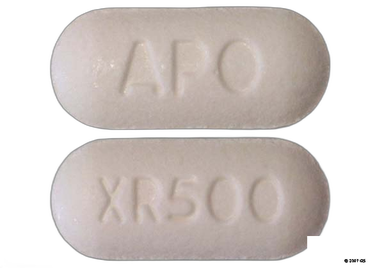
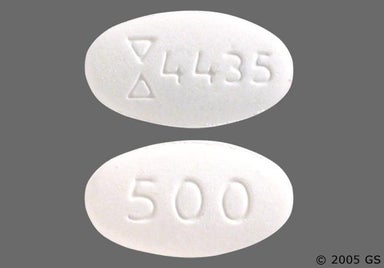
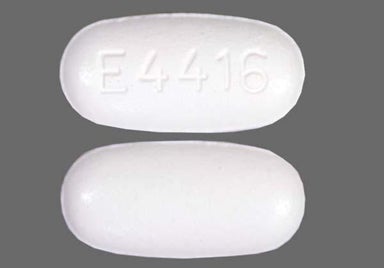
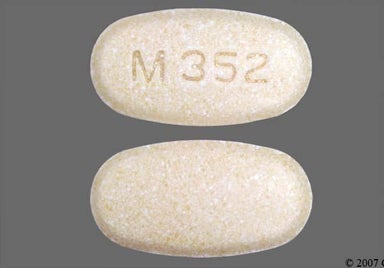
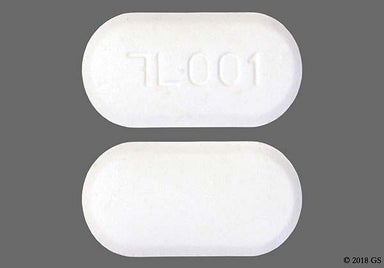
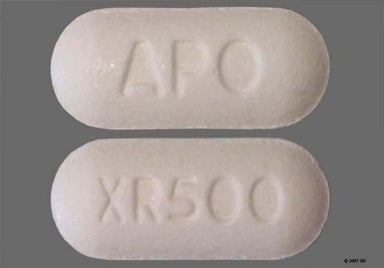
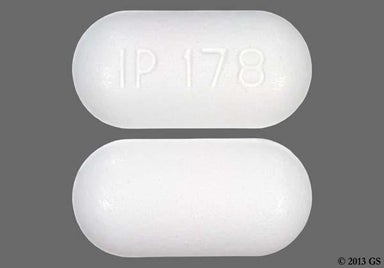
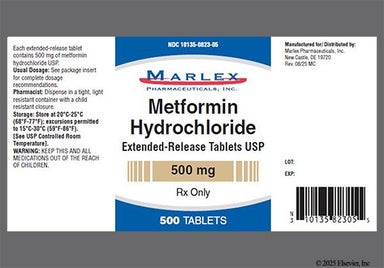
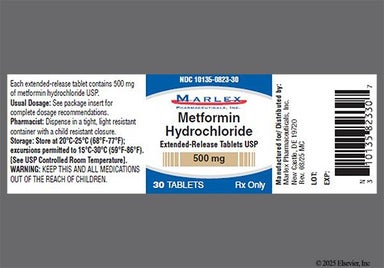
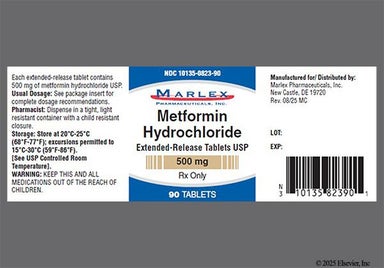
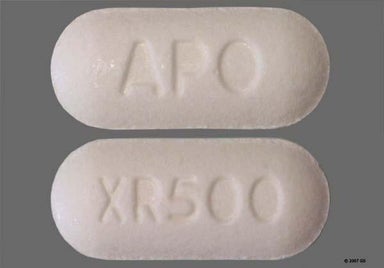
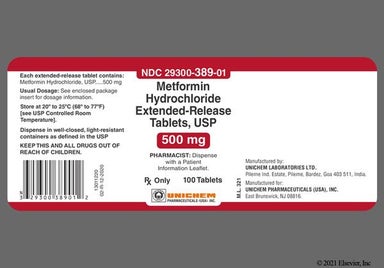
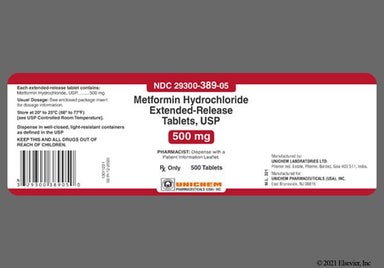
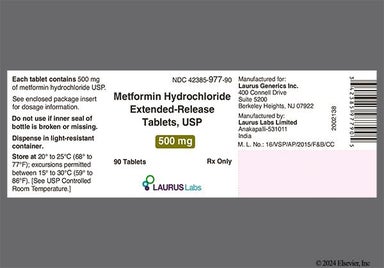
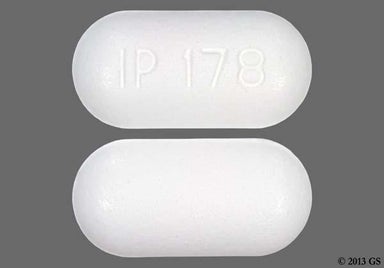
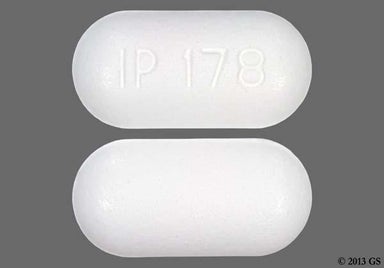
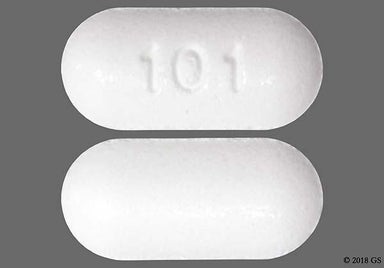
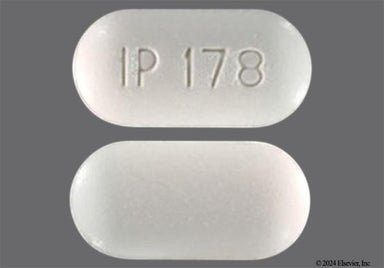
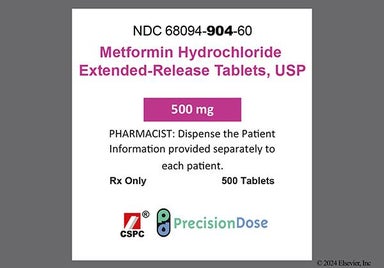
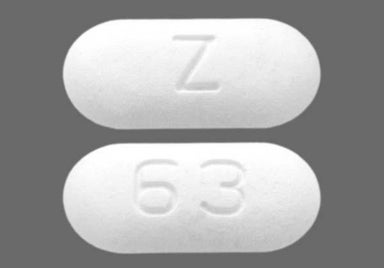
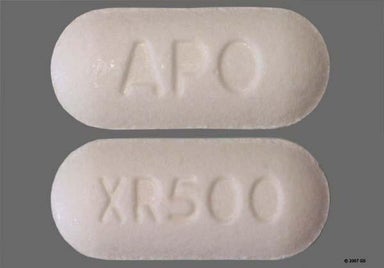
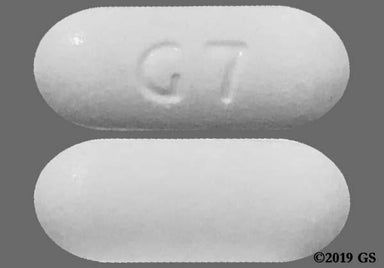
Metformin extended-release (ER) is a type of diabetes medication. It treats Type 2 diabetes in adults when used along with a balanced diet and regular exercise. The medication works as a biguanide to help lower blood sugar. The usual dosage for metformin ER is taken by mouth once daily with your evening meal. This helps minimize some side effects, such as diarrhea and nausea. The brand name Glucophage XR is no longer available, but generic versions of metformin ER are still on the market.

Metformin ER is a biguanide that works in a few ways to lower your blood sugar.
It lowers the amount of sugar your liver makes.
It also lowers the amount of sugar that's absorbed through your gut from food you eat.
It also helps your body respond better to insulin. This helps your cells take up sugar from the blood and use it as energy better.
| Common Brands | Glucophage XR |
|---|---|
| Drug Class | Biguanide |
| Controlled Substance Classification | Not a controlled medication |
| Generic Status | Lower-cost generic available |
| Availability | Prescription only |

The following side effects may get better over time as your body gets used to the medication. Let your healthcare provider know immediately if you continue to experience these symptoms or if they worsen over time.
Contact your healthcare provider immediately if you experience any of the following.
Side effects that you should report to your care team as soon as possible:
Side effects that usually do not require medical attention (report these to your care team if they continue or are bothersome):




Metformin ER can cause some serious health issues. This risk may be even higher for certain groups. If this worries you, talk to your doctor or pharmacist about other options.
 In rare cases, metformin ER can cause a serious medical condition called lactic acidosis. This happens when too much lactic acid builds up in your blood. If left untreated or if severe, it can lead to other health problems, like low blood pressure, fast heart rate, or serious organ failure. This can be life-threatening. Talk to your prescriber about your medical history and planned procedures so they can check your risk.
Watch for early signs of lactic acidosis. These include feeling unwell, feeling tired or weak, muscle pain, fast breathing, sleepiness, or confusion. Get emergency medical help if you suddenly have these symptoms.
Metformin ER can sometimes lower your vitamin B12 levels. Low vitamin B12 levels can lead to anemia.
Your prescriber might check your blood count every year while you're taking metformin ER. They also might check your vitamin B12 levels every 2 to 3 years. If your vitamin B12 is low, they might recommend a vitamin B12 supplement or make changes to your medication. This can help your vitamin B12 levels return to normal.
Tell your prescriber if you feel unusually tired or weak, have pale skin, or notice numbness or tingling in your hands or feet. These can be signs of low vitamin B12.
Taking metformin ER with insulin or sulfonylureas, like glipizide, can put you at risk of low blood sugar. Very low blood sugar can be dangerous and even life-threatening.
Be sure you can recognize symptoms of low blood sugar. This can include feeling shaky, anxious, confused, sleepy, weak, or very hungry. You might also have a fast heartbeat, be sweaty, or have chills.
If you have these symptoms, check your blood sugar and treat any low blood sugar right away. Talk to your prescriber or pharmacist about your risk for low blood sugar.

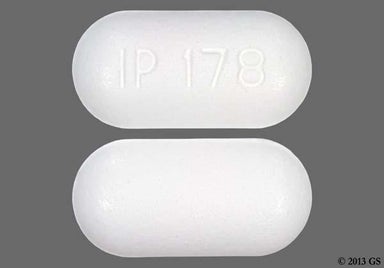
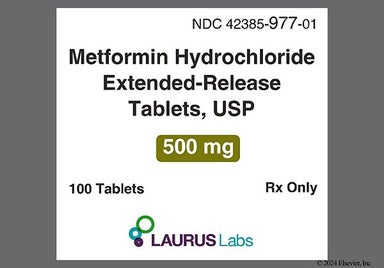
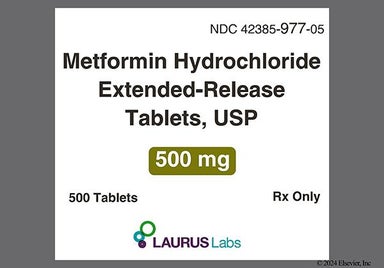
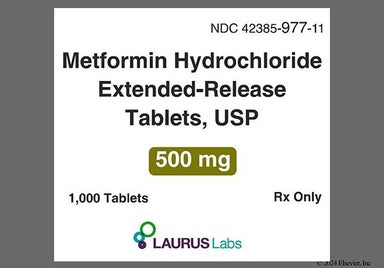
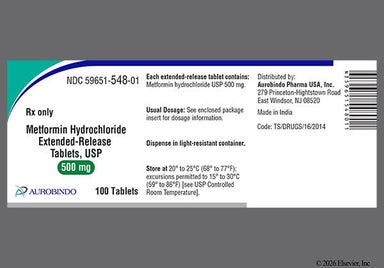
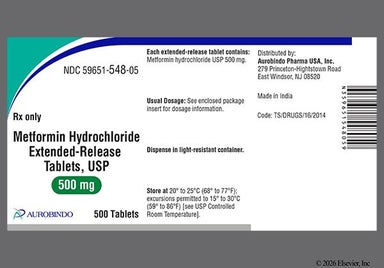
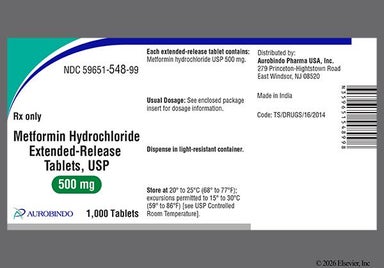
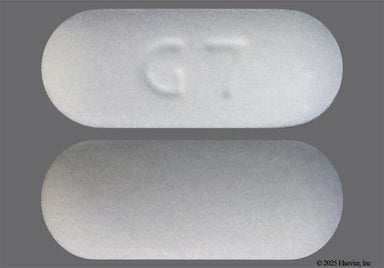
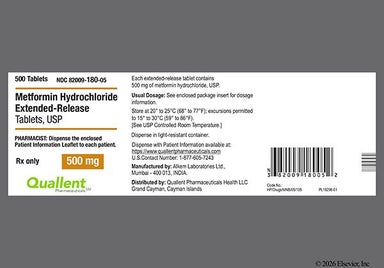
 Tablet
| Dosage | Quantity | Price as low as | Price per unit |
|---|---|---|---|
| 750mg | 180 tablets | $25.03 | $0.14 |
| 500mg | 90 tablets | $14.90 | $0.17 |
The typical starting dose is 500 mg by mouth once daily with the evening meal. If needed, your prescriber might raise your dose every week to get to the dose that works best for you. The maximum dose is 2,000 mg once daily.


Contraindications are specific health conditions or situations in which a person should not take a medication due to safety concerns. If you have any of the following conditions or if any of the following apply to you, let your healthcare provider know because Metformin ER will not be safe for you to take.












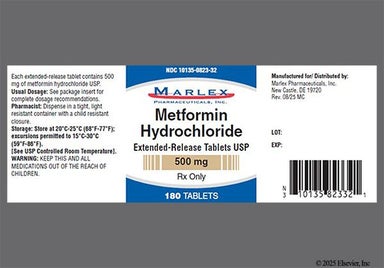
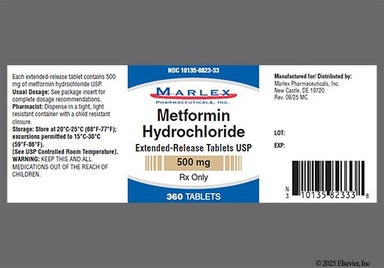
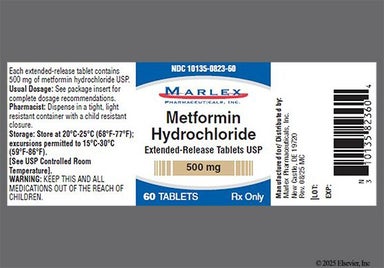
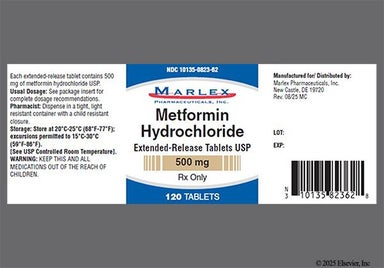
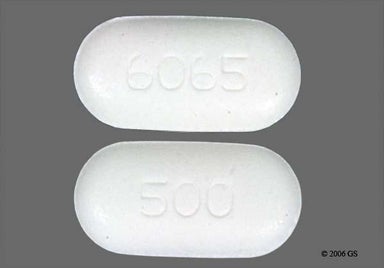
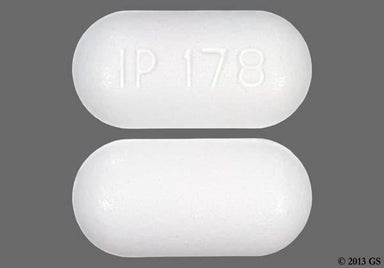
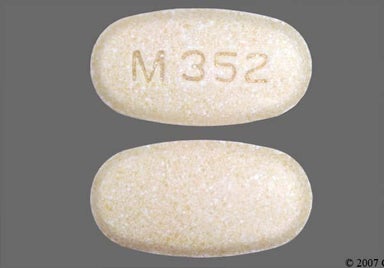
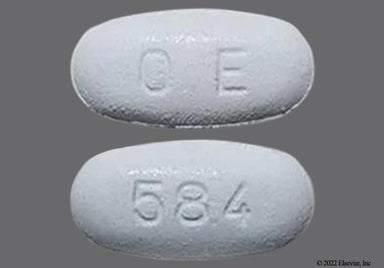
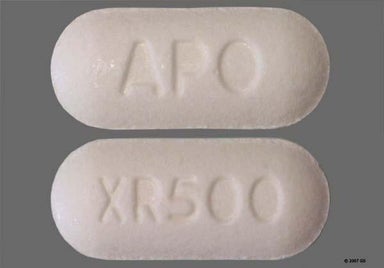
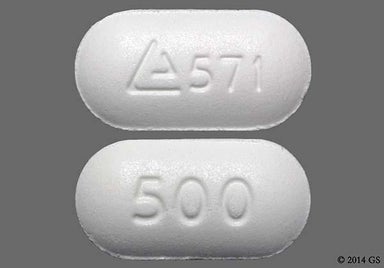
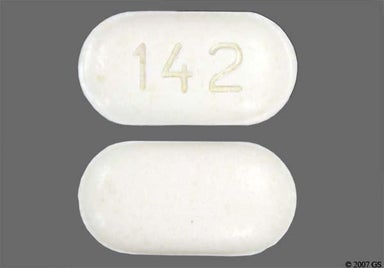
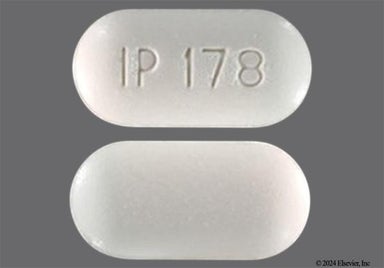
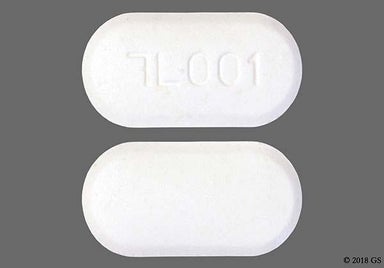
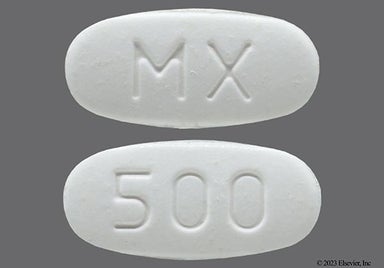

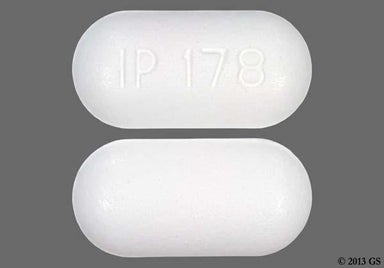
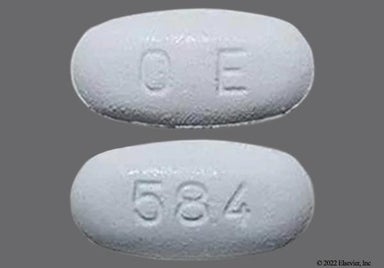
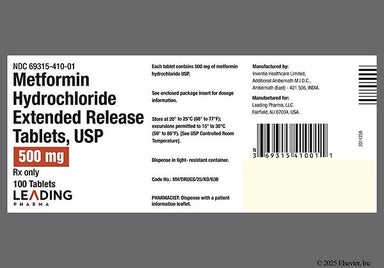
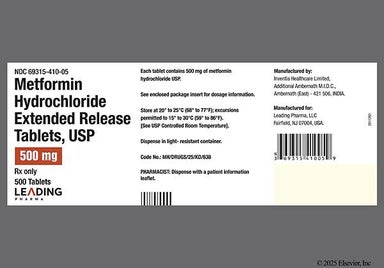
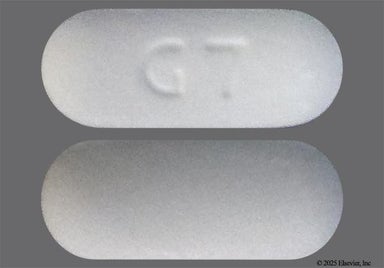
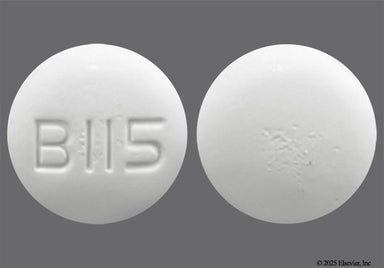
Prescription savings
Stop paying too much for your prescriptions. Compare prices, get pharmacy coupons, and save up to 80%. Find expert answers to your health questions so you can make the best decisions for yourself and your family.
Health conditions
Medications & treatment
Access & affordability
Medication discounts


You might notice your blood sugar start to improve within the first week of taking metformin ER. But it can take up to a couple of months to get the full benefit. Keep track of your blood sugar readings so your care team can see how well the medication is working for you.
It's possible to lose a small amount of weight while taking metformin ER. Studies suggest that people might lose about 4 lbs to 5 lbs on average. But weight loss can vary from person to person. Note that metformin ER isn't approved as a weight-loss medication.
No, metformin ER isn't FDA approved for weight loss. It's approved to treat Type 2 diabetes. Some people might lose a small amount of weight while taking it. But weight loss isn't its main use. If you want to lose weight, talk to your care team about options that might be right for you.
After you stop taking metformin ER, it takes about 4 days for most of the medication to leave your body. This is an estimate based on the its half-life, or how long it takes the body to clear half of the medication. The exact amount of time can vary from person to person, especially based on how well your kidneys are working. Ask your prescriber if you have questions about how long metformin ER stays in your system.
It's recommended to take metformin ER in the evening, with your last meal of the day. Taking it with food can help reduce some side effects, like diarrhea and nausea.
No. You shouldn't cut or crush metformin ER tablets. This can damage the tablet and affect how the medication gets released into your body. This could cause too much medication to be released at once and raise your risk of side effects. Swallow metformin ER tablets whole. If you have trouble swallowing them, talk to your prescriber about your options.
Metformin and metformin ER both treat Type 2 diabetes and contain the same active ingredient. The main difference is how they're released into your body. Metformin ER is releases the medication more slowly, so it's usually taken once a day. Regular metformin releases the medication faster and is often taken one to three times a day. Metformin ER might also cause less diarrhea and nausea than regular metformin. Talk to your prescriber to compare in detail and help figure out which version is best for you.
When you switch from regular metformin to metformin ER, your prescriber will usually start you at the same total daily dose. But with metformin ER, you'll usually take your dose once a day. That's different from having to take regular metformin several times a day. You might also have fewer stomach-related side effects, like diarrhea or nausea. If you're interested in switching, talk to your prescriber if it's an option for you.
