


7 Statin Alternatives You Can Take to Help Lower Your Cholesterol
Statins may not be safe and effective for all people with high cholesterol. Some statin alternatives, like fibrates, may be able to help. Review your options here.
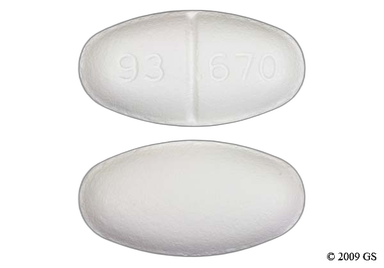
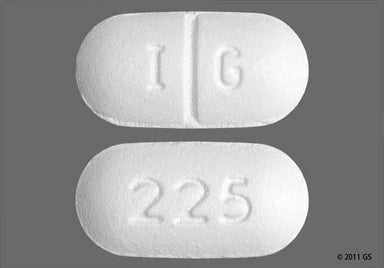
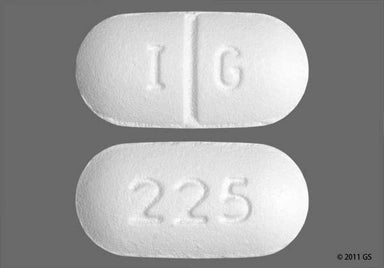
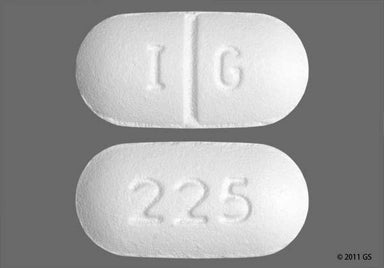
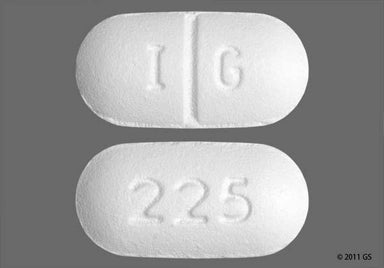
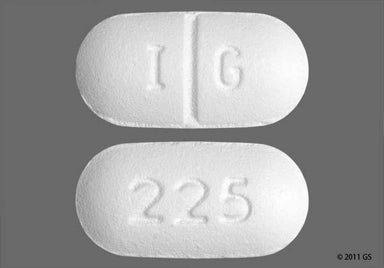
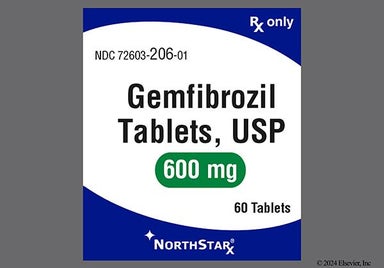
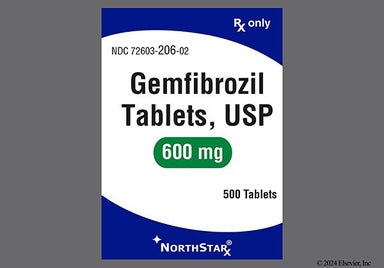
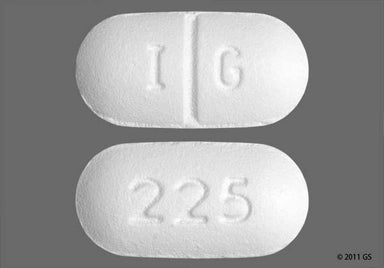
Gemfibrozil (Lopid) is used as an add-on medication to diet to lower triglycerides (fats) and "bad" cholesterol (LDL). At the same time, this medication can help raise "good" cholesterol (HDL). The usual dosage is one tablet taken by mouth twice a day before meals. Common side effects of gemfibrozil (Lopid) include indigestion, stomach pain, and diarrhea. It has many interactions with other medications, including cholesterol-lowering medications called statins.

As an add-on to diet for
Gemfibrozil (Lopid) is a fibrate. It works by helping to break down fats in your body. It also lowers the production of certain fats in your liver. This leads to the lowering of triglycerides (fats) and "bad" cholesterol (LDL) while raising "good" cholesterol (HDL) in the body.
| Common Brands | Lopid |
|---|---|
| Drug Class | Fibrate |
| Controlled Substance Classification | Not a controlled medication |
| Generic Status | Lower-cost generic available |
| Availability | Prescription only |

The following side effects may get better over time as your body gets used to the medication. Let your healthcare provider know immediately if you continue to experience these symptoms or if they worsen over time.
Along with its needed effects, a medicine may cause some unwanted effects. Although not all of these side effects may occur, if they do occur they may need medical attention.
Check with your doctor immediately if any of the following side effects occur:
More common
Bladder pain
bloody or cloudy urine
cough or hoarseness
difficult, burning, or painful urination
fever or chills
frequent urge to urinate
lower back or side pain
Incidence not known
Black, tarry stools
dark-colored urine
indigestion
large, hive-like swelling on the face, eyelids, lips, tongue, throat, hands, legs, feet, or sex organs
muscle cramps or spasms
muscle pain or stiffness
muscular pain, tenderness, wasting, or weakness
pale skin
severe nausea or vomiting
shortness of breath
sores, ulcers, or white spots on the lips or in the mouth
stomach pain
swollen glands
troubled breathing with exertion
unusual bleeding or bruising
unusual tiredness or weakness
Some side effects may occur that usually do not need medical attention. These side effects may go away during treatment as your body adjusts to the medicine. Also, your health care professional may be able to tell you about ways to prevent or reduce some of these side effects. Check with your health care professional if any of the following side effects continue or are bothersome or if you have any questions about them:
More common
Acid or sour stomach
bad, unusual, or unpleasant (after) taste
belching
burning, crawling, itching, numbness, prickling, "pins and needles", or tingling feelings
change in taste
stomach discomfort or upset
Less common
Difficulty having a bowel movement (stool)
dizziness or lightheadedness
feeling of constant movement of self or surroundings
headache
sensation of spinning
skin rash, encrusted, scaly and oozing
vomiting
Other side effects not listed may also occur in some patients. If you notice any other effects, check with your healthcare professional.
Call your doctor for medical advice about side effects. You may report side effects to the FDA at 1-800-FDA-1088.




Gemfibrozil (Lopid) can cause some serious health issues. This risk may be even higher for certain groups. If this worries you, talk to your doctor or pharmacist about other options.
Gemfibrozil (Lopid) can cause gallstones. Let your provider know right away if you experience stomach, back, or shoulder pain, nausea, vomiting, or yellowing of your eyes or skin. You shouldn't use gemfibrozil (Lopid) if you've had gallbladder problems before.
Gemfibrozil (Lopid) can interact with other medications. These interactions can be dangerous. If you're taking the blood thinner medication warfarin (Coumadin), let your provider or pharmacist know that you're also taking gemfibrozil (Lopid). Make sure to get your blood checks regularly. This is because gemfibrozil (Lopid) might raise the risk of bleeding in people taking warfarin (Coumadin).
Don't take gemfibrozil (Lopid) together with simvastatin (Zocor) since this combination can cause serious muscle damage and kidney failure. Your provider will switch you to a different statin if needed.
Always check with your provider or pharmacist before starting a new medication, vitamin, or supplement while you're taking gemfibrozil (Lopid).
Gemfibrozil (Lopid) might cause muscle damage. If severe enough, this can lead to kidney damage or even kidney failure. The risk is higher if you're also taking a statin medication. Talk to your provider if you develop sudden muscle pain, weakness, or dark-colored urine during treatment.

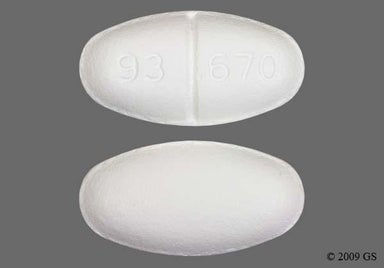
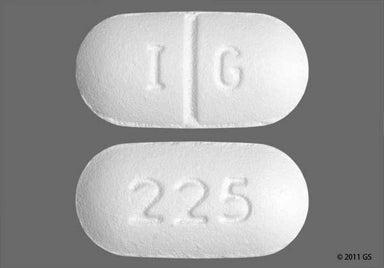
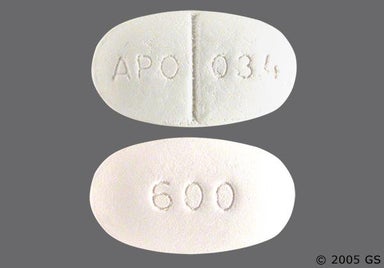
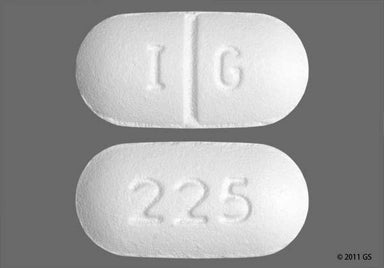
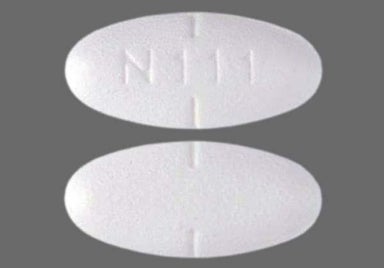
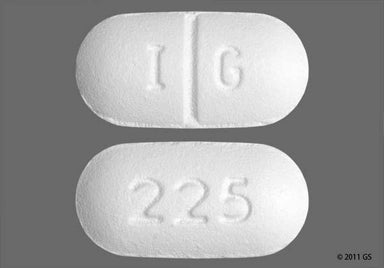
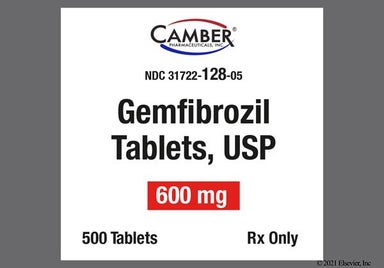
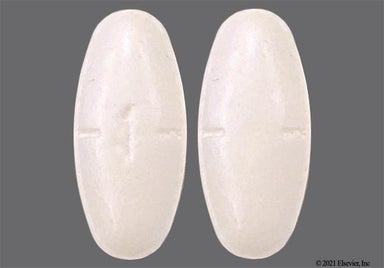
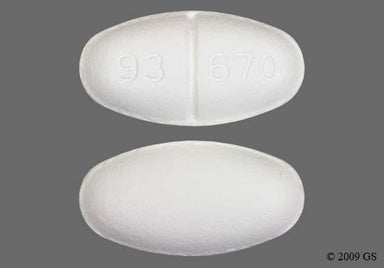
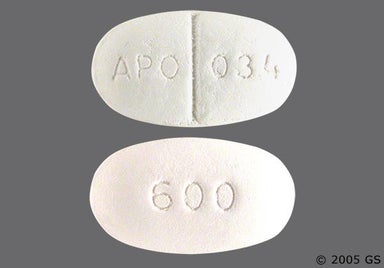
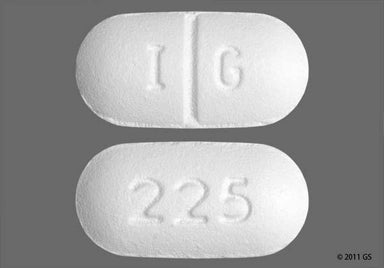
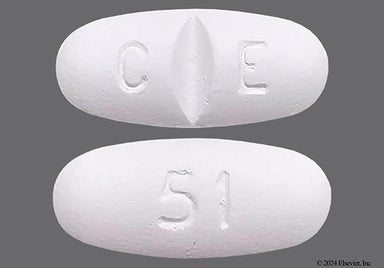
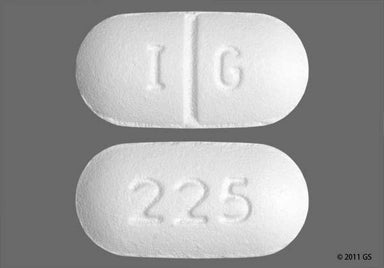
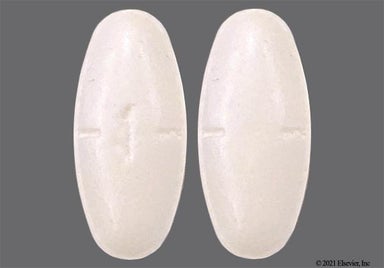
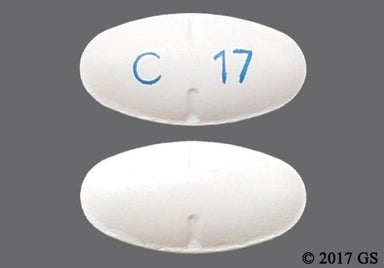
 Tablet
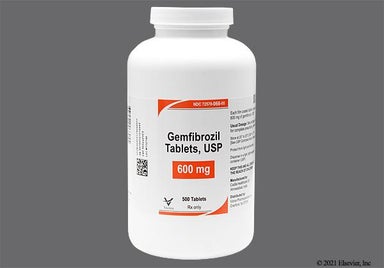
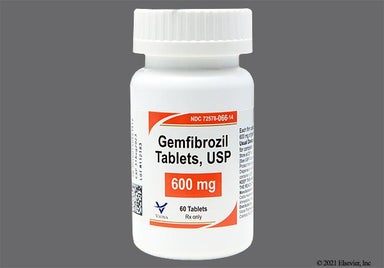
| Dosage | Quantity | Price as low as | Price per unit |
|---|---|---|---|
| 600mg | 180 tablets | $24.00 | $0.13 |
The typical dose is 600 mg by mouth twice daily, 30 minutes before breakfast and dinner.

Although certain medicines should not be used together at all, in other cases two different medicines may be used together even if an interaction might occur. In these cases, your doctor may want to change the dose, or other precautions may be necessary. When you are taking this medicine, it is especially important that your healthcare professional know if you are taking any of the medicines listed below. The following interactions have been selected on the basis of their potential significance and are not necessarily all-inclusive.
Using this medicine with any of the following medicines is not recommended. Your doctor may decide not to treat you with this medication or change some of the other medicines you take.
Using this medicine with any of the following medicines is usually not recommended, but may be required in some cases. If both medicines are prescribed together, your doctor may change the dose or how often you use one or both of the medicines.
Using this medicine with any of the following medicines may cause an increased risk of certain side effects, but using both drugs may be the best treatment for you. If both medicines are prescribed together, your doctor may change the dose or how often you use one or both of the medicines.


Contraindications are specific health conditions or situations in which a person should not take a medication due to safety concerns. If you have any of the following conditions or if any of the following apply to you, let your healthcare provider know because Gemfibrozil (Lopid) will not be safe for you to take.



Prescription savings
Stop paying too much for your prescriptions. Compare prices, get pharmacy coupons, and save up to 80%. Find expert answers to your health questions so you can make the best decisions for yourself and your family.
Health conditions
Medications & treatment
Access & affordability
Medication discounts


No. Gemfibrozil is a fibrate, which is a class of medications that help with cholesterol problems, especially high triglycerides. Statins also help with cholesterol problems, but they work differently than Gemfibrozil.
Your body absorbs the most amount of Gemfibrozil if you take it 30 minutes before a meal. If you take Gemfibrozil after eating food, less medication gets absorbed into your body, which might affect how well it works for you.
Problems getting or keeping an erection have been reported by men who've taken Gemfibrozil. While it seems to be rare, let your provider know if you notice any changes in your ability to get or maintain an erection during treatment.
Weight gain isn't a known side effect of Gemfibrozil. Some people have reported weight loss while taking Gemfibrozil, though it's not known if this is an effect of the medication. Remember that it's best to maintain a healthy diet and lifestyle in order to lose weight and to get the most benefit from taking Gemfibrozil.
Yes. Taking Gemfibrozil together with a statin raises your risk of muscle pain or muscle weakness and a condition called rhabdomyolysis (muscle breakdown). If severe enough, these muscle problems can lead to kidney damage. Because of this risk, it's not recommended to take Gemfibrozil with simvastatin (Zocor), and you should avoid taking it with other statins too. If your provider recommends a statin for you while you're taking Gemfibrozil, they'll probably lower your statin dose to prevent these problems.
It's best not to drink alcohol if you're taking Gemfibrozil. Drinking alcohol can raise your triglyceride and "bad" cholesterol (LDL) levels. It's important to maintain a healthy diet and lifestyle to get the most benefit from Gemfibrozil. This includes limiting the amount of alcohol you drink, or better yet, avoiding alcohol altogether.
Both Gemfibrozil and fenofibrate (Tricor, Trilipix) are used in addition to diet to lower fat in the blood. However, fenofibrate is preferred over Gemfibrozil if you're already taking a statin medication and need additional treatment. This is because there's a lower risk of muscle problems when statins are taken with fenofibrate than with Gemfibrozil. Fenofibrate (Tricor, Trilipix) is available as tablets and capsules, and it's only taken once a day. This is compared to Gemfibrozil, which is only available as a tablet and taken twice a day. There are some other similarities and differences between the two medications that you can learn more about.
