



Which Diabetes Medications Can Cause Weight Loss or Gain?
Many diabetes drugs cause weight changes. But which drugs cause weight loss, and which cause weight gain? Here’s how metformin, Ozempic, and other meds affect your weight.
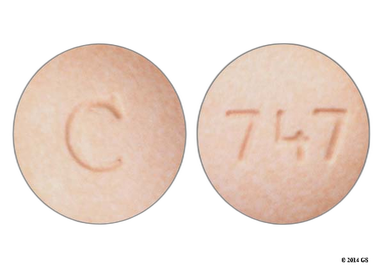
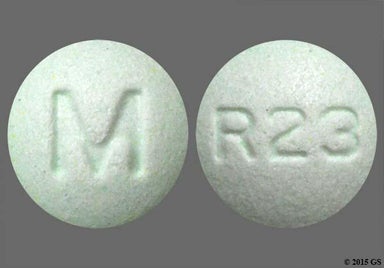
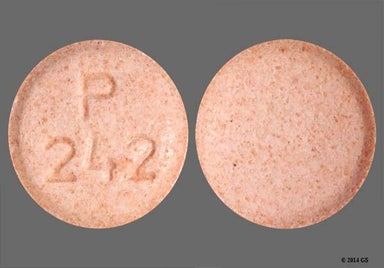
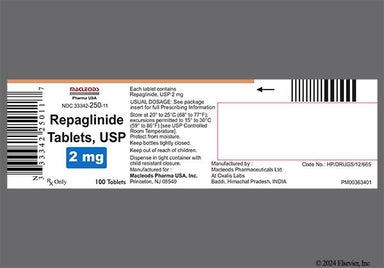
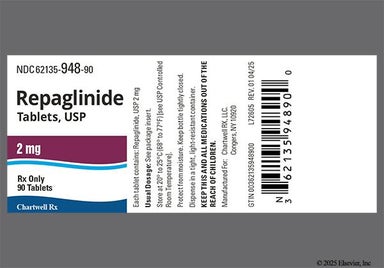
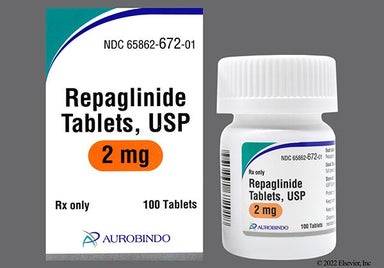
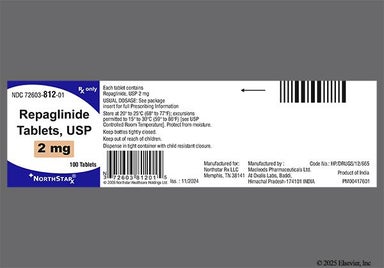
Repaglinide is an oral tablet taken in addition to diet and exercise to control blood sugar in adults with Type 2 diabetes. It belongs to the drug class called meglitinide, and works similar to sulfonylureas. The usual dosing is to take 0.5 mg to 4 mg by mouth before each meal. Potential warnings and side effects include low blood sugar, headache, and diarrhea. The brand name Prandin has been discontinued, but this medication is still available as a generic.

Repaglinide is a meglitinide. It works by causing the pancreas to release more insulin, a hormone that helps your body use sugar as energy. This insulin release helps lower the amount of sugar in your blood.
| Common Brands | Prandin |
|---|---|
| Drug Class | Glinide |
| Controlled Substance Classification | Not a controlled medication |
| Generic Status | Lower-cost generic available |
| Availability | Prescription only |

The following side effects may get better over time as your body gets used to the medication. Let your healthcare provider know immediately if you continue to experience these symptoms or if they worsen over time.
Contact your healthcare provider immediately if you experience any of the following.
Along with its needed effects, a medicine may cause some unwanted effects. Although not all of these side effects may occur, if they do occur they may need medical attention.
Check with your doctor immediately if any of the following side effects occur:
More common
blurred vision
chills
cold sweats
coma
confusion
cool, pale skin
dizziness
fast heartbeat
headache
increased hunger
nightmares
seizures
shakiness
slurred speech
unusual tiredness or weakness
Less common
Bladder pain
bloody or cloudy urine
difficult, burning, or painful urination
frequent urge to urinate
lower back or side pain
Incidence not known
Back, leg, or stomach pains
bleeding gums
blistering, peeling, or loosening of the skin
clay-colored stools
darkened urine
difficulty with breathing
general body swelling
general tiredness and weakness
indigestion
itching or rash
joint or muscle pain
light-colored stools
loss of appetite
nosebleeds
pains in the side, or abdomen, possibly radiating to the back
pale skin
red skin lesions, often with a purple center
red, irritated eyes
sores, ulcers, or white spots in the mouth or on the lips
unpleasant breath odor
upper right abdominal or stomach pain
vomiting
vomiting of blood
yellow eyes or skin
Some side effects may occur that usually do not need medical attention. These side effects may go away during treatment as your body adjusts to the medicine. Also, your health care professional may be able to tell you about ways to prevent or reduce some of these side effects. Check with your health care professional if any of the following side effects continue or are bothersome or if you have any questions about them:
More common
Body aches or pain
difficulty with moving
ear congestion
loss of voice
muscle stiffness
pain in the joints
pain or tenderness around the eyes and cheekbones
stuffy or runny nose
tightness of the chest
Less common
Acid or sour stomach
belching
burning, crawling, itching, numbness, prickling, "pins and needles", or tingling feelings
cough producing mucus
indigestion
Incidence not known
Hair loss or thinning of the hair
Other side effects not listed may also occur in some patients. If you notice any other effects, check with your healthcare professional.
Call your doctor for medical advice about side effects. You may report side effects to the FDA at 1-800-FDA-1088.




Repaglinide can cause some serious health issues. This risk may be even higher for certain groups. If this worries you, talk to your doctor or pharmacist about other options.
Repaglinide can cause low blood sugar, which can sometimes be life-threatening. Some signs of low blood sugar include dizziness, headache, feeling sleepy or weak, shaking, fast heartbeat, confusion, or sweating. Make sure you and your loved ones know how to treat low blood sugar and when they need to call 911. You might need to check your blood sugar more often to make sure it doesn't drop too much while taking this medication. Always keep emergency fast-acting sugars with you at all times, in case you need to bring your blood sugar back up to a safer range.
Repaglinide shouldn't be used in combination with NPH-insulin because this can raise your risk of heart damage. Be sure to tell your prescriber if you're currently using NPH-insulin.


Although certain medicines should not be used together at all, in other cases two different medicines may be used together even if an interaction might occur. In these cases, your doctor may want to change the dose, or other precautions may be necessary. When you are taking this medicine, it is especially important that your healthcare professional know if you are taking any of the medicines listed below. The following interactions have been selected on the basis of their potential significance and are not necessarily all-inclusive.
Using this medicine with any of the following medicines is not recommended. Your doctor may decide not to treat you with this medication or change some of the other medicines you take.
Using this medicine with any of the following medicines is usually not recommended, but may be required in some cases. If both medicines are prescribed together, your doctor may change the dose or how often you use one or both of the medicines.
Using this medicine with any of the following medicines may cause an increased risk of certain side effects, but using both drugs may be the best treatment for you. If both medicines are prescribed together, your doctor may change the dose or how often you use one or both of the medicines.


Contraindications are specific health conditions or situations in which a person should not take a medication due to safety concerns. If you have any of the following conditions or if any of the following apply to you, let your healthcare provider know because Repaglinide will not be safe for you to take.





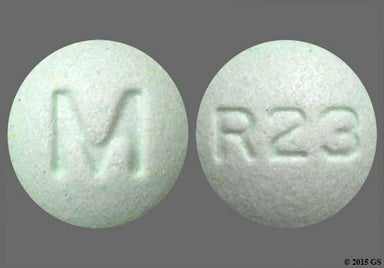
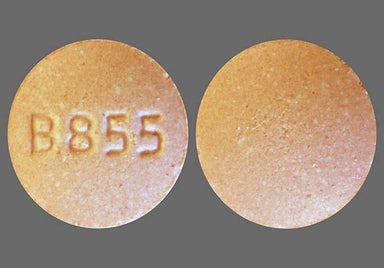
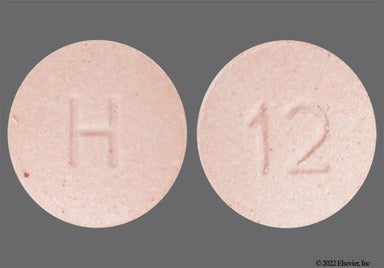
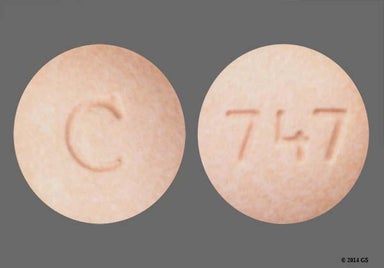
Prescription savings
Stop paying too much for your prescriptions. Compare prices, get pharmacy coupons, and save up to 80%. Find expert answers to your health questions so you can make the best decisions for yourself and your family.
Health conditions
Medications & treatment
Access & affordability
Medication discounts


No. Repaglinide belongs to a group of medications called meglitinides, or glinides. But it works similarly to sulfonylureas since both groups of medications stimulate the pancreas to release insulin to help lower blood sugar levels.
Taking Repaglinide and glimepiride (Amaryl) together is usually not recommended, as both work similarly and can raise the risk of low blood sugar. Your healthcare professional can work with you to come up with a safe treatment plan for your diabetes.
Repaglinide works quickly, within 30 to 60 minutes after you take a dose. That's why it should be taken within 30 minutes before meals.
You should take Repaglinide within 30 minutes before each meal. If you skip a meal, you should also skip your dose of Repaglinide to prevent your blood sugar dropping too low.
Yes. Hypoglycemia, or low blood sugar, is the most common side effect of Repaglinide. This is because it causes your pancreas to release insulin, which removes sugar from your blood. Make sure you know the signs and symptoms of low blood sugar and carry fast-acting sugar with you at all times. Your risk of low blood sugar is higher if you miss meals, so try to stick to a consistent meal schedule.
Yes, weight gain is a possible side effect of Repaglinide. People taking this medication have gained about 2 kg (4.4 lbs) in 16 weeks. If weight gain is concerning for you, talk to your prescriber about ways to maintain a healthy weight.
Based on the half-life of Repaglinide, most of the medication leaves your system within 4 to 5 hours. It could take longer if you have liver problems or if you're taking medications that interact with Repaglinide.
No. Repaglinide isn't an insulin. But it helps your pancreas release more insulin to help lower your blood sugar.
