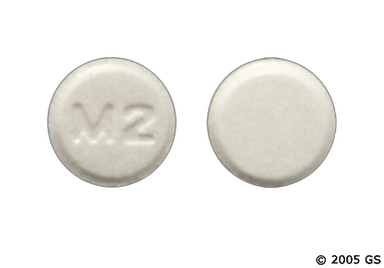
furosemide
Furosemide (Lasix) is a loop diuretic, a type of water pill. Furosemide (Lasix) is used to relieve swelling from extra fluids in children and adults. This medication can also lower blood pressure, though it's not a first-choice option for this condition. Furosemide (Lasix) comes as a tablet that's taken by mouth, typically once or twice daily. It's also available as an oral solution for people who've trouble swallowing tablets. Furosemide (Lasix) will cause you to urinate more often as a side effect, so it's best to not take this medication too close to bedtime.


What is Furosemide (Lasix)?
What is Furosemide (Lasix) used for?
- Swelling (edema) due to heart failure, liver problems, or kidney problems
- High blood pressure
How Furosemide (Lasix) works
Furosemide (Lasix) is a loop diuretic (water pill) that makes you urinate more. It works in the kidneys to get rid of extra water and electrolytes (like sodium and potassium), which helps ease swelling and lowers blood pressure.
Drug facts
More on Furosemide (Lasix) essentials


Side effects of Furosemide (Lasix)
The following side effects may get better over time as your body gets used to the medication. Let your healthcare provider know immediately if you continue to experience these symptoms or if they worsen over time.
Common Side Effects
- Urinating more often
- Dizziness
- Headache
- Feeling off balance when you get up suddenly
- Skin sensitive to the sun
Less Common Side Effects
- Vomiting
- Nausea
- Constipation or diarrhea
- Stomach cramps
- Rash
- Ringing in the ears
Furosemide (Lasix) serious side effects
Contact your healthcare provider immediately if you experience any of the following.
- Severe dehydration and electrolyte imbalance: dry mouth, extreme thirst, weakness, low energy, drowsiness, muscle pain or cramps, fast heart beat, nausea, vomiting, not making urine
- Serious skin reaction: painful blisters, peeling skin, rash
- Severe allergic reaction: feeling lightheaded, dizziness, trouble breathing, throat closing up, swollen face, hives, nausea, vomiting, itching
More on Furosemide (Lasix) side effects

The following Furosemide (Lasix) side effects have also been reported
Side effects that you should report to your care team as soon as possible:
- Allergic reactions—skin rash, itching, hives, swelling of the face, lips, tongue, or throat
- Dehydration—increased thirst, dry mouth, feeling faint or lightheaded, headache, dark yellow or brown urine
- Hearing loss, ringing in ears
- High blood sugar (hyperglycemia)—increased thirst or amount of urine, unusual weakness or fatigue, blurry vision
- Low blood pressure—dizziness, feeling faint or lightheaded, blurry vision
- Low potassium level—muscle pain or cramps, unusual weakness or fatigue, fast or irregular heartbeat, constipation
Side effects that usually do not require medical attention (report to your care team if they continue or are bothersome):
- Burning or tingling sensation in hands or feet
- Constipation
- Diarrhea
- Dizziness
- Headache

Get your GoodRx coupon

Pros and cons of Furosemide (Lasix)
Pros
- Starts working within an hour after you take it
- Available in liquid form for children or people who have trouble swallowing pills
- Available as a lower-cost generic medication
Cons
- Not a good choice for people with a sulfa allergy
- Might cause you to urinate in the middle of the night if you take it later in the day
- Can make you more dizzy and raise your risk for falling down

Pharmacist tips for Furosemide (Lasix)

- Avoid taking furosemide (Lasix) before bed so that you don't have to get up to urinate in the middle of the night. Try to take your dose in the morning or by the early afternoon.
- Furosemide (Lasix) can cause dizziness in the first few days after you start it or after raising the dose. Take your time standing up to avoid dizziness or fainting from low blood pressure.
- When you're taking furosemide (Lasix), your healthcare professional (HCP) might tell you to weigh yourself regularly to see how much fluid you're losing. They might change your dose of furosemide (Lasix), depending on how your body responds. Call your HCP if you have questions about your dose.
- Furosemide (Lasix) can cause you to lose potassium. This can lead to muscle cramps, nausea, or vomiting. If your potassium level is low, your HCP might prescribe you potassium supplements. Make sure to tell your HCP all the medications and supplements that you're taking and get blood draws regularly so they can monitor your potassium levels.
- Furosemide (Lasix) might raise your blood sugar levels. If you already have high blood sugar, your HCP might ask you to check your blood sugar levels more often. Let your healthcare team know if you notice a change from your usual numbers.
- If you're pregnant or thinking of becoming pregnant, let your HCP know. It isn't known if furosemide (Lasix) is safe to take during pregnancy. While there haven't been enough studies in humans, animal studies have shown it can cause harm to mothers and unborn babies when taken during pregnancy.
- Taking furosemide (Lasix) can make your skin more sensitive to the sun, which can cause you to burn more easily. Try to avoid tanning beds or spending a long time in direct sunlight. If you go outside, make sure to wear sunscreen, even when it's cloudy out. You can also wear longsleeves, long pants, and a wide-brimmed hat to protect your skin.
- If you're taking the oral solution, make sure to measure your dose with the measuring device given to you at the pharmacy. Don't use household spoons because this could cause you to take the wrong dose.
More on Furosemide (Lasix) tips


Common questions about Furosemide (Lasix)
Your kidneys will start making more urine within 1 hour of you taking furosemide (Lasix). You'll continue to feel its effects for about the next 8 hours. Tell your HCP if you don't notice more urine after taking furosemide (Lasix) since this might mean that the medication isn't working well for you or that you need a higher dose.
Ask your HCP when you should take furosemide (Lasix). Typically, it's best to take furosemide (Lasix) in the morning or by the early afternoon. The effects of this medication last for about 8 hours. If you take it too close to bedtime, furosemide (Lasix) can cause you to urinate more often in the middle of the night.
Ask your healthcare professional (HCP) about how much water you should drink before you start furosemide (Lasix). People who take furosemide (Lasix) might be at higher risk for dehydration because they're urinating more often. It's important to drink enough fluids to stay hydrated. But the exact amount you need to drink can depend on your medical condition or what activities you're doing. For example, you might need to drink more water in hot weather or during exercise to stay hydrated. Talk with your HCP if you've more questions about how much fluids you need to stay health and how to tell if you body has too much or too little fluid.
Ask your HCP whether or not you need to make changes to your diet when you start taking furosemide (Lasix). They might recommend you eat a low-salt diet to avoid eating too much salt. This is because eating foods with higher salt content can cause your body to hold on to more fluid. This can make worsen certain medical conditions, like heart failure and high blood pressure.
Your primary care provider can talk with you about the risks and benefits of taking furosemide (Lasix) if you've kidney problems. Sometimes, furosemide (Lasix) is prescribed for people with kidney problems to ease swelling. But there's a risk that furosemide (Lasix) can lead to kidney injury because it makes your kidneys work harder to make more urine. This risk is greater in older people or in people who take higher doses of furosemide (Lasix). Let your HCP know if you've specific questions about furosemide (Lasix) and its effects on your kidneys.
Yes, furosemide (Lasix) is FDA-approved to lower blood pressure. But it's not a first-choice medication for this condition. If you've high blood pressure, your healthcare team might add furosemide (Lasix) if your blood pressure isn't well-controlled on a first-choice medication.
Since furosemide (Lasix) lowers swelling by getting rid of fluids through urine, it might help with swollen legs if your swelling is caused by extra fluid in the body. But furosemide (Lasix) probably won't work if your leg swelling is caused by other reasons, such as an infection or blood clot. If your legs are swollen, let your healthcare team know so they can find out the reason for the swelling and recommend appropriate treatment options.

How to save using GoodRx



Risks and warnings for Furosemide (Lasix)
Furosemide (Lasix) can cause some serious health issues. This risk may be even higher for certain groups. If this worries you, talk to your doctor or pharmacist about other options.
Dehydration and electrolyte imbalance
- Risk factors: Older adults | Taking higher doses of furosemide (Lasix) | Liver problems | Not enough salt or electrolytes in your diet | Taking other medications that interact with furosemide (Lasix)
 Furosemide (Lasix) is a very strong water pill. Taking too much of it can lead to serious dehydration and electrolyte imbalance, which can be life-threatening. Your risk is higher if you're taking other medications, such as laxatives (taking it regularly for a long time) or corticosteroids. Your healthcare professional (HCP) will adjust your dose based on your needs. Take furosemide (Lasix) exactly as prescribed and make sure to attend your follow-up appointments and get lab draws regularly. Get medical help right away if you notice symptoms such as dry mouth, thirst, weakness, drowsiness, muscle cramps, fast heart rate, nausea, and vomiting.
Caution in people with liver problems
People who have liver problems are more likely to have severe fluid or electrolyte imbalances, especially when first starting on furosemide (Lasix). Your HCP might start you on furosemide (Lasix) in the hospital where you can have closer monitoring. You might also be prescribed potassium supplements or other medications to prevent electrolyte imbalance.
Hearing problems
- Risk factors: Current kidney problems | Taking higher than recommended dose of furosemide (Lasix) | Taking other medicines that cause hearing problems
Furosemide (Lasix) can cause ringing in the ears or even loss of hearing. This is usually more of a problem when you get furosemide (Lasix) injections in the hospital, but it can also happen when you're taking the pills at high doses. Take furosemide (Lasix) exactly as prescribed and make sure to follow up with your HCP and get lab draws regularly. Let your healthcare team know right away if you notice any new problems with your hearing.
Problems with urination
- Risk factors: Difficulty emptying bladder | Enlarged prostate
Furosemide (Lasix) makes you urinate more. If you already have a hard time emptying your bladder, this can cause urine to get backed up in your bladder and lead to complications, such as infections and kidney problems. Your HCP will monitor you more closely, especially when you first start furosemide (Lasix) to make sure you're taking a safe dose.
Allergic reaction
- Risk factors: Sulfa allergies
If you have allergies to other sulfa-containing medications, you might experience similar reactions with furosemide (Lasix). Make sure your healthcare team knows about all of your medication allergies, especially if they were severe. Stop taking furosemide (Lasix) and seek medical attention if you notice a rash or other signs of allergic reaction.
Gout
- Risk factors: Personal or family history of gout | Existing kidney problems
Though rare, furosemide (Lasix) can raise uric acid levels in your body and cause or worsen gout. If you've had gout attacks before or you have problems with your kidneys, your risk is higher. Talk to your HCP right away if you notice that your joints are swollen, red, and painful.

Furosemide (Lasix) dosage


Typical dosage for Furosemide (Lasix)
The dosing below are for both furosemide (Lasix) tablets and oral solution.
Swelling
- Adults: The typical starting dose ranges from 20 mg to 80 mg by mouth once. Your healthcare professional (HCP) will adjust your dose depending on how your body responds to this medication. Once your HCP finds a dose that works, you typically take furosemide (Lasix) once or twice daily.
- Children: Your child's pediatrician will determine the dose for your child based on their body weight. The typical starting dose is to take 2 mg/kg by mouth once. Your child's pediatrician will adjust their dose based on their body's response. The maximum recommended dose is 6 mg/kg.
High blood pressure
- Adults: The typical starting dose is 40 mg by mouth twice daily. Your HCP will adjust your dose as needed.
Furosemide (Lasix) is also available in an injectable form that's given by healthcare professionals in a hospital setting.
More on Furosemide (Lasix) dosage


How much does Furosemide (Lasix) cost?

Furosemide (Lasix) contraindications
Contraindications are specific health conditions or situations in which a person should not take a medication due to safety concerns. If you have any of the following conditions or if any of the following apply to you, let your healthcare provider know because Furosemide (Lasix) will not be safe for you to take.
- People whose kidneys can't make urine

What are alternatives to Furosemide (Lasix)?

News about Furosemide (Lasix)










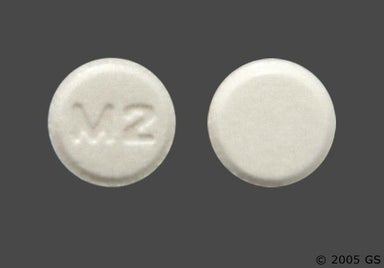
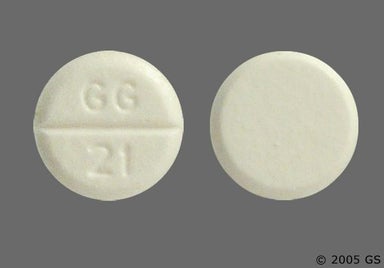
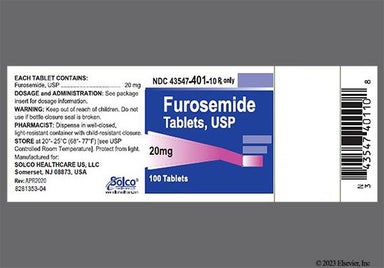
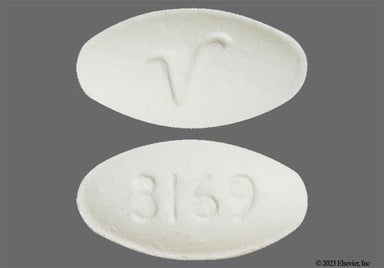
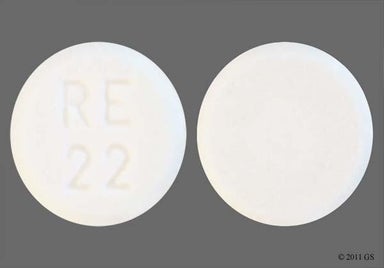
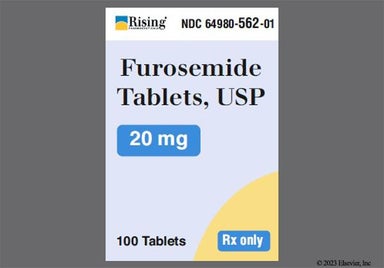
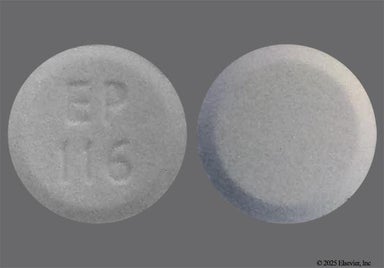
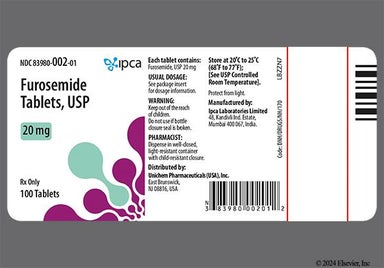
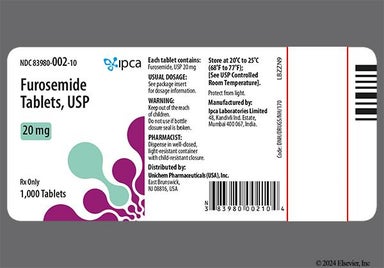
Furosemide (Lasix) images