Key takeaways:
Loop diuretics help remove extra fluid from the body through your urine. They’re FDA approved for edema (excess fluid) related to heart failure, kidney disease, liver disease. Some loop diuretics are also approved for treating high blood pressure.
There are four loop diuretics on the market: furosemide (Lasix), bumetanide (Bumex), torsemide (Soaanz), and ethacrynic acid (Edecrin). Furosemide is prescribed most often. Ethacrynic acid is typically reserved for those with a sulfa allergy.
Loop diuretics all work the same way. But each one differs in how long it lasts and what conditions it treats. Your prescriber will choose the right loop diuretic for you based on your health needs.
Save on related medications
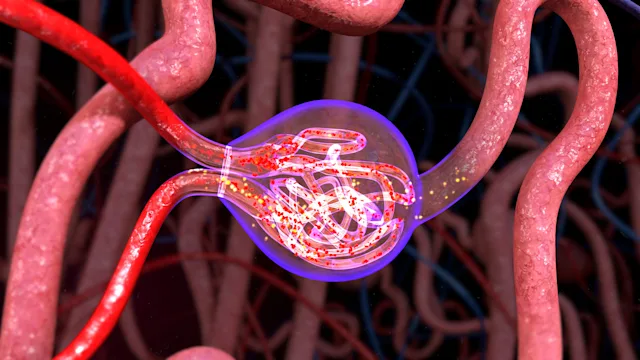
Diuretics, often referred to as water pills, help remove extra fluid from the body. Loop diuretics are a specific type of water pill. They’re named after a part of the kidney called the loop of Henle. This is where loop diuretics work to help remove excess fluid in the body through your urine.
Loop diuretics are a first-choice option for treating edema (fluid buildup) caused by heart failure. They also treat edema related to liver and kidney disease as well as high blood pressure in certain cases.
There are four FDA-approved loop diuretics. They all work the same way in the body, but there are some differences among them. Below, we’ll look at what makes each loop diuretic unique.
1. Furosemide (Lasix)
Furosemide (Lasix) is the most commonly prescribed loop diuretic. It usually starts working within an hour of taking it by mouth.
Dosage forms
Furosemide is available as 20 mg, 40 mg, and 80 mg oral tablets. It’s the only loop diuretic that’s also available as an oral solution (liquid), at concentrations of 8 mg/mL or 10 mg/mL.
Furosemide also comes as liquid for injection or infusion that’s typically given in a hospital setting. Injectable furosemide is also available as an on-body injector under the brand name Furoscix. With Furoscix, people can receive a dose of injectable furosemide at home when needed and avoid a hospital trip.
Approved uses
All forms of furosemide (except Furoscix) are FDA approved for edema in children and adults. Oral forms of furosemide are also approved for high blood pressure in adults only. Furoscix is approved only for edema in adults living with chronic heart failure or kidney disease.
Typical dosage
Typical furosemide dosages for adults range from 20 mg to 80 mg daily. You may take it once a day or divide it into 2 smaller doses and take it twice a day. In some cases, you may take furosemide only a few times per week or as needed for edema. The furosemide dosage for children is based on their body weight.
Risks and side effects
Furosemide may not be the best choice if you have a sulfa allergy. It can also cause hearing problems for some people. The risk of hearing problems is higher if you have severe kidney problems or take a higher dose of furosemide than recommended. Common furosemide side effects include dizziness, peeing more often, and headache. It can also make you more sensitive to the sun.
How to save
Furosemide is available as a brand-name medication as well as a lower-cost generic. GoodRx can help you save over 70% off the average retail price of the generic version. Generic furosemide’s price at certain pharmacies is as low as around $6 for 30 tablets with a free GoodRx discount.
2. Bumetanide (Bumex)
Bumetanide (Bumex) is about 40 times more potent than furosemide. This means you need a much smaller dose to remove fluid from the body. Bumetanide typically starts working within 30 to 60 minutes of taking it by mouth.
Dosage forms
Bumetanide comes in 0.5 mg, 1 mg, and 2 mg oral tablets. Like furosemide, it also comes as an injection that’s typically given in a hospital setting. But unlike furosemide, bumetanide doesn’t come as an oral solution or an injection for at-home use. Unlike other loop diuretics, the oral and injectable forms are similarly effective. That’s because they’re both well absorbed by the body.
Approved uses
Bumetanide is FDA approved for edema related to heart failure, liver problems, or kidney problems. But it’s also used off-label for high blood pressure. Bumetanide is approved only for adults ages 18 and older.
Typical dosage
The typical bumetanide dosage ranges from 0.5 mg to 2 mg once daily. But you can take it up to 3 times a day if needed, up to a maximum of 10 mg daily. In many cases, you’ll take bumetanide every other day, or follow a schedule of 3 to 4 days on, 1 to 2 days off.
Risks and side effects
Like furosemide, there’s a risk of an allergic reaction with bumetanide if you have a sulfa allergy. It can also cause hearing loss in rare cases. Bumetanide and furosemide have similar side effects. But since bumetanide is more potent, it may be more likely to lead to dehydration or low electrolyte levels.
How to save
Bumetanide is available as a brand-name medication as well as a lower-cost generic. Generic bumetanide’s price at certain pharmacies is as low as $10.50 for 30 tablets with a free GoodRx discount.
3. Torsemide (Soaanz)
Torsemide is the longest-acting loop diuretic. It’s also the only loop diuretic that comes in a slow-release tablet. This design helps reduce the risk of dehydration and low electrolyte levels that can happen with loop diuretics. Both forms of torsemide typically start working within 1 hour of taking it.
Dosage forms
Torsemide (generic Demadex) comes in 5 mg, 10 mg, 20 mg, and 100 mg tablets. Soaanz, the slow-release version of torsemide, comes in 20 mg, 40 mg, and 60 mg slow-release tablets. Both forms of torsemide are approved only for adults ages 18 and older.
Approved uses
Torsemide is FDA approved for edema related to heart failure as well as kidney or liver problems. It’s also approved for high blood pressure. Soaanz is approved only for edema related to heart failure or kidney disease.
Typical dosage
The typical torsemide dosage is 5 mg to 20 mg once daily. Your prescriber may increase your dose as needed up to a maximum of 200 mg per day (40 mg per day if you’re living with liver problems).
Risks and side effects
Torsemide carries similar risks and side effects as other loop diuretics. But Soaanz may have a lower risk of dehydration and electrolyte changes because of its slow-release formation.
How to save
There are ways to save on torsemide, which is available as a generic and brand-name medication. Generic torsemide’s price at certain pharmacies is as low as $22.72 with a free GoodRx coupon. For brand-name Sooanz, anyone with a valid prescription, regardless of insurance status, can use GoodRx to purchase 30 tablets at an exclusive cash price of $89.78.
4. Ethacrynic acid (Edecrin)
Ethacrynic acid (Edecrin) is the only loop diuretic that doesn’t have a sulfa component. So it’s safe for those with a sulfa allergy. Ethacrynic acid typically starts working within 30 minutes of taking it by mouth.
Dosage forms
Ethacrynic acid comes in 25 mg oral tablets. It’s also available as a powder for infusion into a vein that’s typically given in a hospital setting.
Approved uses
Ethacrynic acid has more FDA-approved uses than other loop diuretics, including:
Edema related to heart failure, kidney problems, or liver problems
To treat ascites (fluid buildup in the belly) caused by cancer, lymphedema (excess lymphatic fluid), or edema without a known cause
Edema in children (other than infants) caused by congenital heart disease or certain kidney problems
Acute pulmonary edema (fluid in the lungs) — IV form only
Typical dosage
The typical ethacrynic acid dosage in adults is 50 mg to 100 mg daily. For children, it’s recommended to start with 25 mg daily. You can take ethacrynic acid once daily or divided into 2 smaller doses. It’s best to take ethacrynic acid after a meal. Your prescriber may increase your dosage up to 200 mg twice daily. But it’s best to take the lowest effective dose to reduce the chance of dehydration. This may mean you won’t take ethacrynic acid every day.
Risks and side effects
Ethacrynic acid doesn’t carry the same sulfa allergy risk as other loop diuretics. But it has a higher risk of hearing loss than other loop diuretics. So it’s typically prescribed only if other loop diuretics aren’t an option.
How to save
Ethacrynic acid is available as a brand-name medication and a lower-cost generic. GoodRx can help you save over 90% off the cost of the generic version. Generic ethacrynic acid costs as little as $18.90 for 30 tablets with a free GoodRx discount.
The bottom line
Loop diuretics help remove excess fluid in the body through your urine. They’re first-choice options for edema (excess fluid) caused by heart failure and liver or kidney problems. Some are also FDA approved to treat high blood pressure, but they aren’t first-choice options for this use.
There are four loop diuretics on the market: furosemide (Lasix), bumetanide (Bumex), torsemide (Soaanz), and ethacrynic acid (Edecrin). Furosemide is the most commonly prescribed loop diuretic. It also comes in the widest variety of dosage forms. Torsemide lasts the longest in the body, so you need to take it only once a day. And it comes in a slow-release tablet that lowers the risk of dehydration and electrolyte issues. Ethacrynic acid is the only loop diuretic that won’t cause an issue for those with a sulfa allergy. But it has a higher risk of causing hearing problems.
Your prescriber can help you find the right loop diuretic for your needs based on your personal history and lifestyle.

Why trust our experts?




References
Aribo, C., et al. (2023). Ethacrynic acid. StatPearls.
Baliga, R. R., et al. (2020). Diuretic therapy for heart failure patients. Journal of the American College of Cardiology.
Bryant Ranch Prepack. (2025). Torsemide- torsemide tablet [package insert].
Edenbridge Pharmaceuticals. (2025). Ethacrynic acid - ethacrynic acid tablet [package insert].
Hikma Pharmaceuticals USA. (2025). Furosemide- furosemide tablet; Furosemide- furosemide solution [package insert].
Huxel, C., et al. (2023). Loop diuretics. StatPearls.
Kanderi, T., et al. (2023). Torsemide. StatPearls.
Khan, T. M., et al. (2023). Furosemide. StatPearls.
Konerman, M. C., et al. (2022). Table 2 equivalent doses of loop diuretics. Michigan Medicine Inpatient Diuretic Guideline for Patients With Acute Decompensated Heart Failure.
The Medical Letter on Drugs and Therapeutics. (2024). In brief: A new torsemide formulation (soaanz) for edema.
MedlinePlus. (2024). Pulmonary edema.
Mullan Pharmaceutical. (2025). Bumetanide- bumetanide injection [package insert].
Oceanside Pharmaceuticals. (2023). Ethacrynic sodium- ethacrynic sodium powder, for solution; Ethacrynic acid- ethacrynic acid tablet [package insert].
Remedy Repack. (2025). Bumetanide- bumetanide tablet [package insert].
Remedy Repack. (2025). Furosemide- furosemide injection, solution [package insert].
Sarfez Pharmaceuticals. (2024). Soaanz- torsemide tablet, film coated [package insert].
scPharmaceuticals. (n.d.). Furoscix (furosemide injection) 80 mg/10 mL for subcutaneous use [package insert].
scPharmaceuticals. (2025). Furoscix- furosemide injection 80 mg/ 10 ml injection [package insert].
Sidhu, G., et al. (2023). Bumetanide. StatPearls.
Sleigh, B. C., et al. (2023). Lymphedema. StatPearls.