


Chemotherapy for Prostate Cancer
Chemotherapy is sometimes used to treat metastatic prostate along with hormone therapy. Learn about the safety and effectiveness of chemotherapy for prostate cancer, with GoodRx.
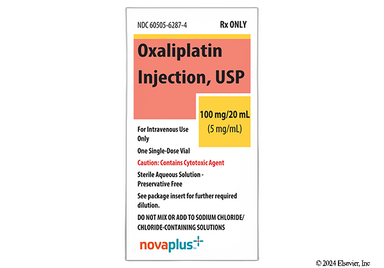
Oxaliplatin is a platinum-based chemotherapy medication that works as an alkylating agent. It’s used along with other anticancer medications to treat colon and rectal cancers (also known as colorectal cancer). It’s also commonly used off-label for many other types of cancers. Oxaliplatin is given as an infusion through the vein once every 2 weeks. But it often causes numbness and tingling in the hands and feet as a side effect. The medication can also cause cold sensitivity (when you’re more sensitive to cold temperatures).

Oxaliplatin is a type of chemotherapy called an alkylating agent. It’s also called a platinum-based therapy because it has platinum in it.
Oxaliplatin works by damaging the DNA in fast-growing cells in your body, such as cancer cells. This interferes with how well these cells grow and function. As a result, the cancer cells can’t survive.
| Common Brands | Eloxatin |
|---|---|
| Drug Class | Alkylating agent |
| Controlled Substance Classification | Not a controlled medication |
| Generic Status | No lower-cost generic available |
| Availability | Prescription only |

The following side effects may get better over time as your body gets used to the medication. Let your healthcare provider know immediately if you continue to experience these symptoms or if they worsen over time.
Note: Reported from studies with people who took oxaliplatin with fluorouracil and leucovorin for advanced colon cancer. These people didn’t have any previous treatment.
Contact your healthcare provider immediately if you experience any of the following.
Along with its needed effects, a medicine may cause some unwanted effects. Although not all of these side effects may occur, if they do occur they may need medical attention.
Check with your doctor or nurse immediately if any of the following side effects occur:
More common
Abnormal tongue sensation
black, tarry stools
bleeding, blistering, burning, coldness, discoloration of skin, feeling of pressure, hives, infection, inflammation, itching, lumps, numbness, pain, rash, redness, scarring, soreness, stinging, swelling, tenderness, tingling, ulceration, or warmth at the injection site
bleeding gums
blistering, peeling, redness, or swelling of the palms of the hands or bottoms of the feet
blood in the urine or stools
burning, prickling, itching, or tingling of the skin
chills
decreased urination
difficulty performing daily activities such as writing, buttoning, swallowing, or walking
difficulty with articulating words
difficulty with breathing
difficulty with moving
difficulty with swallowing
dizziness
fainting
increase in heart rate
jaw spasm
lightheadedness
lower back or side pain
muscle pain or stiffness
numbness or painful sensations
pain in the chest, groin, or legs, especially the calves
pain in the joints
painful or difficult urination
pale skin
pinpoint red spots on the skin
rapid breathing
sensation of pins and needles
sores, ulcers, or white spots on the lips or in the mouth
stabbing pain
sunken eyes
swelling
swelling or inflammation of the mouth
swollen glands
thirst
troubled breathing with exertion
unsteadiness or awkwardness
unusual bleeding or bruising
unusual tiredness or weakness
vision changes
wrinkled skin
Less common
Fast heartbeat
increased thirst
irregular heartbeat
loss of appetite
mood changes
nausea or vomiting
puffiness or swelling of the eyelids or around the eyes, face, lips, or tongue
tightness in the chest
Incidence not known
Back, leg, or stomach pains
blindness
bloated stomach
blue-yellow color blindness
blurred vision
changes in patterns and rhythms of speech
dark urine
deafness
decreased vision
deep breathing
drowsiness
electric shock-like sensation that moves down the back and into the legs following a bending movement of the neck
general body swelling
increased urination
irregular heartbeat, recurrent
large, hive-like swelling on the face, eyelids, lips, tongue, throat, hands, legs, feet, or sex organs
loss of deep tendon reflexes
muscle cramps or spasms
muscle tremors
pain and fullness in the right upper abdomen or stomach
restlessness
severe constipation
severe diarrhea
severe nosebleeds
severe stomach cramps or tenderness
severe vomiting
trouble with speaking
twitches of the muscle visible under the skin
weakness of the muscles in your face
yellow eyes or skin
Get emergency help immediately if any of the following symptoms of overdose occur:
Some side effects may occur that usually do not need medical attention. These side effects may go away during treatment as your body adjusts to the medicine. Also, your health care professional may be able to tell you about ways to prevent or reduce some of these side effects. Check with your health care professional if any of the following side effects continue or are bothersome or if you have any questions about them:
More common
Acid or sour stomach
belching
body aches or pain
ear congestion
feeling unusually cold, shivering
headache
indigestion
loss of voice
stomach discomfort, upset, or pain
trouble sleeping
Less common
Bad, unusual, or unpleasant (after) taste
bloated or full feeling
bloody nose
burning while urinating
change in taste
congestion
cracked lips
dryness or soreness of the throat
excess air or gas in stomach or intestines
feeling of warmth
passing gas
rapid weight gain
redness of the face, neck, arms, and occasionally upper chest
tender, swollen glands in the neck
thinning of the hair
unusual tearing of the eyes
voice changes
Other side effects not listed may also occur in some patients. If you notice any other effects, check with your healthcare professional.
Call your doctor for medical advice about side effects. You may report side effects to the FDA at 1-800-FDA-1088.




Oxaliplatin can cause some serious health issues. This risk may be even higher for certain groups. If this worries you, talk to your doctor or pharmacist about other options.
 Oxaliplatin can cause serious allergic reactions, including anaphylaxis. They can sometimes be life-threatening. Allergic reactions can happen at any time, even within minutes of the first treatment. But your risk is higher after you’ve already had 6 oxaliplatin infusions.
 Get medical help right away and let your oncology team know if you have symptoms of an allergic reaction. Watch for dizziness, trouble breathing, swelling in your lips or tongue, or hives. You’ll probably get medications to help manage symptoms of the allergic reaction. But if your symptoms are severe, you might need to go to the hospital for monitoring.
After your allergic reaction goes away, your oncologist will decide whether to change your treatment plan entirely or try an option called desensitization. Desensitization means giving you small doses of oxaliplatin over time to help your body tolerate the medication. If your oncologist decides on desensitization, you might be hospitalized for the infusion so they can monitor you closely during the process.
Oxaliplatin can cause nerve problems (neuropathy). These nerve problems can start within hours to days after your infusion. It’s common to feel numbness, tingling, or pain in the hands or feet. The nerve problems can also affect the mouth, throat, jaw, and other parts of the body. This can lead to an abnormal feeling in the tongue, eye pain, spasms, movement problems, breathing problems, or chest pressure. Usually, these early nerve problems go away within 2 weeks.
Delayed neuropathy can also often happen after several months of treatment with oxaliplatin. Numbness, tingling, and pain are common. But people with delayed neuropathy can also have problems with coordination and balance that affect their daily routine. Delayed neuropathy can last for more than 2 weeks.
Let your oncology team know if you have any numbness, pain, burning, a feeling of "pins and needles," tremors, problems with balance or coordination, or weakness in your arms or legs. You might need a change in your dose or a break from oxaliplatin.
Oxaliplatin can cause your body to make fewer blood cells, which can lead to serious risks. In particular, having a low platelet count can put you at greater risk of bleeding, which can happen anywhere in the body. And having a low white blood cell count can make you more likely to get infections, which could be life-threatening.
You’ll have your blood drawn to check your blood count before each oxaliplatin infusion. This makes sure the medication is safe for you to take. If your absolute neutrophil count (ANC) or platelet count is too low, you’ll need to wait to get your oxaliplatin infusion. This gives your body more time to make blood cells before you get the medication.
Your oncology team might give you some additional medications to help prevent complications from having low blood cell counts. You might get injections to boost up your white blood cells to prevent serious infections. Your oncologist might lower your oxaliplatin dose as well.
Talk to your oncology team right away if you have unusual bleeding or bruising or if you develop a fever. Get medical help as soon as possible if you have any signs of bleeding inside the body, like bleeding that’s difficult to stop, a sudden or painful headache, severe stomach pain, blood in stool, or coughing or spitting up blood.
Oxaliplatin can sometimes affect your heart rhythm, which can be serious and life-threatening. For example, it can lengthen the time it takes for the heart to relax after it pumps. This is known as QT prolongation.
Your risk for QT prolongation is higher if you have abnormal electrolyte levels, have previous heart rhythm problems, or take other medications that cause heart rhythm problems like amiodarone (Pacerone). Your oncologist will check for your risk for QT prolongation before you start oxaliplatin. If you’re at higher risk for this heart rhythm problem, you might need to get heart rhythm tests called electrocardiograms (EKGs) while you’re taking oxaliplatin.
Contact a healthcare professional right away if you feel your chest pounding, have shortness of breath, have chest pain, or feel faint or lightheaded while you’re taking oxaliplatin. These can be symptoms of heart rhythm problems.
Although very rare, oxaliplatin can cause serious and potentially life-threatening scarring of the lung. Tell your healthcare team right away if you have a new or worsened cough, trouble breathing, or wheezing. You’ll probably need to stop taking oxaliplatin while your team checks out this problem (e.g., with scans of your lungs). If you have lung damage, your oncologist will change your treatment plan.
It’s common for your liver enzyme levels to go up while you’re taking oxaliplatin. This can be a sign of liver damage. Sometimes, people don’t feel any symptoms when their liver is having problems. So, you’ll need to get blood tests done before each oxaliplatin infusion to track your liver health. But let your healthcare team know if you notice any symptoms of liver damage, like pain in the right side of the stomach, yellowing of the eyes or skin, or clay-colored stools. You might need to take a break from oxaliplatin if your care team thinks you have liver damage.
Some people might have severe muscle damage called rhabdomyolysis while they’re taking oxaliplatin. Sometimes, this can lead to complications like kidney problems. It can be life-threatening if not recognized and treated in a timely fashion. Let your healthcare team know if you notice symptoms of severe muscle damage, such as muscle pain, weakness, or dark or brown urine. You’ll need to stop taking oxaliplatin if you have rhabdomyolysis.
Posterior reversible encephalopathy syndrome (PRES) is a very rare side effect of oxaliplatin that can be fatal. This side effect typically affects your nervous system. Symptoms can appear at any time during treatment. Let your oncology team know if you have any symptoms of PRES, like headache, feeling sluggish or confused, or vision loss.
If you develop symptoms, your care team will confirm whether you have PRES by ordering a brain scan called a magnetic resonance imaging (MRI). You’ll need to stop oxaliplatin if it’s confirmed that you have PRES. If recognized and treated early, symptoms of PRES typically go away within days.
Let your oncology team know if you’re pregnant or planning to become pregnant. Oxaliplatin can harm an unborn baby if it’s given during pregnancy.
If you can have children, you’ll need to confirm that you’re not pregnant with a pregnancy test before you start treatment to make sure oxaliplatin is safe for you. Use reliable birth control while you’re taking this medication and for 9 months after your last dose. If you’re male and have a partner who can become pregnant, use effective birth control (e.g., condoms) while you’re taking oxaliplatin until 6 months after the last dose.

Your treatment team will calculate your specific dose based on your body surface area (BSA), which takes into account your height and weight.
The typical dose is 85 mg/m2 of BSA as an infusion through the vein (intravenously or IV). Oxaliplatin is given once every 2 weeks.

Although certain medicines should not be used together at all, in other cases two different medicines may be used together even if an interaction might occur. In these cases, your doctor may want to change the dose, or other precautions may be necessary. When you are receiving this medicine, it is especially important that your healthcare professional know if you are taking any of the medicines listed below. The following interactions have been selected on the basis of their potential significance and are not necessarily all-inclusive.
Using this medicine with any of the following medicines is not recommended. Your doctor may decide not to treat you with this medication or change some of the other medicines you take.
Using this medicine with any of the following medicines is usually not recommended, but may be required in some cases. If both medicines are prescribed together, your doctor may change the dose or how often you use one or both of the medicines.

Contraindications are specific health conditions or situations in which a person should not take a medication due to safety concerns. If you have any of the following conditions or if any of the following apply to you, let your healthcare provider know because Oxaliplatin will not be safe for you to take.




Prescription savings
Stop paying too much for your prescriptions. Compare prices, get pharmacy coupons, and save up to 80%. Find expert answers to your health questions so you can make the best decisions for yourself and your family.
Health conditions
Medications & treatment
Access & affordability
Medication discounts

For the first few days after your Oxaliplatin infusion, avoid eating or drinking cold things. Also try your best not to touch cold objects. In addition, it can help to wear scarves to avoid breathing cold air in chilly weather. Wear gloves if you're out in the cold or if you’re reaching into the freezer. Cold temperatures can worsen numbness, tingling, or pain in the hands, feet, mouth, and throat that can happen after your Oxaliplatin infusion. So avoiding cold things might help reduce this side effect. Talk to your oncology care team for more tips on how to lessen or relieve neuropathy or other side effects from Oxaliplatin.
It can depend on the specific side effect you’re having from Oxaliplatin. For example, it’s common to have numbness, tingling, or pain in the hands or feet or an abnormal feeling in the tongue that lasts a couple weeks. But sometimes, these nerve problems can continue, come back, or worsen after several months of treatment and last for more than 2 weeks. Delayed or prolonged nerve problems often cause problems with coordination and balance that can affect daily life. Let your oncology team know if you have any numbness, pain, burning, pricking feeling, problems with balance or coordination, or weakness in your arms or legs. Ask your care team about how long other side effects of Oxaliplatin can last and what you can do to manage them.
Oxaliplatin is FDA approved to treat colorectal cancer. But it’s often used off-label for many other cancers. Examples include pancreatic cancer, gallbladder cancer, and bile duct cancer. Treatment plans that use Oxaliplatin off-label are based on guideline recommendations from the National Comprehensive Cancer Network (NCCN). The guidelines are based on evidence from clinical trials. The trials show that Oxaliplatin works well and is safe to use for these other types of cancer. Talk with your oncologist about your specific treatment plan.
The Oxaliplatin infusion usually takes about 2 hours. But it could be shorter depending on your specific dose. It's possible that you'll have other infusions, labs, or scans that you’ll need to get during your appointment. So, it's a good idea to plan to spend about half the day at the clinic. Dress comfortably and bring water, snacks, books, or other activities to pass the time.
How long you take Oxaliplatin and when you’ll stop will depend on your cancer and the specific treatment plan. If you're taking Oxaliplatin before or after surgery for colorectal cancer, you’ll probably only need to take the medication for a certain number of treatment cycles. But for advanced colorectal cancer or for other cancers, you might continue Oxaliplatin until it's no longer working to treat your cancer or until you have too many side effects. Talk with your oncologist about how long you need to take Oxaliplatin and when you can stop.
How long Oxaliplatin stays in your system is a little complicated. But overall, it can take up to a few days for active Oxaliplatin to get removed from your system. Keep in mind that it can depend on many things, like dose and infusion time. In addition, how Oxaliplatin moves through the body (how it’s absorbed and removed from the body) is very complex. Ask your oncologist if you have more questions about how long Oxaliplatin stays in your system.
No, it’s not safe to take Oxaliplatin during pregnancy. Based on how the medication works, it can harm an unborn baby if it’s given to someone who’s pregnant. Talk with your oncologist before starting treatment with Oxaliplatin if you're pregnant or planning to become pregnant. And let your oncology team know right away if you become pregnant during treatment.
Avoid breastfeeding while you’re taking Oxaliplatin. Also don’t breastfeed for 3 months after your last dose. There isn’t any information available about whether Oxaliplatin can pass into breast milk and how it could affect breastfeeding infants. But there could be a risk that your breastfed baby can have serious side effects. Talk to a lactation consultant about alternatives to breastfeeding while you’re taking Oxaliplatin.
