



Heart Attack Medications: What You May Need After Myocardial Infarction
Your cardiologist may prescribe statins and other medications after a heart attack. Here’s a list of heart attack medications for myocardial infarction.
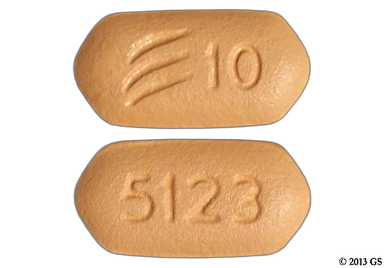
Prasugrel (also known as brand name Effient) is a blood thinner used to lower the risk of serious blood clot problems. It's used in adults with certain heart problems, such as unstable angina or a heart attack, who are having a procedure that often involves placing a stent in the heart. It comes as a tablet that's taken by mouth once a day, usually along with aspirin. A common side effect is bleeding.

Prasugrel (Effient) is a type of antiplatelet medication called a P2Y12 inhibitor. It works by blocking a protein called P2Y12 on platelets, which are blood cells that stick together to form clots.
By making platelets less likely to stick together, prasugrel (Effient) helps prevent dangerous blood clots that can cause a heart attack or form inside a stent.
| Common Brands | Effient |
|---|---|
| Drug Class | P2Y12 inhibitor |
| Controlled Substance Classification | Not a controlled medication |
| Generic Status | Lower-cost generic available |
| Availability | Prescription only |

The following side effects may get better over time as your body gets used to the medication. Let your healthcare provider know immediately if you continue to experience these symptoms or if they worsen over time.
Contact your healthcare provider immediately if you experience any of the following.
Along with its needed effects, a medicine may cause some unwanted effects. Although not all of these side effects may occur, if they do occur they may need medical attention.
Check with your doctor immediately if any of the following side effects occur:
More common
Blurred vision
dizziness
headache
nervousness
pounding in the ears
slow or fast heartbeat
Less common
Black, tarry stools
bloating or swelling of the face, arms, hands, lower legs, or feet
chest pain or discomfort
chills
difficult or labored breathing
fainting
irregular heartbeat
lightheadedness, dizziness, or fainting
painful or difficult urination
rapid weight gain
sores, ulcers, or white spots on the lips or in the mouth
swollen glands
tightness in the chest
tingling of the hands or feet
unusual bleeding or bruising
unusual tiredness or weakness
unusual weight gain or loss
Incidence not known
Change in mental status
dark or bloody urine
difficulty with speaking
pale color of the skin
pinpoint red spots on the skin
seizures
weakness
yellow eyes or skin
Some side effects may occur that usually do not need medical attention. These side effects may go away during treatment as your body adjusts to the medicine. Also, your health care professional may be able to tell you about ways to prevent or reduce some of these side effects. Check with your health care professional if any of the following side effects continue or are bothersome or if you have any questions about them:
Other side effects not listed may also occur in some patients. If you notice any other effects, check with your healthcare professional.
Call your doctor for medical advice about side effects. You may report side effects to the FDA at 1-800-FDA-1088.




Prasugrel (Effient) can cause some serious health issues. This risk may be even higher for certain groups. If this worries you, talk to your doctor or pharmacist about other options.
 Prasugrel (Effient) is a blood thinner, so it raises your risk for bleeding. Your risk is higher if you’re age 75 or older, weigh less than 60 kg (132 lb), recently had surgery, have serious kidney or liver problems, or take other medications that raise your risk of bleeding.
The risk of bleeding is especially high during heart bypass surgery. If possible, prasugrel (Effient) should be stopped at least 7 days before heart bypass surgery or another procedure with a high risk of bleeding. Make sure your care team knows you take this medication before any planned procedure, and don’t stop taking it unless your prescriber tells you to.
Get medical help right away if you have unusual or severe bleeding, blood in your urine or stool, cough up or vomit blood, or have bleeding that’s difficult to stop.
Don’t stop taking prasugrel (Effient) unless your cardiologist tells you it’s safe to do so. Stopping the medication too soon can raise your risk of serious blood clots, which can lead to a heart attack.
Sometimes, prasugrel (Effient) can cause a rare but life-threatening blood condition called thrombotic thrombocytopenic purpura (TTP). This happens when small blood clots form throughout the body and can occur within the first 2 weeks of starting treatment. Get medical help right away if you have fever, unusual bleeding or bruising, headache, weakness, tiredness, trouble breathing, or confusion. TTP requires treatment as soon as possible.
Prasugrel (Effient) can cause serious allergic reactions, including swelling of the face or throat. Your risk might be higher if you’ve had an allergic reaction to another similar medication, such as clopidogrel or ticagrelor. Get emergency medical help right away if you develop hives, swelling of your face, lips, tongue, or throat, or trouble breathing.


Although certain medicines should not be used together at all, in other cases two different medicines may be used together even if an interaction might occur. In these cases, your doctor may want to change the dose, or other precautions may be necessary. When you are taking this medicine, it is especially important that your healthcare professional know if you are taking any of the medicines listed below. The following interactions have been selected on the basis of their potential significance and are not necessarily all-inclusive.
Using this medicine with any of the following medicines is not recommended. Your doctor may decide not to treat you with this medication or change some of the other medicines you take.
Using this medicine with any of the following medicines is usually not recommended, but may be required in some cases. If both medicines are prescribed together, your doctor may change the dose or how often you use one or both of the medicines.
Using this medicine with any of the following medicines may cause an increased risk of certain side effects, but using both drugs may be the best treatment for you. If both medicines are prescribed together, your doctor may change the dose or how often you use one or both of the medicines.


Contraindications are specific health conditions or situations in which a person should not take a medication due to safety concerns. If you have any of the following conditions or if any of the following apply to you, let your healthcare provider know because Prasugrel (Effient) will not be safe for you to take.









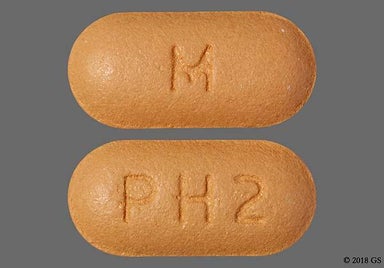
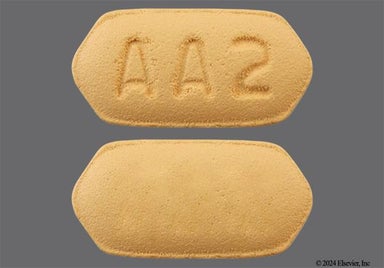
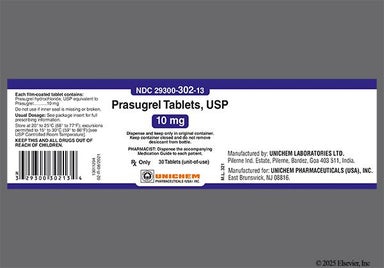
Prescription savings
Stop paying too much for your prescriptions. Compare prices, get pharmacy coupons, and save up to 80%. Find expert answers to your health questions so you can make the best decisions for yourself and your family.
Health conditions
Medications & treatment
Access & affordability
Medication discounts


Yes, Prasugrel is a type of blood thinner called an antiplatelet medication. It prevents platelets in your blood from sticking together and forming blood clots. Because of this, Prasugrel can raise your risk of bleeding and bruising. Contact your care team if you have unusual bleeding, cough up or vomit blood, or have bleeding that’s difficult to stop.
Typically, you'll take Prasugrel with aspirin for at least a year, after getting a heart stent. But how long you need treatment depends on factors such as your risk of bleeding or blood clots. Some people might need treatment for a shorter time, while others might need it longer. Talk to your cardiologist about how long you should take this medication.
Since Prasugrel is a blood thinner, stopping it allows your blood to form clots more easily again. This is why you shouldn’t stop taking it unless your prescriber tells you to. Stopping treatment too soon can raise your risk of serious blood clot problems, including a blood clot in your stent or a heart attack.
There aren't any specific foods or drinks you need to avoid while taking Prasugrel. But because the medication raises your risk of bleeding, check with your cardiologist before taking supplements or herbal products that might also increase bleeding, such as high-dose fish oil, ginkgo, or garlic supplements. You can take Prasugrel with or without food.
There isn’t a specific time of day that’s best to take Prasugrel. You can take it at any time, but try to take your dose around the same time each day to help you remember. Choose a time that works best with your daily routine.
Yes, aspirin and Prasugrel are commonly taken together to helps prevent dangerous blood clots. But taking both medications raises your risk of bleeding, so take them exactly as prescribed and contact your care team if you notice unusual or severe bleeding.
Both Prasugrel and clopidogrel are antiplatelet medications that help prevent serious blood clots and heart attacks. Some studies suggest Prasugrel might prevent heart attacks more effectively, but it can also have a higher risk of bleeding. Clopidogrel might be preferred for some people with a higher risk of bleeding, such as adults age 75 or older. Your cardiologist will compare the benefits and risks to decide which is best for you.
