



Low on Vitamin D? Your Medications Could Be to Blame
Many medications can lower vitamin D levels and lead to deficiency — like blood pressure medications, antibiotics, and steroids. Learn what may be contributing to your low vitamin D levels.

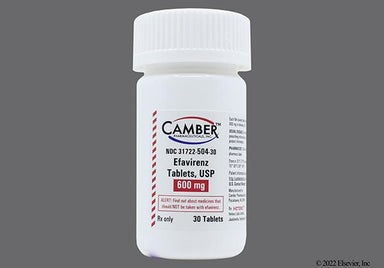
Efavirenz (Sustiva) is a medication that's used in combination with other antiretroviral (ARV) therapy to treat human immunodeficiency virus (HIV) infections. It comes as oral tablets and capsules that are swallowed whole. The capsules can also be opened up and sprinkled in liquid for people who have trouble swallowing. Some side effects of this medication are rash, diarrhea, and nausea. Efavirenz (Sustiva) is available as both a brand-name and generic medication.

Efavirenz (Sustiva) is a non-nucleoside reverse transcriptase inhibitor (NNRTI). It blocks an enzyme found in HIV called reverse transcriptase that usually helps the virus make copies of itself. By blocking reverse transcriptase, efavirenz (Sustiva) prevents the HIV virus from doing so and from spreading.
| Common Brands | Sustiva |
|---|---|
| Drug Class | HIV ARV |
| Controlled Substance Classification | Not a controlled medication |
| Generic Status | Lower-cost generic available |
| Availability | Prescription only |

The following side effects may get better over time as your body gets used to the medication. Let your healthcare provider know immediately if you continue to experience these symptoms or if they worsen over time.
The following side effects were reported in adults taking this medication with other HIV ARVs. Side effects might differ in children.
Contact your healthcare provider immediately if you experience any of the following.
Along with its needed effects, a medicine may cause some unwanted effects. Although not all of these side effects may occur, if they do occur they may need medical attention.
Check with your doctor immediately if any of the following side effects occur:
Rare
Abdominal or stomach pain
blistering
changes in vision
clumsiness or unsteadiness
confusion
convulsions (seizures)
dark urine
delusions
double vision
fainting
fast or pounding heartbeat
fever or chills
headache (severe and throbbing)
inappropriate behavior
loss of appetite
mood or mental changes (severe)
muscle cramps or pain
nausea or vomiting
nerve pain
open sores
pain, tenderness, bluish color, or swelling of the leg or foot
rapid weight gain
seeing, hearing, or feeling things that are not there
sense of constant movement of self or surroundings
sores, ulcers, or white spots in the mouth or on the lips
speech disorder
swelling or tenderness in the upper abdominal or stomach area
swelling of the hands, arms, feet, or legs
thoughts of suicide or attempts at suicide
tightness in the chest
tingling, burning, numbness, or pain in the hands, arms, feet, or legs
tingling, burning, or prickling sensations
troubled breathing
unusual tiredness
yellow eyes or skin
Incidence not known
Actions that are out of control
attack, assault, or force
continuing vomiting
decreased awareness or responsiveness
delusions of persecution, mistrust, suspiciousness, or combativeness
difficult or labored breathing
early appearance of redness or swelling of the skin
general feeling of tiredness or weakness
irregular heartbeat recurrent
irritability
late appearance of rash with or without weeping blisters that become crusted, especially in sun-exposed areas of the skin, may extend to unexposed areas
light-colored stools
mimicry of speech or movements
mutism
negativism
nervousness
peculiar postures or movements, mannerisms, or grimacing
severe sleepiness
talking, feeling, and acting with excitement
Some side effects may occur that usually do not need medical attention. These side effects may go away during treatment as your body adjusts to the medicine. Also, your health care professional may be able to tell you about ways to prevent or reduce some of these side effects. Check with your health care professional if any of the following side effects continue or are bothersome or if you have any questions about them:
Less common or rare
Abnormally decreased sensitivity, particularly to touch
agitation or anxiety
belching
change in sense of taste or smell
false sense of well-being
flaking and falling off of the skin
flushing
general feeling of discomfort
indigestion
joint pain
lack of feeling or emotion
loss of hair
loss of memory
loss of sense of reality
mood changes
painful, red, hot, or irritated hair follicles
ringing in the ears
stomach discomfort
unusual dreams
weakness
Incidence not known
Difficulty having a bowel movement (stool)
discoloration of the fingernails or toenails
dizziness or lightheadedness
feeling of constant movement of self or surroundings
increased amount of fat in the upper back and neck, or around the chest and stomach area
lose fat from the legs, arms, and face
sensation of spinning
swelling of the breasts or breast soreness in both females and males
Other side effects not listed may also occur in some patients. If you notice any other effects, check with your healthcare professional.
Call your doctor for medical advice about side effects. You may report side effects to the FDA at 1-800-FDA-1088.




Efavirenz (Sustiva) can cause some serious health issues. This risk may be even higher for certain groups. If this worries you, talk to your doctor or pharmacist about other options.
Efavirenz (Sustiva) can affect your heart rhythm, which can be serious and life-threatening. One example includes lengthening the time it takes for your heart to pump and then relax. This is known as QT prolongation. Your risk for QT prolongation is higher if you have certain factors, including heart rhythm problems or are taking other medications that cause heart rhythm problems, such as amiodarone (Pacerone), among others. If you feel your chest pounding, have trouble breathing or chest pain, or feel faint or lightheaded while taking efavirenz (Sustiva), call 911 right away.
Though rare, efavirenz (Sustiva) can raise your risk of seizures, dizziness, abnormal dreams, hallucinations, and trouble sleeping. For people who do experience these side effects, symptoms are likely to happen in the first 1-2 days of treatment and usually go away after 2-4 weeks.
Efavirenz (Sustiva) can also put you at risk for nerve damage that can affect your balance or cause confusion. These nerve problems can occur month to years after starting treatment. Talk to your provider right away if you experience dizziness, trouble concentrating, or drowsiness after starting this medication.
In addition, efavirenz (Sustiva) can also raise your risk of depression, suicidal thoughts or behavior, aggressive behavior, psychosis, and nervousness. These changes in behavior or thoughts are more likely to happen if you have a history of mental health or are taking medications for mental health. If you experience any of these side effects, seek medical help right away or contact your provider. They can help manage your treatment.
Taking efavirenz (Sustiva) during early pregnancy might raise the risk for birth defects called neural tube defects in babies. Because of this potential risk, you're recommended to avoid getting pregnant during treatment and for 3 months after the last dose.
If you're able to have a child, your provider will ask you to take a pregnancy test to check if it's safe for you to take efavirenz (Sustiva). You'll need to use 2 forms of effective birth controls during your treatment with efavirenz (Sustiva). Keep in mind that efavirenz (Sustiva) can cause hormonal birth controls to not work as well. If you're pregnant or are planning to become pregnant, discuss your HIV treatment options with your provider.
Efavirenz (Sustiva) can sometimes cause rash and other severe skin reactions. These reactions typically appear in the first 2 weeks of treatment and usually resolve within a month. If you have a mild or moderate rash, continue to take efavirenz (Sustiva) and let your provider know. If you have a severe rash or your rash gets worse, talk with your provider right away. In rare cases, if you experience a severe rash with fever, general discomfort, muscle or joint pain, mouth sores, blisters, or facial swelling, stop taking efavirenz (Sustiva) right away and get medical attention.
Efavirenz (Sustiva) can cause life-threatening liver problems. Your provider will order blood tests for you before and during treatment so they can make sure this medication is safe for your liver. Let your provider know immediately if you experience signs and symptoms of liver damage, such as feeling sleepy, nausea, loss of appetite, light-colored stool, upper right stomach pain, yellowing of the skin or eyes, or dark urine.
Efavirenz (Sustiva) raises the amount of cholesterol and triglycerides (fats) in your blood, which can put you at higher risk for a heart attack or stroke. Your provider will monitor your blood works before and during treatment with this medication to make sure it's safe for you. If your cholesterol levels are too high, your might need to take medications to help keep them under control. Keep in mind that certain cholesterol medications, such as atorvastatin, pravastatin, and simvastatin (Zocor), might not work as well when taken with efavirenz (Sustiva). Make sure to let your provider know all the medications you're taking before being prescribed new ones.
Rarely, people taking HIV medications, such as efavirenz (Sustiva), have experienced changes in body fat. These changes include fat buildup in the back of the neck, breast, and around the middle of the body. Some people also lost fat from the legs, arms, and face. It's not clear whether efavirenz (Sustiva) causes these changes to body fat, why this happens, and whether it will affect your health in the future. Let your provider know if these changes occur while you're taking efavirenz (Sustiva).
Taking combination ARV therapy, such as efavirenz (Sustiva) with other HIV medications, can cause changes to your immune system called immune reconstitution syndrome. This condition happens when your immune system becomes overly active after you start combination therapy. So your immune system begins to fight off different infections that it was too weak to fight off before you started treatment. In rare cases, your immune response might improve too much with treatment that it starts to attack normal cells in your body (autoimmune). You can develop these conditions as early as during the first few weeks of treatment or many months later. Tell your healthcare provider right away if you start having any new symptoms, such as fever, pain, hair loss, bulging eyes, or sweating, after starting efavirenz (Sustiva).
Some medications can interfere with how well your body gets rid of efavirenz (Sustiva) from your system. This can affect the amount of efavirenz (Sustiva) in your body, how well it works, and the risk of side effects.
Taking certain anti-seizure medications (e.g., carbamazepine (Tegretol)) or tuberculosis medication (e.g., rifampin (Rifadin)) can lower the amount of efavirenz (Sustiva) in your body. This can make efavirenz (Sustiva) not work as well to treat your HIV. So this combination must be avoided.
Efavirenz (Sustiva) also interferes with how your body gets rid of other medications. For example, taking efavirenz (Sustiva) with medications like diltiazem (Cardizem) can lower the amount of diltiazem in your body. This can cause your blood pressure to not be controlled. In addition, taking efavirenz (Sustiva) with warfarin (Coumadin) can either raise or lower the amount of warfarin in your body. Your provider might need to adjust your dose of the blood thinner and monitor your blood works more closely during treatment.
Because of the potential for interactions with efavirenz (Sustiva) and various medications, tell your provider and pharmacist about all the medications you take or plan to take. They can make sure your medications are safe to take together.


Although certain medicines should not be used together at all, in other cases two different medicines may be used together even if an interaction might occur. In these cases, your doctor may want to change the dose, or other precautions may be necessary. When you are taking this medicine, it is especially important that your healthcare professional know if you are taking any of the medicines listed below. The following interactions have been selected on the basis of their potential significance and are not necessarily all-inclusive.
Using this medicine with any of the following medicines is not recommended. Your doctor may decide not to treat you with this medication or change some of the other medicines you take.
Using this medicine with any of the following medicines is usually not recommended, but may be required in some cases. If both medicines are prescribed together, your doctor may change the dose or how often you use one or both of the medicines.
Using this medicine with any of the following medicines may cause an increased risk of certain side effects, but using both drugs may be the best treatment for you. If both medicines are prescribed together, your doctor may change the dose or how often you use one or both of the medicines.


Contraindications are specific health conditions or situations in which a person should not take a medication due to safety concerns. If you have any of the following conditions or if any of the following apply to you, let your healthcare provider know because Efavirenz (Sustiva) will not be safe for you to take.



Prescription savings
Stop paying too much for your prescriptions. Compare prices, get pharmacy coupons, and save up to 80%. Find expert answers to your health questions so you can make the best decisions for yourself and your family.
Health conditions
Medications & treatment
Access & affordability
Medication discounts

How long the side effects of Efavirenz last can differ depending on which side effects you're experiencing. For example, people who took Efavirenz reported side effects like dizziness, trouble sleeping, and difficulty concentrating within 1-2 days of starting this medication. But many people experienced these side effects easing or going away after 2 to 4 weeks of treatment. Another example is that in general, people who took Efavirenz in clinical studies noticed a rash within the first 2 weeks of starting treatment. But for most people, the rash disappeared within a month. Keep in mind that not all side effects will go away on their own and sometimes you need more medical attention (such as with seizures or liver problems). If you've more questions about a particular side effect of Efavirenz, talk with your provider.
In clinical studies, people taking Efavirenz with food absorbed more of the medication in their body. This leads to more side effects, such as diarrhea and vomiting. As a result, taking Efavirenz on an empty stomach can help lower the risk of these side effects.
Efavirenz can typically cause nerve problems, such as dizziness, trouble concentrating, drowsiness, unusual dreams, and not able to balance. Taking this medication at bedtime can help you better tolerate these side effects.
Efavirenz is typically not the first-choice for PEP, also known as post-exposure prophylaxis (prevention). PEP is a combination of HIV medications for people who might've been exposed to HIV during sex, through sharing needles, or other way. According to the CDC guidelines, Efavirenz is only used in PEP regimen if an expert in HIV infection has been consulted. Remember that PEP regimen needs to be taken within 3 days of exposure to greatly lower the risk of HIV infection. Talk to your provider about the best PEP option for you.
No, you shouldn't take Efavirenz during pregnancy and for at least 3 months after your last dose. Efavirenz can raise the risk for neural tube defects in babies when it's taken during the first trimester of pregnancy. If you're able to become pregnant, your provider will ask to use 2 forms of effective birth control while you're taking Efavirenz. Keep in mind that certain hormonal birth controls won't work as well if you're taking Efavirenz. If you're pregnant or thinking of becoming pregnant, let your provider know right away. They can talk with you about safer options for treating HIV during pregnancy.
Based on how Efavirenz works, it might cause birth controls with progestins to not work as well. This can raise your chance of becoming pregnant. Talk with your provider if you're concerned about getting pregnant during treatment. Always use a condom as an additional form of birth control. Aside from preventing pregnancy, most condoms work well in preventing HIV transmission.
