


Drugs for Men: A GoodRx Savings Guide to 7 Notable Men’s Health Medications
Viagra and minoxidil are some of the most commonly prescribed medications for men. See the other top drugs for men’s health, from ED treatment to hair loss.
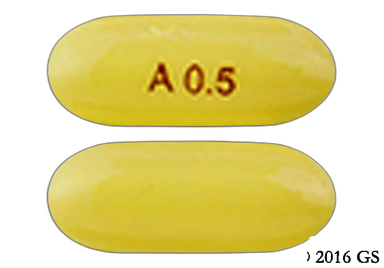
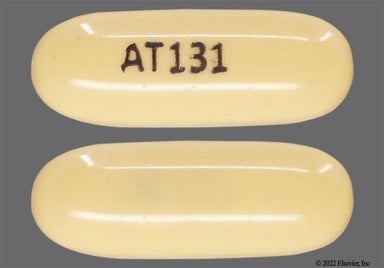
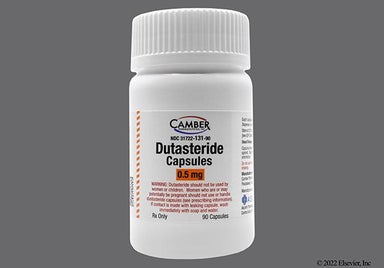
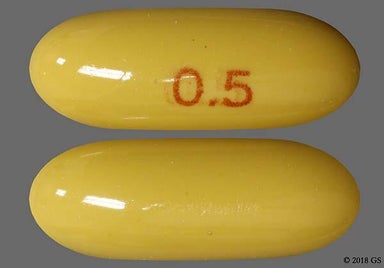
Dutasteride (Avodart) is a prescription medication used to improve symptoms of an enlarged prostate (benign prostatic hyperplasia or BPH). It can also lower the risk for BPH-related surgery. This medication belongs to a drug class known as 5-alpha reductase inhibitors. The dosage is usually one capsule by mouth once daily. Some possible side effects of dutasteride (Avodart) include trouble getting or maintaining an erection, lower sex drive, and ejaculation problems. It's available as the brand name Avodart and generic name dutasteride.

Dutasteride (Avodart) is a 5-alpha reductase inhibitor. It blocks the body from making a form of testosterone called dihydrotestosterone (DHT) that's responsible for prostate growth. As a result, the medication slows the prostate from getting larger. As the prostate shrinks, it gets easier to urinate.
| Common Brands | Avodart |
|---|---|
| Drug Class | 5-alpha reductase inhibitor |
| Controlled Substance Classification | Not a controlled medication |
| Generic Status | Lower-cost generic available |
| Availability | Prescription only |

The following side effects may get better over time as your body gets used to the medication. Let your healthcare provider know immediately if you continue to experience these symptoms or if they worsen over time.
Contact your healthcare provider immediately if you experience any of the following.
Along with its needed effects, a medicine may cause some unwanted effects. Although not all of these side effects may occur, if they do occur they may need medical attention.
Check with your doctor immediately if any of the following side effects occur:
Rare
Chest pain or discomfort
dilated neck veins
extreme fatigue
irregular breathing
irregular heartbeat
swelling of the face, fingers, feet, or lower legs
trouble breathing
Incidence not known
Blistering, flaking, or peeling of the skin
difficulty with swallowing
dizziness
fast heartbeat
hives or welts, itching skin, rash
large, hive-like swelling on the face, eyelids, lips, tongue, throat, hands, legs, feet, or sex organs
puffiness or swelling of the eyelids or around the eyes, face, lips, or tongue
redness of the skin
tightness in the chest
unusual tiredness or weakness
Some side effects may occur that usually do not need medical attention. These side effects may go away during treatment as your body adjusts to the medicine. Also, your health care professional may be able to tell you about ways to prevent or reduce some of these side effects. Check with your health care professional if any of the following side effects continue or are bothersome or if you have any questions about them:
Other side effects not listed may also occur in some patients. If you notice any other effects, check with your healthcare professional.
Call your doctor for medical advice about side effects. You may report side effects to the FDA at 1-800-FDA-1088.




Dutasteride (Avodart) can cause some serious health issues. This risk may be even higher for certain groups. If this worries you, talk to your doctor or pharmacist about other options.
Pregnant women and women who can become pregnant shouldn't touch dutasteride (Avodart) capsules. This medication can get absorbed into the body through the skin and harm unborn babies. If you're a woman who can have children and you come into contact with a leaking capsule, wash the area with soap and water right away.
Dutasteride (Avodart) can lower prostate-specific antigen (PSA) levels in your body. PSA levels are typically used to screen for prostate cancer. Because dutasteride (Avodart) lowers the PSA levels, the medication might also affect the results of a prostate cancer test. For this reason, your provider should test your PSA levels at least 3 months after starting treatment to get a new baseline level for you, and watch your levels closely thereafter.
Dutasteride (Avodart) might raise the risk of a severe form of prostate cancer. Note that in a study of men aged 50 to 75 years, 1% of those who took dutasteride (Avodart) developed this form of prostate cancer. Talk to your provider if this risk concerns you.
Don't donate blood until at least 6 months after your last dose of dutasteride (Avodart). This medication can stay in the blood for a long period of time. And if a woman who's pregnant gets a blood transfusion that happens to contain dutasteride (Avodart), there's a risk of serious harm to an unborn baby.
People taking dutasteride (Avodart) for 1 year have had lower sperm count and other sperm changes. It's unknown how these changes affect fertility (the ability to have children). Talk to your provider if this concerns you.

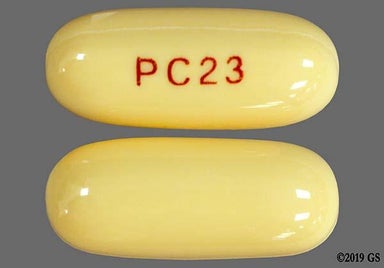
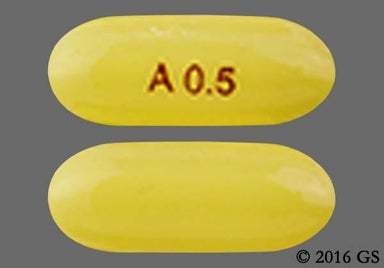
 Capsule
| Dosage | Quantity | Price as low as | Price per unit |
|---|---|---|---|
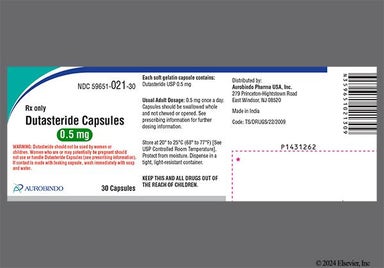
| 0.5mg | 30 capsules | $15.29 | $0.51 |

Although certain medicines should not be used together at all, in other cases two different medicines may be used together even if an interaction might occur. In these cases, your doctor may want to change the dose, or other precautions may be necessary. When you are taking this medicine, it is especially important that your healthcare professional know if you are taking any of the medicines listed below. The following interactions have been selected on the basis of their potential significance and are not necessarily all-inclusive.
Using this medicine with any of the following medicines is usually not recommended, but may be required in some cases. If both medicines are prescribed together, your doctor may change the dose or how often you use one or both of the medicines.
Using this medicine with any of the following medicines may cause an increased risk of certain side effects, but using both drugs may be the best treatment for you. If both medicines are prescribed together, your doctor may change the dose or how often you use one or both of the medicines.


Contraindications are specific health conditions or situations in which a person should not take a medication due to safety concerns. If you have any of the following conditions or if any of the following apply to you, let your healthcare provider know because Dutasteride (Avodart) will not be safe for you to take.











Prescription savings
Stop paying too much for your prescriptions. Compare prices, get pharmacy coupons, and save up to 80%.Resources
About GoodRx
 Find expert answers to your health questions so you can make the best decisions for yourself and your family.
Health conditions
Medications & treatment
Access & affordability
Well-being
Medication discounts

You can take Dutasteride at any time of the day, but it works best when it's taken at the same time each day. If you're also taking other medications for your prostate like tamsulosin (Flomax), it might be a good idea to take these together at around the same time. Talk to your provider or pharmacist if you have questions about the best time of day to take your BPH medications.
Studies suggest both finasteride (Proscar) and Dutasteride work just as well when compared to each other for treating BPH. They also seem to have similar side effects. Your provider might prefer one over the other based on factors like what other medications you're taking. This is because finasteride (Proscar) has less interactions with other medications compared to Dutasteride. Talk to your provider to find out which option is best for you.
Dutasteride isn't FDA approved to treat hair loss, unlike another medication in the same drug class called finasteride (Propecia). Some studies found that Dutasteride might be useful in the treatment of male pattern baldness. This might be because DHT (a hormone made from testosterone) has been linked to male hair loss, and Dutasteride blocks the production of DHT. More research is needed to know whether Dutasteride is safe and works well for male pattern baldness. Speak to your provider if you're concerned about hair loss. They can discuss treatment options with you.
Dutasteride stays in your body for a long time after you stop taking it. It could take up to about 6 months for it to completely leave your system. For this reason, it's not recommended to donate blood until at least 6 months after your last dose of Dutasteride. This prevents women from getting exposed to the medication through blood transfusions and the consequences this might have on an unborn baby (i.e., birth defects).
Some people can feel improvement in BPH symptoms as soon as 3 months. However, it could take longer for you to feel the full effects of the medication. It's recommended to try Dutasteride for 6 months to see if it works well for you. If you aren't noticing improvement in your symptoms after a few months of taking Dutasteride, contact your provider. There are other treatment options that might work better for you.
Yes. Dutasteride lowers the amount of dihydrotestosterone (DHT) in your body, which stops your prostate from getting larger. In clinical studies, the size of the prostate gland of men who took Dutasteride shrunk more than those who took a placebo. By reducing the size of the prostate, Dutasteride can help relieve BPH symptoms, like difficulty urinating.
