Key takeaways:
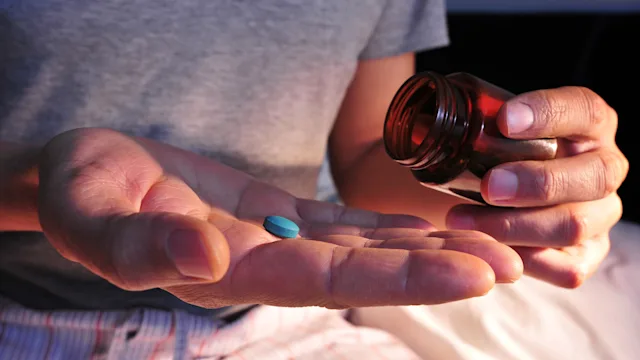
Blood thinners are the most common medications that can cause easy bruising. But nonsteroidal anti-inflammatory drugs (NSAIDs), some antidepressants, and certain over-the-counter supplements can also cause this side effect.
Long-term use of topical or inhaled corticosteroids can thin the skin and make bruising more likely. In rare cases, certain antibiotics can lower platelet levels, which increases your bleeding risk.
Not all easy bruising is medication-related. Vitamin deficiencies, liver problems, and cancer can also increase bruising or bleeding. Any new or worsening bleeding-related symptoms should be checked by a healthcare professional.
We all experience a bruise or minor bleeding now and then. But if you start bruising or bleeding more easily than usual, it can be concerning — and sometimes serious.
There are many causes of easy bruising, including certain medications and supplements. Here, we’ll review six types of medications and supplements that can cause easy bruising, and when to be concerned about it.
1. Blood thinners
Blood thinners include antiplatelet and anticoagulant medications. They’re typically prescribed to prevent unwanted blood clots after a heart attack or for people living with atrial fibrillation (an irregular heartbeat). Common examples include:
Clopidogrel (Plavix)
Ticagrelor (Brilinta)
Prasugrel (Effient)
Apixaban (Eliquis)
Rivaroxaban (Xarelto)
Dabigatran (Pradaxa)
Warfarin (Coumadin, Jantoven)
Enoxaparin (Lovenox)
Dalteparin (Fragmin)
Search and compare options
Since blood thinners prevent your blood from clotting normally, they can raise the risk of easy bruising and bleeding. In most cases, the bleeding is minor, such as when brushing or flossing your teeth. But severe bleeding is also possible. You should seek medical care right away if you notice signs and symptoms of severe bleeding, such as:
Bleeding that doesn’t stop
Bruising that continues to spread
Heavy menstrual bleeding (soaking through protection within an hour for several hours in a row)
Melena (black, tarry stool)
Coughing up or vomiting blood (may look like coffee grounds)
Confusion, vision changes, or headaches (may be symptoms of bleeding in the brain)
2. NSAIDs, such as ibuprofen
Nonsteroidal anti-inflammatory drugs (NSAIDs) are available both over-the-counter (OTC) and with a prescription. They’re typically used to reduce pain, swelling, and fever. Common examples include:
Ibuprofen (Motrin, Advil)
Naproxen (Aleve)
Meloxicam (Mobic)
Celecoxib (Celebrex)
Diclofenac (Voltaren gel, Cambia)
NSAIDs can raise your risk of easy bruising and bleeding — especially when you take them regularly. This doesn’t cause an issue for most people. But you shouldn’t combine NSAIDs with blood thinner medications, as this can significantly raise your risk of bleeding. And if you notice that you’re bruising easier than usual while taking an NSAID, let your healthcare team know.
One exception to this is low-dose aspirin. In some cases, your healthcare team may recommend taking low-dose aspirin along with certain blood thinners. But you should only do this if a healthcare professional recommends it.
3. Some antidepressants
Some antidepressants can also raise the risk of easy bruising and bleeding. These include selective serotonin reuptake inhibitors (SSRIs) and serotonin and norepinephrine reuptake inhibitors (SNRIs). Examples include:
Escitalopram (Lexapro)
Fluoxetine (Prozac)
Paroxetine (Paxil)
Sertraline (Zoloft)
Duloxetine (Cymbalta)
Venlafaxine (Effexor XR)
Desvenlafaxine (Pristiq)
SSRIs and SNRIs can raise your risk of bleeding and bruising, but this isn’t a common side effect. It’s more likely if you take these antidepressants with another medication that also has this side effect, such as an NSAID or blood thinner. Be sure to review your entire medication list with your prescriber before starting an antidepressant. And let your healthcare team know if any signs or symptoms of bleeding appear while taking an antidepressant.
4. Certain supplements
Certain dietary supplements may also lead to easy bruising and bleeding. These include:
Garlic
Ginger
Chamomile
Fenugreek
Red clover
Evening primrose
Ginseng
Omega-3 and fish oil supplements
In most cases, you won’t experience increased bruising or bleeding when taking these supplements at recommended dosages. But when taking high doses or combining them with other medications that carry a risk of bleeding, this side effect becomes more likely. Be sure to review your medication list with a healthcare professional before starting any OTC supplements or vitamins to make sure they’re a safe option for you.
5. Topical and inhaled corticosteroids
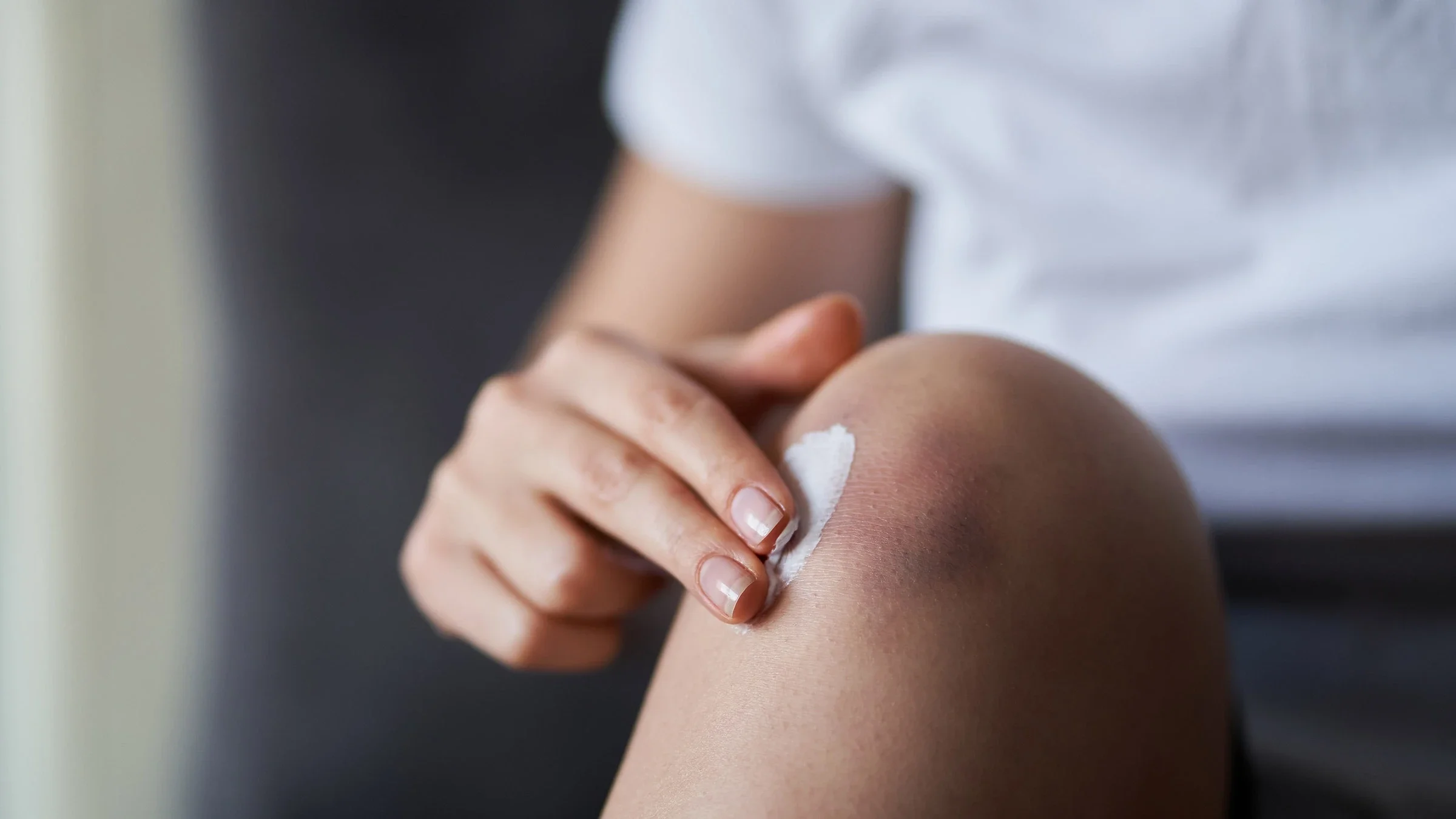
Topical corticosteroids, such as hydrocortisone cream, are often used to treat skin rashes and autoimmune skin conditions. With prolonged use, they can thin the skin over time. Thin skin tends to bruise more easily, so you may notice more bruising after using a topical corticosteroid regularly.
Easy bruising can also happen with inhaled corticosteroids for asthma or chronic obstructive pulmonary disease (COPD). This side effect isn’t common, but it’s more likely in older adults, as well as with high doses or long-term use. Let your prescriber know if you notice more bruising than usual while using an inhaler that contains a steroid.
6. Some antibiotics
Some antibiotics can cause a rare side effect known as thrombocytopenia — a low level of platelets in your blood. This can lead to easy bruising and bleeding.
Penicillins and cephalosporins are two common types of antibiotics that can cause this side effect. These include the antibiotics amoxicillin, ampicillin and cephalexin (Keflex). Vancomycin is another possible culprit. Keep in mind that thrombocytopenia isn’t a common side effect, but it can be serious. So if you notice easy bruising or bleeding while taking an antibiotic, seek medical care right away.
What else can cause easy bruising?
Several things other than medications can lead to easy bruising. These include:
Advanced age: Your skin tends to get thinner as you age, which can lead to easier bruising and bleeding.
Bleeding or blood-clotting disorders: Conditions such as von Willebrand disease can cause problems with how your blood forms clots to stop bleeding. This can cause you to bruise more easily than usual and have trouble healing even minor wounds.
Low vitamin C or vitamin K levels: Vitamin C is important for wound healing, and vitamin K helps your body form blood clots. If you’re not getting enough of these vitamins from your diet, you may be more prone to bruising and bleeding.
Anemia: If you have anemia (low red blood cell levels), you may bruise more easily than usual. Common causes of anemia include low levels of iron, folic acid, and/or vitamin B12.
Liver problems: The liver makes proteins, called clotting factors, that help form blood clots. Liver disease can prevent the liver from making these proteins, which can make it harder for your blood to clot and lead to easier bruising and bleeding.
Cancer and chemotherapy: Blood cell cancers as well as chemotherapy treatments for other types of cancers can lower blood cell levels. This can make it harder for your blood to clot and raise the chance of easy bruising or bleeding.
You shouldn’t try to manage easy bruising on your own. If you notice changes in how often bruises appear, or that you’re bleeding more often or for longer than usual, it’s best to see a healthcare professional for guidance. They can pinpoint the cause and help determine the best treatment option.
The bottom line
Blood thinners are common medications that can cause easy bruising or bleeding. Other culprits include nonsteroidal anti-inflammatory drugs (NSAIDs), some antidepressants, and certain over-the-counter supplements. Easy bruising or bleeding are more likely if you combine these medications with blood thinners or one another.
Topical or inhaled corticosteroids can lead to easier bruising over time by thinning the skin. In rare cases, some antibiotics can lower platelet levels and increase your bleeding risk. Keep in mind that easy bruising can also stem from nonmedication factors, such as vitamin deficiencies, liver problems, or cancer. So it’s best to have any noticeable increase in bruising or bleeding evaluated by a healthcare professional.

Why trust our experts?



References
Abebe, W. (2019). Review of herbal medications with the potential to cause bleeding: Dental implications, and risk prediction and prevention avenues. The EPMA Journal.
Ageno, W., et al. (2012). Oral anticoagulant therapy: Antithrombotic Therapy and Prevention of Thrombosis, 9th ed: American College of Chest Physicians Evidence-Based Clinical Practice Guidelines. Chest.
Bixby, A. L., et al. (2018). Clinical management of bleeding risk with antidepressants. Annals of Pharmacotherapy.
Chu, A., et al. (2023). Selective serotonin reuptake inhibitors. StatPearls.
Dyer, J. M., et al. (2018). Chronic skin fragility of aging. The Journal of Clinical and Aesthetic Dermatology.
Flores, B., et al. (2018) Hemostasis, bleeding and thrombosis in liver disease. Journal of Translational Science.
Gabros, S., et al. (2025). Topical corticosteroids. StatPearls.
Laporte, S., et al. (2017). Bleeding risk under selective serotonin reuptake inhibitor (SSRI) antidepressants: A meta-analysis of observational studies. Pharmacological Research.
National Institutes of Health. (2021). Vitamin K. Office of Dietary Supplements.
Neutze, D., et al. (2016). Clinical evaluation of bleeding and bruising in primary care. American Family Physician.
Samuelson Bannow, B. (2020). Management of heavy menstrual bleeding on anticoagulation. Hematology: The American Society of Hematology Education Program.
Savage-Elliott, I., et al. (2020). Drug-induced thrombocytopenia secondary to commonly used antibiotics in total joint arthroplasty. Arthroplasty Today.
Schafer, A. I. (1999). Effects of nonsteroidal anti-inflammatory therapy on platelets. The American Journal of Medicine.
Thachil, J., et al. (2016). Approach to the diagnosis and classification of blood cell disorders. Dacie and Lewis Practical Haemotology.
Underland, V., et al. (2012). Cochrane summary of findings: Horse chestnut seed extract for chronic venous insufficiency. Global Advances in Health and Medicine.