Key takeaways:
Most people tolerate turmeric without any side effects. Headache, nausea, and diarrhea can happen, but these are uncommon.
More serious side effects, like liver or kidney damage, have been reported in a handful of cases. These usually happen with high doses of turmeric — above 8 g per day.
If you choose to take turmeric supplements, it’s important to choose a high-quality product. Most studies use doses between 500mg and 2,000mg.
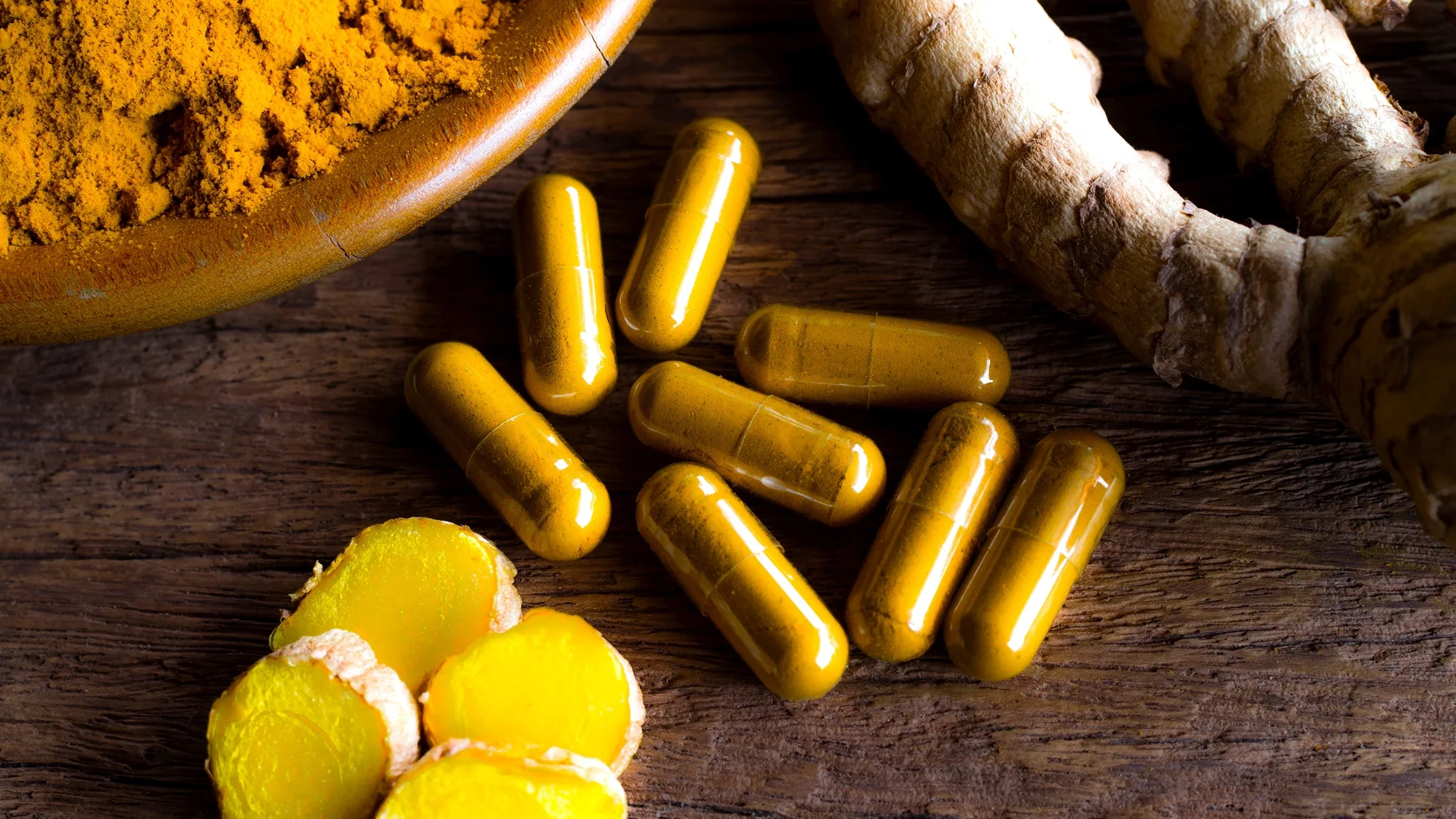
These days, people are becoming more interested in turmeric’s anti-inflammatory and antioxidant effects. It’s used for many reasons, from arthritis pain to blood sugar regulation. You can sprinkle it into food, take it as a capsule, or even apply it to your skin.
Turmeric is safe when used as a spice in food. But higher doses in supplement form may have some side effects. In this article, we’ll review the potential safety issues of turmeric supplements.
What are the side effects of turmeric?
Side effects of turmeric are rare, but they can happen. When taken by mouth, possible side effects include:
Headache
Nausea
Diarrhea
Yellow stools
Rash
Search and compare options
If you apply turmeric to your skin as an oil or cream, you may develop:
Hives
Itching
Even rarer side effects are listed below. Most studies evaluate curcumin, the main component of turmeric that gives the spice its yellow color:
Liver damage: From 2009 to 2022, 5 cases of liver injury linked to turmeric alone were reported. Liver injury may be even more likely when curcumin is combined with piperine or other ingredients that increase its absorption.
Low blood sugar: Studies show that curcumin may help lower blood sugar levels. But most research has been done in people with Type 2 diabetes. So, it’s possible that it can lead to dangerously low blood sugar. More research is needed.
Bleeding: Curcumin prevents blood clot formation. This is why it’s especially important to avoid taking curcumin supplements if you take blood thinners. Like the potential for low blood sugar, this is only a theoretical side effect. There aren’t any documented cases.
Low blood counts: Animal research shows that curcumin can also interfere with your ability to absorb iron. Low iron levels can cause fatigue, headaches, and hair loss. And it can also lead to iron deficiency anemia.
Why do people take turmeric?
There are many reasons people take turmeric. Research has suggested it may help:
Decrease inflammation: Studies have found that turmeric can lower inflammation in your body. This may help with conditions like arthritis and inflammatory bowel disease (IBD).
Improve memory: A small trial found that daily curcumin improved memory and cognition in older adults.
Support metabolism: A large review found that curcumin lowered triglyceride and cholesterol levels. It also improved hemoglobin A1c (HbA1c) and blood sugar levels in people with Type 2 diabetes.
Protect heart health: One study followed over 44,000 adults for 11 years. It found that people who ate curcumin were less likely to die from heart disease.
Lessen depression: Curcumin may improve mood in people with depression, especially when taken in combination with antidepressants.
Fight cancer: Growing research shows that curcumin may have anticancer effects. Trials have included people with breast, colon, pancreatic, and head and neck cancer.
Overall, research around turmeric’s benefits is promising. But many of the trials are too small and too different from each other to draw broad conclusions. For instance, the dose and form of turmeric almost always vary from study to study.
How can you avoid the negative effects of turmeric?
The best way to avoid the negative effects of turmeric is to avoid large doses. To understand what’s considered a “large dose,” it helps to look at research:
One study found that taking 1,200 mg to 2,100 mg of curcumin daily for 6 weeks was safe.
Another study looked at a dosage of 3,600 mg of curcumin daily for 4 months, and it didn’t lead to any dangerous side effects.
Another study looked at people taking 500 mg to 8,000 mg of curcumin daily over 3 months. None of the participants had side effects. Although doses larger than 8,000 mg were too bulky for most people to swallow.
Other studies have found that taking up to 12,000 mg of curcumin once a day for 3 months didn’t lead to any adverse side effects.
It’s important to point out that many of these studies included people with different health conditions. This makes it hard to know if the findings apply to everyone. It’s also unclear whether taking curcumin for longer than 3 to 4 months leads to other side effects.
Finally, just because these larger doses didn’t lead to any serious side effects doesn’t mean you should take that much. The recommended dose is much lower, which we review next.
Is it OK to take turmeric every day?
Yes, it’s okay to take turmeric every day. The Joint Food and Agriculture Organization of the United Nations (FAO) and the World Health Organization (FAO / WHO) Expert Committee on Food Additives recommends 3 mg per kilogram (kg) of body weight per day. For a person weighing 150 lbs, the total recommended daily intake would be about 200 mg.
Good to know: Supplements aren’t regulated by the FDA, so they may contain unwanted additives or other ingredients. To make sure a product meets safety guidelines set by the nonprofit U.S. Pharmacopeia, look for USP verification on the bottle.
The bottom line
Turmeric has anti-inflammatory properties that may provide a number of health benefits. For most people, it seems to be safe to take at a wide range of dosages. Mild side effects, like nausea and diarrhea, are generally rare. Serious reactions usually only happen if you take high doses of turmeric supplements. Be sure to closely read the label and look for USP Verification on any supplements you plan to take.

Why trust our experts?



References
Cheng, A. L., et al. (2001). Phase I clinical trial of curcumin, a chemopreventive agent, in patients with high-risk or pre-malignant lesions. Anticancer research.
Deodhar, S., et al. (2013). Preliminary study on antirheumatic activity of curcumin (diferuloyl methane). Indian Counsel of Medical Research.
El-Saadony, M. T., et al. (2023). Impacts of turmeric and its principal bioactive curcumin on human health: Pharmaceutical, medicinal, and food applications: A comprehensive review. Frontiers in Nutrition.
Gupta, S. C., et al. (2013). Therapeutic roles of curcumin:Lessons learned from clinical trials. The AAPS Journal.
Halegoua-DeMarzio, D., et al. (2023). Liver injury associated with turmeric — a growing problem: Ten cases from the drug-induced liver injury network (DILIN). The American Journal of Medicine.
Hashemian, M., et al. (2019). Turmeric, pepper, cinnamon, and saffron consumption and mortality. Journal of the American Heart Association.
Hussain, Y., et al. (2022). Regulatory effects of curcumin on platelets: An update and future directions. Biomedicines.
Liu, S., et al. (2022). A comprehensive review on the benefits and problems of curcumin with respect to human health. Molecules.
Lopresti A. L. (2022). Potential role of curcumin for the treatment of major depressive disorder. CNS Drugs.
Marton, L. T., et al. (2021). The effects of curcumin on diabetes mellitus: A systematic review. Frontiers in Endocrinology.
Nurcahyanti, A. D. R., et al. (2022). Curcuminoids for metabolic syndrome: Meta-analysis evidences toward personalized prevention and treatment management. Frontiers in Nutrition.
Peng, Y., et al. (2021). Anti-inflammatory effects of curcumin in the inflammatory diseases: Status, limitations and countermeasures. Drug Design.
Sharifi-Rad, J., et al. (2020). Turmeric and its major compound curcumin on health: Bioactive effects and safety profiles for food, pharmaceutical, biotechnological and medicinal applications. Frontiers in Pharmacology.
Sharma, R. A., et al. (2001). Phase I clinical trial or oral curcumin: Biomarkers of systemic activity and compliance. Clinical Cancer Research.
Small, G. W., et al. (2018). Memory and brain amyloid and tau effects of a bioavailable form of curcumin in non-demented adults: A double-blind, placebo-controlled 18-month trial. The American Journal of Geriatric Psychiatry.