Key takeaways:
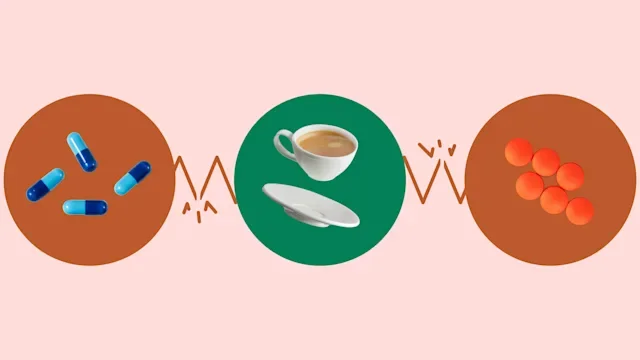
Drug interactions affect how a medication works. They can sometimes cause unwanted side effects or make the medication less effective. The three types of interactions are drug-condition, drug-drug, and drug-food.
Drug interactions are predictable and can often be limited or avoided. Digoxin (Lanoxin), warfarin (Coumadin, Jantoven), and levothyroxine (Synthroid, Tirosint, others) are examples of medications that have many interactions.
To best manage drug interactions, make sure to tell your prescriber and pharmacist all the medications you’re taking, including over-the-counter medications and supplements.
A new prescription often comes with instructions on how to take it, such as how much you should take and how often. Your prescriber might also give you a list of things to avoid while taking your medication. This includes certain foods and over-the-counter (OTC) supplements.
Their goal is to help you avoid drug interactions, which can affect how your medication works or put you at risk for side effects. Your prescriber and pharmacist can tell you if a medication has possible interactions. But you might have more questions. For instance, why do drug interactions happen in the first place? Could drinking grapefruit juice really affect how your cholesterol medication works?
What are drug interactions?
A drug interaction happens when a health condition, another medication, or something in your diet changes how a medication works. There are two main effects of drug interactions:
Your medication may be more likely to cause side effects. You could also experience more severe side effects than usual.
Your medication may not work as well to manage your symptoms or condition.
Search and compare options
It’s usually best to avoid drug interactions. But that’s not always possible. Your pharmacist and prescriber can help manage interactions when the combination can’t be avoided.
Why do drug interactions happen?
Drug interactions happen for many reasons. One is that medications can affect how certain enzymes (proteins) in your liver work. These proteins, called cytochrome P450 (CYP450) enzymes, help activate or break down many medications so your body can remove them.
If these enzymes aren’t working properly, medications aren’t broken down as fast as they should be. This can cause a medication to stay in your body for too long or build up to potentially toxic levels. If this happens, you may start to have additional side effects.
Similarly, if something makes CYP450 enzymes overactive, a medication may not stay in your body long enough. If this happens, your medication may not work as well.
Another reason drug interactions might happen is related to how your body absorbs a medication. Many medications need to enter the bloodstream to work. Some medications taken by mouth may bind to substances in your stomach, such as food or dietary supplements. This can stop medications from entering your bloodstream, or lower the amount that reaches the bloodstream — making them less effective.
On the flip side, some foods or drinks may cause your body to absorb more medication than intended. This could lead to higher levels of medication than expected and raise your risk of side effects.
What are the types of drug interactions?
There are three types of drug interactions:
Drug-condition interaction: This is when having a certain health condition affects the way a medication works. This can also mean that a medication worsens a person’s condition.
Drug-drug interaction: This is when one medication affects how another medication works. This is the type of interaction many people think of when they hear the words “drug interaction.”
Drug-food interaction: This is when a particular food or drink affects how a medication works.
What are examples of drug-condition interactions?
Sometimes, health conditions can interfere with how a medication affects the body. Other times, taking a medication can worsen a health condition. Here are five notable examples of drug-condition interactions.
1. Propranolol and asthma
Propranolol (Inderal LA, Hemangeol, InnoPran XL) is a beta blocker used to treat conditions such as high blood pressure. Many healthcare professionals avoid prescribing propranolol if someone has asthma. Propranolol can cause the muscles around your airways to tighten, which can result in an asthma attack.
2. Diphenhydramine and glaucoma
Diphenhydramine (Benadryl) should be avoided if you have glaucoma. Older antihistamines, such as diphenhydramine, can raise the pressure inside your eye and worsen this condition. Newer antihistamines, such as loratadine (Claritin), are safer because they’re less likely to cause this side effect.
3. Pseudoephedrine and high blood pressure
Pseudoephedrine (Sudafed), a nasal decongestant, works by tightening blood vessels in your nose and sinuses. But it also affects blood vessels throughout your body. This can cause your blood pressure to go up. If you have hypertension (high blood pressure), it’s recommended to use allergy medications that don’t contain a decongestant.
4. Metformin and severe kidney problems
Metformin is commonly prescribed for people living with Type 2 diabetes. Your kidneys help clear metformin from your body. If they’re not working as expected, the medication can build up, raising your risk of side effects. Notably, severe kidney problems raise your risk of lactic acidosis, a very rare but potentially life-threatening metformin side effect.
People with mild or moderate kidney problems can still take metformin. They usually take a lower dosage to help limit side effects. But people with severe kidney issues may not be able to safely take metformin.
5. Acetaminophen and liver disease
Acetaminophen (Tylenol) is safe for most people to use, but it could be harmful if you have liver problems. Acetaminophen is broken down by your liver. If your liver isn’t working properly, acetaminophen can build up to toxic levels and cause liver damage. And if you’re living with liver disease, you may need to use a lower dose of acetaminophen or avoid it altogether.
What are examples of drug-drug interactions?
There are many examples of this type of interaction. Here are five drug-drug interactions worth knowing about.
1. Paxlovid and simvastatin
The COVID-19 treatment Paxlovid (nirmatrelvir / ritonavir) stops certain CYP450 enzymes from working properly. This is why Paxlovid interactions are common.
As an example, Paxlovid raises levels of simvastatin (Zocor, FloLipid), a cholesterol medication. This can make simvastatin side effects, such as muscle pain, more likely. It’s recommended to temporarily stop taking simvastatin while taking Paxlovid. You should wait at least 5 days after your last Paxlovid dose before restarting simvastatin.
2. Ondansetron and dofetilide
Ondansetron (Zofran) is a medication used to prevent and treat nausea and vomiting. But it comes with several potential interactions.
One example is with the heart rhythm medication dofetilide (Tikosyn). Both medications can lengthen the amount of time between heartbeats. When used together, this time can get too long (called QT prolongation). This can result in dizziness, fainting, and even death in severe cases.
It’s best to avoid combining ondansetron and dofetilide when possible. If you need to take both, your prescriber may ask you to watch for certain QT prolongation symptoms, such as palpitations or a change in heart rate.
3. Digoxin and amiodarone
Digoxin (Lanoxin) is a heart medication. It’s considered a narrow therapeutic index (NTI) medication. This means that a slight change in its dose could cause serious problems. Because of this, digoxin can be vulnerable to drug interactions.
Amiodarone (Pacerone), another heart medication, can interfere with how much digoxin reaches the bloodstream. This can lead to higher amounts of digoxin than usual and more side effects. If you need to take both medications, you’ll likely need to get your digoxin blood levels checked more often. This helps your prescriber watch for signs of digoxin toxicity (too much digoxin).
4. Bactrim and warfarin
The antibiotic Bactrim (sulfamethoxazole / trimethoprim) has a well-known interaction with the blood thinner warfarin (Coumadin, Jantoven). Bactrim amplifies the effects of warfarin. This raises the risk of serious bleeding.
While taking Bactrim, people who also take warfarin typically need more frequent international normalized ratio (INR) testing. An INR test measures how fast your blood clots. Depending on your results, your prescriber may ask you to take a lower warfarin dose or temporarily stop warfarin while taking Bactrim.
5. Levothyroxine and omeprazole
The thyroid medication levothyroxine (Synthroid, Tirosint, others) is another example of an NTI medication. So you need to watch out for other medications that could affect how it works.
Omeprazole (Prilosec) lowers acid production in your stomach to treat heartburn. But stomach acid also helps your body absorb levothyroxine. So taking omeprazole can lower the absorption of levothyroxine, making it less effective.
It’s best to avoid taking omeprazole if you take levothyroxine. But if you need to take both, you may need to have your thyroid levels checked more regularly. This blood test would tell your prescriber if you need a different levothyroxine dosage.
What are examples of drug-food interactions?
Foods and beverages can interact with medications in various ways. We’ve highlighted five examples of drug-food interactions.
1. Atorvastatin and grapefruit
Atorvastatin (Lipitor, Atorvaliq) is a cholesterol medication that’s broken down and removed from your body by certain CYP450 enzymes. Grapefruit and grapefruit juice can block these same CYP450 enzymes, which could increase the amount of atorvastatin in your body. This can raise your risk of side effects, such as muscle pain.
You may not need to completely avoid grapefruit products while taking atorvastatin. The interaction is most problematic when you consume large amounts of this fruit. But ask your prescriber and pharmacist how much is safe for you to have before eating or drinking it.
2. Warfarin and leafy greens
Warfarin works by blocking vitamin K’s actions. Vitamin K plays a role in forming blood clots. Leafy green vegetables are full of vitamin K and can undo some of warfarin’s effects.
You don’t need to cut out all green veggies from your diet. But you’ll need to be consistent with how many leafy greens you eat while taking warfarin. Sudden changes in your diet can affect your warfarin levels.
3. Minocycline and dairy
Some antibiotics, such as minocycline (Minocin), interact with dairy products, such as milk and yogurt. Dairy products can lower the amount of minocycline your body absorbs. This means it may not work as well as it’s supposed to. It’s recommended to take minocycline 1 hour before or 2 hours after consuming dairy products.
4. Opioids and alcohol
Opioids, such as oxycodone (Roxicodone, OxyContin), are a type of pain reliever prescribed for moderate or severe pain. They can have sedative effects, meaning they slow down nerve and brain activity. Because of how they work, opioids can cause drowsiness as a side effect.
Alcohol is also a sedative. Its side effects are similar to those of opioids. These include sleepiness and impaired coordination.
You should never combine opioids with alcohol. This mixture can lead to excessive drowsiness and slowed breathing. Alcohol also raises your risk of an opioid overdose, which can be fatal.
5. MAOIs and aged meats
Taking a monoamine oxidase inhibitor (MAOI), such as selegiline (Zelapar, Emsam), stops your body from breaking down a protein called tyramine. Aged meats, such as sausage and salami, have high amounts of tyramine. Too much tyramine in the body can lead to a sudden rise in blood pressure, which can become dangerous. To avoid this, you should follow a diet that’s low in tyramine if you’re taking an MAOI.
Which types of drug interactions are the most dangerous?
Each type of drug interaction can be serious. So it’s difficult to pick one as the most dangerous. That’s why it’s important to communicate with your prescriber and pharmacist. Make sure to tell your healthcare team about every medication you’re taking, including OTC medications, vitamins, and supplements. Drug interactions can be serious if left unchecked. But they can typically be limited or avoided when precautions are taken.
How do you look for drug interactions?
Talking to a pharmacist is a great way to learn about drug interactions. They’re one of the best resources to help identify and manage interactions. Your prescriber is also a great resource.
Here are some things to discuss when asking your healthcare team about drug interactions:
Give them a list of all prescription and OTC medications you take. Be sure to include vitamins and supplements.
Tell them how you take your medications and what condition they treat. Include whether you take them on a schedule or as needed for symptoms.
If you recently stopped taking a medication, tell your healthcare team. Include your last dose. Some medications can stay in your body for several weeks or months.
Tell your healthcare team if you’re allergic to anything. Be sure to include all allergies, not just medication allergies.
Ask if you need to avoid or limit certain dietary items, such as grapefruit juice or dairy products.
If they tell you an interaction is present, ask about how to manage it. You don’t always have to avoid a combination.
Many people search online for drug interaction information. Be cautious while doing this. The way interactions are managed often depends on your health history and risk factors. It’s good to take charge of your own health, but it’s best to ask a healthcare professional before making any changes.
Frequently asked questions
In many cases, no. You shouldn’t take oxycodone and hydrocodone at the same time. These medications work very similarly. Combining them can raise your risk of serious side effects, such as slowed breathing.
But there are exceptions. For example, when managing cancer pain, people may take an extended-release opioid, such as hydrocodone ER (Hysingla ER), on a schedule. But they may still experience breakthrough pain. In this case, a healthcare professional may also prescribe an immediate-release opioid, such as oxycodone, to take for breakthrough pain.
Information about whether lion’s mane interacts with other medications is limited. This supplement hasn’t been well studied for safety. If you’re considering taking lion’s mane, ask a healthcare professional first. They can help determine if this supplement is OK for you to try.
The bottom line
Drug interactions can cause your medication to work differently than intended or cause side effects. These changes are often predictable and can be managed. Make sure your prescriber and pharmacist know about all the medications you take, so they can come up with the best plan for you.

Why trust our experts?




References
Alagga, A. A., et al. (2024). Drug absorption. StatPearls.
Burns, C., et al. (2022). Biochemistry, tyramine. StatPearls.
Lynch, S. S. (2025). Drug interactions. Merck Manual Consumer Version.
Patel, T., et al. (2026). Biochemistry, cytochrome P450. StatPearls.
Swarm, R. A., et al. (2025). Adult cancer pain, version 2.2025, NCCN clinical practice guidelines in oncology. Journal of the National Comprehensive Cancer Network.
U.S. Food and Drug Administration. (2013). Drug interactions: What you should know.
U.S. Food and Drug Administration. (2023). FDA pharmacists help you use medicines safely.