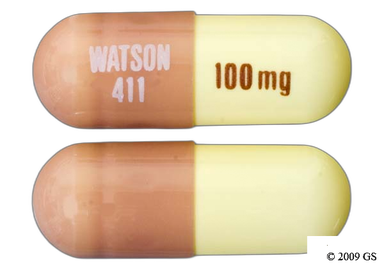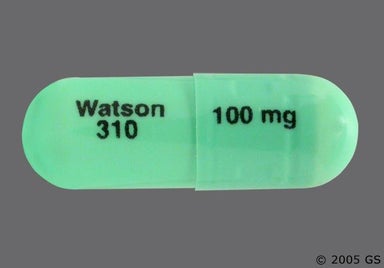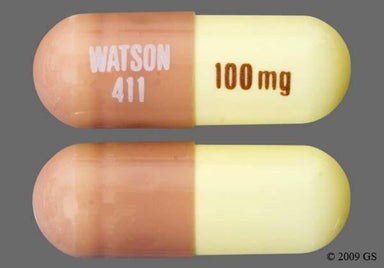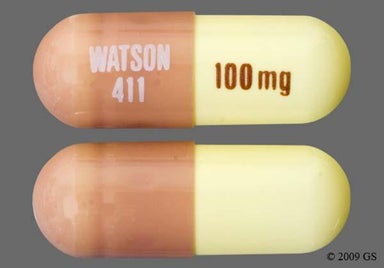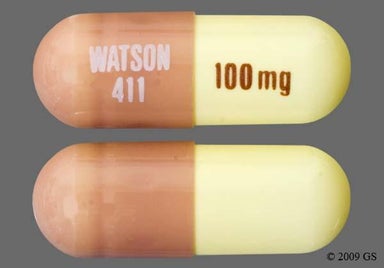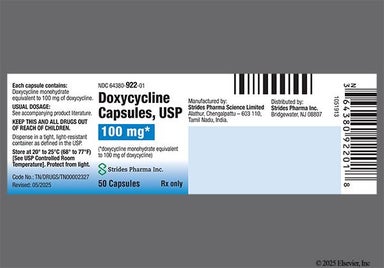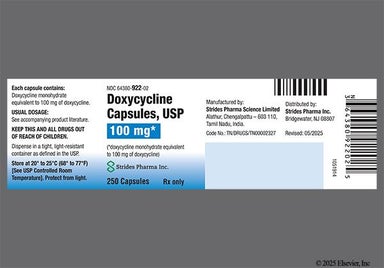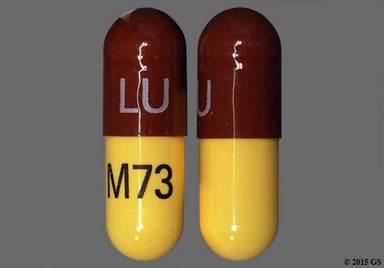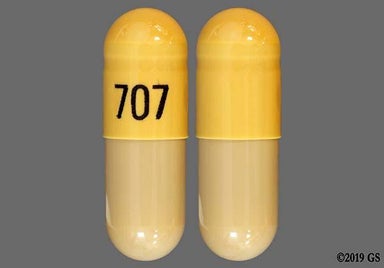


Doxycycline Monohydrate Coupon - Doxycycline Monohydrate 100mg capsule

doxycycline monohydrate

Generic Mondoxyne NL
Used for Acne, Bacterial Infection, Lower Respiratory Infection, Malaria, Pneumonia, Rosacea, Typhoid, Upper Respiratory Infection, Urinary Tract Infection

Doxycycline monohydrate is an antibiotic that treats many types of bacterial infections. It can be used in adults and children to treat infections, but it can sometimes cause tooth discoloration in children 8 years and younger. It's also used to treat rosacea.

Reviewed by:Last reviewed on February 24, 2022
basics-icon

What is Doxycycline monohydrate?

What is Doxycycline monohydrate used for?

Doxycycline monohydrate is used to treat many different infections caused by bacteria. Some examples include:

  • Lung infections (such as pneumonia)
  • Infections caused by ticks, mites, or fleas (Rocky Mountain spotted fever or typhus fever)
  • Sexually transmitted infections (STIs such as chlamydia, gonorrhea, or syphilis)
  • Urinary tract infections (UTIs)
  • Stomach infections
  • Severe acne
  • Anthrax
  • Plague
  • Cholera
  • Rosacea

How Doxycycline monohydrate works

Doxycycline monohydrate is a tetracycline antibiotic. It prevents bacteria from making certain proteins, which stops them from multiplying and spreading in your body. The way it works to treat rosacea isn't fully known, but it's thought to help lower inflammation.

Drug facts

Drug ClassTetracycline antibiotic
Controlled Substance ClassificationNot a controlled medication
Generic StatusLower-cost generic available
AvailabilityPrescription only
side-effects-icon

Side effects of Doxycycline monohydrate

The following side effects may get better over time as your body gets used to the medication. Let your healthcare provider know immediately if you continue to experience these symptoms or if they worsen over time.

Common Side Effects

Doxycycline monohydrate (Monodox, Vibramycin):

  • Nausea
  • Vomiting
  • Stomach pain or discomfort
  • Diarrhea
  • Skin rash
  • Sensitivity to sunlight

Oracea:

  • Nose and throat infection (5%)
  • Diarrhea (5%)
  • Sinus infection (3%)
  • High blood pressure (3%)
  • Stuffy nose (2%)
  • Fungal infection (2%)
  • Flu (2%)
  • Stomach pain (2%)
  • Anxiety (2%)
  • Pain (2%)

Less Common Side Effects

Doxycycline monohydrate (Monodox, Vibramycin):

  • Low appetite
  • Swollen tongue
  • Difficulty swallowing
  • Inflammation in colon
  • Inflammation in pancreas (pancreatitis)
  • Inflammation or ulcer in esophagus
  • Skin itching
  • Teeth staining or thinning
  • Low blood cell counts
  • Liver damage
  • Kidney damage

Oracea:

  • Soreness in throat or nose
  • Stomach bloating or discomfort
  • Dry mouth
  • Back pain
  • Sinus headache
  • High blood sugar
  • Liver damage

Doxycycline monohydrate serious side effects

Contact your healthcare provider immediately if you experience any of the following.

  • Infectious diarrhea: severe diarrhea, watery or bloody stools, stomach cramps, stomach pain, fever, loss of appetite, nausea, vomiting
  • Pseudotumor cerebri or intracranial hypertension (high pressure in the brain): headache, dizziness, blurred vision, swelling inside eye, vision changes, double vision, vision loss
  • Severe allergic reaction: itchy red rash (hives), trouble breathing, chest tightness, swelling of lips, tongue, face, or eyes
  • Serious skin reactions: fever, chills, muscle aches, tiredness, rash, blistering or peeling skin
When do Doxycycline monohydrate possible side effects begin and end?
Time passed since treatment started:
H
D
W
M
Diarrhea
Nausea
Sensitivity to the sun
Irritated esophagus
Seek immediate medical care if you experience this side effect.

Source: DailyMed

The following Doxycycline monohydrate side effects have also been reported

Along with its needed effects, a medicine may cause some unwanted effects. Although not all of these side effects may occur, if they do occur they may need medical attention.

Check with your doctor immediately if any of the following side effects occur:

Incidence not known

Blistering, peeling, or loosening of the skin

bloating

chills

clay-colored stools

constipation

cough

dark urine

decreased appetite

diarrhea

diarrhea, watery and severe, which may also be bloody

difficulty with swallowing

dizziness

fast heartbeat

feeling of discomfort

fever

headache

hives, itching, puffiness or swelling of the eyelids or around the eyes, face, lips, or tongue

hives or welts, itching, or rash

increased thirst

indigestion

inflammation of the joints

joint or muscle pain

large, hive-like swelling on the face, eyelids, lips, tongue, throat, hands, legs, feet, or sex organs

loss of appetite

nausea

numbness or tingling of the face, hands, or feet

pain in the stomach, side, or abdomen, possibly radiating to the back

red skin lesions, often with a purple center

redness and soreness of the eyes

redness of the skin

sore throat

sores, ulcers, or white spots in the mouth or on the lips

stomach cramps

stomach pain or tenderness

swelling of the feet or lower legs

swollen, painful, or tender lymph glands in the neck, armpit, or groin

tightness in the chest

unusual tiredness or weakness

unusual weight loss

vomiting

yellow eyes or skin

Some side effects may occur that usually do not need medical attention. These side effects may go away during treatment as your body adjusts to the medicine. Also, your health care professional may be able to tell you about ways to prevent or reduce some of these side effects. Check with your health care professional if any of the following side effects continue or are bothersome or if you have any questions about them:

Incidence not known

Back, leg, or stomach pains

black, tarry stools

bleeding gums

blood in the urine or stools

blurred vision

bulging soft spot on the head of an infant

change in the ability to see colors, especially blue or yellow

chest pain, discomfort, or burning

cracks in the skin

decrease in vision

difficulty breathing

discoloration of the thyroid glands

double vision

general body swelling

heartburn

increased sensitivity of the skin to sunlight

loss of heat from the body

lower back or side pain

nosebleeds

pain or burning in the throat

pain with swallowing

painful or difficult urination

pale skin

pinpoint red spots on the skin

rash with flat lesions or small raised lesions on the skin

red, swollen skin

redness or other discoloration of the skin

redness, swelling, or soreness of the tongue

scaly skin

severe nausea

severe stomach pain

severe sunburn

tooth discoloration

unusual bleeding or bruising

vomiting blood

Other side effects not listed may also occur in some patients. If you notice any other effects, check with your healthcare professional.

Call your doctor for medical advice about side effects. You may report side effects to the FDA at 1-800-FDA-1088.

prices-container

Get your GoodRx coupon

Avg retail price
$39.66(Save 75.26%)
GoodRx discount
$9.81
See prices
pros-and-cons-icon

Pros and cons of Doxycycline monohydrate

Pros

  • Available as a lower-cost generic medication
  • Available in multiple dosage strengths as both a capsule and tablet
  • Works well to treat a wide range of bacterial infections, including pneumonia and severe acne
  • First-choice treatment option for rosacea (Oracea only)
  • Good option if you're allergic to penicillin antibiotics

Cons

  • Must take twice daily to treat most infections
  • Can make your skin more sensitive to sunlight and cause sunburn
  • Might cause tooth discoloration in children 8 years and younger
  • Oracea needs to be taken on an empty stomach
  • Might not be safe in pregnancy
pharmacist-tips-icon

Pharmacist tips for Doxycycline monohydrate

pharmacist
  • Take each dose of doxycycline monohydrate with plenty of water or other liquids to prevent burning, irritation, and ulcers in your esophagus (the tube that connects your throat to your stomach).
  • If you're taking Oracea, take your capsule on an empty stomach in the morning, at least 1 hour before or two hours after meals. Taking it with food can affect how well it gets absorbed and works in your body.
  • If you're taking Vibramycin monohydrate syrup, make sure to use the measuring syringe or spoon provided by your pharmacist. Don't use household spoons or cups because this might cause you to take the wrong amount.
  • Antacids containing calcium, aluminum, and magnesium interact with doxycycline monohydrate and affect how well it gets absorbed and works in your body. Examples include Tums or Rolaids. Other medications that interact with doxycycline monohydrate include bismuth subsalicylate (Pepto-Bismol) and medications containing iron. If you take any of these medications, let your healthcare provider know before starting doxycycline monohydrate.
  • Doxycycline monohydrate can cause your birth control pills to not work as well. To prevent becoming pregnant, consider using an additional form of birth control, such as condoms, while taking doxycycline monohydrate. Ask your pharmacist or healthcare provider if you have questions about other forms of birth control.
  • Doxycycline monohydrate can interact with blood thinners and raise your risk of bleeding. Examples of blood thinners include warfarin (Coumadin), apixaban (Eliquis), and rivaroxaban (Xarelto). For your safety, your healthcare provider might lower the dose of your blood thinner while you're taking doxycycline monohydrate.
  • Doxycycline monohydrate can sometimes cause vaginal yeast infections because it gets rid of good bacteria in your vagina that typically prevent yeast infections. If you have a history of frequent yeast infections, let your healthcare provider know before starting doxycycline monohydrate. Don't take any medications to treat your yeast infection before discussing with your provider.
  • Avoid spending too much time in the sun or using tanning beds while taking doxycycline monohydrate, since it can make your skin more sensitive to sun damage. Wear protective clothing and sunscreen before going outside to reduce your risk of sunburn.
  • If you have to take doxycycline monohydrate for a long time, your healthcare provider might perform routine blood tests to make sure your labs are within the normal range. Doxycycline monohydrate can lower your red blood cells, white blood cells, and platelets, which are all necessary to build a strong immune system and to fight infections. Let your provider know if this concerns you.
  • If you experience severe diarrhea or watery, bloody stools while taking doxycycline monohydrate or anytime after you stop, contact your provider.
Common questions about Doxycycline Monohydrate

Common questions about Doxycycline Monohydrate

Some people start feeling better within a few days of starting Doxycycline Monohydrate, but it will take longer than that for the medication to treat most infections. Continue taking Doxycycline Monohydrate until your healthcare provider instructs you to stop, even if your symptoms improve. Stopping a course of antibiotics earlier than prescribed, even if you're feeling better, can worsen your infection and make it harder to treat.

No. You shouldn't use Doxycycline Monohydrate for the flu or a common cold because these are viral infections. Doxycycline Monohydrate is an antibiotic that only treats infections caused by bacteria, not viruses. Taking this medication for viral infections can lead to unwanted side effects and might cause it to not work as well for future infections. Discuss your symptoms with your healthcare provider to decide whether or not you need to take Doxycycline Monohydrate.

In most cases, you can take Doxycycline Monohydrate if you have a penicillin allergy. Doxycycline Monohydrate and penicillin VK belong to two different groups of antibiotics. Doxycycline Monohydrate is a tetracycline antibiotic, while penicillin VK is a penicillin antibiotic. The structures of both antibiotics are different, and they kill bacteria in different ways. If you have a penicillin allergy, check with your provider to see if Doxycycline Monohydrate is a good option for you.

Doxycycline Monohydrate is safe to use in children age 9 and older. Children age 8 and younger shouldn't take Doxycycline Monohydrate unless their provider has determined the benefits outweigh the risks of side effects. This is because it can affect the development of their teeth by causing permanent teeth discoloration, staining, and tooth thinning (enamel hypoplasia). These effects are more common if children take Doxycycline Monohydrate for a long time, but it can happen at any time. If your child is 8 years old or younger, discuss the best antibiotic treatment options with your child's healthcare provider.

No. Doxycycline Monohydrate shouldn't be used during pregnancy because it can cause harm to your unborn baby. In animal studies, Doxycycline Monohydrate crossed the placenta and had harmful effects on the development of bones in unborn babies. If you're pregnant or become pregnant, discuss the risks and benefits with your healthcare provider and only take Doxycycline Monohydrate if you absolutely need to.

Doxycycline Monohydrate and doxycycline hyclate are two different forms of the same antibiotic. The antibiotic component ("doxycyline") is the same in both medications, but the salt forms ("hyclate" and "monohydrate") are different. These salt forms might affect how well the medication dissolves in your body, but it's not clear whether one works better than the other. Both medications treat the same bacterial infections, but they might differ in price. Talk to your healthcare provider about the best option for you.

educational-icon

How to save using GoodRx

Compare Prices
1. Compare PricesSpecify your dosage and quantity to find out exactly how much you can save.
Select your free coupon
2. Select your free couponYou can use the displayed coupon, or compare prices at other pharmacies near you.
Show coupon to your pharmacist
3. Show coupon to your pharmacistPresent your printed or electronic coupon when you pick up your prescription.
Get free couponLearn more
warnings-icon

Risks and warnings for Doxycycline monohydrate

Doxycycline monohydrate can cause some serious health issues. This risk may be even higher for certain groups. If this worries you, talk to your doctor or pharmacist about other options.

Permanent tooth discoloration

  • Risk factors: Children 8 years and younger | Pregnancy | Long-term use or repeated use of doxycycline monohydrate

Tetracycline antibiotics, such as doxycycline monohydrate, can cause permanent tooth discoloration and yellow, gray, or brown staining of teeth in babies and young children under the age of 8. It can also cause thinning of the teeth (enamel hypoplasia) and affect growth and development of teeth in children. The risk is higher with long-term use of the medication or with repeated short-term courses. The risk is also higher during the second half of pregnancy. If you're pregnant, breastfeeding, or your child is younger than 8 years old, avoid using doxycycline monohydrate unless it's absolutely necessary to treat a life-threatening infection. Speak with your provider about the risks and benefits of this medication.

Severe diarrhea

  • Risk factors: Use of multiple antibiotics | Long-term use of antibiotics | Older age | History of colon or gut problems

Antibiotics, such as doxycycline monohydrate, can cause severe diarrhea known as Clostridium difficile-associated diarrhea (commonly known as C. diff). Antibiotics get rid of the good bacteria in your gut and change the normal conditions of your gut and colon. This leads to the growth of bacteria like C. diff. This can happen anytime while you're taking doxycycline monohydrate and even over two months after you stop taking the antibiotic. C. diff diarrhea can become life-threatening if it isn't treated properly. Tell your healthcare provider right away if you have diarrhea, loose or watery stools, fever, stomach pain and cramps, nausea, vomiting, or loss of appetite.

High pressure in the brain (intracranial hypertension or pseudotumor cerebri)

  • Risk factors: Women of childbearing age who are overweight or have history of high pressure in the brain | Taking isotretinoin with doxycycline monohydrate | Taking other medications that raise pressure in the brain

Doxycycline monohydrate can cause high pressure in your brain, a condition called intracranial hypertension or pseudotumor cerebri. The chances are higher in women of childbearing age who are either overweight or have a history of high pressure in the brain. The risk is also higher if you take doxycycline monohydrate with isotretinoin (Absorica). It usually goes away after you stop taking doxycycline monohydrate, but it can cause permanent vision loss. Call your healthcare provider right away if you have a headache, dizziness, blurred vision, swelling inside your eye, double vision, vision loss, or any vision changes.

Harm to unborn and young babies

  • Risk factors: Pregnancy | Women of childbearing age | Premature babies

Avoid using doxycycline monohydrate if you're pregnant or plan on becoming pregnant because it can cause serious harm to your unborn baby. Doxycycline monohydrate can cross the placenta and have harmful effects on the growth and development of your unborn baby's teeth and bones. It can also affect bone growth when given to babies who were born early. Pregnant women shouldn't take doxycycline monohydrate unless it's absolutely necessary.

Sunburn

  • Risk factors: Exposure to sunlight or ultraviolet light

Doxycycline monohydrate can make your skin more sensitive to sunlight and cause serious sunburns. Avoid direct exposure to sunlight by wearing sun-protective clothing, such as hats. Apply sunscreen or sunblock lotion before going outside, even on cloudy days. You should also avoid tanning beds while taking doxycycline monohydrate. If you notice skin redness, irritation, or sunburn, stop taking doxycycline monohydrate and let your healthcare provider know.

Damage to the esophagus

Make sure to take your dose of doxycycline monohydrate with plenty of water and avoid lying down for at least 30 minutes afterwards. This is because if the medication is stuck in your esophagus, there's a risk that it can cause irritation and damage, and sometimes ulcers ,in the esophagus. Let your provider know right away if you start to feel pain or a burning sensation in your throat or chest. If your esophagus is damaged, then your provider might ask you to stop taking doxycycline monohydrate.

Autoimmune problems

Tetracyclines, such as doxycycline monohydrate, have been associated with autoimmune problems (when your immune system attacks parts of your body). Let your provider know if you experience fever, rash, joint pain, or if you're feeling unwell while taking this medication.

Skin color changes

Doxycycline monohydrate can cause some areas on your skin to become darker, including your nails, skin, and eyes. Contact your provider if you notice any skin changes.

New infections

Like other antibiotics, using doxycycline monohydrate can lead to overgrowth of other bacteria or fungi. This can lead to a new infection, such as a vaginal yeast infection. Let your provider know if you experience symptoms of an infection, such as fever, chills, or vaginal itching, discharge, or odor.

Sulfite allergy

  • Risk factors: Asthma

Doxycycline monohydrate syrup (Vibramycin) contains a sulfite that can cause allergic reactions, including life-threatening anaphylaxis (closing of the throat). If you have trouble breathing after taking this medication, get emergency medical help right away.

dosage-icon

Doxycycline monohydrate dosage

The average cost for 14 capsules of 100mg of Doxycycline monohydrate is $11.78 with a free GoodRx coupon. This is 21.99% off the average retail price of $15.10.
bottle of oral suspensionBottle of oral suspension
DosageQuantityPrice as low asPrice per unit
60ml of 25mg/5ml1 bottle$13.26$13.26
capsuleCapsule
DosageQuantityPrice as low asPrice per unit
75mg14 capsules$63.64$4.55
100mg14 capsules$11.78$0.84
150mg14 capsules$43.03$3.07
50mg30 capsules$9.81$0.33
40mg30 capsules$164.06$5.47
tabletTablet
DosageQuantityPrice as low asPrice per unit
100mg14 tablets$13.14$0.94
75mg28 tablets$17.02$0.61
150mg14 tablets$21.92$1.57
50mg30 tablets$15.28$0.51

Typical dosage for Doxycycline monohydrate

Infections: Your dose will depend on your condition. You should take the medication exactly as prescribed by your provider. In general:

  • Adults and children weighing 45 kg or more: The typical dose is 200 mg by mouth on day 1 (either 100 mg every 12 hours OR 50 mg every 6 hours), followed by 100 mg per day OR 50 mg every 12 hours. For more severe infections, you might need to take 100 mg by mouth every 12 hours.
  • Children (weight less than 45 kg) with severe or life-threatening infections: The typical dose is 2.2 mg/kg by mouth every 12 hours.
  • Children 8 years and older (weight less than 45 kg) with less severe infections: The typical dose is 4.4 mg/kg by mouth split into two equal doses on day 1, followed by 2.2 mg/kg per day.

Rosacea (Oracea only):

  • Adults: The typical dose is one capsule (40 mg) by mouth every morning on an empty stomach.
reviews-icon

Doxycycline monohydrate reviews

GoodRx has partnered with to provide reviews on the different aspects of Doxycycline monohydrate.

Effectiveness

Learn more about the effectiveness of Doxycycline monohydrate based on real life experiences.

Overall Rating

Based on 90 people taking this medication

2.7

Effectiveness by condition:

Lyme disease58 reviews

2.3

acne12 reviews

2.7

methicillin-resistant Staphylococcus aureus9 reviews

2.9

pneumonia6 reviews

3.1

hidradenitis suppurativa5 reviews

2.3

Side effects
Learn more about the side effects others have reported while taking Doxycycline monohydrate.

Severity of side effects

Based on 237 people taking this medication

None

49%

Mild

19%

Moderate

19%

Severe

15%

0%

50%

100%

Top side effects

Based on 237 people taking this medication

Nausea

17%

Nausea and vomiting

5%

Diarrhea

5%

Skin sensitivity to sun (photosensitivity)

4%

Upset stomach

3%

Usage
Review why people stop taking this medication and how long they take it.

Reasons people stopped taking Doxycycline monohydrate

Based on 360 people who have taken this medication

Course of treatment ended

49%

Doctor's advice

20%

Side effects too severe

14%

Did not seem to work

10%

Other

8%

Personal research

2%

Expense

1%

How long people take Doxycycline monohydrate

Based on 186 people who have taken this medication

Not Specified

1%

6 to 11 months

2%

1 to <2 years

3%

2 to <5 years

10%

5 to <10 years

35%

10+ years

53%

0%

50%

100%

Powered by:
interactions-icon

Interactions between Doxycycline monohydrate and other drugs

Doxycycline monohydrate may interact with certain medications or supplements. Always let your doctor and pharmacist know about any other medications or supplements (including prescribed and over-the-counter medications, vitamins, and dietary or herbal supplements) that you are currently taking. The list below does not include all possible drug interactions with Doxycycline monohydrate. Please note that only the generic name of each medication is listed below.

Although certain medicines should not be used together at all, in other cases two different medicines may be used together even if an interaction might occur. In these cases, your doctor may want to change the dose, or other precautions may be necessary. When you are taking this medicine, it is especially important that your healthcare professional know if you are taking any of the medicines listed below. The following interactions have been selected on the basis of their potential significance and are not necessarily all-inclusive.

Using this medicine with any of the following medicines is not recommended. Your doctor may decide not to treat you with this medication or change some of the other medicines you take.

Using this medicine with any of the following medicines is usually not recommended, but may be required in some cases. If both medicines are prescribed together, your doctor may change the dose or how often you use one or both of the medicines.

Using this medicine with any of the following medicines may cause an increased risk of certain side effects, but using both drugs may be the best treatment for you. If both medicines are prescribed together, your doctor may change the dose or how often you use one or both of the medicines.

  • Aluminum Carbonate, Basic
  • Aluminum Hydroxide
  • Aluminum Phosphate
  • Aminolevulinic Acid
  • Bismuth Subsalicylate
  • Calcium
  • Dihydroxyaluminum Aminoacetate
  • Dihydroxyaluminum Sodium Carbonate
  • Iron
  • Magaldrate
  • Magnesium Carbonate
  • Magnesium Hydroxide
  • Magnesium Oxide
  • Magnesium Trisilicate
  • Rifampin
  • Rifapentine
cost-icon

How much does Doxycycline monohydrate cost?

To access savings, use a GoodRx coupon and pay just a fraction of the retail price.
Doxycycline monohydrate (generic)
GoodRx lowest price

$9.81

alternatives-icon

What are alternatives to Doxycycline monohydrate?

There are a number of medications that your doctor can prescribe in place of Doxycycline monohydrate. Compare a few possible alternatives below.
Doxycycline monohydrate
Used for:

Doxycycline monohydrate is used to treat many different infections caused by bacteria. Some examples include:

  • Lung infections (such as pneumonia)
  • Infections caused by ticks, mites, or fleas (Rocky Mountain spotted fever or typhus fever)
  • Sexually transmitted infections (STIs such as chlamydia, gonorrhea, or syphilis)
  • Urinary tract infections (UTIs)
  • Stomach infections
  • Severe acne
  • Anthrax
  • Plague
  • Cholera
  • Rosacea
$9.81Lowest GoodRx priceView prices
Used for:

Doxycycline hyclate is used to prevent malaria due to the parasite Plasmodium falciparum and to treat many different infections caused by bacteria. Some examples include:

  • Respiratory tract infections, including in the nose, throat, and lungs
  • Infections caused by ticks, mites, or fleas (Rocky Mountain spotted fever or typhus fever)
  • Sexually-transmitted infections (STIs) like chlamydia, gonorrhea, chancroid, and syphilis
  • Lyme disease
  • Urinary tract infections (UTIs)
  • Severe acne
  • Anthrax
  • Plague
  • Cholera
$9.78Lowest GoodRx priceView prices
Used for:
$47.13Lowest GoodRx priceView prices
latest-news-icon

News about Doxycycline monohydrate

Read on to learn about the common and rare side effects of doxycycline and how to manage them.
7 Doxycycline Side Effects You Should Know About
Read on to learn about the common and rare side effects of doxycycline and how to manage them.
Doxycycline hyclate and doxycycline monohydrate are different forms of the same antibiotic. But is one better? Read about the differences in side effects and more.
Doxycycline Hyclate vs. Monohydrate: A Clear, Simple Guide to Their Differences
Doxycycline hyclate and doxycycline monohydrate are different forms of the same antibiotic. But is one better? Read about the differences in side effects and more.
The CDC now recommends Doxy PEP, which is a dose of doxycycline taken as post-exposure prophylaxis. But can doxycycline prevent STIs? Here’s what we know.
Doxy PEP: Can Doxycycline Actually Prevent STIs After Sex?
The CDC now recommends Doxy PEP, which is a dose of doxycycline taken as post-exposure prophylaxis. But can doxycycline prevent STIs? Here’s what we know.
Dry mouth isn’t just an annoyance, it can lead to serious dental issues if left untreated. Read on to see which medications are most likely to cause dry mouth.
Is Your Medication Causing Dry Mouth?
Dry mouth isn’t just an annoyance, it can lead to serious dental issues if left untreated. Read on to see which medications are most likely to cause dry mouth.
Doxycycline can begin working within a couple of days, though it can take 1 to 2 weeks to fully clear an infection. Read more about doxycycline, here.
How Long Does Doxycycline Take to Work? Plus, 6 More Doxycycline FAQs
Doxycycline can begin working within a couple of days, though it can take 1 to 2 weeks to fully clear an infection. Read more about doxycycline, here.
Doxycycline is an effective antibiotic that treats a wide range of infections, but are there alternatives? Learn more here.
Doxycycline Alternatives: Other Treatment Options and Additional Ways to Save
Doxycycline is an effective antibiotic that treats a wide range of infections, but are there alternatives? Learn more here.
The recommended dose of doxycycline varies depending on its indication. Get complete doxycycline dosage info for adults and kids, including info on missed doses.
Doxycycline Dosages: Your GoodRx Guide
The recommended dose of doxycycline varies depending on its indication. Get complete doxycycline dosage info for adults and kids, including info on missed doses.
Antibiotics are used to treat infections caused by bacteria. Taking antibiotics when you don't need them might lead to adverse side effects. Learn why here.
When Do You Really Need Antibiotics?
Antibiotics are used to treat infections caused by bacteria. Taking antibiotics when you don't need them might lead to adverse side effects. Learn why here.
Pregnancy breakouts are common, but they’re no fun. Luckily, there is relief in every trimester. Learn why pregnancy acne happens and how to treat it safely.
What Causes Pregnancy Acne and How Can You Treat It?
Pregnancy breakouts are common, but they’re no fun. Luckily, there is relief in every trimester. Learn why pregnancy acne happens and how to treat it safely.
Diarrhea is a side effect of most antibiotics. Antibiotics can cause diarrhea because they kill certain types of bacteria in your GI tract. This may lead to serious diarrhea caused by a Clostridium difficile infection. Learn more here.
Which Antibiotics Are Less Likely to Cause Diarrhea From C. diff?
Diarrhea is a side effect of most antibiotics. Antibiotics can cause diarrhea because they kill certain types of bacteria in your GI tract. This may lead to serious diarrhea caused by a Clostridium difficile infection. Learn more here.
images-icon

Doxycycline monohydrate images

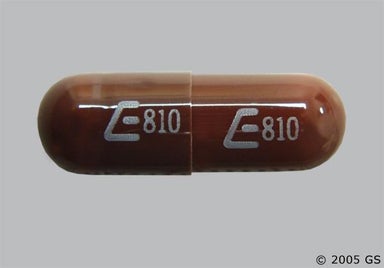
Brown E810 E810 - Doxycycline Monohydrate 100mg Capsule
This medicine is Brown Capsule Imprinted With "E810 E810".Brown E810 E810 - Doxycycline Monohydrate 100mg Capsule
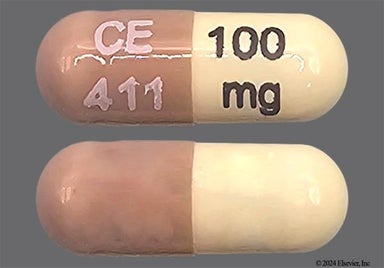
Brown And White Ce 411 100 Mg - Doxycycline Monohydrate 100mg Capsule
This medicine is Brown And White Capsule Imprinted With "Ce 411 100 Mg".Brown And White Ce 411 100 Mg - Doxycycline Monohydrate 100mg Capsule
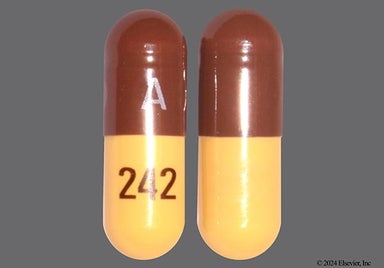
Brown And Yellow A 242 - Doxycycline Monohydrate 100mg Capsule
This medicine is Brown And Yellow Capsule Imprinted With "A 242".Brown And Yellow A 242 - Doxycycline Monohydrate 100mg Capsule
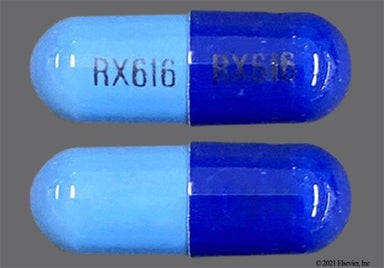
Blue Rx616 Rx616 - Doxycycline Monohydrate 100mg Capsule
This medicine is Blue Capsule Imprinted With "Rx616 Rx616".Blue Rx616 Rx616 - Doxycycline Monohydrate 100mg Capsule
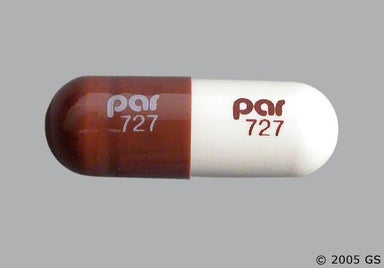
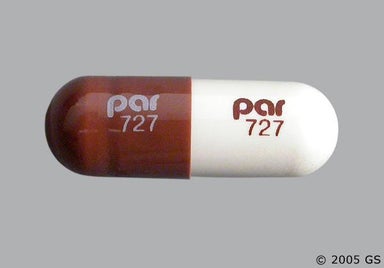
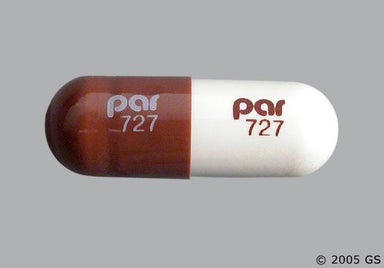
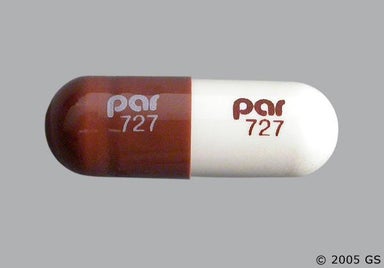
Brown And White Par 727 Par 727 - Doxycycline Monohydrate 100mg Capsule
This medicine is Brown And White Capsule Imprinted With "Par 727 Par 727".Brown And White Par 727 Par 727 - Doxycycline Monohydrate 100mg Capsule
Brown And White Logo 100 - Doxycycline Monohydrate 100mg Capsule
This medicine is Brown And White Capsule Imprinted With "Logo 100".Brown And White Logo 100 - Doxycycline Monohydrate 100mg Capsule
Brown And White Logo 100 - Doxycycline Monohydrate 100mg Capsule
This medicine is Brown And White Capsule Imprinted With "Logo 100".Brown And White Logo 100 - Doxycycline Monohydrate 100mg Capsule
Brown And Yellow Lu M73 - Doxycycline Monohydrate 100mg Capsule
This medicine is Brown And Yellow Capsule Imprinted With "Lu M73".Brown And Yellow Lu M73 - Doxycycline Monohydrate 100mg Capsule
Yellow And Orange 707 - Doxycycline Monohydrate 100mg Capsule
This medicine is Yellow And Orange Capsule Imprinted With "707".Yellow And Orange 707 - Doxycycline Monohydrate 100mg Capsule

Get savings updates for Doxycycline monohydrate

Receive price alerts, news, and other messages from GoodRx about Doxycycline monohydrate and other healthcare topics and relevant savings offers.

By providing your email, you consent to receive marketing communications from GoodRx, which may include content and/or data related to men's health, women's health, reproductive care, or sexual health. You agree to the GoodRx Terms of Use and acknowledge the Privacy Policy. You can unsubscribe at any time.

Compare other Pneumonia, Typhoid, Bacterial Infection, Upper Respiratory Infection, Lower Respiratory Infection, Rosacea, Acne, Urinary Tract Infection, Malaria drugs