doxercalciferol
Hectorol (doxercalciferol) is a lab-made form of vitamin D2. It's a medication that's used to lower parathyroid hormone (PTH) levels in people with chronic kidney disease (CKD), including those on dialysis. Hectorol (doxercalciferol) is available as lower-cost generic capsules and an injection through the vein (intravenous or IV). Side effects include infection, constipation, runny nose, and cough.


What is Hectorol (doxercalciferol)?
What is Hectorol (doxercalciferol) used for?
- High PTH levels (secondary parathyroidism) in adults with stage 3 or stage 4 chronic kidney disease (CKD) - capsules only
- High PTH levels in adults with CKD and on dialysis - capsules and IV injection
How Hectorol (doxercalciferol) works
Hectorol (doxercalciferol) is a vitamin D analog. It acts like vitamin D, which has a complex relationship with calcium and parathyroid hormone (PTH) levels in your body. By acting like vitamin D, Hectorol (doxercalciferol) raises calcium absorption, which in turn blocks the production of PTH in the body. This helps lower PTH levels.
Drug facts
| Common Brands | Hectorol |
|---|---|
| Drug Class | Vitamin D analog |
| Controlled Substance Classification | Not a controlled medication |
| Generic Status | Lower-cost generic available |
| Availability | Prescription only |

Side effects of Hectorol (doxercalciferol)
The following side effects may get better over time as your body gets used to the medication. Let your healthcare provider know immediately if you continue to experience these symptoms or if they worsen over time.
Common Side Effects
Stage 3 or 4 CKD:
- Infection (30%)
- Constipation (26%)
- Runny nose (22%)
- Cough (19%)
- Shortness of breath (19%)
- "Pin and needles" feeling in arms or legs (15%)
- Weakness (15%)
CKD on dialysis:
- Swelling (34%)
- Not feeling well (28%)
- Headache (28%)
- Nausea or vomiting (21%)
- Dizziness (12%)
- Shortness of breath (12%)
Less Common Side Effects
- Loss of appetite
- Upset stomach
- Joint pain
- Chest pain
- Itchiness
- Slow heart beat
- Sleep problems
Hectorol (doxercalciferol) serious side effects
Contact your healthcare provider immediately if you experience any of the following.
- High blood calcium levels: fatigue, muscle weakness, loss of appetite, nausea, vomiting, constipation, bone pain, depression, confusion
- Serious allergic reaction: anaphylaxis; swelling of the face, lips, or airways; chest discomfort; shortness of breath
The following Hectorol (doxercalciferol) side effects have also been reported
Side effects that you should report to your care team as soon as possible:
- Allergic reactions—skin rash, itching, hives, swelling of the face, lips, tongue, or throat
- High calcium level—increased thirst or amount of urine, nausea, vomiting, confusion, unusual weakness or fatigue, bone pain
- High phosphorus level—muscle pain or cramps, bone or joint pain, numbness and tingling around the mouth
Side effects that usually do not require medical attention (report to your care team if they continue or are bothersome):
- Constipation
- Dizziness
- Dry mouth
- Headache
- Loss of appetite
- Metallic taste in mouth
- Nausea
- Vomiting

Get your GoodRx coupon

Pros and cons of Hectorol (doxercalciferol)
Pros
- Capsules are taken once per day
- Can help lower PTH levels
- Available as a lower-cost generic
Cons
- Interacts with a lot of medications, such as calcium- or vitamin-D containing products and digoxin (Lanoxin)
- Risk of high calcium levels
- Requires frequent lab monitoring

Pharmacist tips for Hectorol (doxercalciferol)

- Take Hectorol (doxercalciferol) with or without food. If it's hurting your stomach, try taking it with food to help.
- Mark your calendar with your appointments to see your provider and to get any blood work done during treatment with Hectorol (doxercalciferol). Your provider will keep track of your kidney health and measure your blood levels of calcium, vitamin D, and PTH. This helps you and your provider see how well the medication is working for you.
- Make sure to keep a healthy diet while you're taking Hectorol (doxercalciferol). This includes having a balanced and consistent diet of vitamin D-containing and calcium-containing foods so your calcium levels don't get too high or too low.
- Hectorol (doxercalciferol) interacts with a lot of medications. These interactions can affect how safe your medications are for you or how well they work. Some of these interactions include with magnesium-containing products like Milk of Magnesia, calcium-containing products, phenobarbital, and certain diuretics. Tell your providers about all of the medications you're taking before starting Hectorol (doxercalciferol). Don't start any new medications while taking Hectorol (doxercalciferol) without asking your pharmacist or provider if it's okay to take together.
- Let your provider and pharmacist know if you're taking a heart medication called digoxin (Lanoxin). Your provider will want to check your blood calcium levels more closely. This is because Hectorol (doxercalciferol) can cause your blood calcium levels to rise, which can make you more sensitive to the effects of digoxin. This raises your risk of digoxin side effects.

Risks and warnings for Hectorol (doxercalciferol)
Hectorol (doxercalciferol) can cause some serious health issues. This risk may be even higher for certain groups. If this worries you, talk to your doctor or pharmacist about other options.
High blood calcium levels
- Risk factors: Conditions that cause high calcium levels | Taking too much vitamin D | Taking too much calcium | Taking thiazide diuretics
Hectorol (doxercalciferol) can sometimes lead to high calcium levels in the blood, which can be serious. High levels of calcium can raise your risk of heart, blood vessel problems, and seizures. You're at risk of having very high calcium levels if you're taking Hectorol (doxercalciferol) with high doses of calcium-containing products (e.g., supplements), certain diuretics ("water pills"), or other vitamin D products. For this reason, don't take additional vitamin D- or calcium-containing foods or supplements unless your provider said it's safe for you to do so.
To make sure your blood calcium levels are safe, you'll need to get blood work done during treatment (more often at the start of treatment or when the dose changes, then eventually once every 3 months). Depending on your calcium levels, your provider might adjust your Hectorol (doxercalciferol) dose. Let your provider know if you notice any signs of high blood calcium levels, such as tiredness, problems thinking clearly, loss of appetite, nausea, vomiting, constipation, and muscle weakness.
Serious allergic reaction
Some people have had a serious and sometimes life-threatening allergic reaction to Hectorol (doxercalciferol). These reactions can include anaphylaxis; swelling of the face, lips, or airways; chest discomfort; and shortness of breath. Get medical help or call 911 if you experience an allergic reaction at any time while you're taking Hectorol (doxercalciferol).
Broken bones (fractures)
It's possible for Hectorol (doxercalciferol) to lower your PTH levels too much. This can cause your bones to weaken, which raises your risk of fractures. Your provider will check your PTH levels closely through blood work while you're taking Hectorol (doxercalciferol). They'll adjust your dose to make sure your PTH levels are healthy.

Hectorol (doxercalciferol) dosage
 Capsule
| Dosage | Quantity | Price as low as | Price per unit |
|---|---|---|---|
| 0.5mcg | 90 capsules | $182.05 | $2.02 |
| 1mcg | 30 capsules | $112.95 | $3.77 |
| 2.5mcg | 30 capsules | $129.95 | $4.33 |
Typical dosage for Hectorol (doxercalciferol)
-
Capsules
- Stage 3 or 4 CKD: The typical starting dose is 1 mcg by mouth once a day. The maximum dose is 3.5 mcg once a day.
- CKD on dialysis: The typical starting dose is 10 mcg by mouth three times a week at dialysis appointments. The maximum dose is 20 mcg three times a week at dialysis appointments.
-
Injection
- CKD on dialysis: The medication is given by a healthcare provider at the end of your dialysis appointment. The typical starting dose is 4 mcg injected to the veins (IV) three times a week. The maximum dose is 18 mcg per week.
Your provider will adjust your dose based on your PTH and calcium levels.

How much does Hectorol (doxercalciferol) cost?
$112.95

Hectorol (doxercalciferol) contraindications
Contraindications are specific health conditions or situations in which a person should not take a medication due to safety concerns. If you have any of the following conditions or if any of the following apply to you, let your healthcare provider know because Hectorol (doxercalciferol) will not be safe for you to take.
- High calcium levels in the blood (hypercalcemia)
- Vitamin D toxicity

What are alternatives to Hectorol (doxercalciferol)?

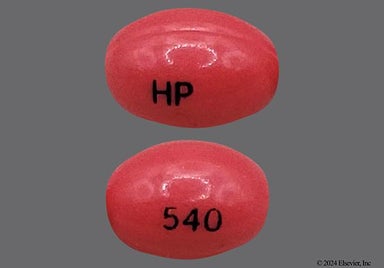
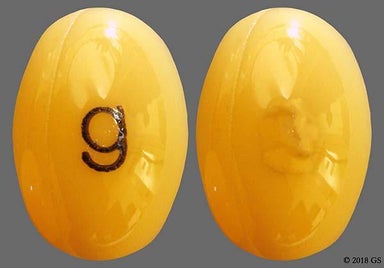
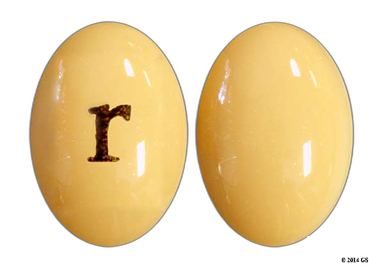
Hectorol (doxercalciferol) images