


Myrbetriq vs. Oxybutynin for Overactive Bladder: 5 Differences to Consider
Myrbetriq (mirabegron) and oxybutynin are popular medications for overactive bladder. They work by relaxing certain muscles. Compare side effects and more differences here.
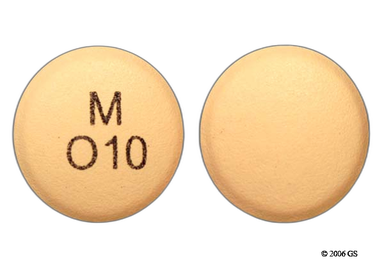
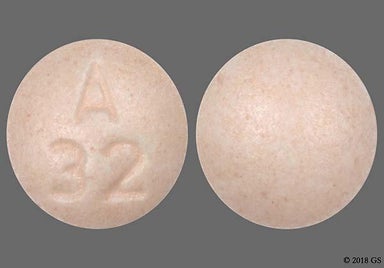
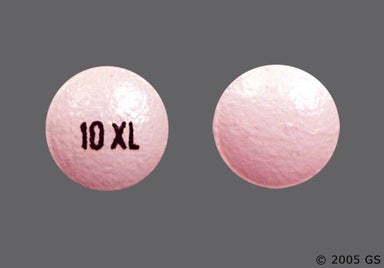
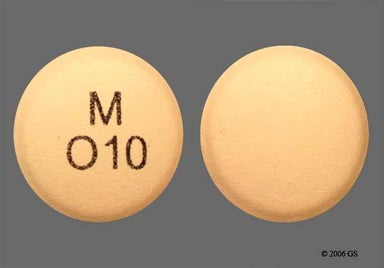
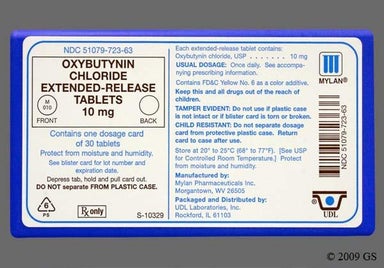
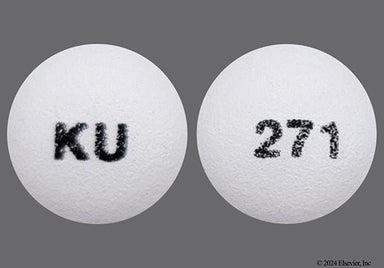
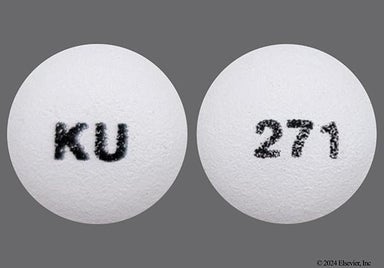
Oxybutynin is used to treat overactive bladder (OAB). Oral oxybutynin is available as a short-acting tablet and solution that is taken 2 to 4 times a day. It also comes as a long-acting tablet that's taken once daily (brand name Ditropan XL). Some common side effects of oxybutynin include dry mouth, constipation, and dizziness. Older adults typically lower doses of this medication to lower the risk for side effects.

Oxybutynin is an anticholinergic and antimuscarinic medication that relaxes the muscles in your bladder. Relaxed bladder muscles have fewer spasms, and this eases your need to urinate.
| Common Brands | Ditropan XL |
|---|---|
| Drug Class | Urinary antispasmodic |
| Controlled Substance Classification | Not a controlled medication |
| Generic Status | Lower-cost generic available |
| Availability | Prescription only |

The following side effects may get better over time as your body gets used to the medication. Let your healthcare provider know immediately if you continue to experience these symptoms or if they worsen over time.
Contact your healthcare provider immediately if you experience any of the following.
Along with its needed effects, a medicine may cause some unwanted effects. Although not all of these side effects may occur, if they do occur they may need medical attention.
Check with your doctor immediately if any of the following side effects occur:
Get emergency help immediately if any of the following symptoms of overdose occur:
Symptoms of overdose
Clumsiness or unsteadiness
confusion
convulsions
dizziness
drowsiness (severe)
fainting
fast, slow, or irregular heartbeat
flushing or redness of the face
hallucinations (seeing, hearing, or feeling things that are not there)
troubled breathing
unusual excitement, nervousness, restlessness, or irritability
Some side effects may occur that usually do not need medical attention. These side effects may go away during treatment as your body adjusts to the medicine. Also, your health care professional may be able to tell you about ways to prevent or reduce some of these side effects. Check with your health care professional if any of the following side effects continue or are bothersome or if you have any questions about them:
More common
Acid or sour stomach
belching
decreased sweating
difficulty having a bowel movement (stool)
drowsiness
dryness of the eyes, mouth, nose, or throat
indigestion
stomach discomfort, upset, or pain
Less common or rare
Blurred vision
decreased flow of breast milk
decreased sexual ability
difficulty in swallowing
feeling of warmth or heat
headache
increased sensitivity of the eyes to light
nausea or vomiting
trouble with sleeping
unusual tiredness or weakness
Incidence not known
Observed during clinical practice with oxybutynin; estimates of frequency cannot be determined
Bloating or swelling of the face, arms, hands, lower legs, or feet
decreased interest in sexual intercourse
inability to have or keep an erection
loss in sexual ability, desire, drive, or performance
rapid weight gain
tingling of the hands or feet
unusual weight gain or loss
Other side effects not listed may also occur in some patients. If you notice any other effects, check with your healthcare professional.
Call your doctor for medical advice about side effects. You may report side effects to the FDA at 1-800-FDA-1088.




Oxybutynin can cause some serious health issues. This risk may be even higher for certain groups. If this worries you, talk to your doctor or pharmacist about other options.
Angioedema (swelling of the face, lips, tongue, throat, or other organs) can happen at any time while you're taking oxybutynin, and can make it difficult to breathe in more serious cases. Talk to your healthcare provider if you've any head or neck swelling that doesn't go away.
Oxybutynin can cause side effects like confusion, drowsiness, and hallucinations. These side effects usually show up within the first few months of taking this medication or when your dose is raised. It's more common if you're taking higher doses of oxybutynin, are taking anticholinesterase medications for dementia, or if you have another condition that affects your nervous system like Parkinson's disease. Be careful driving or performing activities that require you to be alert until you know how the medication affects you. Tell your provider if you notice any of these side effects, as you might need a lower dose of oxybutynin or a different medication.
Because of how this medication works and its possible side effects, oxybutynin can make symptoms of other medical conditions worse. For this reason, it should be used carefully if you have myasthenia gravis, trouble urinating, or certain conditions that affect your stomach and intestines, including ulcerative colitis or acid reflux.
Oxybutynin lowers your body's ability to sweat and respond to hot temperatures. This can cause your body to overheat, which can be dangerous in hot weather. It is possible for those taking oxybutynin to have heat exhaustion or a heat stroke during hot weather or while exercising. Stay well-hydrated in these situations and avoid hot temperatures if you can.

 Tablet
| Dosage | Quantity | Price as low as | Price per unit |
|---|---|---|---|
| 10mg | 30 tablets | $8.50 | $0.28 |
| 15mg | 90 tablets | $27.27 | $0.30 |
| 5mg | 90 tablets | $23.35 | $0.26 |
Immediate-release tablets, oral syrup, and oral solution:

Although certain medicines should not be used together at all, in other cases two different medicines may be used together even if an interaction might occur. In these cases, your doctor may want to change the dose, or other precautions may be necessary. When you are taking this medicine, it is especially important that your healthcare professional know if you are taking any of the medicines listed below. The following interactions have been selected on the basis of their potential significance and are not necessarily all-inclusive.
Using this medicine with any of the following medicines is not recommended. Your doctor may decide not to treat you with this medication or change some of the other medicines you take.
Using this medicine with any of the following medicines is usually not recommended, but may be required in some cases. If both medicines are prescribed together, your doctor may change the dose or how often you use one or both of the medicines.
Using this medicine with any of the following medicines may cause an increased risk of certain side effects, but using both drugs may be the best treatment for you. If both medicines are prescribed together, your doctor may change the dose or how often you use one or both of the medicines.


Contraindications are specific health conditions or situations in which a person should not take a medication due to safety concerns. If you have any of the following conditions or if any of the following apply to you, let your healthcare provider know because Oxybutynin will not be safe for you to take.









Prescription savings
Stop paying too much for your prescriptions. Compare prices, get pharmacy coupons, and save up to 80%. Find expert answers to your health questions so you can make the best decisions for yourself and your family.
Health conditions
Medications & treatment
Access & affordability
Medication discounts

In general, your body absorbs Oxybutynin ER in 1 to 6 hours after you take it, depending on whether you're taking the short-acting or long-acting form. Keep in mind that if you're starting Oxybutynin ER for the first time, it might take a few months before you and your provider find a dose that works for you. This is because your provider will have you start at a lower dose, then raise it slowly over time to see if your body can tolerate the side effects, such as dry mouth, constipation. If Oxybutynin ER works for you, you should expect to feel less of an urge to go to the bathroom, and less urine leakage throughout the day. Your provider might recommend you to keep a void diary at the start of treatment so you can track how well Oxybutynin ER is working.
Weight gain isn't a side effect reported by people who took Oxybutynin ER in clinical trials. But few people did note holding on to more fluids, which might cause weight gain. Talk to your provider if you have concerns about your weight.
No. Oxybutynin ER isn't a narcotic, and it doesn't have potential for dependence or addiction. It won't directly help with pain, though it might give you some bladder pain relief by relaxing the muscles in the bladder.
The long-acting version of oxybutynin (Ditropan XL) is taken once daily, but you can take it at any time of the day, as long as it's about the same time every day. This will help keep the levels of medication steady in your body. If you have side effects like dizziness or drowsiness right after you take your dose, taking it at night might make it less likely to feel these effects during the day. The short-acting version of Oxybutynin ER is taken 2 to 4 times a day, so it's best to space the doses out evenly during the time you're awake.
Don't suddenly stop taking Oxybutynin ER without first talking with your provider. Stopping anticholinergic medications, such as Oxybutynin ER, might lead to rebound symptoms, such as nausea, sweating, and the urge the urinate more often. If you want to stop Oxybutynin ER, your provider can help you do so safely.
Dry mouth is a very common side effect of Oxybutynin ER. The risk of having dry mouth goes up with higher doses of the medication. If you experience dry mouth, talk to your provider about what you can do to get relief. They can recommend possible options, such as chewing sugar-free gum or sipping cool liquids throughout the day.
Both Oxybutynin ER and Myrbetriq (mirabegron) are used to treat overactive bladder, but they do so in different ways. (1) One main difference is side effects. Oxybutynin ER can cause more bothersome side effects than Myrbetriq (mirabegron), such as dry mouth and drowsiness. Oxybutynin ER might not be the best choice for older adults who are at higher risk for falls from these side effects. (2) Another difference is formulation. While Myrbetriq (mirabegron) is only available as the oral form, oxybutynin is also available in a patch and gel, in addition to the oral form. Talk with your provider if you've more questions about the differences between these medications.
