


Budesonide, Rinvoq, and More: 8 Oral Crohn’s Disease Medications
Crohn's disease is a chronic inflammatory bowel disease. Treatment typically focuses on managing symptoms and may include these Crohn’s disease medications.
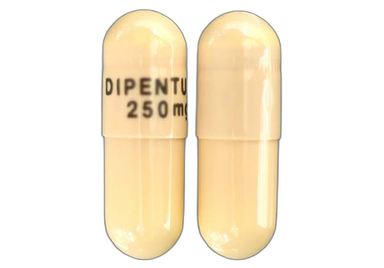
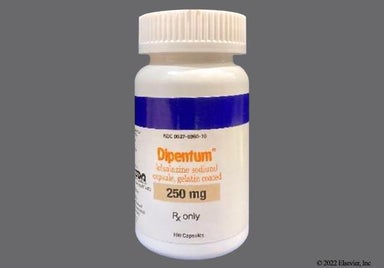
Dipentum (olsalazine) is used to prevent flare-ups from ulcerative colitis (UC) in adults. It belongs to a drug class known as aminosalicylates. This medication is a capsule that's taken by mouth. The usual dosage is 2 capsules twice a day. Potential side effects include diarrhea and stomach pain. Dipentum (olsalazine) isn't available as a generic yet.

Dipentum (olsalazine) is an aminosalicylate. It lessens inflammation in your gut. This helps prevent flare-ups of UC.
| Common Brands | Dipentum |
|---|---|
| Drug Class | Aminosalicylate |
| Controlled Substance Classification | Not a controlled medication |
| Generic Status | No lower-cost generic available |
| Availability | Prescription only |

The following side effects may get better over time as your body gets used to the medication. Let your healthcare provider know immediately if you continue to experience these symptoms or if they worsen over time.
Contact your healthcare provider immediately if you experience any of the following.
Along with its needed effects, a medicine may cause some unwanted effects. Although not all of these side effects may occur, if they do occur they may need medical attention.
Check with your doctor immediately if any of the following side effects occur:
More common
Agitation
bloody diarrhea
blood in the urine
coma
confusion
dark-colored urine
decreased urine output
dizziness
general feeling of tiredness or weakness
headache
hostility
increased sensitivity of the skin to sunlight
irritability
itching, skin rash
lethargy
light-colored stools
muscle twitching
pain in the groin or genitals
rapid weight gain
redness or other discoloration of the skin
seizures
severe sunburn
sharp back pain just below ribs
stomach pain
swelling of the face, ankles, or hands
unusual tiredness or weakness
vomiting
yellow eyes or skin
Some side effects may occur that usually do not need medical attention. These side effects may go away during treatment as your body adjusts to the medicine. Also, your health care professional may be able to tell you about ways to prevent or reduce some of these side effects. Check with your health care professional if any of the following side effects continue or are bothersome or if you have any questions about them:
More common
Burning, crawling, itching, numbness, prickling, "pins and needles", or tingling feelings
loss of appetite
Less common
Aching joints and muscles
acid or sour stomach
belching
bloated or full feeling
body aches or pain
bone pain
congestion
cramps
difficulty with moving
dizziness or drowsiness
hoarseness
indigestion
muscle pain or stiffness
passing of gas
shivering
stomach discomfort or upset
sweating
swelling or inflammation of the mouth
swollen joints
tender, swollen glands in the neck
trouble with sleeping
trouble with swallowing
unable to sleep
voice changes
Rare
Decreased interest in sexual intercourse
flushing, redness of the skin
hair loss or thinning of the hair
inability to have or keep an erection
loss in sexual ability, desire, drive, or performance
unusually warm skin
Other side effects not listed may also occur in some patients. If you notice any other effects, check with your healthcare professional.
Call your doctor for medical advice about side effects. You may report side effects to the FDA at 1-800-FDA-1088.




Dipentum (olsalazine) can cause some serious health issues. This risk may be even higher for certain groups. If this worries you, talk to your doctor or pharmacist about other options.
Some people who take Dipentum (olsalazine) have had kidney damage. Let your healthcare team know about any past or current kidney problems. Also tell them about all your medications to check whether you're taking other medications that can harm the kidneys. You'll need to get blood tests done before starting Dipentum (olsalazine) and periodically during treatment. Your prescriber will weigh the risks to your kidney health against the benefits for you to take Dipentum (olsalazine).
Other kidney problems that can happen while you're taking Dipentum (olsalazine) can include having kidney stones. Stay hydrated to prevent kidney stones from forming.
Dipentum (olsalazine) turns into mesalamine in your body. Mesalamine can cause a reaction called acute intolerance syndrome that can look a lot like a flare-up of UC. Stop taking Dipentum (olsalazine) and contact your care team right away if you have worsening UC symptoms, such as cramping, sudden stomach pain, bloody diarrhea, fever, and rash.
Dipentum (olsalazine) can cause serious allergic reactions. These reactions can make it difficult to breathe or cause a severe rash that can be life-threatening. In very severe cases, allergic reactions might involve the organs, such as the heart, liver, and kidneys. Stop taking Dipentum (olsalazine) and get medical help if you think you're having an allergic reaction.
It's rare, but some people have had severe liver problems after they've taken a similar medication called mesalamine. Since Dipentum (olsalazine) gets turned into mesalamine in the body after you take the medication, it's important to let your prescriber know if you have a history of liver problems before you start treatment. They'll make sure Dipentum (olsalazine) is safe for you to take.
Although rare, it's possible for Dipentum (olsalazine) to cause serious skin reactions. They can include Stevens-Johnson syndrome (SJS) or drug reaction with eosinophilia and systemic symptoms (DRESS) syndrome, among others.
Stop taking Dipentum (olsalazine) and get medical help right away if you notice unusual changes in your skin, like rash, blisters, peeling skin, or skin reddening. These skin reactions can sometimes happen with or without fever, sore throat, fatigue, and swollen lymph nodes. Look out for these symptoms as well.
Dipentum (olsalazine) can make your skin more sensitive to sunlight. It can make it easier for you to get a sunburn. This might be more likely to happen if you have a skin condition like eczema. Try to avoid sun exposure as much as possible, wear protective clothing, and use sunscreen when outdoors.

 Capsule
| Dosage | Quantity | Price as low as | Price per unit |
|---|---|---|---|
| 250mg | 120 capsules | $1,898.30 | $15.82 |
The typical dose is 500 mg by mouth two times a day.

Although certain medicines should not be used together at all, in other cases two different medicines may be used together even if an interaction might occur. In these cases, your doctor may want to change the dose, or other precautions may be necessary. When you are taking this medicine, it is especially important that your healthcare professional know if you are taking any of the medicines listed below. The following interactions have been selected on the basis of their potential significance and are not necessarily all-inclusive.
Using this medicine with any of the following medicines is usually not recommended, but may be required in some cases. If both medicines are prescribed together, your doctor may change the dose or how often you use one or both of the medicines.
Using this medicine with any of the following medicines may cause an increased risk of certain side effects, but using both drugs may be the best treatment for you. If both medicines are prescribed together, your doctor may change the dose or how often you use one or both of the medicines.


Contraindications are specific health conditions or situations in which a person should not take a medication due to safety concerns. If you have any of the following conditions or if any of the following apply to you, let your healthcare provider know because Dipentum (olsalazine) will not be safe for you to take.


Prescription savings
Stop paying too much for your prescriptions. Compare prices, get pharmacy coupons, and save up to 80%. Find expert answers to your health questions so you can make the best decisions for yourself and your family.
Health conditions
Medications & treatment
Access & affordability
 Our monthly healthcare membership can help you save thousands on your prescription costs.
Resources

No. Dipentum isn't a biologic because it isn't made from a living source.
No. Dipentum is only available as a brand-name medication. There isn't a generic available yet.
Dipentum belongs to a class of medications called aminosalicylates. These medications work in your gut to lower inflammation.
Both Dipentum and mesalamine are aminosalicylates that are used to treat ulcerative colitis, but they have a few differences. For one, Dipentum is only available as a capsule that's taken by mouth. Mesalamine comes in many different dosage forms, such as oral tablets and capsules, suppositories, and enemas. Additionally, oral mesalamine is usually taken 1 to 4 times a day but Dipentum is taken twice a day. Follow up with your healthcare professional to learn about more differences between these ulcerative colitis medications.
It can take 2 to 3 weeks for Dipentum to start working for most people. Keep in mind that everyone can have a different experience when they take this medication. Talk to your prescriber if you're taking Dipentum every day and are still having flare-ups. This might be a sign that the medication isn't working for you.
There isn't enough information to know whether Dipentum is safe to take during pregnancy. Animal studies show that Dipentum can be harmful to the developing unborn baby, but animals in the studies were given much higher doses of the medication than what humans normally take. Let your prescriber know if you're pregnant or planning to become pregnant. They'll weigh the risks and benefits of using ulcerative colitis medications like Dipentum during pregnancy.
