




Joint Pain Relief: Best Arthritis Creams, Gels, Patches, and Natural Methods
There are many solutions, beyond oral medication, for joint pain relief. Learn more about topical creams, patches, and gels that can help relieve joint pain.
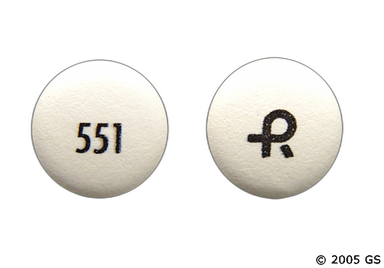
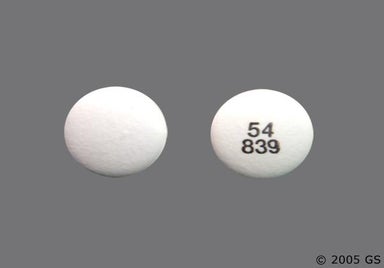
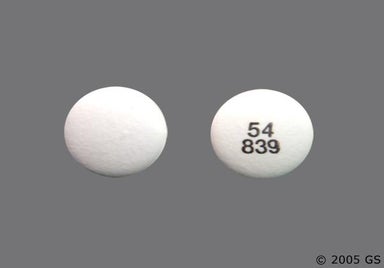
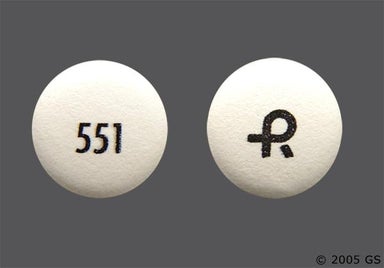
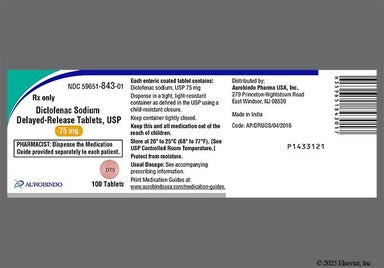
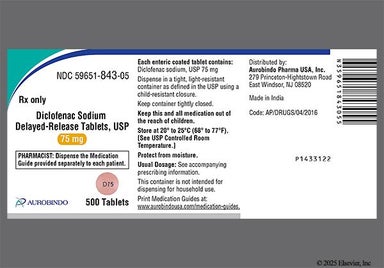
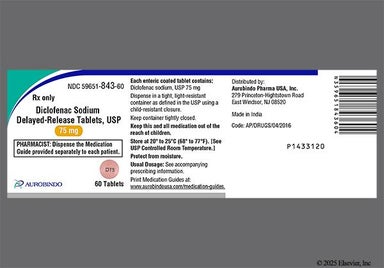
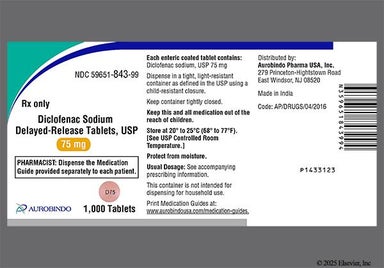
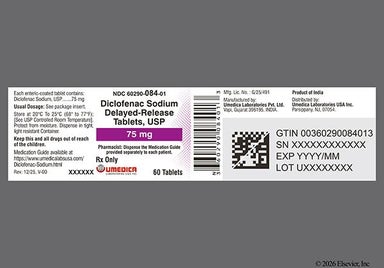
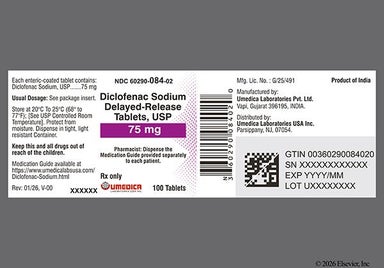
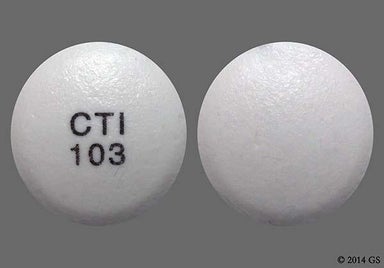
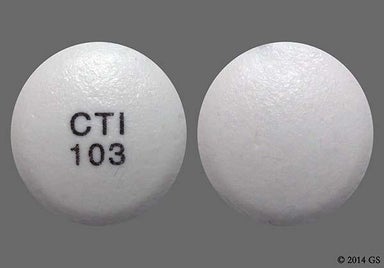
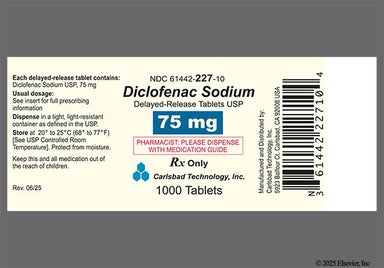
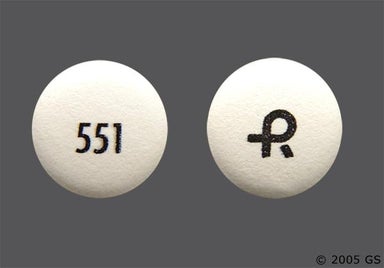
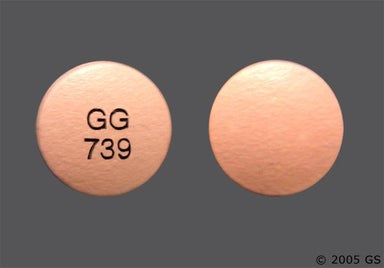
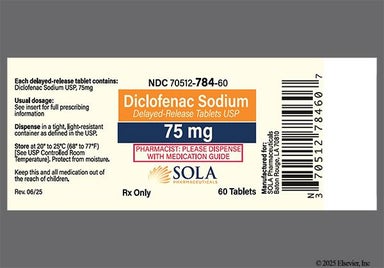
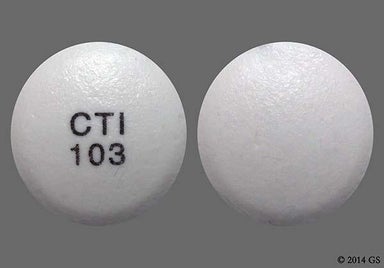
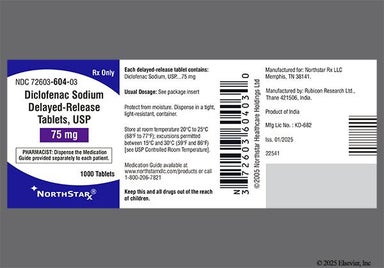
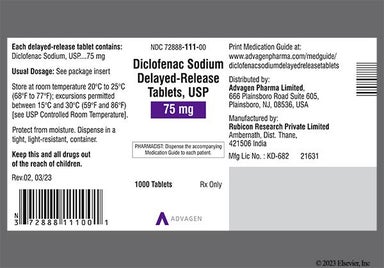
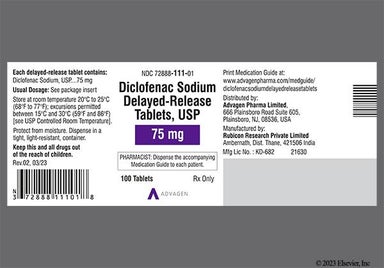
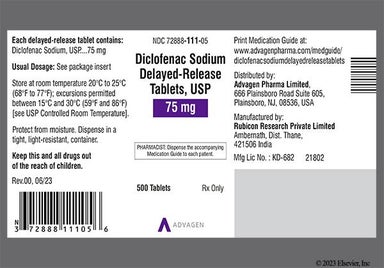
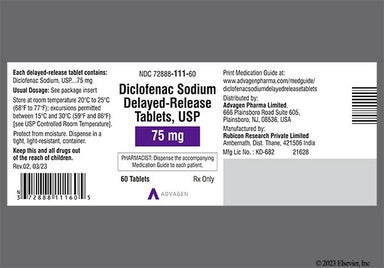
Diclofenac is a prescription non-steroidal anti-inflammatory drug (NSAID) that works well to treat pain and swelling in certain conditions, such as osteoarthritis, rheumatoid arthritis, and menstrual cramps. Diclofenac comes in different formulations, including delayed-release tablet and powder packet for oral solution. Similar to other NSAIDs, it has warnings for serious side effects, such as stroke, heart attack, and stomach bleeds, especially with higher doses and longer use.

Diclofenac is a NSAID. It works by blocking certain proteins in your body that cause pain and swelling.
| Common Brands | Cambia, Lofena, Zipsor, Zorvolex |
|---|---|
| Drug Class | NSAID |
| Controlled Substance Classification | Not a controlled medication |
| Generic Status | Lower-cost generic available |
| Availability | Prescription only |

The following side effects may get better over time as your body gets used to the medication. Let your healthcare provider know immediately if you continue to experience these symptoms or if they worsen over time.
Up to 10% of people taking diclofenac experience:
Contact your healthcare provider immediately if you experience any of the following.
Along with its needed effects, a medicine may cause some unwanted effects. Although not all of these side effects may occur, if they do occur they may need medical attention.
Check with your doctor immediately if any of the following side effects occur:
More common
Abdominal or stomach bloating, burning, cramping, or pain
belching
bloody or black, tarry stools
cloudy urine
decrease in urine output or decrease in urine-concentrating ability
dizziness
feeling of indigestion
headache
increased bleeding time
itching skin or rash
loss of appetite
pain in the chest below the breastbone
pale skin
severe stomach pain
swelling
troubled breathing with exertion
unusual bleeding or bruising
unusual tiredness or weakness
vomiting of blood or material that looks like coffee grounds
Get emergency help immediately if any of the following symptoms of overdose occur:
Symptoms of overdose
Agitation
blurred vision
change in consciousness
change in the ability to see colors, especially blue or yellow
confusion
difficult or troubled breathing
hostility
irregular, fast or slow, or shallow breathing
irritability
loss of consciousness
muscle twitching
nervousness
pain or discomfort in the chest, upper stomach, or throat
pale or blue lips, fingernails, or skin
puffiness or swelling of the eyelids or around the eyes, face, lips, or tongue
rapid weight gain
seizures
sleepiness
slow or fast heartbeat
stupor
swelling of the face, ankles, or hands
tightness in the chest
trouble sleeping
unusual drowsiness, dullness, or feeling of sluggishness
Some side effects may occur that usually do not need medical attention. These side effects may go away during treatment as your body adjusts to the medicine. Also, your health care professional may be able to tell you about ways to prevent or reduce some of these side effects. Check with your health care professional if any of the following side effects continue or are bothersome or if you have any questions about them:
Other side effects not listed may also occur in some patients. If you notice any other effects, check with your healthcare professional.
Call your doctor for medical advice about side effects. You may report side effects to the FDA at 1-800-FDA-1088.




Diclofenac can cause some serious health issues. This risk may be even higher for certain groups. If this worries you, talk to your doctor or pharmacist about other options.
 Diclofenac can raise your risk of having blood clots, heart attacks, or strokes. This can happen as early as within the first weeks of starting this medication. People with heart problems, those taking high doses of diclofenac, and those taking diclofenac for a long time have a higher risk of this happening. That’s why it’s important to take the lowest possible dose for the shortest possible time. If you have heart problems, talk to your healthcare provider before starting this medication. Don't take diclofenac if you've had or will be having heart bypass surgery. Call 911 or seek immediate medical help if you experience chest pain, trouble breathing, weakness on one side of your body, or trouble speaking or walking.
Diclofenac can cause stomach bleeding and ulcers, which can be dangerous. There are many conditions and medications that raise your risk of this problem, so speak with your provider before starting this medication. Stomach bleeding and ulcers can occur without warning or symptoms, so it's best to take the lowest possible dose for the shortest possible time to minimize your risk. If you notice blood in your vomit, stool that looks like black coffee grounds, or if you have pain in your stomach that doesn't go away, stop taking diclofenac and talk to your healthcare provider right away.
Very rarely, diclofenac can cause life-threatening liver damage. This can happen as early as within the first month of starting this medication. Your risk is higher if you take diclofenac with other medications that can also cause liver damage, such as acetaminophen (Tylenol). Liver damage can happen with or without symptoms, so if you take this medication for a long time, you might need to get lab work done regularly to check your liver. Stop diclofenac and talk to your healthcare provider right away if you experience symptoms, such as fever, chills, fatigue, nausea, vomiting, yellowing of the skin or whites of the eyes, clay-colored stool, and dark urine.
Diclofenac can raise your blood pressure, and it can also cause your body to hold onto more water. This can lead to new or worsening blood pressure problems, heart failure, and swelling of your arms and legs. Diclofenac can also cause some blood pressure and heart failure medications, such as furosemide (Lasix), lisinopril (Zestril), and losartan (Cozaar), to not work well. Diclofenac isn't recommended if you have severe heart failure, so discuss with your provider before starting this medication. Monitor your blood pressure closely while taking diclofenac. Let your provider know right away if you notice any changes in your blood pressure or experience symptoms, such as trouble breathing, tiredness, swelling in your body, or sudden weight gain.
Diclofenac can damage your kidneys by slowing down blood flow to the kidneys. The risk is higher if you're taking certain blood pressure medications (like ACE inhibitors, ARBs, or water pills), or have certain conditions (like kidney or liver problems and heart failure). Kidney damage is usually reversible once you stop taking diclofenac. This medication isn't recommended if you have very severe kidney problems, so discuss the risks and benefits of taking it with your provider. Let your provider know if you notice a change in how often you urinate after starting diclofenac as this can be a sign of kidney damage.
In addition, kidney damage from diclofenac can also lead to high potassium levels. Sometimes, this medication can cause high potassium levels even in people with normal kidneys. If you experience signs of high potassium levels, such as nausea, muscle weakness, or tingling sensations in your muscles, tell your healthcare provider right away because it might be dangerous.
Diclofenac can cause your airways to tighten, which might lead to severe asthma attacks. Be careful using this medication if you have asthma. People who've experienced asthma attacks triggered by aspirin (Aspir-Low) or other NSAIDs in the past should avoid diclofenac. Get medical help right away if your throat tightens and you can't breathe.
Diclofenac might cause sudden, very serious, and sometimes life-threatening allergic and skin reactions. Avoid Zipsor (diclofenac) if you're allergic to bovine (cow) products because it contains gelatin, which is made from cows. Symptoms of serious reactions include fever, body aches, rash, peeling skin, painful blisters all over your body, and swelling of the face. Stop the medication and get help right away if you experience these symptoms.
If diclofenac is taken during or after the second trimester of pregnancy, it can lower the amniotic fluid (the fluid that surrounds the baby in the womb). This can occur as soon as 2 days after starting the medication and result in serious kidney problems in your unborn baby. Babies born to mothers who take diclofenac starting in the third trimester of pregnancy or later can also develop heart problems. If you're thinking of getting pregnant or become pregnant, talk to your provider about the risks and benefits of using diclofenac.


Although certain medicines should not be used together at all, in other cases two different medicines may be used together even if an interaction might occur. In these cases, your doctor may want to change the dose, or other precautions may be necessary. When you are taking this medicine, it is especially important that your healthcare professional know if you are taking any of the medicines listed below. The following interactions have been selected on the basis of their potential significance and are not necessarily all-inclusive.
Using this medicine with any of the following medicines is not recommended. Your doctor may decide not to treat you with this medication or change some of the other medicines you take.
Using this medicine with any of the following medicines is usually not recommended, but may be required in some cases. If both medicines are prescribed together, your doctor may change the dose or how often you use one or both of the medicines.
Using this medicine with any of the following medicines may cause an increased risk of certain side effects, but using both drugs may be the best treatment for you. If both medicines are prescribed together, your doctor may change the dose or how often you use one or both of the medicines.


Contraindications are specific health conditions or situations in which a person should not take a medication due to safety concerns. If you have any of the following conditions or if any of the following apply to you, let your healthcare provider know because Diclofenac will not be safe for you to take.











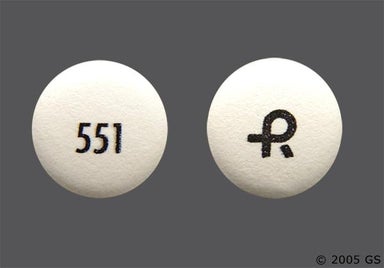
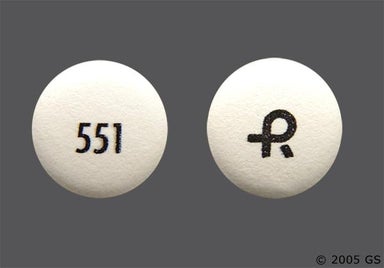
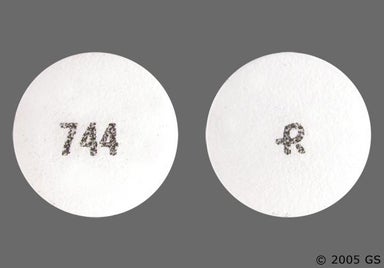


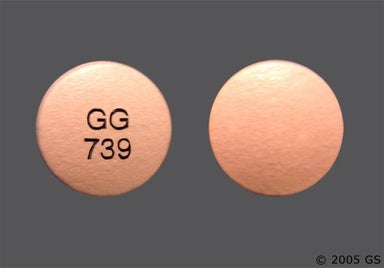





Prescription savings
Stop paying too much for your prescriptions. Compare prices, get pharmacy coupons, and save up to 80%. Find expert answers to your health questions so you can make the best decisions for yourself and your family.
Health conditions
Medications & treatment
Access & affordability
Medication discounts

Before you start Voltaren, ask your provider for guidance on how long you should take this medication. The length of treatment can differ from person to person, depending on what medical condition you have and what formulation of diclofenac you're taking. For example, if you're taking diclofenac (Cambia) for migraine attacks, you should only take one dose. But if you're taking diclofenac tablets for arthritis, your provider will likely ask you to take it regularly for at least 1 to 2 weeks to see if you experience relief from pain and inflammation. In general, you should take the lowest dose of Voltaren for the shortest amount of time needed to treat your symptoms. This is because taking Voltaren for too long and at higher doses can raise your risk for serious side effects, such as heart attack or stroke.
It'll take about 5 to 10 hours for your body to clear most of Voltaren after a single dose. This timeframe is estimated based on the half-life of Voltaren, but it can differ depending on other factors such as what other medications you're taking and your medical conditions. It can also be influenced by what formulation of Voltaren you're taking. Talk with your provider if you've more questions about how long this medication stays in your system.
Yes, you can take acetaminophen (Tylenol) with Voltaren together because they work differently in your body to relieve pain. Before you start taking acetaminophen (Tylenol), ask your provider if it's appropriate for you. While acetaminophen (Tylenol) is generally safe to take, it does carry certain risks, such as the risk of liver problems for people who already have liver damage or who drink alcohol regularly.
Sleepiness isn't a common side effect reported by people who take Voltaren. But rarely, some people have felt dizzy or drowsy after taking this medication. If you feel sleepy after taking Voltaren, let your provider know. They can check to see if the sleepiness is a side effect of Voltaren or whether its caused by another medication or medical condition.
No, Voltaren isn't muscle-relaxer; it's a NSAID. But certain forms of Voltaren is FDA-approved to ease mild to moderate pain, which can include pain in muscles. If you have muscle pain or tension, talk with your provider about what treatment options are best for you.
Don't take Voltaren with other NSAIDs, such as ibuprofen (Advil), naproxen (Aleve), or even topical NSAIDs like diclofenac (Voltaren) gel. Doing so puts you at higher risk for severe side effects (e.g., stomach bleeds, stroke, heart attack). NSAIDs are commonly found in over-the-counter pain and cold medications. Talk with your healthcare provider or pharmacist if you're not sure whether you're already taking an NSAID.
If you're prescribed Voltaren and become pregnant while taking the medication, stop using it and let your provider know right away. A study from the CDC showed that babies born to mothers who took NSAIDs in early pregnancy had a higher risk of birth defects (e.g., hole in the stomach, cleft palate), compared to mothers who took acetaminophen (Tylenol). Additionally, the FDA specifically says to avoid NSAIDs in pregnant females who are at least 20 weeks pregnant because it can cause kidney and heart problems to your unborn baby. Don't use Voltaren if you're pregnant until your provider specifically said it was safe for you to do so.
Diclofenac sodium and diclofenac potassium are different salt forms of Voltaren. The salts affect how fast the medication gets absorbed into your body. Diclofenac potassium is absorbed by your body more quickly compared with diclofenac sodium. That's why it can treat sudden, sharp pain from certain conditions, such as migraines or menstrual cramps. On the other hand, diclofenac sodium is typically used for other conditions that cause pain that last longer (e.g., arthritis etc.) since it works more slowly and stays in your body longer.
