


8 Surprising Antihistamine Uses Beyond Allergy Relief
Antihistamines are used to treat allergy symptoms. But did you know they can also treat hives, anxiety, and more? Learn everything antihistamines can do here.
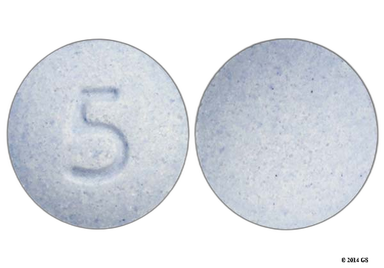
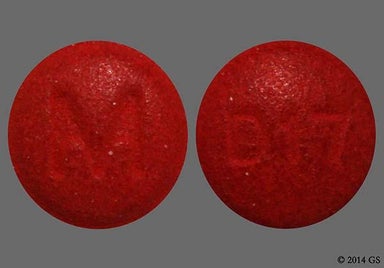
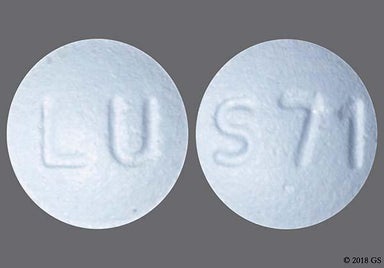
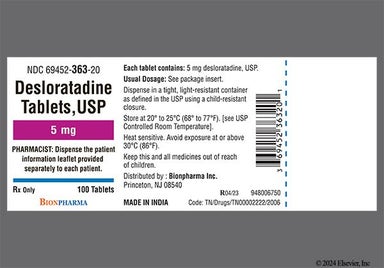
Desloratadine (Clarinex) is an antihistamine used to relieve allergy symptoms. It can also relieve symptoms from chronic hives (long-term hives). This medication is for both adults and children. It comes as a tablet, oral solution, and orally disintegrating tablet (ODT). Desloratadine (Clarinex) is taken by mouth once a day. It's usually less likely to cause side effects, like sleepiness, than some other antihistamines. Desloratadine (Clarinex) is available by prescription only, not over the counter (OTC).

Desloratadine (Clarinex) is an antihistamine. It works by blocking histamine, a natural chemical in your body that causes allergy symptoms.
By blocking histamine, it helps relieve allergy symptoms like itchy eyes, a runny nose, sneezing, and hives.
| Common Brands | Clarinex |
|---|---|
| Drug Class | Antihistamine |
| Controlled Substance Classification | Not a controlled medication |
| Generic Status | Lower-cost generic available |
| Availability | Prescription only |

The following side effects may get better over time as your body gets used to the medication. Let your healthcare provider know immediately if you continue to experience these symptoms or if they worsen over time.
Contact your healthcare provider immediately if you experience any of the following.
Along with its needed effects, a medicine may cause some unwanted effects. Although not all of these side effects may occur, if they do occur they may need medical attention.
Check with your doctor immediately if any of the following side effects occur:
Rare
Anaphylaxis, such as, cough, difficulty swallowing, dizziness, fast heartbeat, hives, itching, puffiness or swelling of eyelids or around the eyes or face or lips or tongue, shortness of breath, skin rash, tightness in chest, unusual tiredness or weakness, wheezing
dyspnea, such as, shortness of breath, difficult or labored breathing, tightness in chest, wheezing
edema, such as, swelling
pruritus, such as, itching skin
rash
tachycardia, such as, fast, pounding, or irregular heartbeat or pulse
urticaria, such as, hives or welts, itching, redness of skin, skin rash.
Some side effects may occur that usually do not need medical attention. These side effects may go away during treatment as your body adjusts to the medicine. Also, your health care professional may be able to tell you about ways to prevent or reduce some of these side effects. Check with your health care professional if any of the following side effects continue or are bothersome or if you have any questions about them:
More common
Headache
Less common
Dizziness
dysmenorrhea, such as, difficult or painful menstruation
dyspepsia, such as, acid or sour stomach, belching, heartburn, indigestion, stomach discomfort , upset or pain,
fatigue, such as, unusual tiredness or weakness
myalgia, such as, joint pain, swollen joints, muscle aching or cramping, muscle pains or stiffness, difficulty in moving
pharyngitis, such as, body aches or pain, congestion, cough, dryness or soreness of throat, fever, hoarseness, runny nose, tender swollen glands in neck, trouble in swallowing, voice changes.
somnolence, such as, sleepiness or unusual drowsiness
Other side effects not listed may also occur in some patients. If you notice any other effects, check with your healthcare professional.
Call your doctor for medical advice about side effects. You may report side effects to the FDA at 1-800-FDA-1088.




Desloratadine (Clarinex) can cause some serious health issues. This risk may be even higher for certain groups. If this worries you, talk to your doctor or pharmacist about other options.
Serious allergic reactions to desloratadine (Clarinex) can happen. This can include anaphylaxis, which can be life-threatening. Tell your prescriber if you're allergic to loratadine (Claritin) since it's similar to this medication.
Get medical help right away if you notice hives, swelling of your lips or tongue, or trouble breathing after taking desloratadine (Clarinex). These can be signs of a serious allergic reaction.
The desloratadine orally disintegrating tablets (ODTs) contain phenylalanine. This is a component of the artificial sweetener aspartame. If you have a genetic condition called phenylketonuria (PKU), the ODTs might not be safe for you.
If you have PKU, tell your care team. They can help choose a safer formulation of desloratadine for you. They can also find a different allergy medication that's safer for you.

 Ml of oral solution
| Dosage | Quantity | Price as low as | Price per unit |
|---|---|---|---|
| 0.5mg/ml | 150 ml | $3,606.25 | $24.04 |
 Orally disintegrating tab
| Dosage | Quantity | Price as low as | Price per unit |
|---|---|---|---|
| 2.5mg | 7 orally disintegrating tabs | $17.84 | $2.55 |
| 5mg | 30 orally disintegrating tabs | $52.72 | $1.76 |
 Tablet
| Dosage | Quantity | Price as low as | Price per unit |
|---|---|---|---|
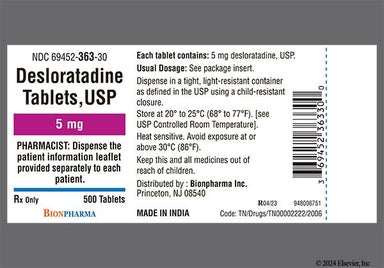
| 5mg | 30 tablets | $21.14 | $0.70 |

Although certain medicines should not be used together at all, in other cases two different medicines may be used together even if an interaction might occur. In these cases, your doctor may want to change the dose, or other precautions may be necessary. When you are taking this medicine, it is especially important that your healthcare professional know if you are taking any of the medicines listed below. The following interactions have been selected on the basis of their potential significance and are not necessarily all-inclusive.
Using this medicine with any of the following medicines is usually not recommended, but may be required in some cases. If both medicines are prescribed together, your doctor may change the dose or how often you use one or both of the medicines.


Contraindications are specific health conditions or situations in which a person should not take a medication due to safety concerns. If you have any of the following conditions or if any of the following apply to you, let your healthcare provider know because Desloratadine (Clarinex) will not be safe for you to take.







Prescription savings
Stop paying too much for your prescriptions. Compare prices, get pharmacy coupons, and save up to 80%. Find expert answers to your health questions so you can make the best decisions for yourself and your family.
Health conditions
Medications & treatment
Access & affordability
 Our monthly healthcare membership can help you save thousands on your prescription costs.
Resources

No, take Desloratadine only once per day. Studies show that the medication can help relieve allergy symptoms all day. Don't take more than recommended per day or more often than once a day. It likely won't give you any more relief and can raise your risk of side effects. If you need more symptom relief after taking Desloratadine for the day, talk to your prescriber or pharmacist. They can suggest other ways to help with your allergies.
Yes. In fact, you can take Desloratadine at any time of the day. What's most important is to be consistent and take it around the same time each day. This helps make sure the medication will work as best and be as safe as possible for you.
No, Desloratadine isn't available over the counter (OTC). You need a prescription from a healthcare professional. If you're looking for an antihistamine you can buy without a prescription, there are many over-the-counter options. These might work for you, depending on your needs. Talk to a member of your care team to see if an OTC antihistamine is right for you.
Desloratadine can start to work within 3 hours after you take it. Experts recommend taking it every day for allergies, not just when symptoms start, to get the most benefit. If you need faster relief, speak with your prescriber or pharmacist about other options you could try while you wait for it to work.
Desloratadine and loratadine (Claritin) are both antihistamines taken once a day. They start working within a few hours and last all day to help with allergy symptoms. Desloratadine is also used for chronic hives. Both are less likely to cause sleepiness than older antihistamines like diphenhydramine (Benadryl). Loratadine is sold over the counter. But you need a prescription from a healthcare professional for Desloratadine. Compare these options with your prescriber or pharmacist. They can help you decide which one is best for you.
No. Avoid taking Desloratadine and cetirizine (Zyrtec) together, unless your care team says it's okay. Both are antihistamines. Taking them usually doesn't help any more. And it can raise your risk of side effects like drowsiness, dizziness, and dry mouth. If one isn't helping your allergies enough, talk to your prescriber or pharmacist. They can suggest a safer option, like switching antihistamines or adding a different type of allergy medication.
Yes, according to the American Academy of Allergy, Asthma, and Immunology. They say that Desloratadine can be a safe antihistamine to take during pregnancy. If you're pregnant, talk to your prescriber or obstetrician. They can explain the risks and benefits before you take this medication. They can also make sure Desloratadine is safe for you and your baby.
Antihistamines like Desloratadine are generally safe to take while breastfeeding. Research shows that it's not likely to affect your milk supply or cause side effects in your baby. Still, talk to your prescriber about the risks and benefits before taking this medication while breastfeeding. They can make sure it's safe for you and your baby.
