medroxyprogesterone
Medroxyprogesterone acetate (Depo-Provera, Depo-SubQ Provera) is a progestin-only birth control. It's injected into the muscles or under the skin once every 3 months by a healthcare provider to prevent pregnancy. It's also used to treat pain related to endometriosis. Some of the more common side effects of medroxyprogesterone (Depo-Provera) include changes in menstrual bleeding, headache, and weight gain. Because receiving this medication long-term can weaken your bones, you can only use it for a maximum of 2 years, unless otherwise directed by your provider.


What is Medroxyprogesterone (Depo-Provera)?
What is Medroxyprogesterone (Depo-Provera) used for?
- To prevent pregnancy
- Pain related to endometriosis - Depo-SubQ Provera 104 only
How Medroxyprogesterone (Depo-Provera) works
Medroxyprogesterone (Depo-Provera) is a progestin. It works to prevent pregnancy by stopping your ovaries from releasing an egg and by preventing a fertilized egg from implanting in your uterus. Medroxyprogesterone (Depo-Provera) relieves pain related to endometriosis by thinning the lining of your uterus.
Drug facts
More on Medroxyprogesterone (Depo-Provera) essentials



Side effects of Medroxyprogesterone (Depo-Provera)
The following side effects may get better over time as your body gets used to the medication. Let your healthcare provider know immediately if you continue to experience these symptoms or if they worsen over time.
Common Side Effects
Depo-Provera
- No menstrual period (up to 68%)
- Irregular periods (up to 57%)
- Weight gain (38%)
- Headache (17%)
- Stomach pain or discomfort (11%)
- Nervousness (11%)
- Dizziness (6%)
- Lowered sex drive (5%)
- Irregular bleeding (18%)
- Headache (9%)
- Weight gain (7%)
- No menstrual period (6%)
- Injection site pain, skin changes (6%)
Less Common Side Effects
- Acne
- Nausea
- Leg cramps
- More vaginal discharge than usual
- Breast pain
- Bloating
- Swelling
- Backache
- Mood changes
Medroxyprogesterone (Depo-Provera) serious side effects
Contact your healthcare provider immediately if you experience any of the following.
- Serious allergic reactions: trouble breathing, hives, itching, tightness in the throat, nausea, stomach pain
- Heart attack: chest pain or tightness, pain that radiates up to your shoulder, arm, neck, or jaw
- Stroke: sudden trouble talking, trouble walking, numbness on one side of your body or face, sudden, severe headaches
- Blood clot in the lungs: trouble breathing, feeling light-headed, feeling faint, coughing up blood, racing heart
- Blood clot in the leg: leg swelling, redness, pain, or warmth (typically in just one leg)
- Ectopic pregnancy: severe, unexplainable pelvic pain along with unusual vaginal bleeding
More on Medroxyprogesterone (Depo-Provera) side effects
The following Medroxyprogesterone (Depo-Provera) side effects have also been reported
Along with its needed effects, a medicine may cause some unwanted effects. Although not all of these side effects may occur, if they do occur they may need medical attention.
Check with your doctor or nurse immediately if any of the following side effects occur:
More common
Absent, missed, or irregular menstrual periods
menstrual changes
stopping of menstrual bleeding
Less common
Breast pain
cramps
increased clear or white vaginal discharge
itching of the vagina or genital area
pain during sexual intercourse
swelling
thick, white vaginal discharge with no odor or with a mild odor
Incidence not known
black, tarry stools
blood in the stools
burning, crawling, itching, numbness, prickling, "pins and needles", or tingling feelings
changes in skin color
chest pain or tightness
chills
clay-colored stools
clear or bloody discharge from the nipple
dark urine
decrease in height
difficult or labored breathing
difficulty with swallowing
dimpling of the breast skin
dizziness or lightheadedness
dull ache or feeling of pressure or heaviness in the legs
fainting
fast, pounding, or irregular heartbeat or pulse
general feeling of discomfort or illness
headache
increased thirst
inverted nipple
itching skin near damaged veins
loss of appetite
lump in the breast or under the arm
no sensation in the legs
noisy breathing
pain in the back, ribs, arms, or legs
pain, redness, tenderness, or swelling of the arm, foot, or leg
pale skin
persistent crusting or scaling of the nipple
puffiness or swelling of the eyelids or around the eyes, face, lips, or tongue
redness or swelling of the breast
seizures
sore on the skin of the breast that does not heal
stomach pain
swelling
swollen feet and ankles
trouble breathing
unable to move the legs
unpleasant breath odor
unusual bruising or bleeding
unusual tiredness or weakness
vomiting of blood
yellow eyes or skin
Some side effects may occur that usually do not need medical attention. These side effects may go away during treatment as your body adjusts to the medicine. Also, your health care professional may be able to tell you about ways to prevent or reduce some of these side effects. Check with your health care professional if any of the following side effects continue or are bothersome or if you have any questions about them:
More common
Decreased interest in sexual intercourse
inability to have or keep an erection
increased weight
loss in sexual ability, desire, drive, or performance
nervousness
stomach discomfort
Less common
Backache
blemishes on the skin
difficulty with moving
feeling of warmth
hair loss or thinning of the hair
lack or loss of strength
leg cramps
muscle pain or stiffness
pain in the joints
redness of the face, neck, arms, and occasionally, upper chest
sudden sweating
trouble sleeping
Incidence not known
Bleeding, blistering, burning, coldness, discoloration of skin, feeling of pressure, hives, infection, inflammation, itching, lumps, numbness, pain, rash, redness, scarring, soreness, stinging, swelling, tenderness, tingling, ulceration, or warmth at the injection site
brown, blotchy spots on the exposed skin
changes in appetite
drowsiness
hoarseness
increased hair growth, especially on the face
increased in sexual ability, desire, drive, or performance
increased interest in sexual intercourse
increased sweating and body odor
indigestion
loss of appetite
passing of gas
patchy brown or dark brown discoloration of the skin
stomach pain, fullness, or discomfort
swelling of the armpits
unexpected or excess milk flow from breasts
Other side effects not listed may also occur in some patients. If you notice any other effects, check with your healthcare professional.
Call your doctor for medical advice about side effects. You may report side effects to the FDA at 1-800-FDA-1088.

Get your GoodRx coupon

Pros and cons of Medroxyprogesterone (Depo-Provera)
Pros
- Very effective at preventing pregnancy
- Only has to be injected once every 3 months
- Many people experience lighter or no periods while using it
- Available as a lower-cost generic
Cons
- Can cause weight gain
- Can cause bloating or fluid build-up
- Not recommended for use longer than 2 years because of risk for weakened bones
- Must be given by a healthcare provider

Pharmacist tips for Medroxyprogesterone (Depo-Provera)

- In order for medroxyprogesterone (Depo-Provera) to work well to prevent pregnancy, you must receive the shot on time every 3 months. Keep track of your appointments by writing the dates on a calendar. Or, you can try using an app on your smart phone.
- If you miss your medroxyprogesterone (Depo-Provera) appointment by a week or more (or 2 weeks or more for Depo-SubQ Provera), you'll need to use a back up birth control method, such as condoms, until you can get your dose and for a week after that. Call your clinic right away to reschedule if you didn't make it to your appointment and ask for further instructions.
- It's very likely you'll have a change to your periods once you start medroxyprogesterone (Depo-Provera). Most people experience light or no periods, but heavier periods and breakthrough bleeding are also possible. It can take several months for your periods to become more stable after starting this medication. Let your provider know if this side effect is bothersome or concerning.
- Weight gain is a common side effect of medroxyprogesterone (Depo-Provera). To minimize weight gain, talk to your provider or dietician about how to eat a balanced diet. Also, try your best to schedule in at least 30 minutes of low or moderate-intensity exercise daily.
- Some people reported higher blood sugar levels after starting medroxyprogesterone (Depo-Provera). If you have diabetes or are already taking blood sugar medications, your provider might ask you to check your blood sugar levels more often after you begin medroxyprogesterone (Depo-Provera). If needed, they might make changes to your blood sugar medications.
- Medroxyprogesterone (Depo-Provera) can cause inaccurate results for some blood tests, such as tests for clotting factors or lipids. Before you get any blood tests done, let your provider know you're receiving medroxyprogesterone (Depo-Provera).
- If you have a history of depression, sometimes using hormonal birth controls can worsen your symptoms. If you're feeling more tired or not as interested in activities you typically enjoy after starting medroxyprogesterone (Depo-Provera), let your provider know. They might ask you to consider non-hormonal birth control options.
- Medroxyprogesterone (Depo-Provera) doesn't protect you from human immunodeficiency virus (HIV) or other sexually transmitted infections (STIs). Only condoms can help protect you from STIs. Talk to your provider right away if this is a concern for you.
- Let your provider know if you experience unusual vaginal bleeding, lumps in your breast, changes to your vision, or severe headaches after starting medroxyprogesterone (Depo-Provera). These aren't typical side effects and could be signs of more serious problems that need medical attention.

Common questions about Medroxyprogesterone (Depo-Provera)
Yes, medroxyprogesterone (Depo-Provera) is a progestin-only birth control. It's also FDA-approved to ease pain related to endometriosis.
If you're starting medroxyprogesterone (Depo-Provera) for the first time to prevent pregnancy and receive the shot within 5 days of your menstrual period, it should start working right away. But if you receive the shot outside of this time frame, you'll need to use non-hormonal back-up birth controls, such as condoms, for a week to protect against pregnancy. If you're taking medroxyprogesterone (Depo-SubQ Provera) for pain from endometriosis, you can expect your symptoms to improve in about 6 months. Talk with your provider if you have more questions about how long it takes for medroxyprogesterone (Depo-Provera) to work.
Though unlikely, it's still possible to get pregnant while receiving medroxyprogesterone (Depo-Provera). When you get the shot on time every 3 months, it'll protect against pregnancy 99% of the time. But if you miss a dose or are late in getting a dose, the risk of getting pregnant is higher. And if that's the case or if you think you might be pregnant, take a pregnancy test. If it's positive, let your provider know because they'll want to check on the health of you and your baby. In particular, your provider will want to see if you have an ectopic pregnancy, which can be dangerous.
Yes, weight gain is one of the more common side effects of medroxyprogesterone (Depo-Provera). In comparison, the under-the-skin injection (Depo-SubQ Provera) isn't as likely to cause this side effect. On average, people gain between 5 and 6 pounds after using medroxyprogesterone (Depo-Provera) for a year. The longer you're using this medication, the more likely it is that you'll gain more weight. If you're concerned about weight gain, you can track your weight over time and share the results with your provider; they can let you know if you're gaining too much weight too fast.
If you have regular periods before taking medroxyprogesterone (Depo-Provera), you'll likely continue to have periods when you first start medroxyprogesterone (Depo-Provera). But you can expect changes to your bleeding over time. For example, many people experience irregular bleeding or spotting within the first year of treatment. But after receiving medroxyprogesterone (Depo-Provera) for about a year or longer, more people report their periods stopping completely.
Yes, receiving medroxyprogesterone (Depo-Provera) can stop your period. This is more likely to happen after you've been taking medroxyprogesterone (Depo-Provera) for a year or longer. For example, clinical study showed that 55% of the people who received medroxyprogesterone (Depo-Provera) stopped having periods after a year of treatment; and 68% of the people experienced this after 2 years of treatment.
After you stop medroxyprogesterone (Depo-Provera), you'll likely experience a delay before you become pregnant. Research shows it took people on average 10 months to conceive after stopping medroxyprogesterone (Depo-Provera), though some people became pregnant as early as 4 months. If you're concerned about medroxyprogesterone (Depo-Provera) and fertility, talk with your provider.

How to save using GoodRx



Risks and warnings for Medroxyprogesterone (Depo-Provera)
Medroxyprogesterone (Depo-Provera) can cause some serious health issues. This risk may be even higher for certain groups. If this worries you, talk to your doctor or pharmacist about other options.
Weakened bones
- Risk factors: Using medroxyprogesterone (Depo-Provera) for more than 2 years | Family history of osteoporosis | Taking corticosteroids long-term | Long-term alcohol use | Smoking | History of anorexia nervosa (eating disorder)
 People who use medroxyprogesterone (Depo-Provera) are more likely to experience calcium loss in their bones. This can lead to broken bones and osteoporosis. While there are several conditions that can raise your risk of this problem, using medroxyprogesterone (Depo-Provera) for too long is the biggest risk factor. If you're receiving medroxyprogesterone (Depo-Provera) for more than 2 years, your provider might order tests to make sure your bones are still healthy.
Blood clots
- Risk factors: Personal history of blood clots
People who received medroxyprogesterone (Depo-Provera) have developed blood clots. But it's unclear whether the clots were caused by this medication or other factors. If you develop a blood clot, your provider will likely ask you to stop medroxyprogesterone (Depo-Provera). If you have ever had blood clots in the past, this might not be the best option for you. Be sure to discuss all your past and present medical conditions with your provider before starting medroxyprogesterone (Depo-Provera). Call 911 or get medical attention right away if you have pain in your legs or arms, chest pain, sudden severe headaches, trouble breathing, or sudden changes in your speech or vision.
Possible risk of breast cancer
- Risk factors: Personal or family history of breast cancer | Using medroxyprogesterone (Depo-Provera) for more than one year
People who have ever had breast cancer or have a strong family history of breast cancer shouldn't use medroxyprogesterone (Depo-Provera) or other hormonal birth controls. This is because there's a chance that the cancer might be sensitive to hormones, and receiving medroxyprogesterone (Depo-Provera) can cause it to grow. If you're concerned about your risk for cancer, talk to your provider. You're recommended to perform monthly breast self-exams and tell your provider about any changes you notice.
Ectopic pregnancy
Ectopic pregnancies happen when a fertilized egg implants somewhere other than your uterus. They are very rare, but can be life-threatening and sometimes need to be treated with surgery. While medroxyprogesterone (Depo-Provera) is highly effective at preventing pregnancy overall, progestin-only contraception (including medroxyprogesterone (Depo-Provera)) can raise your risk of ectopic pregnancies. If you experience unexplained or severe pelvic pain along with unusual vaginal bleeding, let your provider know. If you do become pregnant within 3 months of your last dose of medroxyprogesterone (Depo-Provera), contact your provider right away so they can check to make sure it is not an ectopic pregnancy.
Irregular periods
Medroxyprogesterone (Depo-Provera) often causes irregular menstrual periods. Most people who experience this will have very light or no periods, but some will have heavy periods. If you are having very heavy bleeding or longer periods than normal, talk to your provider. If you have not gotten a period between doses, your provider will have you do a pregnancy test before you receive your next injection.
Serious allergic and injection-site reactions
Severe allergic reactions to medroxyprogesterone (Depo-Provera) are possible, including life-threatening problems like anaphylaxis (closing of the throat). Call 911 if this happens. If you notice hives, a rash, swelling of the lips or tongue, or difficulty breathing after receiving your dose of medroxyprogesterone (Depo-Provera), call your healthcare provider right away.
Injection-site reactions, such as skin changes, lump under the skin, or pain, are also possible. These reactions should get better after 1 to 2 days. But if they get worse or don't improve, talk with your provider.
Bloating and weight gain
People who received medroxyprogesterone (Depo-Provera) reported weight gain. On average, they gained about 5 pounds after receiving this medication for a year, and close to 17 pounds after 6 years. If you're concerned about weight gain from medroxyprogesterone (Depo-Provera), talk with your provider.
People who received medroxyprogesterone (Depo-Provera) also reported bloating from fluids, which might contribute to weight gain. Talk with your provider if you've a condition that might worsen from fluid build-up, such as heart failure or kidney problems.
Slower return to fertility (after stopping medication)
If you want to become pregnant and choose to stop medroxyprogesterone (Depo-Provera), it might take a while for your fertility to return. Research shows that while many people became pregnant within the first year of stopping medroxyprogesterone (Depo-Provera), it took 2 years or longer for others to conceive. If you're concerned about fertility issues, talk with your provider before starting medroxyprogesterone (Depo-Provera).
Risk of seizures
Some people have developed seizures while receiving medroxyprogesterone (Depo-Provera). It's unclear whether the seizures were caused by medroxyprogesterone (Depo-Provera) or other conditions. If you've experienced seizures in the past, talk with your provider before starting medroxyprogesterone (Depo-Provera).
Liver problems
Let your provider know right away if you develop symptoms of liver problems while receiving medroxyprogesterone (Depo-Provera). These can include stomach pain, tiredness, yellowing of the skin or whites of the eyes, and clay-colored stool. They'll likely ask you to stop medroxyprogesterone (Depo-Provera) treatment and check your liver labs through blood tests. You might be able to restart medroxyprogesterone (Depo-Provera) if your provider confirms your labs are back within a safe range and the liver problems aren't caused by this medication.

Medroxyprogesterone (Depo-Provera) dosage


Typical dosage for Medroxyprogesterone (Depo-Provera)
Medroxyprogesterone must be injected by a healthcare provider, typically in a clinic setting.
Depo-Provera vial and pre-filled syringe
- To prevent pregnancy: The typical dose is to inject 150 mg into the muscle (intramuscularly) once every 3 months (13 weeks).
Depo-SubQ Provera 104 pre-filled syringe
- To prevent pregnancy and pain from endometriosis: The typical dose is 104 mg injected under the skin (subcutaneously) once every 12 to 14 weeks.

Interactions between Medroxyprogesterone (Depo-Provera) and other drugs
Although certain medicines should not be used together at all, in other cases two different medicines may be used together even if an interaction might occur. In these cases, your doctor may want to change the dose, or other precautions may be necessary. When you are receiving this medicine, it is especially important that your healthcare professional know if you are taking any of the medicines listed below. The following interactions have been selected on the basis of their potential significance and are not necessarily all-inclusive.
Using this medicine with any of the following medicines is not recommended. Your doctor may decide not to treat you with this medication or change some of the other medicines you take.
Using this medicine with any of the following medicines is usually not recommended, but may be required in some cases. If both medicines are prescribed together, your doctor may change the dose or how often you use one or both of the medicines.
- Apalutamide
- Aprepitant
- Armodafinil
- Artemether
- Bexarotene
- Bosentan
- Brigatinib
- Carbamazepine
- Cenobamate
- Clobazam
- Dabrafenib
- Darunavir
- Dexamethasone
- Efavirenz
- Elagolix
- Elvitegravir
- Encorafenib
- Enzalutamide
- Eslicarbazepine Acetate
- Etravirine
- Fosaprepitant
- Fosphenytoin
- Griseofulvin
- Isotretinoin
- Ivosidenib
- Lesinurad
- Lorlatinib
- Lumacaftor
- Mitotane
- Modafinil
- Mycophenolic Acid
- Nafcillin
- Nevirapine
- Oxcarbazepine
- Phenobarbital
- Phenylbutazone
- Phenytoin
- Pitolisant
- Prednisone
- Primidone
- Red Clover
- Rifabutin
- Rifampin
- Rifapentine
- Ritonavir
- Rufinamide
- Secobarbital
- St John's Wort
- Sugammadex
- Tazemetostat
- Telaprevir
- Theophylline
- Topiramate
- Ulipristal

How much does Medroxyprogesterone (Depo-Provera) cost?

Medroxyprogesterone (Depo-Provera) contraindications
Contraindications are specific health conditions or situations in which a person should not take a medication due to safety concerns. If you have any of the following conditions or if any of the following apply to you, let your healthcare provider know because Medroxyprogesterone (Depo-Provera) will not be safe for you to take.
- Currently pregnant (or suspected pregnancy)
- History of blood clots or conditions related to clots, such as stroke, heart attack, etc.
- Known or suspected breast cancer
- Serious liver problems
- Vaginal bleeding where the cause hasn't yet been diagnosed

What are alternatives to Medroxyprogesterone (Depo-Provera)?

News about Medroxyprogesterone (Depo-Provera)







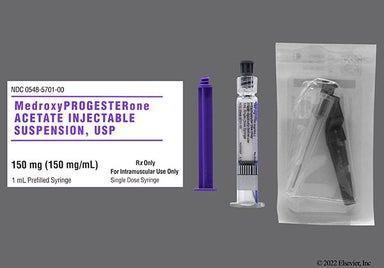
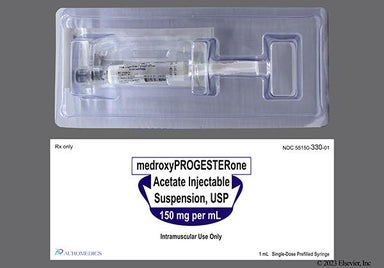
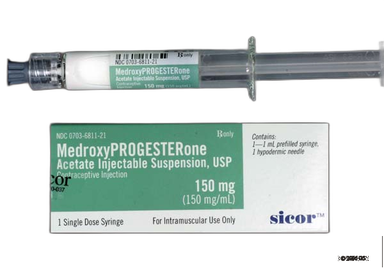
Medroxyprogesterone (Depo-Provera) images