



5 Things to Know About Copaxone vs. Glatopa for Multiple Sclerosis
Studies show Glatopa and Copaxone are equally effective at treating multiple sclerosis (MS), so how do they differ? Compare costs and side effects here.
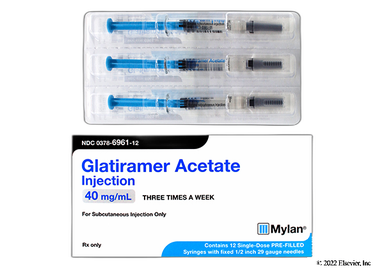
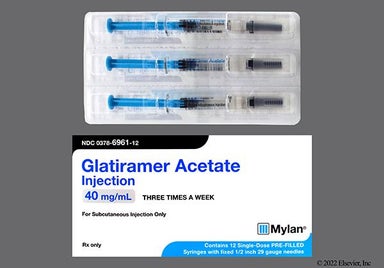
Glatiramer (Copaxone) is used to treat relapsing forms of multiple sclerosis (MS). Glatiramer (Copaxone) is injected under the skin, either daily or three times a week, depending on your dose. Injection sites for glatiramer (Copaxone) include the arms, stomach, hips, and thighs. It can cause common side effects such as warmth and pain at the injection site. Glatiramer (Copaxone) comes as prefilled syringes. But your provider can also write you a prescription for autoinjectors, which might be easier to use. Glatiramer is available as both brand-name and generic medications.

Glatiramer (Copaxone) is a disease-modifying treatment option for multiple sclerosis (MS). The exact way it works to treat MS is unknown. But it's thought to block certain processes of the immune system that can cause this condition.
| Common Brands | Copaxone, Glatopa |
|---|---|
| Drug Class | Multiple sclerosis disease modifying therapy |
| Controlled Substance Classification | Not a controlled medication |
| Generic Status | Lower-cost generic available |
| Availability | Prescription only |

The following side effects may get better over time as your body gets used to the medication. Let your healthcare provider know immediately if you continue to experience these symptoms or if they worsen over time.
Contact your healthcare provider immediately if you experience any of the following.
Along with its needed effects, a medicine may cause some unwanted effects. Although not all of these side effects may occur, if they do occur they may need medical attention.
Check with your doctor immediately if any of the following side effects occur:
More common
bleeding, hard lump, hives or welts, itching, pain, redness, or swelling at the injection site
cough or hoarseness
excessive muscle tone
fast, irregular, pounding, or racing heartbeat or pulse
feeling of warmth
fever or chills
joint pain
lower back or side pain
neck pain
painful or difficult urination
redness of the face, neck, arms, and occasionally, upper chest
skin rash
swelling or puffiness of the face
swollen, painful, or tender lymph glands in the neck, armpit, or groin
trouble breathing
Less common
Agitation
bloating or swelling
confusion
difficulty with swallowing
feeling faint, dizzy, or lightheaded
headache, severe and throbbing
itching of the vagina or outside genitals
muscle aches or pain
pain during sexual intercourse
purple spots under the skin
red streaks on the skin
shakiness in the legs, arms, hands, or feet
small lumps under the skin
spasm of the throat
strong urge to urinate
sweating
swelling of the fingers, arms, feet, or legs
thick, white curd-like vaginal discharge without odor or with mild odor
tightness in the chest
tingling of the hands or feet
trembling or shaking of the hands or feet
unusual weight gain or loss
Rare
Blood in the urine
burning or stinging of the skin
continuous, uncontrolled back-and-forth or rolling eye movements
decreased sexual ability
difficulty with moving
ear pain
fast breathing
irritation of the mouth and tongue (thrush)
loss of appetite
menstrual pain or changes
painful cold sores or blisters on the lips, nose, eyes, or genitals
sensation of motion, usually whirling, either of oneself or of one's surroundings
speech problems
vision problems
Incidence not known
Abnormal vaginal bleeding or discharge
back pain, sudden and severe
bleeding gums
blindness
blurred or decreased vision
chest discomfort or heaviness
clear or bloody discharge from the nipple
cloudy urine
coughing up blood
dark urine
decreased urine output
difficult or frequent urination
dilated neck veins
dimpling of the breast skin
drowsiness
extreme tiredness or weakness
gaseous stomach pain
general feeling of discomfort or illness
general tiredness and weakness
headache
increased menstrual flow or vaginal bleeding
indigestion
inverted nipple
joint swelling
large amount of cholesterol in the blood
light-colored stools
lump in the breast or under the arm
lump or swelling in the stomach
muscle weakness, sudden and progressing
nerve pain
nosebleed
pain or discomfort the in arms or jaw
paralysis
persistent crusting or scaling of the nipple
prolonged bleeding from cuts
puffiness or swelling of the eyelids or around the eyes, lips, or tongue
rapid, shallow breathing
recurrent fever
red or black, tarry stools
redness or swelling of the breast
seizures
sore on the skin of the breast that does not heal
stiff neck or back
stomach bloating, burning, cramping, or pain
tearing
tenderness, pain, swelling, warmth, skin discoloration, and prominent superficial veins over the affected area
unusual tiredness or weakness
upper right abdominal or stomach pain
vomiting
yellow eyes or skin
Some side effects may occur that usually do not need medical attention. These side effects may go away during treatment as your body adjusts to the medicine. Also, your health care professional may be able to tell you about ways to prevent or reduce some of these side effects. Check with your health care professional if any of the following side effects continue or are bothersome or if you have any questions about them:
Less common
Double vision
Other side effects not listed may also occur in some patients. If you notice any other effects, check with your healthcare professional.
Call your doctor for medical advice about side effects. You may report side effects to the FDA at 1-800-FDA-1088.




Glatiramer (Copaxone) can cause some serious health issues. This risk may be even higher for certain groups. If this worries you, talk to your doctor or pharmacist about other options.
Glatiramer (Copaxone) can cause reactions (flushing, chest pain, feeling of a pounding chest, high heart rate, anxiety, shortness of breath, throat tightness, or hives) within seconds to minutes after injection. In general, these reactions can start several months after starting treatment with glatiramer (Copaxone) and you might experience one or many episodes of these reactions. These reactions usually get better over time and typically don't require treatment.
Glatiramer (Copaxone) can cause chest pain, which can be either an immediate reaction after the injection or as a side effect. The chest pain will usually go away over time and is not associated with other symptoms, so it's not a medical emergency. If you have chest pain with other symptoms such as difficulty breathing, feeling weak, or light-headed, call 911 right away because this can mean you might be having a heart attack.
Glatiramer (Copaxone) can cause loss of fat tissue (lipoatrophy) in the sites where you inject the medication. It can occur at various times after you begin treatment with Glatiramer (Copaxone) and is thought to be permanent. In addition, although rare, glatiramer (Copaxone) can cause necrosis (cell death) in the skin at the site of injection. To prevent these issues, make sure you rotate the injection sites with each injection.
Although rare, glatiramer (Copaxone) can cause serious liver problems that can lead to liver failure or death. Seek medical attention right away if you notice swelling of your stomach, yellowing of your skin or the whites of your eyes, stool changes (black, tarry, or bloody stools), coughing or vomiting up blood, confusion, slurred speech, mood swings, or changes in personality. You might need to stop using glatiramer (Copaxone) to prevent further liver damage.


Although certain medicines should not be used together at all, in other cases two different medicines may be used together even if an interaction might occur. In these cases, your doctor may want to change the dose, or other precautions may be necessary. When you are taking this medicine, it is especially important that your healthcare professional know if you are taking any of the medicines listed below. The following interactions have been selected on the basis of their potential significance and are not necessarily all-inclusive.
Using this medicine with any of the following medicines is usually not recommended, but may be required in some cases. If both medicines are prescribed together, your doctor may change the dose or how often you use one or both of the medicines.


Contraindications are specific health conditions or situations in which a person should not take a medication due to safety concerns. If you have any of the following conditions or if any of the following apply to you, let your healthcare provider know because Glatiramer (Copaxone) will not be safe for you to take.









Prescription savings
Stop paying too much for your prescriptions. Compare prices, get pharmacy coupons, and save up to 80%. Find expert answers to your health questions so you can make the best decisions for yourself and your family.
Health conditions
Medications & treatment
Access & affordability
Medication discounts

Glatiramer isn't considered an immunosuppressant. But it can potentially affect your immune system. Glatiramer is thought to treat MS by changing how your immune system works. But there isn't enough information to show that it weakens your immune system.
Glatiramer is injected under the skin into the fat tissue between your skin and muscle. Never inject it into your muscle or vein. The best areas for injection are your stomach, back of hips, back of arms, or upper thighs. Make sure to alternate injection sites to lower the risk of bruising and irritation to your skin. Don't inject the medication into the exact same place more than once each week. Read the injection site guide for more tips and details on where to inject the medication.
In a one-year clinical study, people with MS injecting Glatiramer 3 times a week had 34% fewer relapses compared to people taking placebo. Another two-year study of people injecting Glatiramer once a day, 56% of people receiving the medication had no more relapses at the end of the study compared to 28% of people taking placebo. Talk with your provider if you've more questions about how well Glatiramer might work at treating MS.
Injection site reactions are the most common side effect of Glatiramer. These reactions include redness, pain, itching, and swelling at the site where you inject the medication. Most injection site reactions typically last 1 to 2 days, but could last longer. Make sure to rotate injection sites to give your skin a chance to heal in between injections. If the reactions are bothersome, ask your provider about compresses, ice packs, or using over-the-counter medications to help.
Both weight loss and weight gain have been reported with using Glatiramer, but weight changes seem to be rare. If you have concerns about your weight, it's best to speak with your healthcare provider.
There haven't been enough studies of Glatiramer used by pregnant females, so it's not known if it's safe to use during pregnancy. Animal studies showed that Glatiramer didn't cause any harm to their unborn babies. If you're pregnant or thinking of getting pregnant, talk to your provider to see if Glatiramer is right for you.
