Yes, some people make a full recovery from a stroke. A full recovery is more likely with:
People who are younger and healthier — and those who receive early treatment and rehabilitation — are more likely to make a full recovery. The general rule of thumb is that the faster you recover, the more fully you recover.
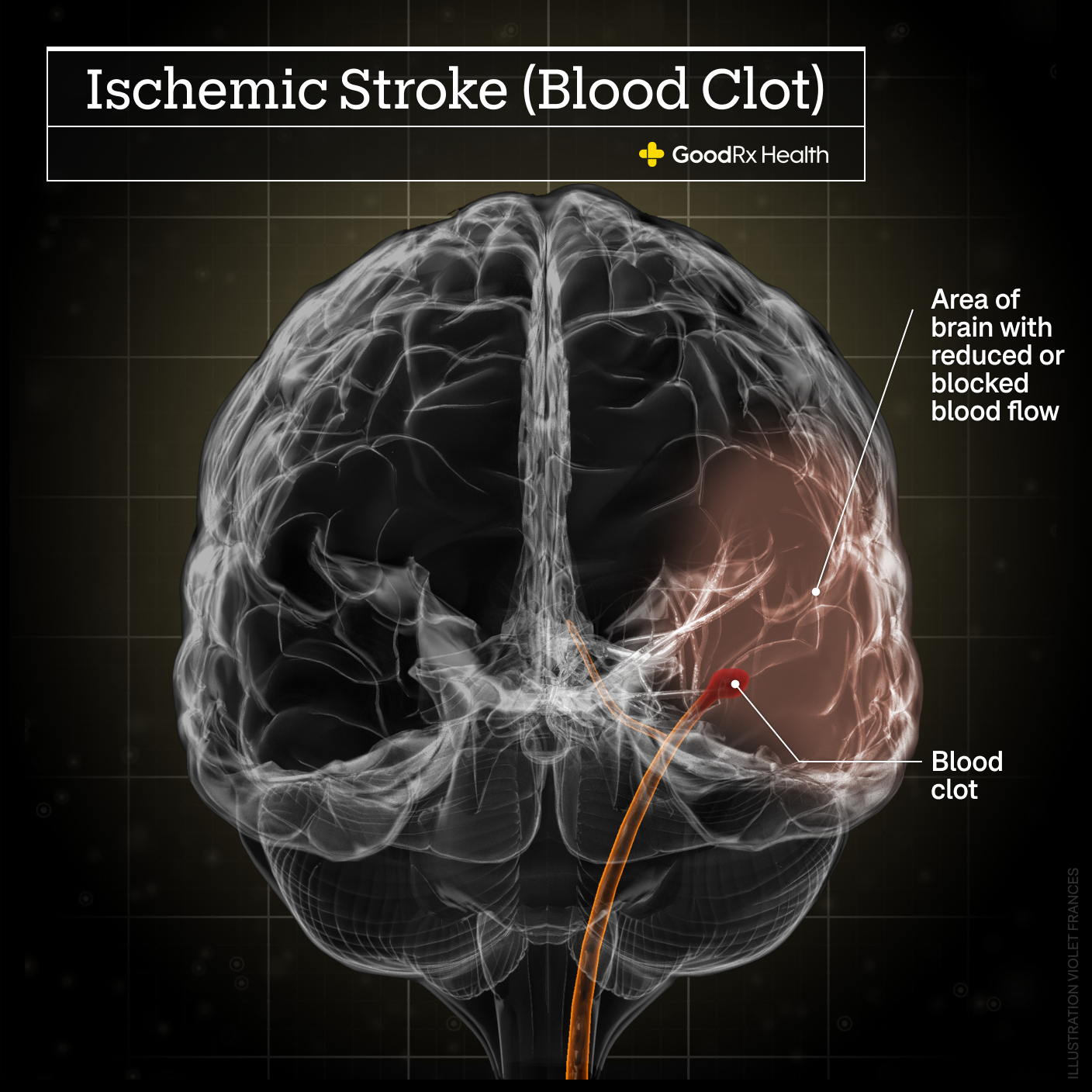
When a stroke first occurs, symptoms may be noticeable within seconds. Some stroke symptoms initially “come and go” over minutes, hours, or days. This may be due to blood reaching the brain intermittently through a narrow vessel or one that’s in the process of forming a clot. Once the vessel blockage is complete, stroke symptoms can last for days, months, or may become permanent.
Strokes that are severe enough to result in death usually cause rapid unconsciousness. In addition, the brain itself has no pain sensation. Many people who die of a severe stroke are not aware it’s happening, and they do not experience pain.
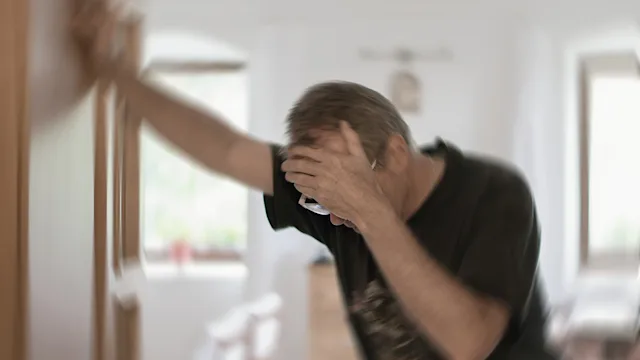
In some cases, a stroke can lead to a headache. This is because the outer membranes of the brain can sense pressure. Hemorrhagic strokes may increase pressure and cause severe headaches, though ischemic strokes are less likely to cause headaches.
The ability to understand verbal and visual input is a complex process, involving multiple parts of the brain. Depending on what part of the brain is injured, people who have had a stroke may have difficulty interpreting language or responding to it.
The easiest way to tell if someone can understand you is whether or not they follow commands. Some people who have had a stroke need visual, touch, or voice cues to perform an action (such as “squeeze my hand”), and others can only do it with one side of the body.
About ⅓ of people who have a stroke experience initial symptoms that affect their speech. Most people who have had a stroke that affects their speech make improvements in the first 3 to 6 months, especially if they receive speech therapy.
It’s rare to remain fully “mute,” but this can happen in certain cases (such as “locked-in syndrome”). With practice and repetition, most people improve their oral muscle strength as well as speech and language skills after a stroke.