Key takeaways:
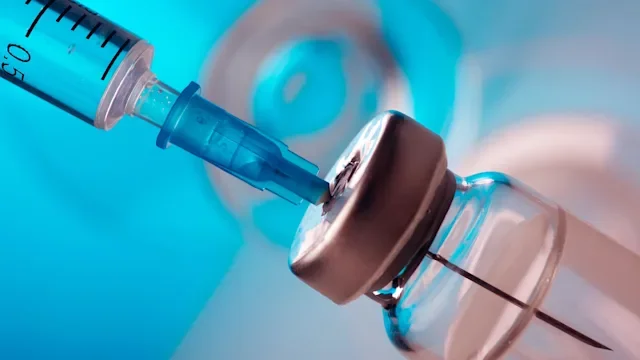
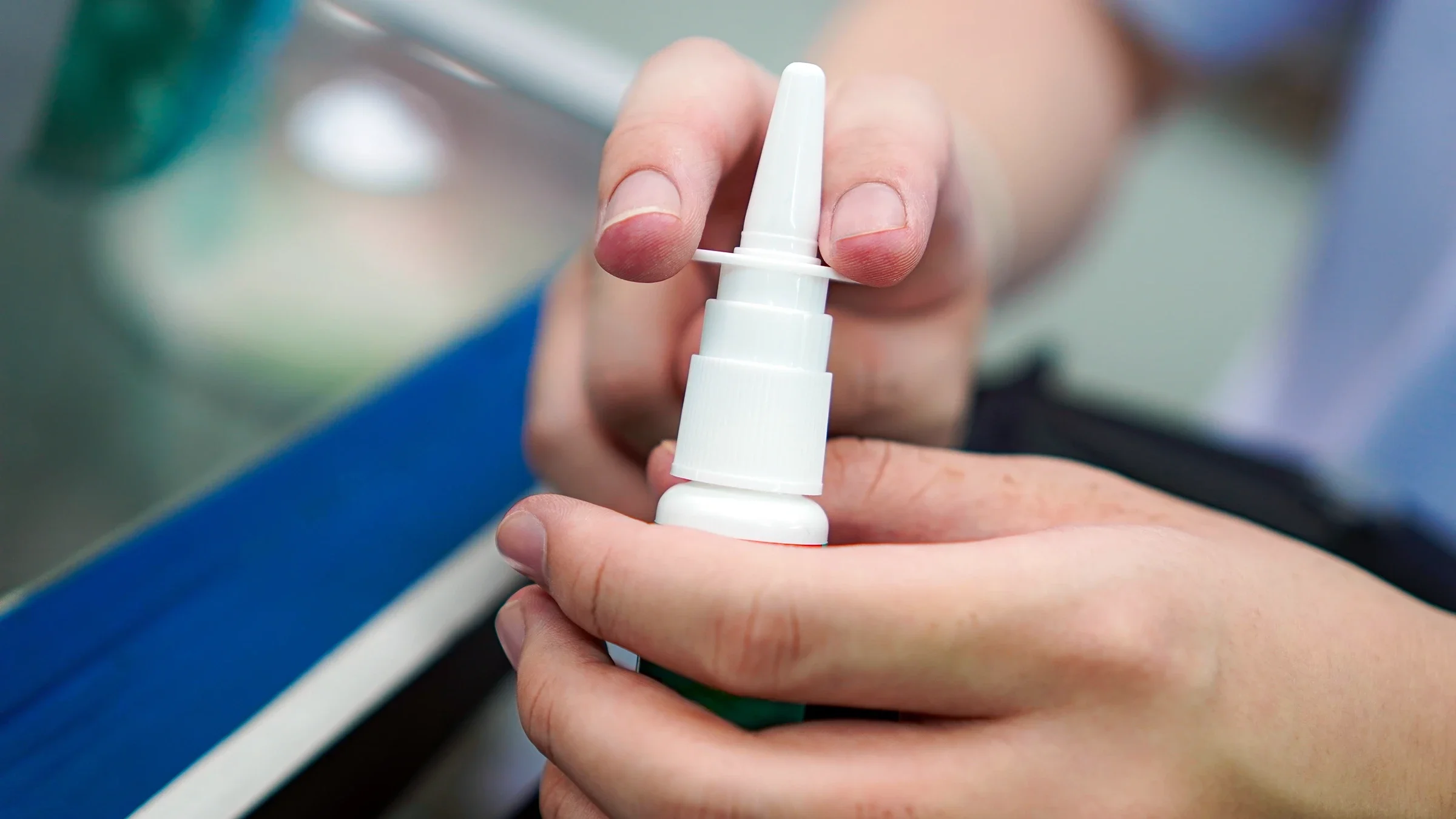
Semax is a peptide that can be purchased as an intranasal spray or injection. Semax isn’t FDA-approved to treat any medical conditions.
Compounded Semax products and medications made in other countries aren’t reviewed by the FDA for safety or quality. Products labeled “for research use only” aren’t made for people to use.
There’s very little evidence that Semax products can help improve mood, attention, or focus.
Peptides are getting a lot of attention for their possible health benefits. Semax is one peptide promoted for better focus, memory, and mood. It’s also promoted as a way to support brain recovery after a stroke.
But Semax hasn’t been well studied. Much of the research comes from animal studies or very small studies in people. There are also important questions about the safety and quality of Semax products sold in the U.S.
Here’s what we know about how Semax may work and what to consider if you’re thinking of trying it.
What is Semax?
Semax is a lab-made peptide made up of seven amino acids. It’s based on a small part of adrenocorticotropic hormone (ACTH).
ACTH is a hormone made by the pituitary gland in your brain. One of its main roles is to help regulate your cortisol levels.
Semax was developed in Russia, where it’s registered as a medication. Semax is sold as a nasal spray or injection. Both forms may contain Semax acetate or Semax free base.
What are the potential benefits of Semax?
Semax is promoted for focus and mental clarity. Semax may work by increasing levels of brain-derived neurotrophic factor (BDNF). This protein helps brain cells form connections, adapt, and survive.
But there’s very little human research on how Semax affects the brain in people. Most studies have involved animals, while human studies have usually included very small groups.
Most of the human studies are available only as meeting abstracts or posters. These are brief reports of early findings. They don’t go through the same level of review as full published studies. And they don’t include complete information about the study methods and results. This makes it hard to know if the results are valid and reliable.
Here’s what we know about the most common claims.
Brain protection after a stroke
Studies in rats suggest that Semax may help protect brain cells when they don’t get enough oxygen. This can happen after a stroke or brain injury.
But there’s very limited human research.
In a study of 110 people recovering from stroke, those who received Semax had higher BDNF levels and improved faster on a scale that measured daily activities. But the researchers were not able to prove that Semax was the reason for better recovery.
Focus and mental performance
A small 1996 study of 19 healthy volunteers found that intranasal Semax caused changes in brain activity measured by an electroencephalogram (EEG). Researchers also reported better work performance lasting 20 to 24 hours. But the researchers didn’t explain how work performance was measured or how much it improved.
Another study compared intranasal Semax with a placebo in 24 healthy adults. Brain scans showed changes in a network involved in memory and thinking shortly after participants received Semax. But the study didn’t say whether these brain changes improved focus or memory.
Neither study looked at people with attention-deficit hyperactivity disorder (ADHD) or brain fog.
Mood and depression
Some people claim that Semax can help with mood. But there isn’t any strong evidence that it improves mood or treats depression.
One meeting poster described 120 children ages 12 to 14 who received Semax along with cognitive behavioral therapy for depression. But a full study was never published, so it’s hard to evaluate the results.
What are the side effects of Semax?
There’s not a lot of information on the short- or long-term side effects of Semax.
But we can probably assume some potential side effects since all nasal sprays and compounded injections share certain risks.
These side effects and risks may include:
Nasal irritation: Intranasal Semax may cause nasal dryness, irritation, or bleeding.
Injection-site reactions: Semax injections may cause pain, redness, swelling, or irritation at the injection site.
Infection: Bacteria or fungi can get into vials during production or handling without the right safety standards. Injecting contaminated products can cause skin infections or serious bloodstream infections.
Immune reactions: Injected peptides can sometimes trigger an immune response. These responses can be serious and life-threatening.
Headache: Some people report headaches after using Semax. It isn’t clear how common they are or whether Semax causes them.
Mood changes: Some people report irritability or worsening anxiety after taking Semax. These effects haven’t been well studied.
Is Semax FDA-approved?
No. Neither Semax free base nor Semax acetate is FDA-approved to treat any health condition.
The FDA is considering whether to add Semax to the 503A Bulks List. This list identifies substances that traditional compounding pharmacies may use under certain conditions.
If Semax free base and Semax acetate are added to the 503A Bulks List, it may become easier for people to access Semax nasal sprays and injections. But this doesn’t mean they’re FDA-approved.
Compounded Semax products won’t go through any FDA review to ensure they’re effective or safe to use.
Is Semax safe?
There isn’t enough information to know whether Semax products are safe.
The FDA doesn’t review compounded medications for safety or quality. And FDA staff have also raised safety concerns about nasal and injectable Semax products, including:
Ingredient differences
Impurities
Sterility concerns
Semax is available in other countries. But that doesn’t automatically mean that imported medications are safe to use. Other countries may use different approval and manufacturing standards. Semax products made in other countries may not meet FDA standards.
Some Semax products are labeled “for research use only.” These products aren’t meant for use by people. There’s no way to know whether these products are safe for people.
The bottom line
There’s very little evidence that Semax can help with mood, attention, or focus. If you’re considering Semax to treat a health problem, talk with your healthcare team about your options. Avoid injecting products labeled “for research use only.”

Why trust our experts?



References
Dolotov, O. V., et al. (2006). Semax, an analogue of adrenocorticotropin (4-10), binds specifically and increases levels of brain-derived neurotrophic factor protein in rat basal forebrain. Journal of Neurochemistry.
Filippenkov, I. B., et al. (2020). Novel insights into the protective properties of ACTH(4-7)PGP (Semax) peptide at the transcriptome level following cerebral ischaemia–reperfusion in rats. Genes.
Filippenkov, I. B., et al. (2025). Genes that associated with action of ACTH-like peptides with neuroprotective potential in rat brain regions with different degrees of ischemic damage. International Journal of Molecular Sciences.
Gusev, E. I., et al. (2018). The efficacy of Semax in the tretament of patients at different stages of ischemic stroke. Zhurnal Nevrologii i Psikhiatrii Imeni S.S. Korsakova.
Kaplan, A. Y. A., et al. (1996). Synthetic ACTH analogue Semax displays nootropic-like activity in humans. Neuroscience Research Communications.
Lebedeva, I. S., et al. (2018). Effects of Semax on the default mode network of the brain. Bulletin of Experimental Biology and Medicine.
Mavrych, V., et al. (2026). Therapeutic peptides in gerontology: Mechanisms and applications for healthy aging. Frontiers in Aging.
U.S. Food and Drug Administration. (2024). Pharmacy compounding advisory committee: FDA immunogenicity risk of compounded peptides October 29, 2024.
U.S. Food and Drug Administration. (2026). FDA briefing document: Pharmacy compounding advisory committee meeting, July 23–24, 2026—Semax-related bulk drug substances.
U.S. Food and Drug Administration. (2026). July 23–24, 2026: Meeting of the pharmacy compounding advisory committee.
Yamamoto, R., et al. (2025). Physiology, adrenocorticotropic hormone (ACTH). StatPearls.