Key takeaways:
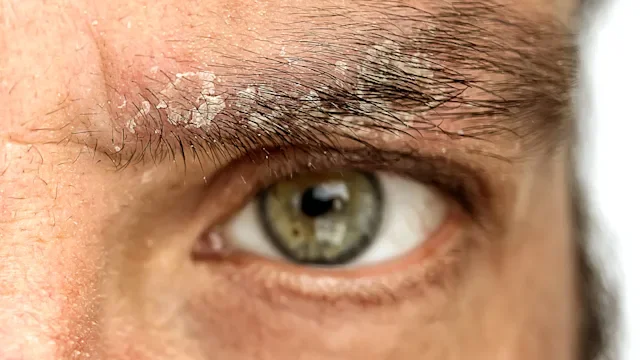
Dandruff is a common skin condition that causes skin on the scalp to flake.
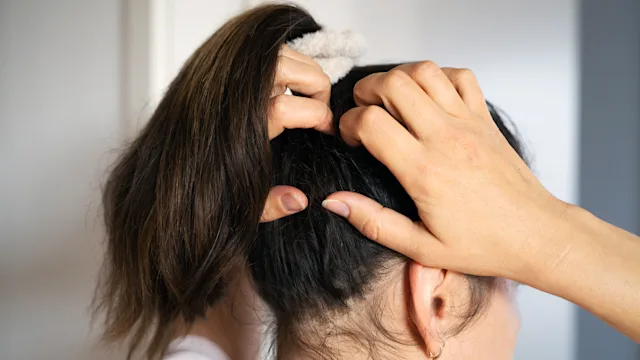
It can make your scalp feel itchy and dry.
Treatments for dandruff include medicated shampoos and herbal remedies.
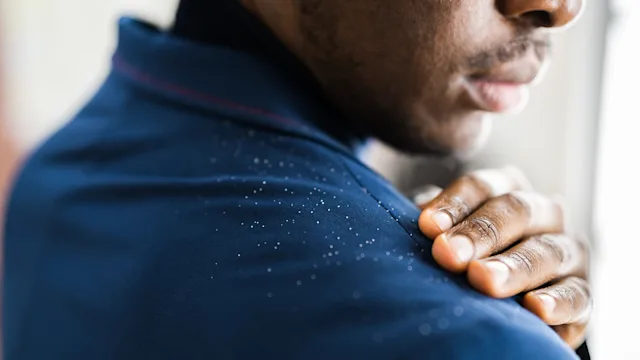
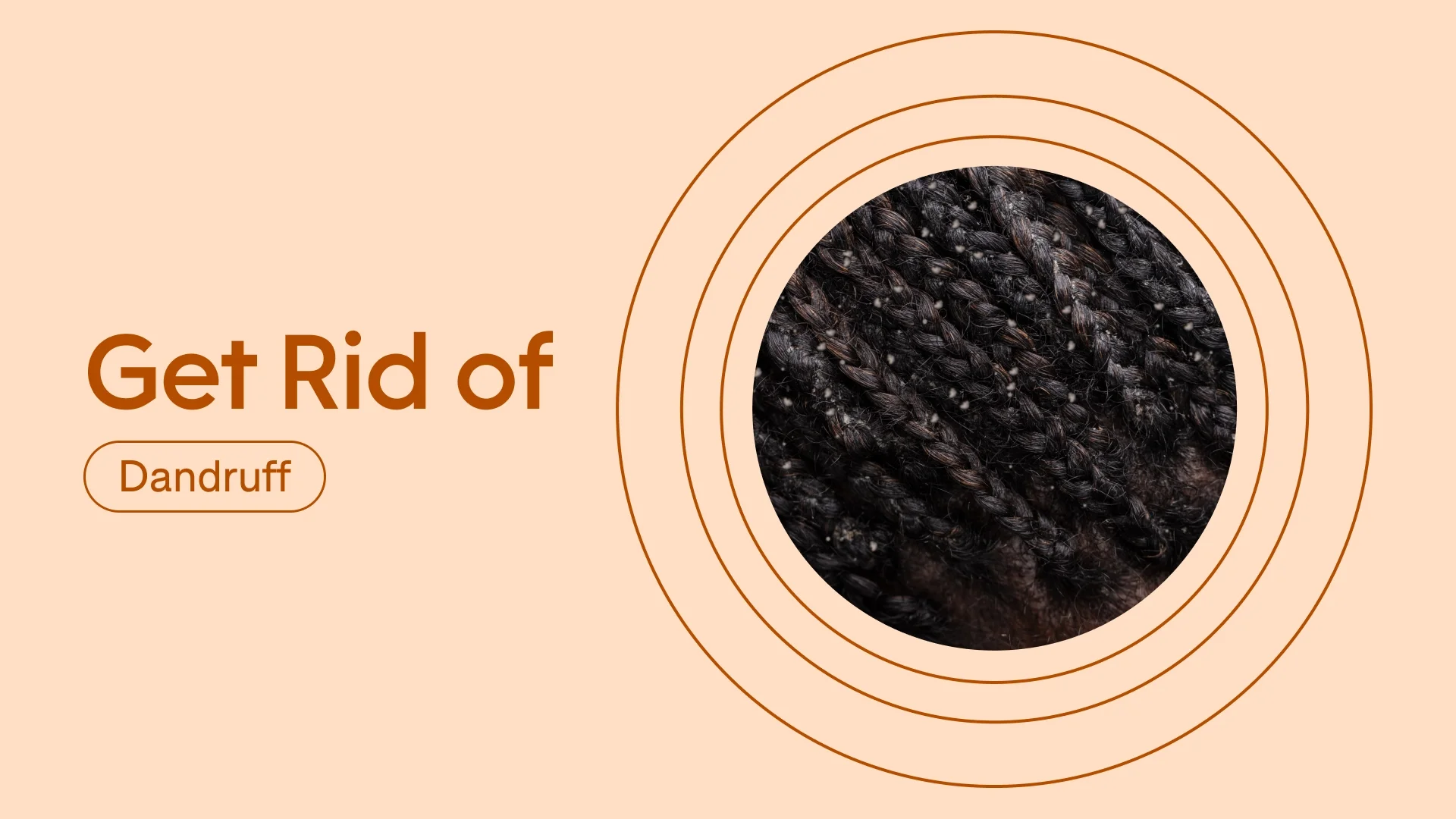
Dandruff — a mild form of seborrheic dermatitis — is a common condition that causes small pieces of dry skin to flake off of your scalp. Telltale signs of it are white flakes of skin in your hair or bits that land on your shoulders.
While specialized shampoos can help treat dandruff, many people try natural remedies like essential oils as an alternative solution.
Here are four people’s tips for how to get rid of dandruff.
Dandruff was embarrassing at work
As the head of marketing for a skincare brand, 43-year-old Ewelina Aiossa is well-versed in issues with dry skin.

In her late 30s, she started experiencing itchiness and scaly skin on her scalp. She suspected it was because of the change in water quality after moving from Long Island to New Jersey. She had to scrub her toilet more, her sink backed up often, and her shower head had calcium deposits. Her skin became drier and itchier. On top of that, she moved during the winter, which she thought might have made the dryness worse. She figured hormonal changes or stress also might have contributed to her dandruff.
“It was embarrassing,” she says. “I worked in an office every day. I didn't have a hybrid role. I would wear a hat as part of my outfit. It’s hard to hide, especially if you have a darker hair tone.”
At first, Ewelina tried a medicated shampoo. While it didn’t help, she noticed it made her scalp feel invigorated, so she checked out the ingredients. One of the main ingredients was essential oils. She started doing research and came across several natural home remedies that used essential oils to control itchiness and flaking.
One remedy she discovered was to mix baking soda with water, massage it into your scalp, and wash your hair out. Another remedy involved washing your hair with apple cider vinegar.
She also tried lemon with baking soda because it is an antifungal. And she used tea tree oil with baking soda as an antibacterial. She would apply the mixture on a cotton ball and dab it on her scalp an hour before showering, 2 to 3 times a week. Lastly, she switched her drinking water to a reverse osmosis water filtration system.
Whether it was her essential oil remedies or just adjusting to the water quality, her dandruff disappeared after a few months.
As an expert in skincare, Ewelina says it’s important to find out if dandruff is a sign of an underlying problem — like bacteria, pH balance, or diet. Then, experiment to find what helps.
“Find something that works for you, because no two skins or scalps are alike,” she says. “What works for me may not work for somebody else.”
A gluten-free diet changed her skin
When 39-year-old Erin Cooper was an infant, she suffered from cradle cap — a term that describes dandruff for babies. Her mother tried putting baby oil on Erin’s head and scraping off the flakes. But that only worked temporarily.
As Erin grew up, her dandruff reappeared. As a Black woman in California with curly hair, Erin would only wash her hair once a week to manage her hairstyle. But, she says, that meant dry skin would build up on her scalp. She tried a range of remedies — including Sulfur8 medicated scalp conditioner, hair grease, hydrocortisone cream, and different shampoos.
When she was 33, Erin sought the help of a naturopathic doctor. At the time, her dandruff was extensive. Her skin would constantly shed. And just blow-drying her hair left flakes all over her shoulders. On her scalp, she also dealt with "hot spots,” or red patches that scabbed and bled. She remembers having intense itching on her scalp, too.
“I couldn't take the embarrassment anymore,” Erin says. “The dandruff was always visible in my hair and on my scalp. And people would point it out to me, which was emotionally difficult. I felt dirty, even though I knew I wasn't.”

The naturopathic doctor suggested nutrition might be causing her dandruff. So Erin tried a 20-day cleanse in which she ate a gluten-free and GMO-free diet. Toward the end of the cleanse, Erin noticed a lot less dandruff and redness on her scalp.
After a few more months of avoiding gluten and GMOs, Erin was able to stop using her prescription shampoo.
Now, she continues to wash her hair once a week and avoids eating gluten as often as she can. When she does eat it, she notices that her scalp will start to itch, turn red, and begin peeling. She says taking multivitamins also helps prevent her dandruff.
Aloe vera and lemon juice can help
Sheel Bhuta, who is 35 and lives in Philadelphia, says she’s been prone to dandruff, dry skin, and dermatitis issues since puberty. Because she has thick hair, her dry skin becomes a major issue if she doesn’t wash it regularly.
“There have been times when the eczema is just overpowering, and I’ll also start to lose hair because of it,” she says.
Sheel says environmental factors, such as water quality, have played a big role in her skin issues. Sheel travels often, especially to places like India. During these times, she notices how water with harsh minerals aggravates her skin. And she sees an uptick in dandruff in dry and dusty weather.

Sheel also noticed that switching medications and eating oily and processed food lead to a rise in dry skin.
Although Sheel used to wash her hair twice a week, she began washing it less per her dermatologist’s recommendation.
She eventually started using remedies to try to help with her dandruff. She tried apple cider vinegar, which helped cleanse her scalp. But it dried out her hair, and she found the smell off-putting. She also tried mixing yogurt with lemon and neem powder and putting it on her scalp for 30 minutes to an hour. While this helped, it was a very messy process.
Next, she tried mixing henna (a plant-based dye) with yogurt to make a thick paste, then left it on her scalp for an hour. This was also helpful. But it dyed her hair red because of the henna and had a strong smell.
One solution she has found to work involves making a mixture of lemon juice and aloe vera. She cuts aloe vera (a medicinal cactus plant) into pieces and blends it with lemon juice and Indian gooseberry. She sometimes adds activated charcoal as well. Sheel massages it into her scalp and leaves it on for 45 minutes to an hour. Then, she washes her hair with lukewarm water. After that, she shampoos and conditions her hair as usual. She began to see less dandruff after using this three times.
Drinking cilantro and tamarind juice has helped, as well. And eating an anti-inflammatory diet that’s gluten and dairy-free can make a difference. She also avoids a lot of sugar and fried foods. She notes that other factors like stress can have effects, too.
“I always joke that dandruff is your head overwhelmed with old thoughts or destructive thoughts,” she says. “A mindfulness routine and breathing techniques will do wonders for your head.”
Anti-dandruff shampoo and moisturizing products did the trick
Mark Joseph, a 32-year-old founder of a parenting website in St. Louis, started noticing dandruff 5 years ago. He remembers having an itchy scalp, oily skin, and flakes that accumulated on his shoulders and clothes. It gradually began to worsen over time.

He tried all types of products, but nothing helped. After doing some research, Mark wondered whether a combination of factors — including unhealthy diet, excessive stress, and not washing his hair regularly — might have played a role in his dandruff.
So, he began washing his hair more often with an anti-dandruff shampoo. Then he combed his hair to remove dead skin cells. He also started using apple cider vinegar and tea tree oil when washing his hair. Sometimes, he used coconut oil to keep his scalp moisturized.
Mark says those remedies helped him solve his dandruff issues. And he encourages others to find what works for them.
“Everyone's scalp is different,” he says. “So, it may take some experimenting and consulting with a doctor or dermatologist to find the best solution. Don’t give up if you don’t see results immediately. Be persistent. And eventually, you will find something that works.”
What does the doctor say?

Patricia Pinto-Garcia, MD, MPH
Medical Editor
Nearly half of people develop dandruff. So if you’re experiencing dandruff, you’re definitely not alone. Dandruff can be a very frustrating condition. It can appear out of nowhere when people hit their 30s and 40s. While some people only notice flaking, others might have more worrisome symptoms like itching, skin changes, and even hair loss.
Dandruff can be very difficult to control. It’s hard to moisturize and exfoliate your scalp depending on how much hair you have and how thick your hair is. And there’s more to dandruff than just dry skin. Your hair care regimen, the weather, and your skin’s microbiome can all trigger or worsen dandruff.
There are treatments for dandruff that are backed by long-standing research. Some of these treatments are available over the counter as medicated shampoos. Look for active ingredients containing ketoconazole 2% or selenium sulfide 2.5%.
There’s less research to support other treatment options for dandruff like baking soda, apple cider vinegar, essential oils, and aloe vera. But that doesn’t mean those options don’t work — they just might not work for everyone. You can try some of these options, along with a medicated shampoo, and see if they work for you.
Like any skin care routine, you have to find the products that work for you and stick with them. And it’s normal to have setbacks once in a while. Just like the skin on the rest of your body might get dry from time to time and need extra moisture, your scalp might have periods where it needs extra help, too.
One important thing to keep in mind is that other scalp conditions can cause flaking. If you notice areas on your scalp that are red, raised, scaly, or painful, talk to your healthcare provider or dermatologist. You should also check in with a provider if you’ve been sticking to a scalp regimen for 2 to 3 weeks and haven’t seen any results. Your provider can make sure you have dandruff and not another condition that affects the scalp like psoriasis, eczema, or tinea capitis (scalp ringworm).

Why trust our experts?