Key takeaways:
Self-care won’t make your psoriasis symptoms go away. But it may bring a little relief and prevent flares from getting worse.
Consider psoriasis self-care tips like taking shorter showers, using moisturizer when you feel itchy, and getting a handle on your stress levels.
It can also help to identify what causes your psoriasis to flare. Common triggers include skin injuries, certain medications, alcohol, and sugary foods.
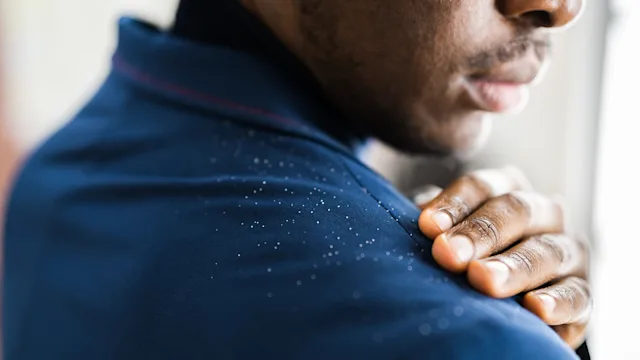
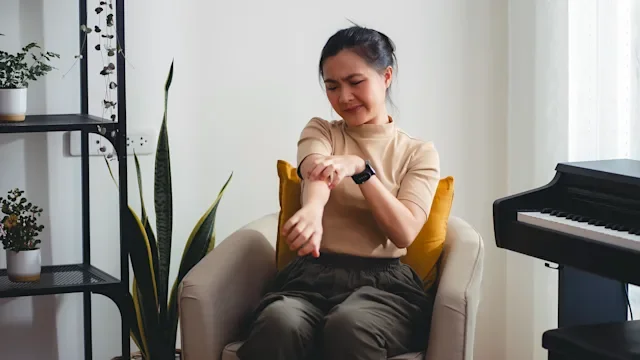
If you live with psoriasis, you know that symptoms can come and go. Like many autoimmune conditions, psoriasis can flare up and lead to itchy, painful patches of skin.
Keeping up with your prescribed psoriasis treatment is one important way to manage flares. But when symptoms ramp up, everyday psoriasis self-care can also help. While it won’t make psoriasis go away, the right at-home strategies can help ease discomfort and support your skin.
Below are 12 psoriasis self-care tips you can try at home to help make flares a little more manageable.
1. Get some sunlight
For some people, limited sunlight exposure can help improve psoriasis symptoms. Certain ultraviolet (UV) rays slow the rapid growth of skin cells that cause psoriasis. This may reduce itching and inflammation.
Too much sun can worsen symptoms, so avoid sunburn. Limit time in direct sunlight and wear sunscreen. If heat triggers your psoriasis, spending extra time outdoors may not be right for you.
Another option is phototherapy, also called light therapy. This treatment exposes your skin to specific UV wavelengths under medical supervision. It can be done at your doctor’s office or with a prescribed at-home unit.
2. Limit your shower length
Warm showers and baths can feel soothing, but hot water and long soaks can dry out and irritate your skin.
Keep showers to 5 minutes or less and baths to no more than 15 minutes. Limit washing to once a day. Apply moisturizer right after bathing, while your skin is still damp. This helps lock in moisture.
3. Be gentle with your hair
Whether or not you have scalp psoriasis, gentle hair care can help prevent irritation and skin injury. A dermatologist can also recommend products that work best for your specific hair type and scalp.
Good psoriasis self-care tips for hair include:
Brush and comb gently without scraping your scalp
Choose loose hairstyles that don’t pull or tug
Avoid burning your scalp with hot styling tools
Shampoo gently to avoid irritating your scalp
4. Avoid harsh hair treatments
During a psoriasis flare, skip hair dye, relaxers, perms, and blowouts. These treatments can irritate your scalp and make symptoms worse.
When you’re not having a flare, check with your dermatologist about precautions you can take if you plan to color or chemically treat your hair.
5. Pay attention to your diet
What you eat can affect your psoriasis, for better or for worse. Triggers can be different from person to person. While there’s no single eating plan that works for everyone, certain foods may trigger flares, including:
Refined sugar
Red meat
Dairy products
Nightshade vegetables
Foods that help lower inflammation, like leafy greens, fatty fish, and olive oil, may support overall health and help improve psoriasis symptoms for some people.
6. Try a damp cloth for itch relief
Psoriasis can be very itchy. Applying a cool, damp cloth to affected areas can provide quick relief without damaging your skin.
Use cool (not icy) water on a soft towel and gently apply it to itchy areas. For extra relief, put the damp towel in the refrigerator for 5 to 10 minutes before using it. This works because the skin nerves that tell your brain you’re itchy don’t work as well when they’re cold.
7. Protect your hands
Protect your hands during everyday activities like gardening or washing dishes. These chores can expose your hands to injury, moisture, and temperature changes that can trigger flares.
The best gloves for psoriasis are cotton gloves. Wear them under vinyl or nitrile gloves to protect your skin while working. Avoid latex gloves, as they can irritate your psoriasis and usually don’t provide enough protection.
8. Leave your nails alone
Nail biting and cuticle picking can injure your skin and increase the risk of infection. This can trigger a psoriasis flare.
It’s also best to avoid artificial nails. They can cause your nail to separate from your finger and increase the risk of infection. Simple trimming, buffing, and polishing are safer options.
9. Get enough sleep
Getting enough sleep is an important part of psoriasis self-care, but itching can make it hard to rest. Moisturize before bed to help reduce nighttime itch.
Aim to get 7 to 9 hours of sleep each night. If psoriasis symptoms keep you awake, talk with a healthcare professional about ways to improve sleep.
10. Limit your alcohol use
Alcohol can trigger psoriasis flares and interfere with how well some psoriasis treatments work. Certain medications, like methotrexate (Rheumatrex), shouldn’t be used with alcohol at all.
If you drink, limiting intake can help. The American Academy of Dermatology recommends no more than 1 drink per day for women and 2 per day for men.
11. Manage your stress levels
Stress is a common psoriasis trigger and can worsen symptoms. Finding ways to manage stress is an important part of psoriasis self-care.
Helpful strategies include:
And don’t be shy about reaching out for help from a mental health therapist. They can help you learn tools to manage stress while living with a chronic condition.
To find a therapist, look for one who accepts your insurance if you have coverage. You can also ask friends or family for a recommendation. Another option is to search online for a therapist who specializes in chronic illness using websites like Psychology Today.
12. Good psoriasis skin care
Taking good care of your skin is an important part of managing psoriasis. Here are some psoriasis self-care tips to add to your daily routine:
Moisturize regularly: Start early and moisturize throughout the day. The best lotions for psoriasis are thicker creams or ointment-based options, like Cetaphil Moisturizing Cream or Eucerin Advanced Repair Cream.
Find the right over-the-counter (OTC) psoriasis creams: Look for ingredients that can soften and remove psoriasis scales, like urea, salicylic acid, and coal tar.
Use home remedies for itching: Oatmeal baths, chilled moisturizers, and anti-itch creams with camphor or menthol can all help reduce itching.
What can trigger psoriasis and make it worse?
Recognizing what triggers your psoriasis can be another way to take care of yourself and manage your condition.
Common triggers for psoriasis flares include:
Skin injuries, like sunburn, bug bites, cuts, and even tattoos or piercings
Drinking too much alcohol
Dry conditions, both outdoors and indoors with air conditioning
Cold temperatures
Infections, like an ear infection, a sinus infection, or strep throat
Certain medications, including beta blockers, lithium, and nonsteroidal anti-inflammatory drugs (NSAIDs)
When to see your healthcare professional about a psoriasis flare
It may be time to see a healthcare professional about a psoriasis flare if:
You’ve noticed a change in your symptoms.
Your usual treatments aren’t working.
You’re hoping to get advice or new ideas for a specific issue, like sleep or stress management.
You have questions about your condition or how best to manage it.
Your healthcare team can help you find the best ways to address your psoriasis symptoms, even during a flare.
Frequently asked questions
Medicated creams and lotions are usually the best way to treat psoriasis on your knees. Treatment may include one or more of the following medications:
Medium- to high-strength corticosteroids, like betamethasone or clobetasol
Vitamin D analogues, like Dovonex
Calcineurin inhibitors, like Protopic
If you have more widespread psoriasis, you may need stronger medications that work throughout your body, like pills or biologics. Your dermatologist can help you find the best treatment plan for your needs.
Like with psoriasis on your knees, the best way to treat psoriasis on the elbows is usually with medicated creams. These include a combination of topical steroids, vitamin D analogues, and calcineurin inhibitors. Newer nonsteroid creams are also a good option.
For more severe psoriasis, you may need stronger medications like pills or biologics.
Psoriasis isn’t caused by any type of deficiency. But people with psoriasis may be more likely to have low levels of certain nutrients, like vitamin D. Studies show that taking extra vitamin D doesn’t always help improve psoriasis. So, it’s hard to know what the exact relationship is between vitamin D and psoriasis.
Taking supplements you don’t need can be harmful. Talk with a healthcare professional before starting anything new. They can help you determine what, if anything, you need.
Medicated creams and lotions are usually the best way to treat psoriasis on your knees. Treatment may include one or more of the following medications:
Medium- to high-strength corticosteroids, like betamethasone or clobetasol
Vitamin D analogues, like Dovonex
Calcineurin inhibitors, like Protopic
If you have more widespread psoriasis, you may need stronger medications that work throughout your body, like pills or biologics. Your dermatologist can help you find the best treatment plan for your needs.
Like with psoriasis on your knees, the best way to treat psoriasis on the elbows is usually with medicated creams. These include a combination of topical steroids, vitamin D analogues, and calcineurin inhibitors. Newer nonsteroid creams are also a good option.
For more severe psoriasis, you may need stronger medications like pills or biologics.
Psoriasis isn’t caused by any type of deficiency. But people with psoriasis may be more likely to have low levels of certain nutrients, like vitamin D. Studies show that taking extra vitamin D doesn’t always help improve psoriasis. So, it’s hard to know what the exact relationship is between vitamin D and psoriasis.
Taking supplements you don’t need can be harmful. Talk with a healthcare professional before starting anything new. They can help you determine what, if anything, you need.
The bottom line
Psoriasis self-care won’t eliminate symptoms, but it can help make flares easier to manage. Shorter showers, protecting your skin, managing stress, and avoiding triggers may help reduce discomfort. If symptoms continue despite these steps, talk with a healthcare professional about additional treatment options.

Why trust our experts?



References
American Academy of Dermatology. (n.d.). 7 nail-care tips that can reduce nail psoriasis.
American Academy of Dermatology. (n.d.). 7 ways to relieve itchy psoriasis.
American Academy of Dermatology. (n.d.). 8 ways to stop baths and showers from worsening your psoriasis.
American Academy of Dermatology. (n.d.). Are triggers causing your psoriasis flare-ups?
American Academy of Dermatology. (n.d.). Hair styling tips that can reduce flares of scalp psoriasis.
American Academy of Dermatology. (n.d.). Healthy diet and other lifestyle changes that can improve psoriasis.
American Academy of Dermatology. (n.d.). Psoriasis treatment: Phototherapy.
American Academy of Dermatology. (n.d.). Psoriasis: Tips for managing.
American Academy of Dermatology. (n.d.). Scalp psoriasis: Shampoos, scale softeners, and other treatments.
Berry, D. (2024). Vitamin D for psoriasis. National Psoriasis Foundation.
Chune, M., et al. (2022). Dietary intervention and supplements in the management of psoriasis: Current perspectives. Psoriasis.
Hirshkowitz, M., et al. (2015). National Sleep Foundation’s sleep time duration recommendations: Methodology and results summary. Sleep Health.
Nair, P. A., et al. (2023). Psoriasis. StatPearls.
National Psoriasis Foundation. (2025). Phototherapy for psoriasis.