Osteoporosis: Your GoodRx Guide
Comprehensive information for you or a loved one — including treatment options and discounts on popular medications.

Osteoporosis is a disorder in which bones lose their strength. This greatly increases the risk of fracture — which is when a bone breaks. It happens gradually with age and is more common in women.
More than 10 million Americans aged 50 and older are estimated to have osteoporosis.
There are two types of osteoporosis:
Primary: This kind of osteoporosis occurs as we age and our sex hormones (estrogen and testosterone) decline.
Secondary: This kind is due to other medical conditions (such as thyroid disease) or medications (such as long-term use of corticosteroids).
Osteopenia is an in-between condition: Bone strength is not healthy, but it is not low enough to be osteoporosis. But it means that, without treatment, you are at risk of developing osteoporosis.
Osteoporosis is a “silent disease,” meaning it has no symptoms. Osteoporosis is most commonly found after a fracture. When you have osteoporosis, fractures can happen from a simple trip and fall, and sometimes even without a fall.


Search and compare options
To understand what causes osteoporosis, it helps to know how our bones stay healthy.
Throughout life, our bones are always remodeling themselves. Old bone is removed in a process called resorption, and new bone is made in its place. This keeps our bones healthy and allows for repair when needed.
Osteoporosis happens when this process is out of balance. In other words, when there is more resorption of bone than replacement, bone loss occurs. This tends to happen with age, but it happens earlier and faster for women. Hormones also play a part: Estrogen and testosterone normally help slow resorption. When levels of these hormones decrease in our bodies, bone loss speeds up.
Women over age 45 spend more days in the hospital for osteoporosis-related fractures than for breast cancer.
Many things can increase the risk of osteoporosis. Some examples include:
Female sex
Increasing age
Asian or non-Hispanic white race
Family history of osteoporosis or hip fracture
Conditions that cause immobility
Impaired absorption of vitamins and minerals
Antiseizure medications
Proton pump inhibitors (for ulcers or reflux disease)
Selective serotonin reuptake inhibitors or SSRIs (for depression and anxiety)
Thiazolidinediones or glitazones (for type 2 diabetes)
Heavy alcohol use
Insufficient physical activity
Not getting enough calcium or vitamin D
Smoking
Because low bone density and osteoporosis often don’t have symptoms, screening plays a big part in getting a diagnosis. Testing is the only way to know whether you have osteoporosis, and you need to be tested before you can get medication for it.
Clinical guidelines recommend BMD testing for all women over age 65, as well as women who have gone through menopause and have osteoporosis risk factors. Because osteoporosis is less common in men, there is less evidence to guide recommendations for screening in this group.
Osteoporosis is more common with age: 1 in 4 women and 1 in 20 men over age 65 have osteoporosis in the U.S.
Osteoporosis is usually diagnosed with a special test called a bone mineral density (BMD) test. This test is done with a special scan called dual-energy X-ray absorptiometry (DEXA), which measures how dense your bones are. It is noninvasive and painless.
DEXA scans give a T-score, which measures your bone density compared with healthy bone density. A negative score means that your bones are thinner than average.
Healthy bone: –1.0 or above
Osteopenia: between –1.0 and –2.5
Osteoporosis: –2.5 or lower
Some people can be diagnosed with osteoporosis when they get a fracture, even if their T-score does not meet the criteria above.
The Fracture Risk Assessment Tool, called FRAX, can be used to estimate your risk of fracture. This is a calculation tool that estimates the likelihood of an osteoporosis-related fracture in the next 10 years. According to experts, if a person has osteopenia and a high risk of fracture by FRAX, then they have osteoporosis.
Compare prices and information on the most popular Osteoporosis medications.
The American Association of Clinical Endocrinologists, the National Osteoporosis Foundation (NOF), and the Endocrine Society all have guidelines for treatment. In a nutshell, postmenopausal women and men over age 50 should be treated with medication if they have any of these:
Fracture of the hip or spine
T-score worse than –2.5
T-score between –1.0 and –2.5 and high FRAX 10-year probability of osteoporosis-related fracture
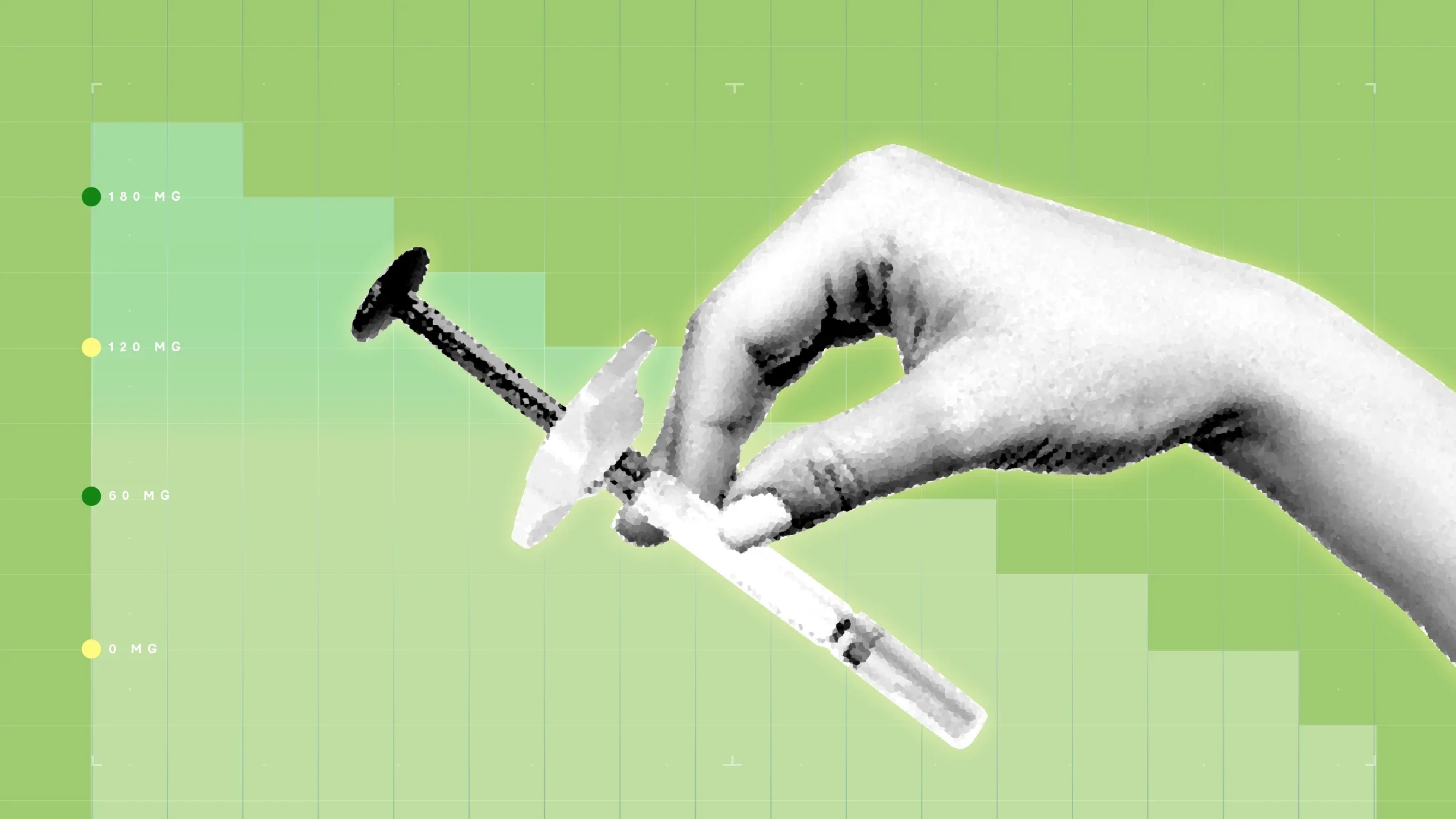
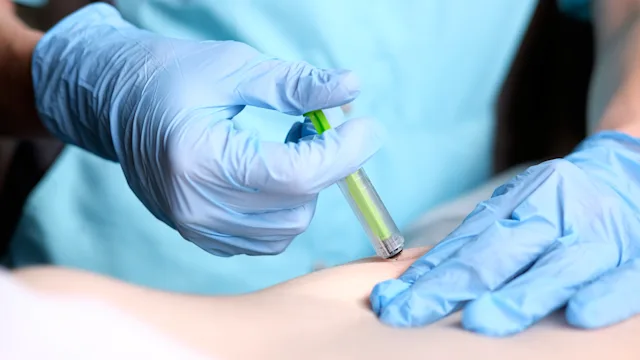
Several types of osteoporosis medications are available. Many work by slowing bone resorption. They can be taken by mouth, as an injection, or through an IV. Examples include:
Alendronate (Fosamax)
Ibandronate (Boniva)
Risedronate (Actonel, Atelvia)
Zoledronic acid (Reclast)
Calcitonin (Miacalcin, Fortical)
Raloxifene (Evista)
Denosumab (Prolia)
Other osteoporosis medications work by building new bone. These injectable medications include:
Teriparatide (Forteo)
Abaloparatide (Tymlos)
Romosozumab (Evenity)
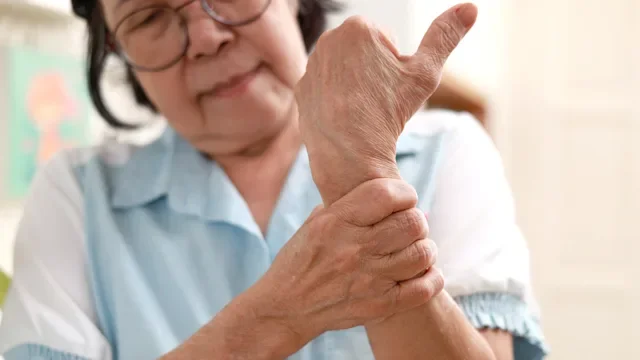
The goal of osteoporosis treatment is to reduce the risk of fracture. The three most commonly affected areas are the spine, the hip, and the wrist. Most people think of pain when they think about fractures, but there’s more to it. Fractures can lead to disability, making it hard or impossible to do certain activities. They can also lead to dependence on others for daily living and mobility.
In addition to medications, it’s also important to mention fall prevention when thinking about how to treat and live with osteoporosis. In people with osteoporosis, falls are the leading cause of fractures. So it’s good to know what your risk of falls is, and what you can do to help prevent them — even if you think you’re not someone who falls.
Here are some of the commonest risk of falls:
Conditions at home, such as poor lighting and clutter on the floors
Poor balance
Drinking alcohol
Muscle weakness
Vision problems
Medications that make you feel dizzy or less alert
You can use this tool to assess your own risk of falling and then share it with your healthcare provider.
Here are some tips to help prevent falls at home:
Always wear your glasses and hearing aids (if prescribed).
Pick up or secure any loose wires, rugs, or pet items on the floor.
Keep floors and stairs free of clutter.
Make sure rooms, stairs, and hallways are well lit.
Ask for help reaching for things instead of using step stools.
Install handrails in bathrooms and stairways.
It’s common to feel sad or frustrated if you need help doing things that you previously didn’t need help with. If you are struggling with your feelings, or if you have a fear of falling, be sure to reach out to your healthcare provider for help.
It’s important to build bone strength early in life to help your chance of avoiding bone injuries later. According to the NOF, lifestyle behaviors can really have an impact on bone mass. Here are some steps you can take to keep your bones as healthy as possible and help prevent further bone loss if you already have osteoporosis:
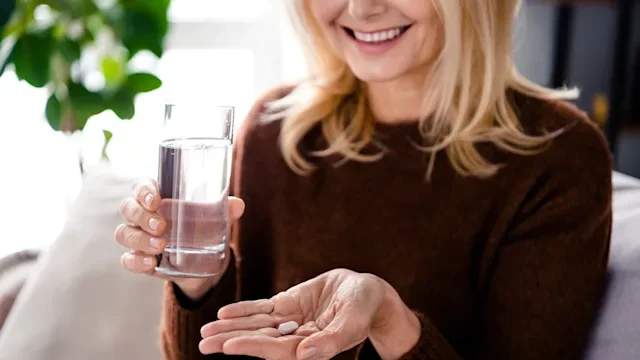
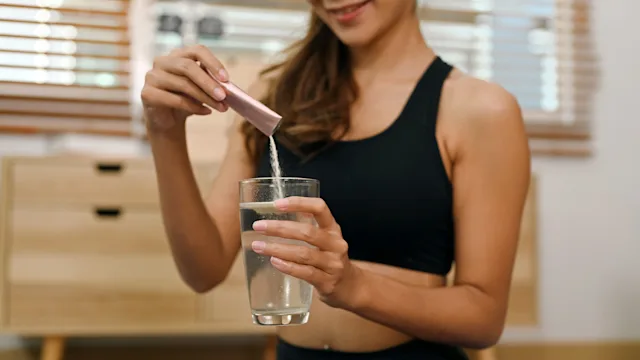
Getting enough calcium and vitamin D: Calcium and other minerals are the building blocks of healthy bone, and vitamin D helps the body absorb calcium. It’s better to get what you need through diet, but vitamins and minerals are available as supplements, too. For adults 50 years of age and older, experts recommend getting at least 1,000 IU of vitamin D daily (no more than 4,000 IU) and 1,200 mg calcium daily (no more than 1,500 mg).
Cut back on smoking and drinking, or stop completely: Excessive alcohol consumption (three or more drinks per day) and smoking have both been linked to an increased risk of fractures.
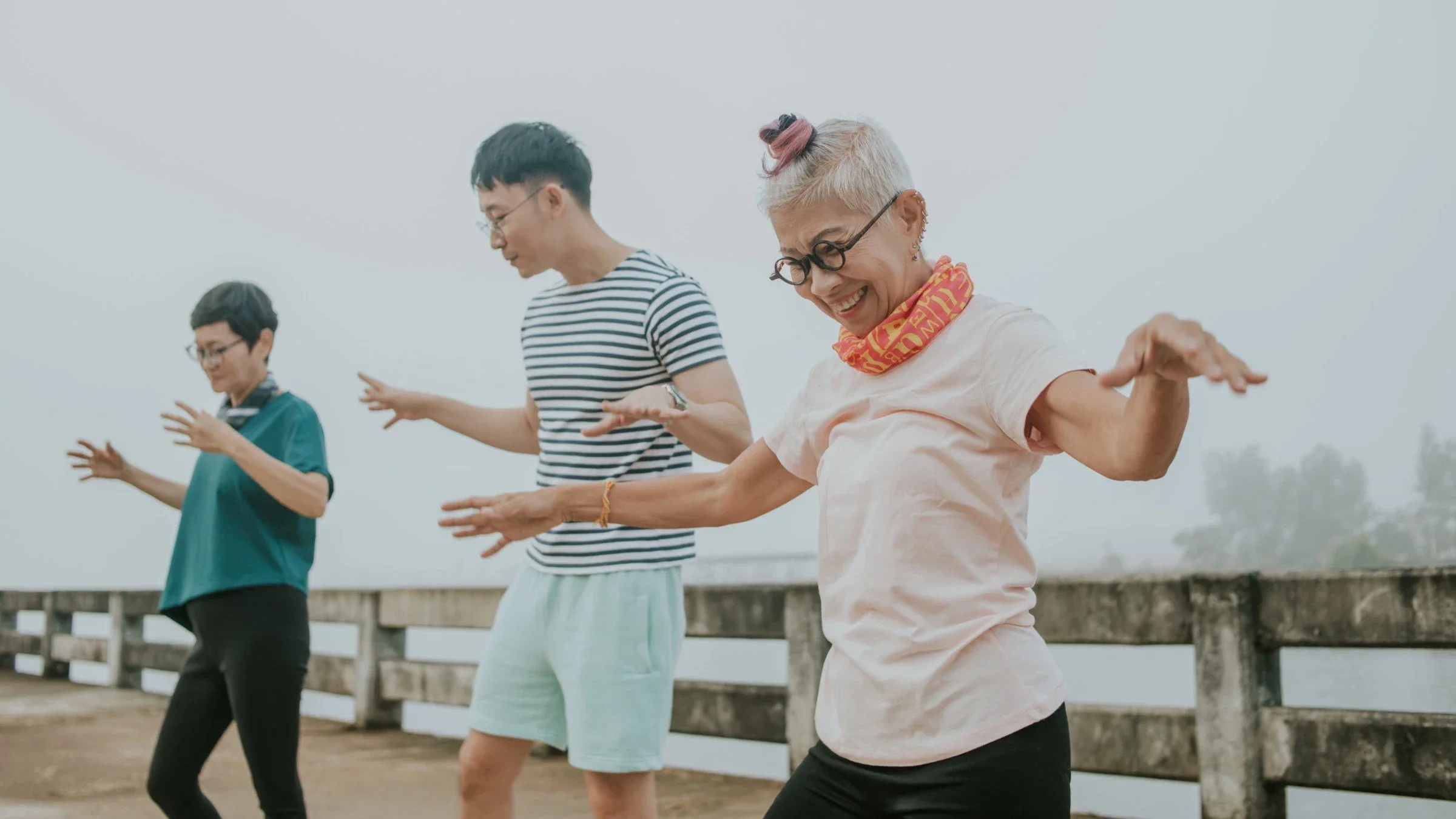
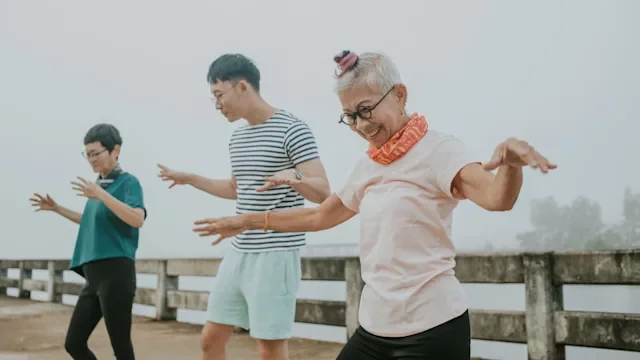
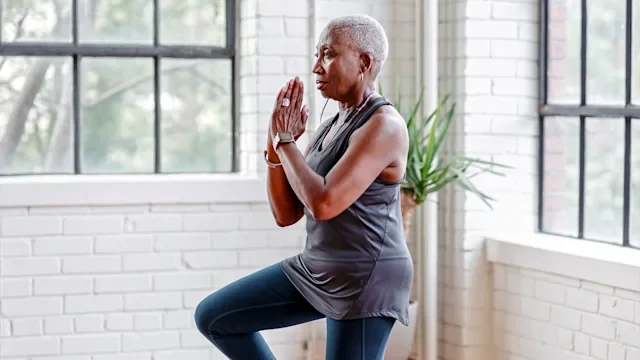
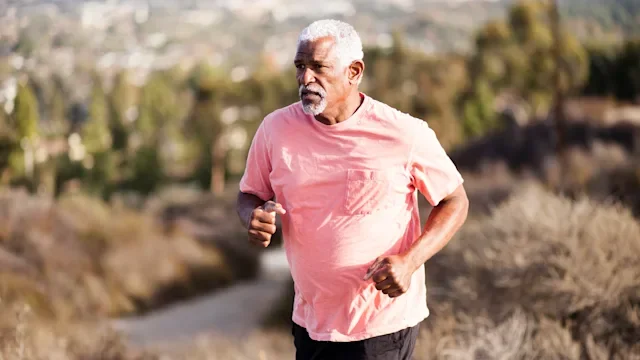
Make exercise a regular habit, if you don’t already: Exercise strengthens muscles and improves balance, both of which can reduce the risk of falls. Also, strength training in postmenopausal women has been shown to slow the rate of bone loss. To keep your bones healthy, you need to challenge them with weight-bearing activities (like walking and dancing) as well as resistance activities (such as free weights or yoga).
Be sure to speak with your healthcare provider before starting a new exercise program. This is especially true if you have osteoporosis and/or you have experienced a fracture, because certain movements might be harmful. A referral to physical therapy for balance and strength training is often a good option.
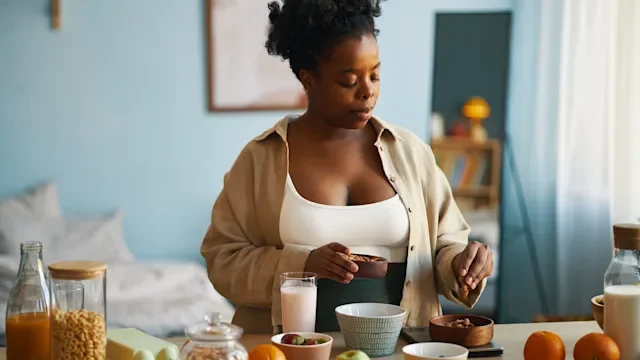
Calcium and vitamin D are really important if you have low bone density. Calcium-rich foods include dairy products (such as milk, yogurt, or cheese) and leafy greens (such as kale and spinach). There aren’t many foods high in vitamin D (except fish like salmon and tuna), so supplements can be helpful. Many dairy products are also fortified with vitamin D, so be sure to check labels.
Lots of fruits and vegetables have vitamin C, potassium, and magnesium, which are also important for bone health. Read here for more osteoporosis diet tips.
Calcium and vitamin D are really important if you have low bone density. Calcium-rich foods include dairy products (such as milk, yogurt, or cheese) and leafy greens (such as kale and spinach). There aren’t many foods high in vitamin D (except fish like salmon and tuna), so supplements can be helpful. Many dairy products are also fortified with vitamin D, so be sure to check labels.
Lots of fruits and vegetables have vitamin C, potassium, and magnesium, which are also important for bone health. Read here for more osteoporosis diet tips.
No. While medications are able to slow the rate of bone loss, and can even build a little more density in some cases, they don’t cure osteoporosis. And, if you stop the medication, bone loss usually continues.
How long we live depends on many factors. But as it relates to osteoporosis, preventing falls and fractures is key to prolonging life expectancy. A large observational study found that women younger than 75 years and men younger than 60 years can expect to live at least 15 more years after beginning treatment.
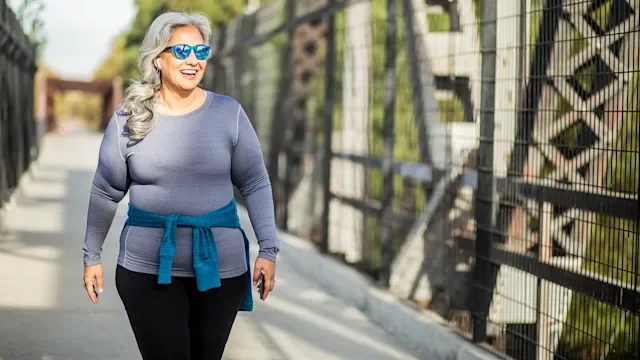
Yes. Physical activity — especially weight-bearing activity that builds strength — is good for osteoporosis, and that includes walking.
Osteoporosis itself doesn’t cause pain. If someone with osteoporosis is experiencing new pain, it could be due to a fracture, which definitely causes pain.
If osteoporosis is not treated, it is likely to get worse. The biggest problem that comes with osteoporosis is the risk of fractures. They are painful and debilitating, but that’s not all.
Studies have shown that after a fracture, people experience more dependence on others, depressive symptoms, and even increased risk of death. In fact, the risk of death within 1 year after a hip fracture is around 22%.
It’s not clear exactly why, but studies also show that taking osteoporosis treatment is linked to a lower risk of death after a fracture.
Abrahamsen, B., et al. (2015). Life expectancy in patients treated for osteoporosis: Observational cohort study using national Danish prescription data. Journal of Bone Mineral Research.
Alswat, K. A. (2017). Gender disparities in osteoporosis. Journal of Clinical Medicine Research.
Prescription savings
Stop paying too much for your prescriptions. Compare prices, get pharmacy coupons, and save up to 80%. Find expert answers to your health questions so you can make the best decisions for yourself and your family.
Health conditions
Medications & treatment
Access & affordability
 Our monthly healthcare membership can help you save thousands on your prescription costs.
Resources