Jill Dehlin had headaches on and off for years before she was diagnosed with a chronic migraine condition.
Her diagnosis changed her career trajectory, but it didn’t derail it.
Today, she’s an advocate who helps people better understand what it’s like to live with migraine.
Jill Dehlin dealt with headaches for years before she realized they were more than just headaches.
By the time she was in her early 30s, when she was working as a registered nurse, her headaches would go on for days. “I had what I remember as being my first three-day headache,” she says, recalling an episode she had when she was 32.
At the time, Jill thought it was a side effect of a medication she was taking for something else. Though she didn’t know it, that headache was the beginning of dealing with a chronic condition that would disrupt her life and her career.
For years, the same symptoms would return: headache, nausea, fatigue, sensitivity to light and sound. They were all signs of migraine, a complex neurological disorder.
It took 10 years for Jill to see a doctor who diagnosed her with a chronic migraine condition.
“I like to say that it feels like somebody drilled a hole in my head and then took a funnel and poured hot, burning acid in my head,” Jill says. “For me, that’s how it felt.”
How migraines changed her career trajectory
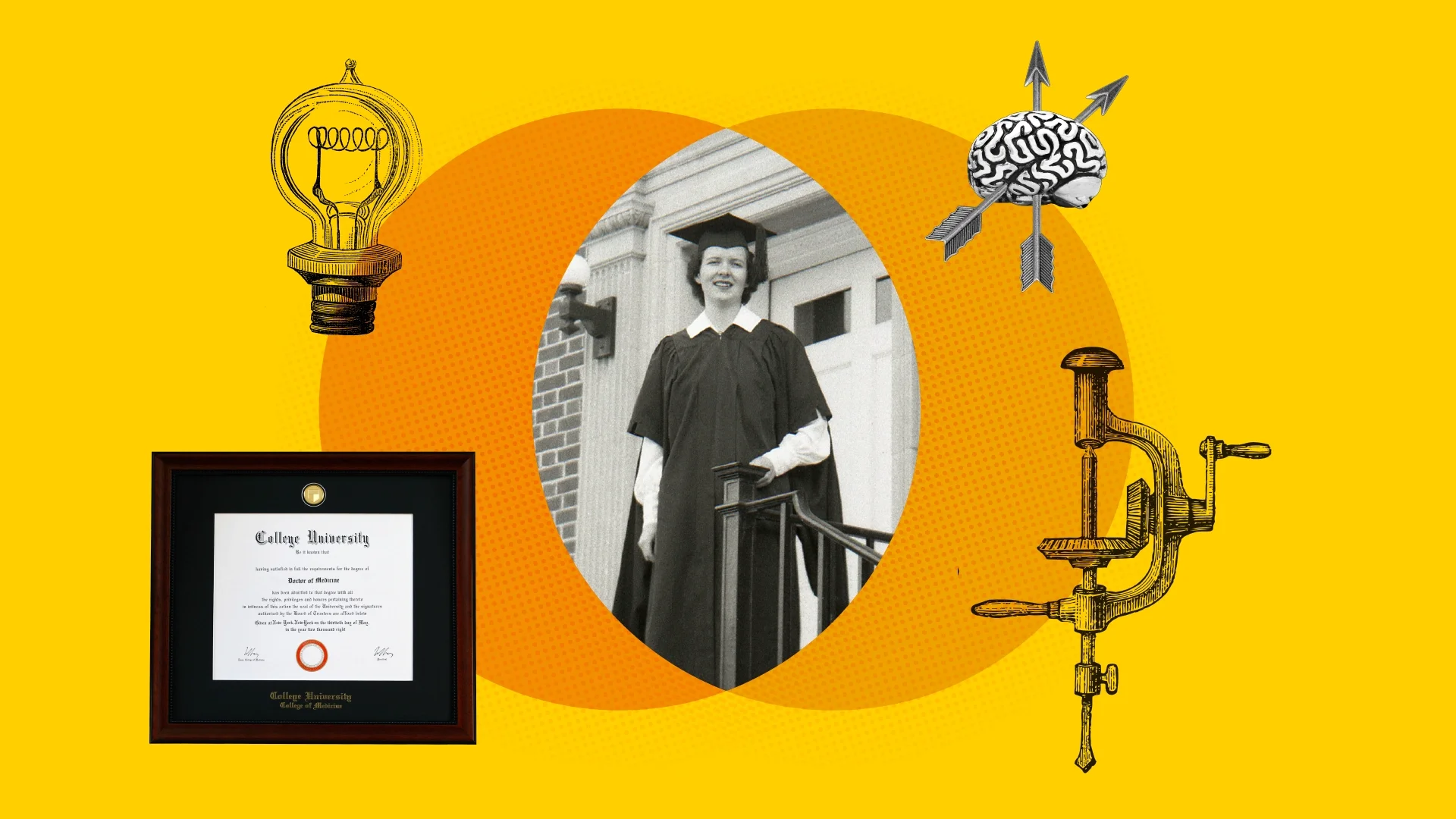
At age 67, Jill — who went on to become an educator in Okemos, Michigan — is now a board member of the National Headache Foundation. But, for a time, she wondered what her chronic condition would do to her career.
After she was diagnosed, her physician put her on beta blockers to try to prevent migraine attacks. But it was becoming exhausting. During her attacks, she had photophobia (sensitivity to light) and phonophobia (sensitivity to sound).
“I was in graduate school, and I was trying to do a lot of things all at the same time, including working part time,” Jill says. “And I just had to drop some things.”
She completed all of her coursework and had her dissertation research approved. But she couldn’t complete her PhD. Her migraines and the side effects of her medication were impairing her cognitive ability.
“I slept on it and thought on it and prayed on it, and I thought, ‘You know what? I’m not going to allow this to ruin my life. I still have things to do and things to give to the world,’” she says.
She found a part-time job with a school district, where she went on to supervise and teach health education for 20 years.
Finding her purpose as an advocate
Once Jill retired from her job as a school health educator, she dove right into migraine and headache advocacy.
Her career shift allowed her to help patients and practitioners understand migraine better. And providing people with the language and strategies to talk with their healthcare provider filled Jill with purpose.
These days, Jill still works as an advocate. She wants people who don’t have migraines to know that they’re so much more than just headaches. Some migraines don’t even present with head pain. They can affect people’s brains or ability to speak. They can cause nausea or vomiting.
“It's a whole constellation of symptoms that come with this disease — phonophobia, photophobia, and sensitivity to fragrances,” she says.
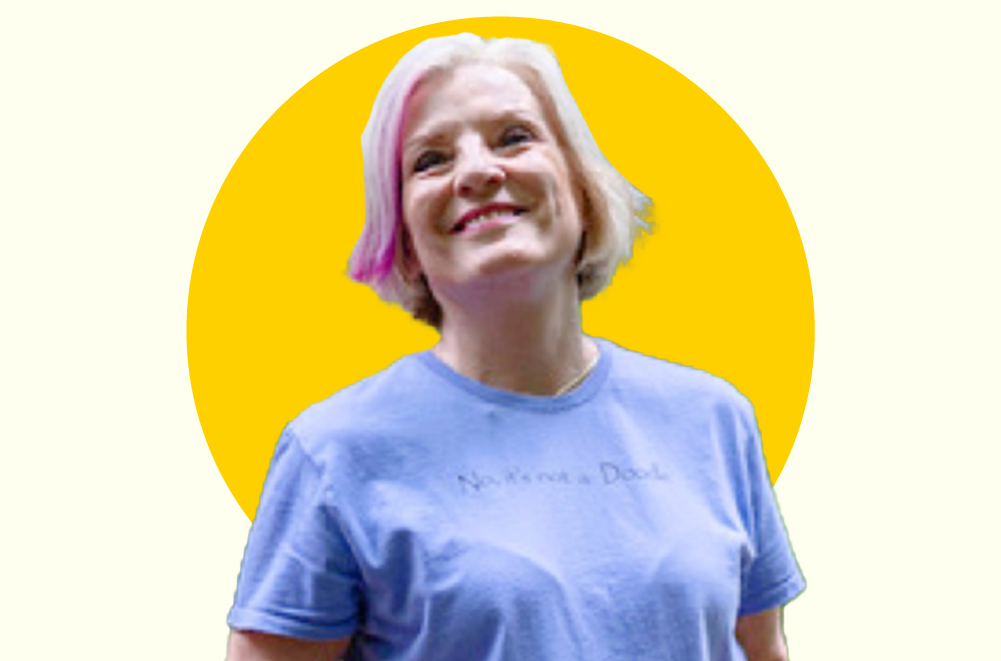
Jill participates in “everyday migraine advocacy,” as she writes on her LinkedIn page. “I’ve worn a purple streak in my hair since 2018. Purple is the color for migraine advocacy in the U.S. It has started many meaningful conversations about migraine.”
Tips on asking for help in the workplace
Jill also has tips for people who need to ask for help in the workplace. First, she recommends that people take advantage of resources provided by the National Headache Foundation, such as their directory of headache specialists by state.
If migraine is affecting your career, Jill says, your condition could fall under the Family and Medical Leave Act, which helps protect people who can’t work.
She also urges people with migraine to talk to their human resources department to discuss ways to help reduce triggers in the workplace. For example, allowing someone to wear ear protection in a noisy environment or to switch from fluorescent lighting to a desk lamp could be helpful. And encouraging a no-fragrance policy could make the workplace more inclusive.
‘I have hope’
Jill now works on national advocacy with the federal government to help people across the country.
At home, Jill has a supportive family that helps take care of her when she feels unwell, which she says she’s grateful for. She also feels lucky to have her Portuguese water dog, Hobie, who keeps her company when she needs to stay in bed during a migraine attack.
“I am really blessed,” she says. “But mostly I have hope because I know that there are treatments out there. I’m using some treatments that have taken my migraine attacks down from daily to about four a month.”

Why trust our experts?