Key takeaways:
Irritable bowel syndrome (IBS) is a chronic condition that causes unpleasant digestive symptoms. It affects up to 1 in 5 people in the U.S.
Genetics, mental health conditions, and stress can play a major role in IBS. But six specific foods are common triggers for IBS flare-ups.
There are no FDA-approved tests for identifying food sensitivities or IBS triggers. Keeping a food and symptom diary can help you identify your individual triggers.
Irritable bowel syndrome (IBS) is a chronic digestive condition that affects up to 1 in 5 people in the U.S. And IBS flare-ups can have a significant impact on someone’s quality of life. But identifying potential food triggers can help. In this article, we discuss foods to avoid with IBS and how to identify them in your diet.
What is IBS?
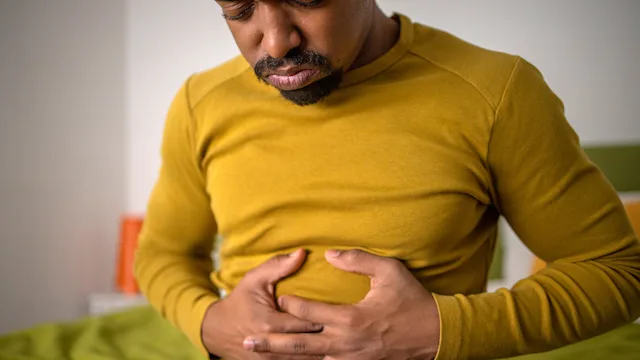
IBS is a chronic digestive condition marked by sporadic bouts of symptoms. Common symptoms include:
Abdominal pain
Bloating
Gas
Diarrhea and/or constipation
It’s normal for anyone to have these symptoms from time to time. But if you feel like you experience them more frequently than the average person, it might be time to talk with your primary care provider.
How do you know if you have IBS?
First, your primary care provider may run diagnostic tests to rule out other digestive conditions. If the results of these tests are normal and your symptoms have been ongoing for at least 6 months, it’s possible that you may have IBS.
The specific cause of IBS remains unknown. Scientists think that there’s a genetic component. And mental health conditions — like depression, anxiety, and ongoing stress — can affect IBS symptoms. This is likely because of the brain-gut connection. But no matter what the underlying cause, experts have also identified certain foods that tend to trigger the condition.
What foods should you avoid with IBS?
There are a limited number of treatments for IBS. But an important part of managing IBS is identifying your food triggers. Avoiding foods that trigger your IBS can help manage your symptoms, and improve your quality of life. Four in five people with IBS report at least one food trigger for their IBS. The following six foods are the most common culprits of IBS symptoms.
1. High-FODMAP foods
FODMAPs stand for fermentable oligosaccharides, disaccharides, monosaccharides, and polyols. The FODMAPs are a specific type of carbohydrate found in many foods that can be difficult for your body to digest and absorb.
“FODMAPs pull water into the colon. This can cause diarrhea in someone who is prone to it. For people more prone to constipation, this can also cause bloating,” said Kristin Houts, MS, RD, a Chicago-based dietitian with a focus on gastrointestinal disorders. “Because these carbohydrates are poorly absorbed, they ferment in the colon causing excess bloating, gas, and cramping in those with IBS.”
It’s important to note that the FODMAP diet has a long list of foods to limit or avoid. This means it can be overwhelming to start, and even more difficult to maintain. Examples of high-FODMAP foods to avoid include:
Dried or canned fruit
Grains, such as wheat, barley, or rye
Dairy products with lactose
Certain vegetables like asparagus, garlic, onion, and broccoli
Many sugar substitutes, such as agave, honey, and sorbitol
It’s recommended to work one-on-one with your gastrointestinal specialist or a registered dietitian nutritionist (RDN) if you want to modify your diet to avoid high-FODMAP foods. An RDN can help you personalize your diet so that you’re restricting as few foods as possible.
It’s also important to note that a FODMAP diet isn’t intended to be long-term because it can cause nutritional deficiencies.
2. Fatty foods
It’s common for people to report tummy troubles after a meal that’s high in fat. Fat — compared with protein and carbohydrates — takes longer to digest. And certain types of fat could contribute to inflammation of the intestines in people with IBS. A high-fat meal may cause your digestive system to slow down, which can also lead to gas and bloating.
Eating some fat with your meal is important for satiety. Fat also helps your body absorb certain nutrients in your food. Consider opting for monounsaturated and polyunsaturated sources of fats, such as:
Avocados
Nuts
Healthy oils
Fatty fish
To keep the amount of fat at your meal in check, make sure you’re eating a balanced meal made up of protein, carbohydrates, and some fat.
3. Alcohol
Alcoholic beverages can exacerbate digestive symptoms. Alcohol has many effects on the body. When it comes to your gut, it relaxes the muscles that line your intestines. This can cause food to move through quicker than normal. It can also allow nutrients to flow more freely in and out.
This is one of the reasons why heavy drinking can cause:
Diarrhea
Nausea
Stomach upset
Indigestion
Reduced absorption of nutrients (or malnutrition)
It’s unlikely that moderate alcohol intake (less than 1 drink per day for women, or 2 drinks per day for men) will cause these symptoms. You may also find that specific types of drinks affect you more than others.
4. Spicy food
Curious why chili might make you run to the bathroom? It’s because of the active ingredient found in chili powder, called capsaicin. It can cause diarrhea, reflux, and burning during bowel movements in certain people.
5. Caffeine
Caffeinated coffee is well known for its laxative effects. Coffee and other caffeinated beverages activate the muscles in the lower gastrointestinal tract, which can lead to a bowel movement.
The FDA states that up to 400 mg of caffeine per day for healthy adults is safe. That is about three to five 8 oz cups. However, some people may be more sensitive — and may have a stomachache or other digestive issues — after drinking any amount of coffee.
6. Sweeteners
Certain sugar substitutes might trigger IBS symptoms. That includes sugar alcohols like sorbitol, mannitol, and xylitol. These sweeteners are common in sugar-free gum, candy, and “diet” products. Sugar alcohols belong to a class of carbohydrates called polyols — these are the “P” in FODMAPs
There are artificial sweeteners that are not FODMAPs, such as:
Aspartame
Sucralose
Saccharin
Acesulfame-K
There isn’t as much evidence that these artificial sweeteners worsen IBS symptoms. But some research suggests they may change the balance of bacteria in the gut (the gut microbiome) or irritate the gut lining. Most of this research is still early, and it’s not clear yet how much it matters for people with IBS.
If you notice digestive symptoms after eating foods with artificial sweeteners, you could try cutting them out for a short time to see if your symptoms improve.
Does gluten trigger IBS?
Some people with IBS feel better when they stop eating gluten. But research doesn’t clearly show that gluten consistently triggers IBS symptoms.
In high-quality studies where people were given gluten or a placebo (without knowing which one they were eating), overall symptoms were not significantly worse with gluten. In fact, newer research suggests that fructans — a type of FODMAP found in wheat — may be the real trigger for many people, not the gluten protein itself.
The American College of Gastroenterology doesn’t recommend a gluten-free diet for most people with IBS. Instead, they suggest trying a low-FODMAP diet, which has stronger evidence for improving symptoms. That said, a small group of people — especially those with certain positive blood tests linked to gluten sensitivity — may feel better after cutting out gluten. If you’re thinking about going gluten-free, talk with a healthcare professional first to make sure it’s the right approach for you.
Additional tips for managing IBS symptoms
Beyond the specific foods you eat, other factors can trigger IBS symptoms, too. The American Gastroenterological Association recommends:
Sticking to a regular meal schedule as much as possible
Avoiding large meals — smaller, more frequent meals are best
Drinking at least 8 cups of fluid daily, especially water and noncaffeinated drinks
Limiting tea and coffee to 3 cups per day
Reducing intake of alcohol and carbonated drinks
Limiting fruit to 3 portions per day
Is it lactose intolerance or IBS?
Lactose intolerance and IBS may cause similar digestive symptoms, but the cause is different.
Lactose is a type of natural sugar found in dairy foods. It’s broken down by an enzyme called lactase so that your body can absorb it.
As some people age, they may begin to lose their ability to produce lactase. This can lead to many of the same symptoms as IBS, like bloating and changes in bowel habits.
How to log triggers in a food and symptom journal
If you’re trying to figure out which foods trigger your symptoms, consider logging a food and symptom journal. Your food sensitivities are individual and unique to you. Despite what you see on social media, there are no FDA-approved tests for diagnosing food sensitivities.
To log a food and symptom journal, all you need is a notebook and a pen (or your smartphone). For each food entry, include these details:
Date and time
Meal or snack
Where
With whom
Food or drink
Brand and ingredient details
Preparation and cooking
Quantity
You’ll also log your symptoms and bowel movements at the end of the day. For each of these entries, log:
Date and time
The symptoms you’re currently experiencing
Any details about your bowel movements (size, consistency, accompanying symptoms)
Chicago-based dietitian Houts reminds that “something you just ate is unlikely to be the sole contributor to a flare-up in your symptoms.” In fact, she said: “Digestion can be a longer process than we realize. This means that something that you ate yesterday might actually be playing a role.”
This is why a food journal can be a helpful tool to recognize patterns in how certain foods affect your IBS symptoms.
What foods help calm IBS?
While trigger foods get a lot of attention, some dietary changes can actually help improve IBS symptoms. Research shows that a few strategies stand out:
Soluble fiber: This type of fiber can help improve overall IBS symptoms — especially if you have constipation (IBS-C). Good sources include psyllium husk, oat bran, and the soft “flesh” of fruits and vegetables.
Low-FODMAP diet: This is the most evidence-based diet for IBS. Studies show it can reduce belly pain, bloating, gas, and diarrhea in many people. Because the diet is restrictive, it’s best done with guidance from a healthcare professional or dietitian.
Probiotics: Some people find relief with probiotics, which may help balance gut bacteria. If you decide to try one, experts suggest taking it daily for at least 4 weeks at the recommended dose to see if it helps.
Frequently asked questions
There’s currently no permanent cure for IBS. Treatment focuses on managing symptoms through diet, stress reduction, and sometimes medications. Many people can achieve long-term relief with strategies like a low-FODMAP diet, soluble fiber, probiotics, and lifestyle changes, but symptoms can fluctuate over time.
Yes, bananas can be good for IBS — but it depends on the type. Ripe bananas are low in FODMAPs and generally well tolerated, making them a good option for most people with IBS. Unripe (green) bananas are higher in resistant starch, which can worsen gas and bloating in some individuals. Start with small portions to see how your body responds.
IBS usually doesn’t cause significant weight loss. Unintentional or rapid weight loss is uncommon and should be evaluated by a healthcare professional, as it may point to another condition.
There’s currently no permanent cure for IBS. Treatment focuses on managing symptoms through diet, stress reduction, and sometimes medications. Many people can achieve long-term relief with strategies like a low-FODMAP diet, soluble fiber, probiotics, and lifestyle changes, but symptoms can fluctuate over time.
Yes, bananas can be good for IBS — but it depends on the type. Ripe bananas are low in FODMAPs and generally well tolerated, making them a good option for most people with IBS. Unripe (green) bananas are higher in resistant starch, which can worsen gas and bloating in some individuals. Start with small portions to see how your body responds.
IBS usually doesn’t cause significant weight loss. Unintentional or rapid weight loss is uncommon and should be evaluated by a healthcare professional, as it may point to another condition.
The bottom line
If you’re living with IBS, you know it can be a difficult condition to manage. And symptoms can have a big effect on your quality of life. It may feel like you can’t go anywhere because you’re worried you’ll have a flare, or need a toilet.
Identifying your unique food triggers can be a good place to start. You may want to avoid fatty or spicy foods, high-FODMAP foods, alcohol, caffeine, and artificial sweeteners. Instead, opt for foods high in soluble fiber and probiotics. Consider working one-on-one with your gastroenterologist or a registered dietitian nutritionist. They can help you avoid triggers while also enjoying a wide variety of satisfying foods.

Why trust our experts?




References
Chey, W. D., et al. (2022). AGA clinical practice update on the role of diet in irritable bowel syndrome: Expert review. Gastroenterology.
Chey, W. D., et al. (2015). Irritable bowel syndrome: A clinical review. JAMA.
Cozma-Petruţ, A., et al. (2017). Diet in irritable bowel syndrome: What to recommend, not what to forbid to patients! World Journal of Gastroenterology.
Dionne, J., et al. (2018). A systematic review and meta-analysis evaluating the efficacy of a gluten-free diet and a low FODMAPs diet in treating symptoms of irritable bowel syndrome. The American Journal of Gastroenterology.
Ford, A., et al. (2018). American College of Gastroenterology monograph on management of irritable bowel syndrome. The American Journal of Gastroenterology.
Lacy, B. E., et al. (2021). ACG clinical guideline: Management of irritable bowel syndrome. The American Journal of Gastroenterology.
My Nutrition Health. (n.d.). High FODMAP foods. University of Michigan Health System.
National Institute of Diabetes and Digestive and Kidney Diseases. (2017). Diagnosis of irritable bowel syndrome.
National Institute of Diabetes and Digestive and Kidney Diseases. (2017). Symptoms & causes of irritable bowel syndrome.
Nordin, E., et al. (2022). Fermentable oligo-, di-, monosaccharides, and polyols (FODMAPs), but not gluten, elicit modest symptoms of irritable bowel syndrome: a double-blind, placebo-controlled, randomized three-way crossover trial. The American Journal of Clinical Nutrition.
Pat, Y., et al. (2026). Cellular stress, inflammation and barrier damage in gut epithelial cells caused by aspartame. Allergy.
Phillips, K. M., et al. (2021). Dietary fiber, starch, and sugars in bananas at different stages of ripeness in the retail market. PLOSOne.
Pinto-Sanchez, M. I., et al. (2021). Gluten-free diet reduces symptoms, particularly diarrhea, in patients with irritable bowel syndrome and antigliadin IgG. Clinical Gastroenterology and Hepatology.
Portincasa, P., et al. (2017). Irritable bowel syndrome and diet. Gastroenterology Report.
Reding, K. W., et al. (2013). Relationship between patterns of alcohol consumption and gastrointestinal symptoms among patients with irritable bowel syndrome. The American Journal of Gastroenterology.
Seiler, C. L., et al. (2025). Effect of gluten and wheat on symptoms and behaviours in adults with irritable bowel syndrome: a single-centre, randomised, double-blind, sham-controlled crossover trial. The Lancet Gastroenterology & Hepatology.
Staudacher, H. M., et al. (2017). The low FODMAP diet: recent advances in understanding its mechanisms and efficacy in IBS. Gut.
Suez, J., et al. (2022). Personalized microbiome-driven effects of non-nutritive sweeteners on human glucose tolerance. Cell.
U.S. Food and Drug Administration. (2024). Spilling the beans: How much caffeine is too much?
Wright-McNaughton, M., et al. (2019). Measuring diet intake and gastrointestinal symptoms in irritable bowel syndrome: Validation of the food and symptom times diary. Clinical and Translational Gastroenterology.
Zhang, W. X., et al. (2023). Efficacy of probiotics, prebiotics and synbiotics in irritable bowel syndrome: a systematic review and meta-analysis of randomized, double-blind, placebo-controlled trials. Journal of Medical Microbiology.