Key takeaways:
Cholestyramine powder is a prescription medication that may ease some symptoms of diarrhea-predominant IBS (IBS-D).
Cholestyramine powder is a bile acid sequestrant. It works by binding to bile acids in the intestine. This may lessen diarrhea.
Side effects of using cholestyramine for IBS include constipation, abdominal bloating, and heartburn.
Save on related medications
Nearly 15% of adults in the U.S. have symptoms of irritable bowel syndrome (IBS). This means that if you’re struggling with painful, irregular bowel movements, you are not alone. IBS can be a frustrating condition because experts still don’t know what causes it. Fortunately, there are a growing number of IBS treatment options.
Let’s take a look at how cholestyramine can treat IBS symptoms.
Does cholestyramine powder work for IBS?
Yes, cholestyramine powder can help improve symptoms of IBS in some people.
Cholestyramine is a bile acid sequestrant, which means it binds to bile acids in the intestine. Bile acids are made in the liver, stored in the gallbladder, and released into the intestine after a meal to help digest fat. High levels of bile acid can lead to diarrhea by increasing mucous production and causing the intestine to push stool through the gut faster. By binding to bile acids, cholestyramine reduces the amount of free bile acids in the gut. This in turn can lessen diarrhea.
There is evidence that some people with IBS have elevated bile acid levels in their stool. And using cholestyramine to lower bile acid levels can improve IBS-related diarrhea.
It’s important to point out that cholestyramine isn’t FDA approved to treat IBS. But experts may recommend off-label use of cholestyramine to treat some people with IBS.
When is cholestyramine recommended for IBS?
Cholestyramine isn’t right for everyone with IBS.
It may be helpful for people with diarrhea-predominant IBS (IBS-D) who haven’t gotten relief with other medications, like loperamide. People with IBS-D have bowel movements that are loose or watery at least 25% of the time.
Some studies suggest that more than half of people with IBS-D may have trouble absorbing bile acids. Cholestyramine can help reduce diarrhea in these cases. Your healthcare team may recommend blood and stool tests to see if you have trouble absorbing bile acids before trying cholestyramine.
How long does it take for cholestyramine powder to help with IBS?
It can take several days for cholestyramine to have an effect on your stools.
Most people take 4 g of cholestyramine powder mixed with liquids each day. But you can adjust the amount based on how well you respond to the medication. Some people may need to take less while others may need to take more. It’s important to work with your healthcare team to find the right dose for you.
What are the risks of using cholestyramine powder for IBS?
The most common side effects of cholestyramine are:
Constipation
Bloating
Upset stomach
Vomiting
Diarrhea
Heartburn
Loss of appetite
Rarely, cholestyramine can cause serious side effects like bowel obstruction. Very high doses of cholestyramine can lower vitamin K levels and cause bleeding.
Can cholestyramine powder be combined with other IBS treatments?
Yes, cholestyramine can be combined with other IBS treatments. Based on your symptoms, your healthcare team may recommend trying therapies for IBS-D, including:
Antispasmodic medications to reduce abdominal pain
Loperamide to slow down intestinal motility (gut movement)
Tricyclic antidepressants to relieve abdominal pain and slow motility
Rifaximin to reduce bloating and diarrhea
If you don’t respond to these medications, your team may recommend a newer therapy like alosetron (Lotronex) or eluxadoline (Viberzi).
Who should not take cholestyramine powder for IBS?
Cholestyramine isn’t safe for everyone. You can’t take cholestyramine if you have:
Severe hypertriglyceridemia
Complete biliary obstruction
Phenylketanuria
Your healthcare team may recommend a different treatment if you have a bleeding disorder or are at higher risk for bleeding.
Talk with your healthcare team if you’re pregnant or nursing. Cholestyramine is a category C medication. It may be safe, but there’s limited information on how it affects human fetuses. Your healthcare team can review the risks and benefits of cholestyramine and help you decide if it’s the best choice for you.
Frequently asked questions
Cholestyramine can help treat diarrhea after gallbladder removal (cholecystectomy). Cholestyramine can also help lower cholesterol levels. But it’s not a first-choice option to treat high cholesterol.
There aren’t any foods that directly interact with cholestyramine. But the medication will work best if you follow a low-fat diet. You may also want to avoid food and drinks that can make side effects of cholestyramine worse, including spicy foods and alcohol.
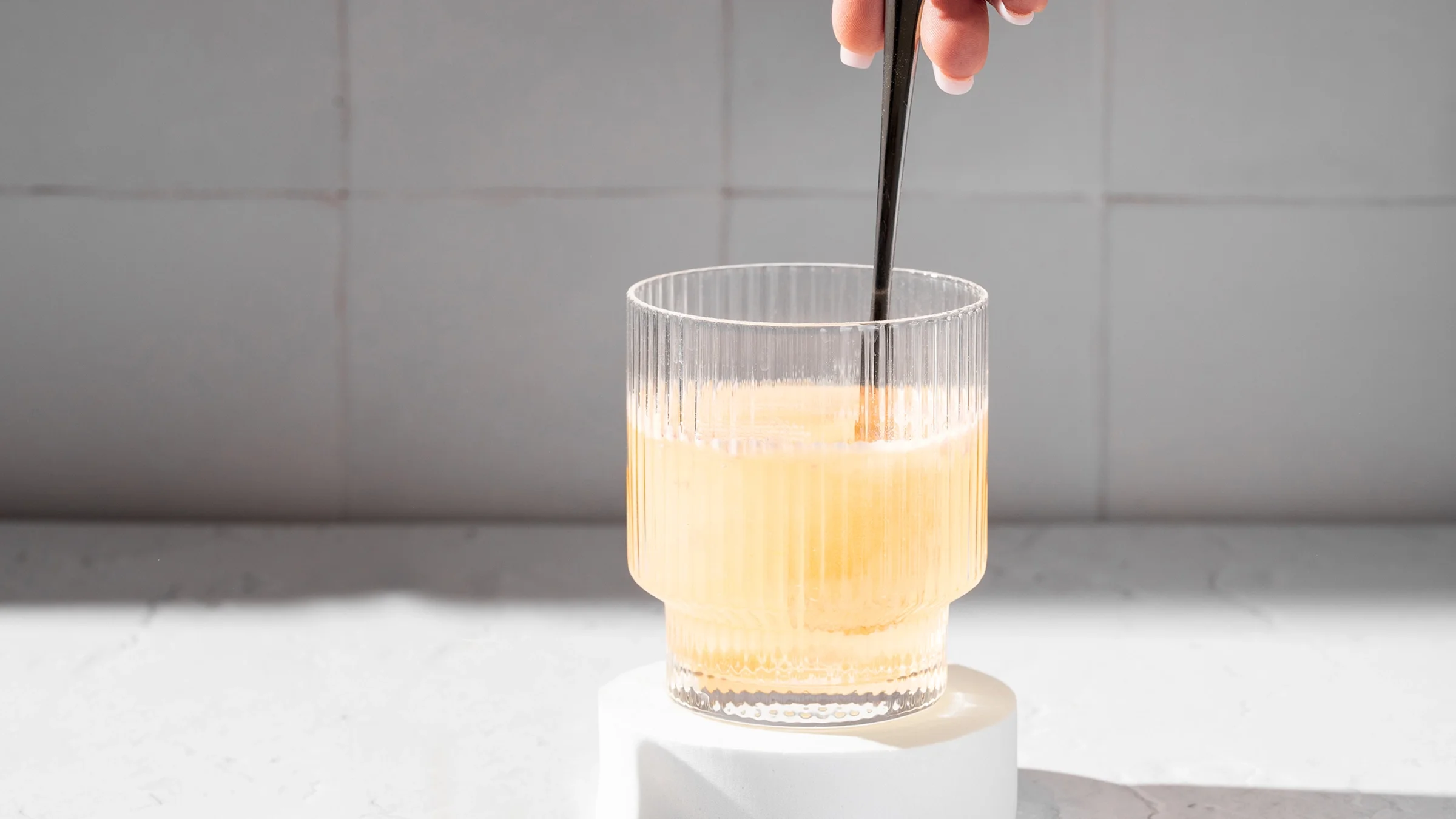
Cholestyramine comes as a powder that you mix in water, milk, or juice. Cholestyramine can make it more difficult to absorb fat-soluble vitamins like vitamins A, D, E, and K. So don’t take vitamins and cholestyramine at the same time. It’s best to take them 4 to 6 hours apart.
Cholestyramine can help treat diarrhea after gallbladder removal (cholecystectomy). Cholestyramine can also help lower cholesterol levels. But it’s not a first-choice option to treat high cholesterol.
There aren’t any foods that directly interact with cholestyramine. But the medication will work best if you follow a low-fat diet. You may also want to avoid food and drinks that can make side effects of cholestyramine worse, including spicy foods and alcohol.
Cholestyramine comes as a powder that you mix in water, milk, or juice. Cholestyramine can make it more difficult to absorb fat-soluble vitamins like vitamins A, D, E, and K. So don’t take vitamins and cholestyramine at the same time. It’s best to take them 4 to 6 hours apart.
The bottom line
Some people with diarrhea-predominant IBS (IBS-D) have high levels of bile acids. This can lead to diarrhea. Cholestyramine can help treat IBS-related diarrhea in these cases. It binds extra bile acid, which can lower diarrhea episodes. Cholestyramine powder can cause side effects like constipation and abdominal bloating. Experts may recommend cholestyramine as an off-label treatment for IBS-D for people who haven’t found relief with other treatments and have high bile acid levels.

Why trust our experts?



References
Altomare, A., et al. (2021). Diarrhea predominant-irritable bowel syndrome (IBS-D): Effects of different nutritional patterns on intestinal dysbiosis and symptoms. Nutrients.
American College of Gastroenterology. (n.d.). Irritable bowel syndrome (IBS).
Bajor, A., et al. (2015). Increased colonic bile acid exposure: a relevant factor for symptoms and treatment in IBS. Gut.
BC Women’s Hospital + Health Centre. (2022). Medication: Cholestyramine 4 g.
Bryant Ranch Prepack. (2022). Cholestyramine powder for suspension- cholestyramine powder for suspension powder, for suspension [package insert].
Chey, W. D. (2019). Highlights of the AGA technical review on functional diarrhea and diarrhea-predominant irritable bowel syndrome. Gastroenterology and Hepatology.
Huang, R., et al. (2023). Diagnosis and treatment of post-cholecystectomy diarrhoea. World Journal of Gastrointestinal Surgery.
Lipid Research Clinics Program. (1984). The lipid research clinics coronary primary prevention trial results. JAMA.
LiverTox: Clinical and Research Information on Drug-Induced Liver Injury. (2017). Bile acids. National Institute of Diabetes and Digestive and Kidney Diseases.
MedlinePlus. (2017). Cholestyramine resin.
Par Pharmaceutical. (2005). Approval package for: Cholestyramine for Oral Suspension USP, (Light), packaged in multiple-dose containers providing 4 g resin/scoopful and single-use packets containing 4 g resin/packet. Center for Drug Evaluation and Research.
Riaz, S., et al. (2025). Cholestyramine resin. StatPearls.
Zhan, K., et al. (2020). Gut microbiota-bile acid crosstalk in diarrhea-irritable bowel syndrome. BioMed Research International.