Key takeaways:
High blood pressure affects about half of all adults in the U.S. For most people, it’s caused by a combination of factors.
Most high blood pressure is due to a combination of lifestyle factors, genetics, and age. But sometimes, it can be caused by things like medications or other medical conditions.
Many causes of high blood pressure are modifiable. That means you can make changes in your daily life that lower your risk — like exercising, cutting back on salt and alcohol, and getting a good night’s sleep.
About half of U.S. adults have high blood pressure (hypertension). It’s a condition that can raise your risk of heart disease and stroke. High blood pressure usually doesn’t cause symptoms until problems arise. This is why it’s often called the “silent killer.”
For most people, high blood pressure is caused by a combination of factors. Some of them are out of their control — like age and genetics. But many of the causes are something you may be able to change.
What causes high blood pressure?
There are many things that can affect your blood pressure. Nearly 100% of the time, high blood pressure is caused by the combination of multiple risk factors. In only about 5% of cases, one clear and reversible medical cause can be found.
The American Heart Association’s (AHA) most recent blood pressure guidelines address the causes of high blood pressure in great detail. And in their own words, “high blood pressure is the most prevalent and modifiable risk factor for the development of [heart] disease.” But since the guidelines are quite lengthy, we’ll review the most common causes in clear and simple language.
Common causes of high blood pressure
1. Sex
Across all age groups, men are more likely to have high blood pressure than women. About 50% of U.S. adult men have high blood pressure, compared to about 44% of women. But in adults over the age of 60 years, high blood pressure is more common in women than men.
2. Aging
As you age, your blood vessels become more stiff. This means that high blood pressure is more common in older age groups. For example, more than 70% of people over the age of 60 have high blood pressure. In contrast, only about 20% of men and 10% of women in their 20s have it.
3. Race and ethnicity
Rates of high blood pressure differ among different racial and ethnic groups. It’s much more common in Black people as compared to other groups in the U.S. Almost 60% of Black adults in the U.S. have high blood pressure. Compare this to about 50% of white and Asian adults and about 40% of Hispanic adults.
4. Genetics
Certain genes in your DNA are linked to a higher risk for high blood pressure. Although there’s little you can do to change your genetics, it’s important to know about your family history. If your family members have high blood pressure, you may also be at greater risk. There are also certain physical conditions that you may be born with that can raise your blood pressure. These include problems with the aorta and other blood vessels, which are usually diagnosed in childhood.
5. Weight
People with higher weight or body fat — especially fat around the middle of the body — are at an increased risk for high blood pressure. Researchers estimate that obesity is the cause of about 3 out of 4 cases of high blood pressure. They’re still trying to understand why, but current evidence suggests it’s related to the way that body fat:
Activates the fight-or-flight response in the nervous system
Affects kidney health and function
Can lead to insulin resistance
Changes hormone balance
Causes inflammation and injury to the blood vessels
Can lead to sleep apnea
This brings us to the first “modifiable” risk factor on this list so far. Weight loss can help lower high blood pressure. And research is also showing that GLP-1 medications are helping people lower their blood pressure through both weight loss and other benefits for heart health.
6. High dietary sodium
Most people in the U.S. eat more salt than experts recommend for heart health. High intake of salt in your diet increases your risk of high blood pressure — as well as stroke, heart attacks, and kidney disease. Processed foods and restaurant food are the most salt-heavy sources.
The AHA recommends people keep their sodium intake to less than 2,300 mg of sodium a day. But they say that less than 1,500 mg is ideal, and a better target for people trying to lower their risk of chronic conditions like high blood pressure. Even just lowering your salt intake by 1,000 mg (or about ½ tsp of salt) can have great benefits.
7. Low potassium
Not getting enough potassium in your diet can also be a problem. Potassium is naturally found in many foods — like fruits, vegetables, and beans. The AHA recommends eating between 2,500 mg and 5,000 mg of potassium per day.
Keep in mind that some health conditions and medications — like kidney disease and diuretics can affect how your body processes potassium. High levels of potassium in the blood can be dangerous, so make sure to check in with your healthcare team before you increase your potassium intake. And avoid potassium supplements unless they specifically recommend one for you.
8. Low physical activity
The less active you are, the higher your risk of developing high blood pressure. But small changes to your daily activity level can make a big difference.
Experts recommend aiming for over 150 minutes of moderate physical activity per week, and resistance exercise at least 2 days per week. But every minute and movement counts. If you need to, start smaller than this. Exercise from short walks, gentle yoga, even dancing can have a big impact.
9. Drinking alcohol
Alcohol intake — especially in high amounts — is a well-known cause of high blood pressure. Drinking too much alcohol can also raise your cholesterol and triglyceride levels, and increase your risk for other heart disease as well. For these reasons, it’s best to lower your alcohol intake as much as possible. A general guideline is to aim for less than 2 drinks a day for men and less than 1 drink a day for women.
10. Medication side effects
Certain medications can raise your blood pressure as a side effect. This includes prescription and over-the-counter (OTC) medication and supplements. Common examples include:
Ibuprofen (Advil) and acetaminophen (Tylenol)
Decongestants
Some antidepressants
St. John’s wort
Check in with your healthcare team or pharmacist if your blood pressure goes up suddenly. Sometimes, a simple change in your medications can make a difference.
11. Smoking
Nicotine — one of the main chemicals in tobacco products — can raise your blood pressure. And it can also have other harmful effects on your heart and your risk for heart disease. Older studies have questioned whether quitting smoking may contribute to high blood pressure. But the AHA recommends smoking cessation as an important step in blood pressure and heart health.
12. High blood sugar
People with diabetes are more likely to have high blood pressure — and people with high blood pressure are more likely to have diabetes. And both conditions increase the risk for heart disease. But the good news is that many changes that help lower blood pressure also help lower blood sugar.
13. Kidney problems
Many people don’t realize that the kidneys play an important role in blood pressure. They remove excess sodium — and other waste products — from the blood to help keep blood pressure at a normal level. They also produce hormones that help regulate your blood pressure and blood flow throughout the body. So kidney problems — especially chronic kidney disease — can lead to high blood pressure. And high blood pressure can also lead to kidney disease.
Many foods and drinks can help preserve your kidney health. So can keeping regular checkups with your primary care provider, which usually includes basic blood work to check kidney function.
14. Obstructive sleep apnea
Obstructive sleep apnea can lead to high blood pressure. If you experience disrupted sleep or heavy snoring, it’s important to talk to someone on your healthcare team. A sleep study can help diagnose this condition. Treating sleep apnea will do more than increase the quality of your sleep, which has multiple health benefits. It may also help lower your blood pressure and improve your quality of life.
15. Hormonal changes
Many hormones in your body work together to manage your blood pressure. When the balance of these hormones is off, you might experience a change in your blood pressure. For instance, trouble with the thyroid gland and adrenals can lead to high blood pressure. Hormone changes associated with pregnancy and menopause may also affect blood pressure for some women.
Your primary care provider can order blood tests to screen for hormonal imbalances. And regular checkups with your healthcare team throughout pregnancy and menopause is important to monitor for changes in blood pressure during these times.
How do I know if my blood pressure is too high?
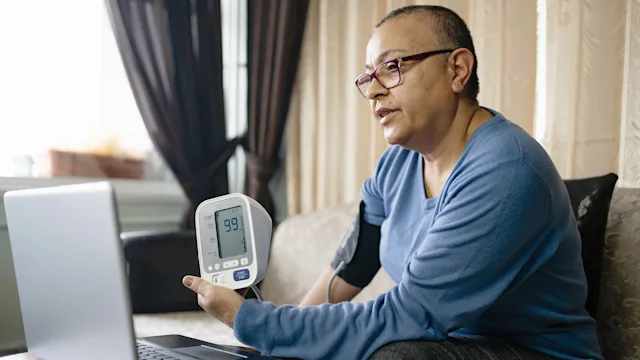
High blood pressure usually doesn’t cause any symptoms. The best way to know if you have high blood pressure is to check your blood pressure periodically. This includes home monitoring, as well as regular screenings with your primary care provider.
Normal blood pressure is 120/80 mmHg. Any blood pressure above that — either the top or bottom number — is high. But any blood pressure above 180/120 mmHg is too high, and requires urgent medical attention. A blood pressure lower than this may still be too high, especially if it’s causing symptoms.
Signs and symptoms of high blood pressure
As mentioned above, many times high blood pressure doesn’t cause any symptoms. Symptoms that are sometimes associated with high blood pressure include:
Headaches
Nosebleeds
Symptoms that need urgent evaluation in an emergency room (ER) or urgent care include:
Intense headache
Confusion
Blurry vision
Chest pain
Shortness of breath
Nausea or vomiting
Any stroke symptoms, like numbness or weakness on one side of the body
These could be signs that your blood pressure is so high it’s causing damage to organs like your heart or brain.
Frequently asked questions
High blood pressure is diagnosed when someone’s blood pressure is elevated on several occasions: A normal blood pressure is 120/80 mmHg or below. High blood pressure is anything higher than this:
High blood pressure that needs close monitoring: The top number is 120 to 129 mmHg, and the bottom number is 80 mmHg or below.
High blood pressure that needs treatment: The top number is above 130 mmHg, and/or the bottom number is above 80 mmHg.
Dehydration can both increase or decrease your blood pressure, depending on your medical conditions and health status. For example, dehydration from vomiting and diarrhea can lead to low blood pressure. But in other cases — like if an older adult isn’t drinking much water for days on end — dehydration can increase blood pressure. This is because dehydration can trigger the release of a hormone that tells the body to increase its blood pressure as a protective mechanism.
Pregnant women with preeclampsia usually have high blood pressure. In very rare cases, someone can be diagnosed with preeclampsia even though their blood pressure is normal. But most of the time, their blood pressure will be elevated, even if just by a small amount.
High blood pressure is diagnosed when someone’s blood pressure is elevated on several occasions: A normal blood pressure is 120/80 mmHg or below. High blood pressure is anything higher than this:
High blood pressure that needs close monitoring: The top number is 120 to 129 mmHg, and the bottom number is 80 mmHg or below.
High blood pressure that needs treatment: The top number is above 130 mmHg, and/or the bottom number is above 80 mmHg.
Dehydration can both increase or decrease your blood pressure, depending on your medical conditions and health status. For example, dehydration from vomiting and diarrhea can lead to low blood pressure. But in other cases — like if an older adult isn’t drinking much water for days on end — dehydration can increase blood pressure. This is because dehydration can trigger the release of a hormone that tells the body to increase its blood pressure as a protective mechanism.
Pregnant women with preeclampsia usually have high blood pressure. In very rare cases, someone can be diagnosed with preeclampsia even though their blood pressure is normal. But most of the time, their blood pressure will be elevated, even if just by a small amount.
Quiz: Am I at risk for high blood pressure?
The bottom line
High blood pressure has many different causes. And most of the time, hypertension is due to a combination of causes — many of which are often things you can change or manage. If your blood pressure is high, don’t ignore it. Without treatment, high blood pressure can lead to serious problems. Often, lifestyle changes can lower blood pressure and keep you safe. Other times, medication is needed, which can be lifesaving.

Why trust our experts?



References
Albayrak, M., et al. (2010). Atypical preeclampsia and eclampsia: report of four cases and review of the literature. Journal of the Turkish-German Gynecological Association.
American Heart Association. (2025). How much sodium should I eat per day?
American Heart Association. (2024). Limiting or avoiding alcohol to manage high blood pressure.
Carretero, O. A., et al. (2000). Essential hypertension, part 1: Definition and etiology. Circulation.
Centers for Disease Control and Prevention. (2025). High blood pressure facts.
Jia, G., et al. (2021). Hypertension in diabetes: An update of basic mechanisms and clinical disease. Hypertension.
Jones, D. W., et al. (2025). 2025 AHA/ACC/AANP/AAPA/ABC/ACCP/ACPM/AGS/AMA/ASPC/NMA/PCNA/SGIM Guideline for the prevention, detection, evaluation and management of high blood pressure in adults: A report of the American College of Cardiology/American Heart Association Joint Committee on Clinical Practice Guidelines. Circulation.
Morris, E., et al. (2021). Effect of weight loss on cardiometabolic risk: observational analysis of two randomised controlled trials of community weight-loss programmes. British Journal of General Practice.
Primatesta, P., et al. (2001). Association between smoking and blood pressure: Evidence from the Health Survey for England. Hypertension.
Shariq, O. A., et al. (2020). Obesity-related hypertension: a review of pathophysiology, management, and the role of metabolic surgery. Gland Surgery.