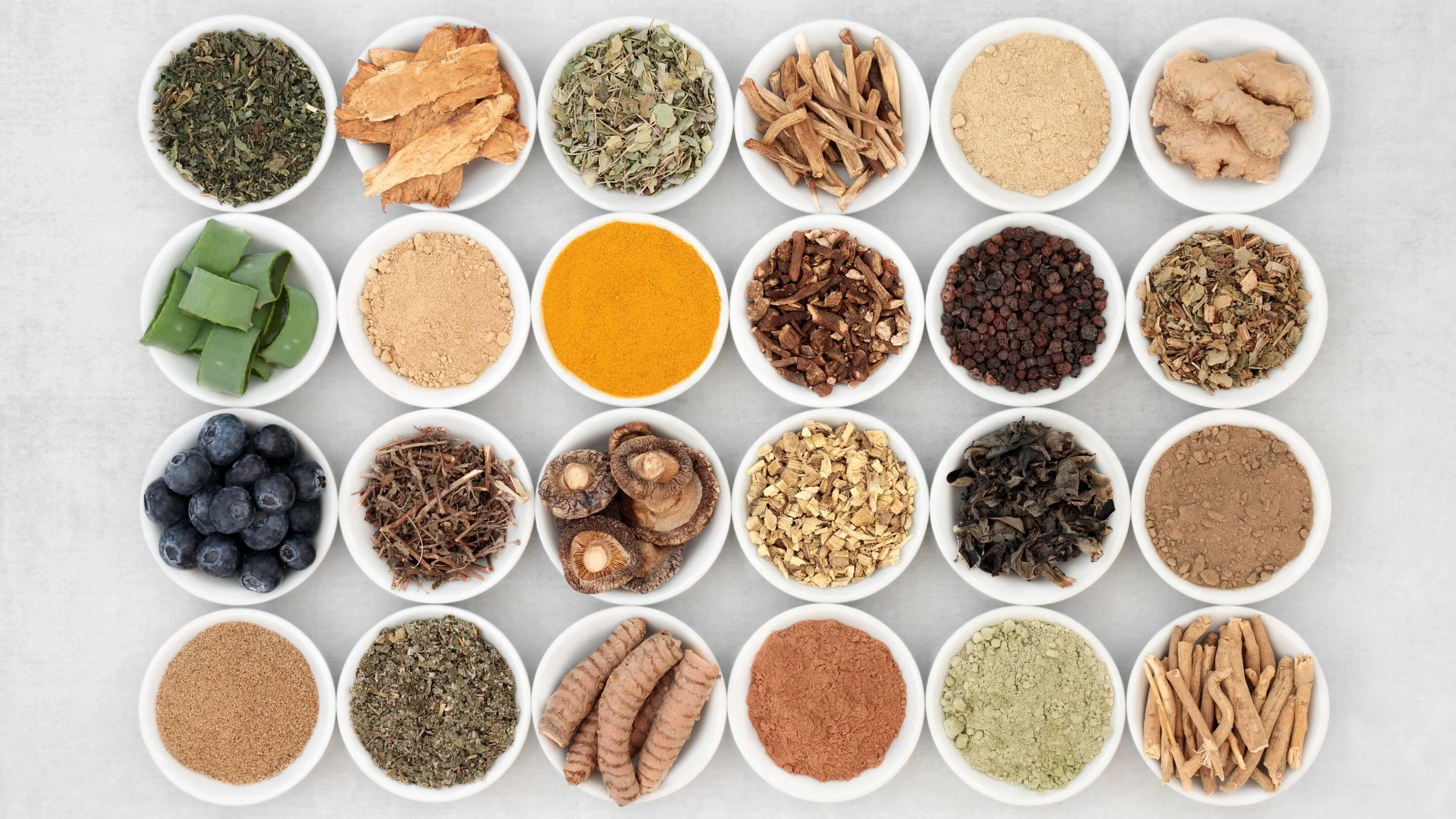
Key takeaways:
Natural remedies for anxiety include magnesium, kava kava, and chamomile.
There’s promising research on the ability of certain herbal remedies to ease stress and anxiety, but more research is needed.
Certain activities — like yoga, meditation, and exercise — can be effective natural treatments for anxiety.
Save on related medications
Anxiety is the most common mental health condition, affecting over 40 million adults. Prescription medications are one option for treating anxiety symptoms. Therapies like cognitive behavioral therapy (CBT), exercise, mindfulness, and healthy sleep habits also have strong evidence for helping anxiety. But some people turn to natural or herbal remedies for additional support.
There’s evidence that some natural remedies may help ease anxiety symptoms. But research on many supplements is still limited, and some can cause serious side effects or interact with medications. Unlike prescription medications, supplements aren’t closely regulated for safety, effectiveness, or quality. If you’re thinking about trying an over-the-counter (OTC) supplement for anxiety, it’s best to talk with a healthcare professional first.
Here’s a closer look at 14 natural remedies for anxiety, including what the research says about their safety and effectiveness.
Search and compare options
1. 5-hydroxytryptophan (5-HTP)
This may not look familiar to you, but you have lots of 5-hydroxytryptophan (5-HTP) floating around in your body. It’s the parent compound to several neurotransmitters (brain chemicals), like serotonin. Serotonin is an important chemical for your mood and mental health.
There has been a lot of interest around 5-HTP as a natural anxiety remedy. That’s because of its relationship with serotonin. In fact, many prescription medications for treating anxiety raise serotonin levels in the brain.
Small studies show promise for 5-HTP on its own and in combination with other compounds. But larger, higher-quality studies are needed to prove any benefits for anxiety.
Since 5-HTP affects serotonin levels, it may interact with other medications you’re taking. This can cause serotonin syndrome, a potentially life-threatening condition. So be sure to discuss with a healthcare professional if 5-HTP is safe for you to take.
2. Magnesium
Many adults in the U.S. may not be getting enough magnesium. Magnesium is an important mineral that plays key roles in the body. Older adults are at higher risk of low magnesium levels. Also at risk are those with chronic diarrhea, Type 2 diabetes, and alcohol dependency.
Low magnesium is important to monitor for your mental health. That’s because people with low levels of magnesium are more likely to experience anxiety. Magnesium supplements may have some potential benefit in relieving anxiety. In fact, people who take magnesium tend to report having less anxiety. But more research is needed to find out its true effectiveness.
Magnesium is naturally found in fruits and vegetables. And although its supplements may seem relatively safe, it’s possible to take too much. This can lead to symptoms like:
Diarrhea
Nausea
Stomach cramping
Talk to a healthcare professional about how to make sure you’re getting enough magnesium in your diet.
3. Cannabidiol (CBD)
Cannabidiol (CBD) is a cannabinoid derived from the cannabis plant. CBD has been gaining popularity for many health conditions — including anxiety. CBD works by interacting with your endocannabinoid system. This helps to control the function of your neurotransmitters.
A review of eight studies found that taking CBD helped improve anxiety symptoms, especially in people with social anxiety disorder. But results are mixed, and some studies haven’t found CBD helpful for anxiety.
CBD doses aren’t standardized and vary widely across studies — from 6 mg to 400 mg per dose. This means it’s hard to know how much one needs to take to see an improvement in anxiety.
You can easily find CBD products. But product quality and labeling can vary widely because many OTC CBD products are not independently tested. And, the FDA hasn’t endorsed any CBD health claims just yet. In fact, adding CBD to food products or marketing it as a dietary supplement is illegal.
You should also know that CBD can interact with many medications, including blood thinners, antiseizure medications, antidepressants, and sedatives. And, higher doses have been linked to liver injury in some studies.
4. Kava
Kava — also known as kava kava, with a scientific name of Piper methysticum — is a root native to the Pacific Islands. Kava is traditionally used to promote relaxation. It contains natural compounds called kavalactones, which may help reduce anxiety symptoms.
Some research shows that kava can significantly improve anxiety when it’s used for up to 8 weeks. However, it may be less effective for long-term use, and the quality and strength of kava products can vary widely.
It’s also worth noting that Kava has been linked to rare but serious liver damage, including liver failure. People with liver disease or those taking other medications that affect the liver should avoid it unless recommended under medical supervision.
5. Valerian root
Valerian root (Valeriana officinalis) has a long history of being used for anxiety. Greek physicians realized it had calming effects back in 460 B.C. But the research is mixed on whether or not valerian root works. Some studies show a benefit in treating anxiety, while others don’t.
Valerian root is also associated with serious side effects. There have been reports of liver damage. This usually occurs when valerian root is taken with other supplements. You may also have withdrawal symptoms if you suddenly stop taking it.
6. Holy basil
Holy basil (Ocimum tenuiflorum) — also known as tulsi — is a staple herb in Ayurveda, an ancient Indian form of medicine still practiced today.
Some research shows that holy basil may help lower anxiety and stress. One study found that people taking holy basil reported better mood and also had lower levels of the stress hormone cortisol. But long-term studies are needed to provide more information on how holy basil works and the best dose to take.
7. Ashwagandha
Ashwagandha (Withania somnifera) is another herb in Ayurvedic medicine. Research shows it may lower anxiety and reduce stress hormones (like cortisol). It may also improve sleep quality, which helps lower anxiety. But larger studies are needed to determine the full effects of this ancient herb.
There also aren’t many studies on the safety of ashwagandha when used long term. It has been linked to rare cases of liver injury and may affect thyroid hormone levels. People who are pregnant or who have autoimmune or thyroid conditions should talk to their medical team before taking it.
8. Chamomile
Chamomile is one of the most widely used herbal remedies worldwide. There are two main types: Roman and German chamomile. They share many similarities. But German chamomile (Matricaria chamomilla) has higher levels of active compounds thought to contribute to its effects.
There’s evidence that chamomile has calming and antidepressant effects. It appears to be safe for use as a tea or supplement over a long period of time. In one review, 9 out of 10 studies found that chamomile was helpful for anxiety.
Chamomile may be calming because it contains a chemical called apigenin, which binds to gamma-aminobutyric acid (GABA) receptors in the brain. It has a similar effect to benzodiazepines.
Chamomile may cause allergic reactions in people sensitive to ragweed. It can also have interactions with some medicines, like cyclosporine and warfarin. You should talk to a healthcare professional before using chamomile if you’re taking any medications.
9. Passionflower
Passionflower (Passiflora incarnata) is a plant with an edible fruit that may have some natural benefit for anxiety. In some studies, passionflower was comparable to two prescription medications — oxazepam or midazolam — in treating anxiety. This herb is also thought to be safe with minimal side effects.
Similar to chamomile, the active components of passionflower are thought to interact with GABA receptors in the brain, causing a calming effect. In addition to anxiety, passionflower may also reduce symptoms like:
Neuropathic pain
10. Lemon balm
Lemon balm is an oil derived from the leaves of a perennial shrub (Melissa officinalis). It has been used as a muscle relaxant and sedative around the world for hundreds of years. Research shows that lemon balm improves anxiety and depression symptoms and is generally safe to use.
More quality research is needed, however, to figure out the best way to use lemon balm safely and effectively.
11. B vitamins
B vitamins are critical in many important metabolic actions in the body. For example, vitamins B12 (methylcobalamin) and B6 (pyridoxine) are especially important in nervous system cell function. Some experts believe that people with anxiety have lower levels of B vitamins.
The data on supplementing with vitamin B is mixed though. High-dose vitamin B6 supplements may reduce anxiety symptoms, but the evidence isn’t very compelling.
12. Melatonin
Melatonin is a hormone made by the pineal gland in the brain. It helps regulate sleep and other body functions that follow the body’s internal clock.
Research suggests that melatonin might also help reduce anxiety. Some studies show it can work just as well as benzodiazepines for surgery-related anxiety. However, it doesn’t appear to be effective for longer-term treatment (beyond 3 months).
While more research is needed, melatonin is generally considered safe for short-term use. Side effects can include daytime drowsiness, dizziness, and vivid dreams.
13. L-theanine
L-theanine is a naturally occurring amino acid. And it’s one of the many biologically active components of tea (Camellia sinensis). It has been used medicinally in cultures throughout the world for centuries. While it’s becoming a more popular supplement, there isn’t much evidence that it works for anxiety.
One small study found that L-theanine significantly lowered stress when taken daily for 4 weeks. But larger studies are needed to know if it’s truly effective for anxiety.
14. Omega-3 fatty acids
Omega-3 fatty acids are a type of healthy fat that support heart health and are important building blocks for cells throughout the body.
There is good evidence that omega-3 fatty acid supplements can help improve anxiety symptoms. Studies suggest that around 2 g per day is most effective, while lower doses may not provide the same benefit.
You can also increase your omega-3 intake through your diet. Some rich sources of omega-3s are:
Fatty fish
Chia seeds
Flaxseeds
Walnuts
Supplement safety
A note about supplement safety. Because supplements aren’t regulated the same way as prescription medications, product quality can vary widely. Look for products that have been independently tested by organizations like United States Pharmacopeia (USP) or National Sanitation Foundation (NSF), or ConsumerLab.
And, talk to a medical professional before trying any natural OTC product to help with your anxiety. These products may interact with your medications or worsen other medical conditions.
What other treatments are used for anxiety?
Prescription medications and psychotherapy are common treatments for anxiety. Different types of anxiety disorders include:
Social anxiety
Based on the type of anxiety you have, a mental health professional may recommend one or both treatment approaches.
Prescription medications
Several prescription medications are FDA approved for anxiety disorders. They work by targeting different chemicals in your brain that are associated with anxiety.
Examples of medications used to treat anxiety disorders include:
SSRIs (selective serotonin reuptake inhibitors), like escitalopram (Lexapro) and paroxetine (Paxil)
SNRIs (serotonin and norepinephrine reuptake inhibitors), like duloxetine (Cymbalta)
Benzodiazepines, like alprazolam (Xanax), clonazepam (Klonopin), diazepam (Valium), and lorazepam (Ativan)
Psychotherapy
Psychotherapy is also useful to treat anxiety. And it may work well alongside prescription medications. Cognitive behavioral therapy (CBT) is a type of talk therapy. It helps people with anxiety understand and work through their thoughts and behaviors. CBT is often a first-choice treatment for anxiety.
Prescription medications and psychotherapy can help many people manage their anxiety. In some cases, natural remedies can be a useful addition. If you have anxiety, talk to a mental health professional about all of your treatment options.
What else can you do to help with anxiety?
Beyond supplements, there are other natural ways to help with anxiety. These include dietary and lifestyle changes that can help improve your symptoms. Some other natural remedies for anxiety are:
Essential oils: Essential oils are sometimes inhaled as aromatherapy, applied to the skin, or used in tea. There may be benefits for anxiety relief with lavender, rose, or citrus-based scents like bergamot.
Meditation: Relaxation techniques like meditation or breathwork can help relieve anxiety. Try adding them to your daily routine, such as during a break or before bedtime.
Exercise: Exercise and physical activity trigger the release of endorphins, natural mood-boosting chemicals. Research shows that 30 minutes of moderate to vigorous physical exercise can reduce anxiety and depression.
Yoga: Yoga can help relieve stress and anxiety by calming the nervous system and promoting deep breathing. Yoga poses that encourage relaxation and slow, deep breathing may be especially helpful to reduce anxiety.
Sleep: Sleep deprivation or poor sleep can make anxiety symptoms worse. Getting enough deep sleep regularly can reduce symptoms of anxiety.
Acupuncture: The effectiveness of acupuncture in reducing anxiety isn’t clear cut. But some studies suggest it may be helpful for some people.
Less caffeine and alcohol: Caffeine and alcohol can play a role in bringing on anxiety symptoms and panic attacks. Try limiting your consumption when seeking anxiety relief.
Quit smoking: Studies show that cigarette smoking is linked to high levels of anxiety. It can also increase the risk of anxiety disorders.
Frequently asked questions
Foods that reduce anxiety are plant-based foods and unprocessed foods. Some studies show that a diet rich in fruits and vegetables, healthy fats, and probiotics are linked to lower anxiety levels. And people who eat more ultra-processed foods are more likely to have anxiety.
Magnesium and zinc deficiency may cause anxiety. But other nutrients may play a role as well. Other deficiencies that are linked to anxiety include:
B vitamins
Vitamin C
Vitamin E
Omega-3 fatty acids
CBD may help reduce anxiety for some people, but researchers don’t know enough to say for sure. Clinical studies on CBD for anxiety are mixed. Some show that it helps, while others find no effect.
Foods that reduce anxiety are plant-based foods and unprocessed foods. Some studies show that a diet rich in fruits and vegetables, healthy fats, and probiotics are linked to lower anxiety levels. And people who eat more ultra-processed foods are more likely to have anxiety.
Magnesium and zinc deficiency may cause anxiety. But other nutrients may play a role as well. Other deficiencies that are linked to anxiety include:
B vitamins
Vitamin C
Vitamin E
Omega-3 fatty acids
CBD may help reduce anxiety for some people, but researchers don’t know enough to say for sure. Clinical studies on CBD for anxiety are mixed. Some show that it helps, while others find no effect.
The bottom line
There are many natural options for managing anxiety and stress. But not all supplements are created equal — and they come with potential risks. If you’re considering a natural remedy for your anxiety, speak with a healthcare professional. They can help you decide which treatment options are safe for you to try.

Why trust our experts?



References
American Botanical Council. (n.d.). Valerian.
Anderson, E., et al. (2013). Effects of exercise and physical activity on anxiety. Frontiers in Psychiatry.
Anxiety and Depression Association of America. (2025). Anxiety disorders - facts & statistics.
Anxiety and Depression Association of America. (2025). Treatment.
Aucoin, M., et al. (2021). Diet and anxiety: A scoping review. Nutrients.
Bafkar, N., et al. (2024). Efficacy and safety of omega-3 fatty acids supplementation for anxiety symptoms: a systematic review and dose-response meta-analysis of randomized controlled trials. BMC Psychiatry.
Bandelow, B., et al. (2017). Treatment of anxiety disorders. Dialogues in Clinical Neuroscience.
Boyle, N. B., et al. (2017). The effects of magnesium supplementation on subjective anxiety and stress—a systematic review. Nutrients.
Castaneda, R., et al. (1996). A review of the effects of moderate alcohol intake on the treatment of anxiety and mood disorders. Journal of Clinical Psychiatry.
Dashwood, R., et al. (2025). l-theanine: From tea leaf to trending supplement – does the science match the hype for brain health and relaxation? Nutrition Research.
DiNicolantonio, J. J., et al. (2018). Subclinical magnesium deficiency: A principal driver of cardiovascular disease and a public health crisis. Open Heart.
Doohan, P. T., et al. (2021). Cannabinoid interactions with cytochrome P450 drug metabolism: A full-spectrum characterization. The AAPS Journal.
Emma, N., et al. (2025). Long-term effects of melatonin on individuals with depressive, anxiety, or bipolar disorder: a scoping review. The World Journal of Biological Psychiatry.
Eunice Kennedy Shriver National Institute of Child Health and Human Development. (2021). How are drugs approved for use in the United States? National Institutes of Health.
Field, D. T., et al. (2022). High-dose vitamin B6 supplementation reduces anxiety and strengthens visual surround suppression. Human Psychopharmacology: Clinical and Experimental.
Garges, H. P., et al. (1998). Cardiac complications and delirium associated with valerian root withdrawal. JAMA.
Ghazizadeh, J., et al. (2021). The effects of lemon balm (Melissa officinalis L.) on depression and anxiety in clinical trials: A systematic review and meta-analysis. Phytotherapy Research.
Gong, M., et al. (2020). Effects of aromatherapy on anxiety: A meta-analysis of randomized controlled trials. Journal of Affective Disorders.
Han, A., et al. (2025). Exploring neuropsychiatric manifestations of vitamin B complex deficiencies. Frontiers in Psychiatry.
Han, K., et al. (2024). Therapeutic potential of cannabidiol (CBD) in anxiety disorders: A systematic review and meta-analysis. Psychiatry Research.
Hoge, E. A., et al. (2013). Randomized controlled trial of mindfulness meditation for generalized anxiety disorder: Effects on anxiety and stress reactivity. Journal of Clinical Psychiatry.
Jamshidi, N., et al. (2017). The clinical efficacy and safety of tulsi in humans: A systematic review of the literature. Evidence-Based Complementary and Alternative Medicine.
Janda, K., et al. (2020). Passiflora incarnata in neuropsychiatric disorders—a systematic review. Nutrients.
Jenkins, T. A., et al. (2016). Influence of tryptophan and serotonin on mood and cognition with a possible role of the gut-brain axis. Nutrients.
Kamfar, W. W., et al. (2024). Comprehensive review of melatonin as a promising nutritional and nutraceutical supplement. Heliyon.
Karadag, E., et al. (2017). Effects of aromatherapy on sleep quality and anxiety of patients. Nursing in Critical Care.
Kris-Etherton, P. M., et al. (2020). Nutrition and behavioral health disorders: Depression and anxiety. Nutrition Reviews.
Kunugi, H., et al. (2019). Effects of chronic L-theanine on stress-related symptoms and cognitive function in a non-clinical population: A randomized controlled trial (P06-106-19). Current Developments in Nutrition.
Lakhan, S. E., et al. (2010). Nutritional and herbal supplements for anxiety and anxiety-related disorders: Systematic review. Nutrition Journal.
Langade, D., et al. (2019). Efficacy and safety of Ashwagandha (Withania somnifera) root extract in insomnia and anxiety: A double-blind, randomized, placebo-controlled study. Cureus.
Lee, M. F., et al. (2025). The association between dietary exposures and anxiety symptoms: A prospective analysis of the Australian Longitudinal Study on Women’s Health cohort. Journal of Affective Disorders.
Lichenstein, S. D. (2022). THC, CBD, and Anxiety: A review of recent findings on the anxiolytic and anxiogenic effects of cannabis’ primary cannabinoids. Current Addiction Reports.
LiverTox. (2018). Kava kava. National Library of Medicine.
LiverTox. (2020). Valerian. National Library of Medicine.
LiverTox. (2024). Lemon balm. National Library of Medicine.
Lopresti, A. L., et al. (2019). An investigation into the stress-relieving and pharmacological actions of an ashwagandha (Withania somnifera) extract. Medicine.
Lopresti, A. L., et al. (2022). A randomized, double-blind, placebo-controlled trial investigating the effects of an Ocimum tenuiflorum (Holy Basil) extract (HolixerTM) on stress, mood, and sleep in adults experiencing stress. Frontiers in Nutrition.
Maffei, M. E. (2020). 5-hydroxytryptophan (5-HTP): Natural occurrence, analysis, biosynthesis, biotechnology, physiology and toxicology. International Journal of Molecular Sciences.
Mao, J. J., et al. (2016). Long-term chamomile (Matricaria chamomilla L.) treatment for generalized anxiety disorder: A randomized clinical trial. Phytomedicine.
MedlinePlus. (2020). Cannabidiol (CBD).
Moylan, S., et al. (2013). How cigarette smoking may increase the risk of anxiety symptoms and anxiety disorders: A critical review of biological pathways. Brain and Behavior.
National Center for Complementary and Integrative Health. (2019). Ayurvedic medicine: In depth. National Institutes of Health.
National Center for Complementary and Integrative Health. (2024). Chamomile. National Institutes of Health.
National Center for Complementary and Integrative Health. (2025). Natural doesn’t necessarily mean safer, or better. National Institutes of Health.
Office of Dietary Supplements. (2026). Magnesium. National Institutes of Health.
Office of Dietary Supplements. (2023). Dietary supplements: What you need to know. National Institutes of Health.
Office of Dietary Supplements. (2025). Ashwagandha: Is it helpful for stress, anxiety, or sleep? National Institutes of Health.
Palmer, C. A., et al. (2023). Sleep loss and emotion: A systematic review and meta-analysis of over 50 years of experimental research. American Psychological Association.
Pasyar, N., et al. (2020). The effect of bergamot orange essence on anxiety, salivary cortisol, and alpha amylase in patients prior to laparoscopic cholecystectomy: A controlled trial study. Complementary Therapies in Clinical Practice.
Repova, K., et al. (2022). Melatonin as a potential approach to anxiety treatment. International Journal of Molecular Sciences.
Rukat, M., et al. (2024). The relationship between magnesium deficiency and anxiety, the therapeutic effects of magnesium supplementation – literature review. Journal of Education Health and Sport.
Sah, A., et al. (2022). A comprehensive study of therapeutic applications of chamomile. Pharmaceuticals.
Sarris, J., et al. (2013). Kava in the treatment of generalized anxiety disorder: A double-blind, randomized, placebo-controlled study. Journal of Clinical Psychopharmacology.
Sarris, J., et al. (2019). Kava for generalised anxiety disorder: A 16-week double-blind, randomised, placebo-controlled study. Australian & New Zealand Journal of Psychiatry.
ScienceDirect. (n.d.). Chamomile.
Shinjyo, N., et al. (2020). Valerian root in treating sleep problems and associated disorders—a systematic review and meta-analysis. Journal of Evidence-Based Integrative Medicine.
Smith, K., et al. (2018). The effectiveness and safety of kava kava for treating anxiety symptoms: A systematic review and analysis of randomized clinical trials. Complementary Therapies in Clinical Practice.
Su, K., et al. (2018). Association of use of omega-3 polyunsaturated fatty acids with changes in severity of anxiety symptoms: A systematic review and meta-analysis. JAMA Network Open.
Tzeng, Y., et al. (2015). Neuroprotective properties of kavalactones. Neural Regeneration Research.
U.S. Food and Drug Administration. (2020). What you need to know (and what we’re working to find out) about products containing cannabis or cannabis-derived compounds, including CBD.
Yang, X., et al. (2021). Effectiveness of acupuncture on anxiety disorder: A systematic review and meta-analysis of randomised controlled trials. Annals of General Psychiatry.
Zaccaro, A., et al. (2018). How breath-control can change your life: A systematic review on psycho-physiological correlates of slow breathing. Frontiers in Human Neuroscience.
Zivkovic, A. M., et al. (2011). Dietary omega-3 fatty acids aid in the modulation of inflammation and metabolic health. California Agriculture.