Key takeaways:
After food poisoning, it’s important to replace the fluids you lost while you were sick. Drinks with electrolytes are usually the best way to do this.
Carbohydrates are easier to digest in the early phases of recovery. Bland foods like pasta, potatoes, and rice are common recommendations.
Your gastrointestinal tract needs time to heal. It can take up to 1 week for your appetite and digestion to return to normal.
Ease back into your normal diet. Avoid spicy or acidic foods, caffeinated beverages, and alcohol. Foods high in fat, protein, or fiber may also be harder to digest.
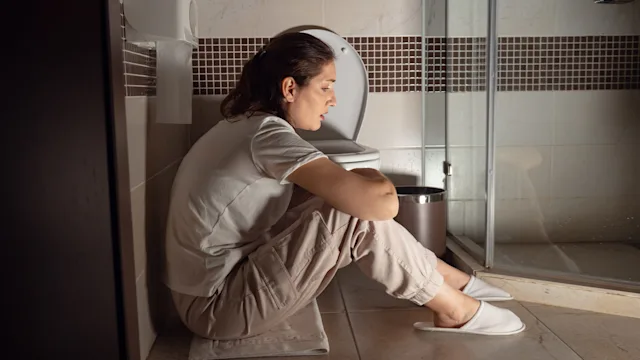
Food poisoning or a stomach bug can leave you feeling pretty wiped out. Even after the vomiting and diarrhea have subsided, your body still needs time to recover. And recovery can last longer than the illness itself.
Below we’ll go over what to expect as you recover from food poisoning and which foods and drinks can help get you back to feeling your best.
How long do food poisoning and recovery last?
Food poisoning tends to start suddenly, but the recovery is more gradual. Most cases only last a few days. Nausea and vomiting usually start to improve first. But as you start eating and drinking again, you may notice that your body isn’t quite back to normal.
Your digestion will likely be a bit sluggish during recovery, which can last up to a week. You may have:
Heartburn or indigestion
Bloating
Irregular bowel movements or constipation
These symptoms can do a number on your appetite and make it hard to get the fluids and nutrients your body needs to recover. As you start to eat and drink again, try to go slowly while still giving your body enough nourishment. It helps to know the foods and drinks that are gentle on your gut as you recover.
What should you eat during and after food poisoning?
When you have food poisoning, just the thought of chewing food can make you feel nauseous. During and after food poisoning, certain foods are easier to keep down and can help your body recover.
During food poisoning
If you can, try eating:
Broth-based soups: Warm broth or chicken soup can soothe an upset stomach. The salt content can help replenish bodily fluids you’ve lost. Chicken soup can also be anti-inflammatory, which may help you heal.
Popsicles or gelatin: These can give you some hydration and nutrition without having to chew solid food.
Saltine crackers: These are bland and easy to digest. They also provide electrolytes in the form of salt.
Don’t force yourself to eat during food poisoning, especially if it makes your symptoms worse. Focusing on fluid intake is more important at this stage. We cover drinks and fluids in the next section.
After food poisoning
Even after food poisoning, it may be hard to get back into a normal eating pattern. It’s best to ease your gut back into its routine with foods that are easy to digest. In general, carbohydrates are easier to digest than fat and protein. And it can be helpful to stick to bland foods.
After food poisoning, these foods may be a little easier for your gut to digest:
Pastas
Breads and crackers
Potatoes
Rice
Cereals
Oatmeal
Start with small meals and slowly work up from there. Large portions can cause nausea or an upset stomach. You might need to eat smaller amounts more often during the day while your gut recovers.
You may have heard that the BRAT diet (bananas, rice, apples, and toast) can help an upset stomach. Some experts actually think this diet is too restrictive and can lead to poor nutritional intake. Listen to your body and try to get back to a balanced diet when you feel ready.
Foods to avoid when recovering from food poisoning
Some foods may be irritating or harder to digest. Foods to avoid include:
Spicy foods: Your gut may still be irritated, and spicy foods can worsen symptoms like heartburn and nausea.
Fatty foods: Fat is harder to digest than carbohydrates. You may be able to try a small amount of butter or oil on toast, pasta, or potatoes if that feels more appetizing.
Foods high in protein: While these foods are easier to digest than fats, they’re still harder to digest than carbohydrates.
High-fiber foods: Fiber is generally good for your gut health, but it can be hard to digest and can worsen your symptoms after food poisoning.
Acidic foods: Pickles, tomatoes, citrus fruits, and other acidic foods can worsen symptoms like heartburn, especially as you recover from food poisoning.
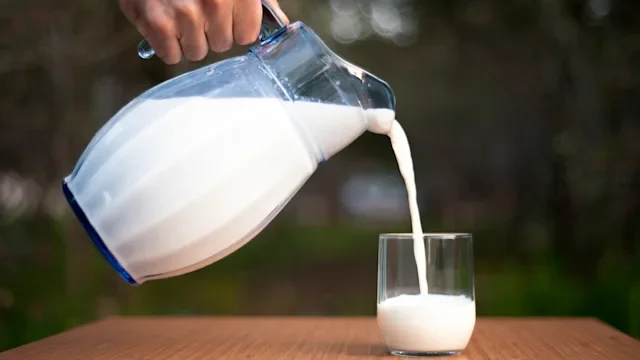
Dairy: Experts recommend avoiding dairy for about 3 days to prevent stomach upset.
What should you drink when recovering from food poisoning?
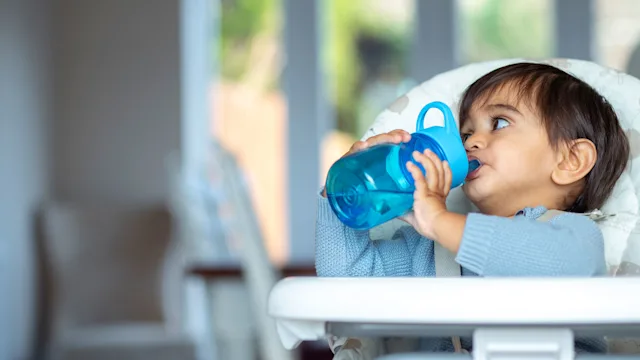
Food poisoning causes your body to lose a lot of fluids and electrolytes from vomiting and diarrhea. Even if your symptoms last only 24 hours, it’s important to rehydrate.
Water can help, but it doesn’t contain the salts you need to replenish your electrolytes and make a full recovery. Here are some better hydration options:
Oral rehydration solutions: Drinks like Pedialyte or Oralyte have the right amount of salt and sugar to help you hydrate. Sports drinks often have more sugar and less salt than you need. This added sugar can make bloating or diarrhea worse.
Broth: Savory broths can be soothing when you still have some residual nausea. They also make great hydration liquids because of their salt content.
Watered-down juice: If juice is the only drink that sounds appetizing, choose clear juices like apple or cranberry. Avoid juices with pulp, which can be harder to digest. Mix juice with water to lower the sugar content. Like sports drinks, sugary juices can make diarrhea worse.
Drinks to avoid while recovering from food poisoning
There are some liquids that are best to avoid altogether after food poisoning. The following drinks can worsen indigestion, bloating, and diarrhea:
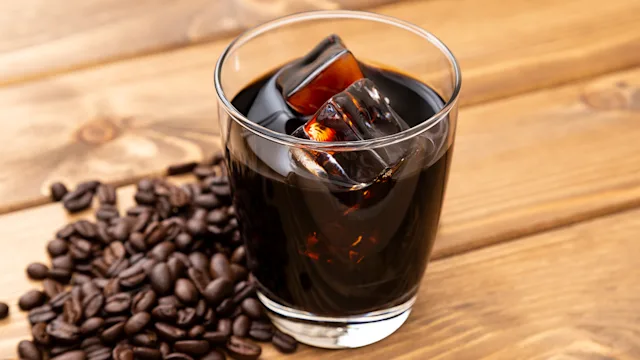
Caffeinated drinks: Some people feel like coffee makes them poop. And research suggests it can lead to more movement and cramping in your gut. This may worsen any lingering discomfort or diarrhea.
Alcohol: Avoid drinking alcohol in the week after food poisoning to let your body recover. Drinking alcohol can lead to heartburn and diarrhea.
Diet drinks: The artificial sweeteners in these drinks can be hard to digest. Your stomach and gut may be more sensitive to them after food poisoning, even if they don’t usually bother you.
Can medications help you recover from food poisoning quickly?
In addition to watching what you eat and drink, some medications may help get your body back on track. Most people recover without them. But if you need a little help to recover quicker, here are some options:
Loperamide (Imodium): Loperamide is an over-the-counter (OTC) medication that treats diarrhea. Don’t take this medication if you have a fever or bloody diarrhea. It can prevent your body from getting rid of the harmful bacteria that are causing your symptoms. Loperamide isn’t safe for children under 12.
Bismuth subsalicylate (Pepto-Bismol): Bismuth subsalicylate is an OTC medication that helps ease symptoms of an upset stomach, like nausea and diarrhea. It’s not safe for children under 12 because it contains aspirin.
Dimenhydrinate (Dramamine) or meclizine (Bonine): Dimenhydrinate and meclizine are OTC medications for motion sickness, but they may help with mild nausea. Note that they can make you sleepy.
Ondansetron (Zofran): Ondansetron is a prescription medication for nausea. Talk to your primary care provider if you have intense nausea or can’t keep fluids down.
Can probiotics help you recover from food poisoning?
Probiotics can help support your gut and keep it working its best. And they may help you recover from diarrhea. Scientists think that probiotics can release molecules that strengthen your body’s defenses and help fight infection.
But different strains of probiotics can have different effects. It may be best to talk with a healthcare professional before starting probiotics, especially if you want to start them after you’ve been sick.
When to see a doctor for food poisoning
Most people can safely recover from food poisoning at home. But it can still lead to serious illness or complications in some people. Sometimes, symptoms that seem like food poisoning may be caused by a more serious infection.
See a healthcare professional or get immediate medical attention if you’re experiencing:
Dizziness or lightheadedness, especially if you feel like you’re going to pass out
Difficulty staying awake
Confusion
Persistent or worsening abdominal pain
Uncontrollable vomiting
Bloody diarrhea
A fever that lasts longer than 2 days
Symptoms that last longer than a week
It’s also a good idea to see your healthcare professional if you’re at increased risk for developing a more serious illness. This includes children under 5, adults over 65, and people with weaker immune systems.
Frequently asked questions
By definition, food poisoning comes from eating contaminated food, not from contact with another person. That being said, the bacteria and viruses that cause food poisoning can be contagious. When someone develops vomiting or diarrhea, it’s usually hard to know which bacteria or virus is causing it. So, it’s best to assume it’s always contagious.
Food poisoning usually starts within hours after eating or drinking contaminated food or beverages. But this is variable. Some cases of food poisoning can start in less than an hour, while others may take up to a day. The timing depends on the type and amount of contamination.
In a word, it feels awful. Food poisoning usually starts quickly with extreme nausea and vomiting. This can be followed quickly by diarrhea and stomach cramps. It can feel like an intense stretch of several hours where you can’t stop vomiting or having diarrhea.
By definition, food poisoning comes from eating contaminated food, not from contact with another person. That being said, the bacteria and viruses that cause food poisoning can be contagious. When someone develops vomiting or diarrhea, it’s usually hard to know which bacteria or virus is causing it. So, it’s best to assume it’s always contagious.
Food poisoning usually starts within hours after eating or drinking contaminated food or beverages. But this is variable. Some cases of food poisoning can start in less than an hour, while others may take up to a day. The timing depends on the type and amount of contamination.
In a word, it feels awful. Food poisoning usually starts quickly with extreme nausea and vomiting. This can be followed quickly by diarrhea and stomach cramps. It can feel like an intense stretch of several hours where you can’t stop vomiting or having diarrhea.
The bottom line
Food poisoning can come on very quickly, but often recovery is more gradual. Your gut can take an especially long time to recover. It’s normal to experience some ongoing nausea, indigestion, or bloating — even after your vomiting and diarrhea have passed.
Be patient with your body and ease back into eating your normal diet. Start with small meals and pay attention to how you feel after you eat certain foods. This will give your body the time it needs to fully recover.

Why trust our experts?



References
Britton, R. A., et al. (2008). Probiotics and gastrointestinal infections. Interdisciplinary Perspectives on Infectious Diseases.
Bujanda, L. (2000). The effects of alcohol consumption upon the gastrointestinal tract. The American Journal of Gastroenterology.
Churgay, C. A., et al. (2012). Gastroenteritis in children: Part II. Prevention and management. American Family Physician.
Iriondo-DeHond, A., et al. (2021). Effects of coffee and its components on the gastrointestinal tract and the brain–gut axis. Nutrients.
Mäkinen, K. K. (2016). Gastrointestinal disturbances associated with the consumption of sugar alcohols with special consideration of xylitol: Scientific review and instructions for dentists and other health-care professionals. International Journal of Dentistry.
National Institute of Diabetes and Digestive and Kidney Diseases. (2019). Treatment for food poisoning.
Rennard, S. I., et al. (2020). Chicken soup in the time of COVID. Chest.