Key takeaways:
Menopausal hormone therapy (MHT) — previously known as hormone replacement therapy (HRT) — can help improve symptoms during menopause, from hot flashes to mood changes.
MHT has some risks and common side effects, like headaches, bloating, and breast tenderness.
Most people don’t take MHT forever. There are ways to successfully stop hormone therapy and support your body in this transition, though you may notice symptoms like hot flashes and mood changes as you taper off the treatment.
Menopausal hormone therapy (MHT) uses reproductive hormones to treat the symptoms of menopause. This treatment was previously referred to as hormone replacement therapy (HRT), and so we’ll use that term in some places below.
The hormones used in MHT are estrogen and progesterone. These are the hormones in charge of puberty, sex drive, menstruation, and pregnancy. They also contribute to bone health, sleep, and mood.
Taking MHT during menopause can help to reduce the symptoms that some people experience. Common symptoms of menopause that improve with hormone therapy are hot flashes, disturbed sleep, and mood changes — even joint aches and pains.
But MHT also comes with some risks and side effects. This is why most people don’t take it for more than 5 years. Stopping MHT can have its own set of challenges and risks.
Let’s take a closer look at when and how to safely cut back on MHT and how to manage the side effects.
How does hormone replacement therapy work?
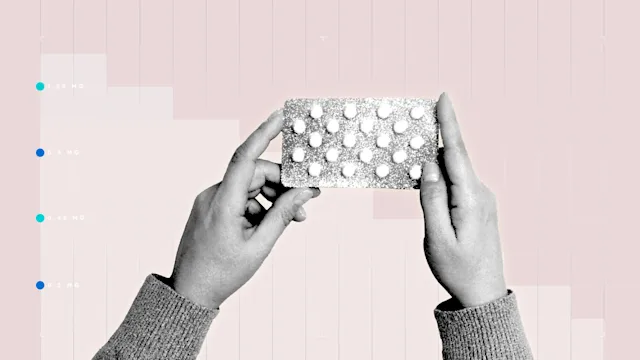
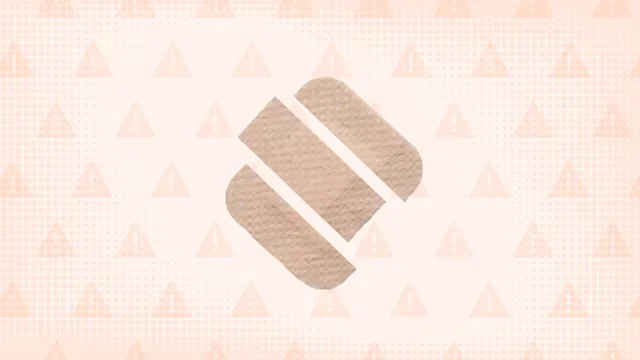
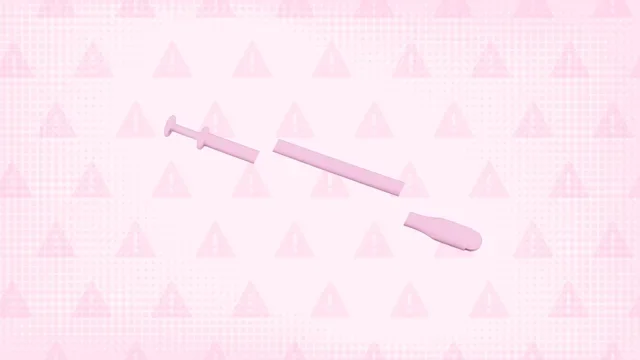
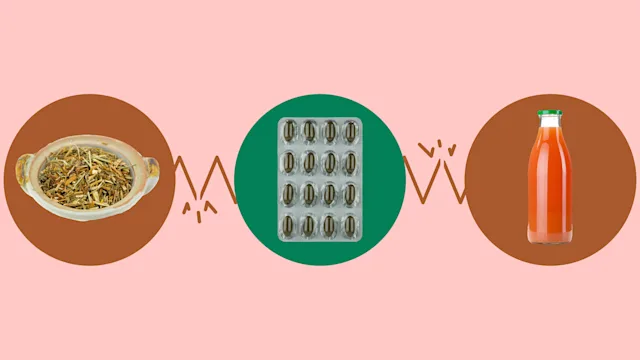
MHT works by replacing your natural hormones that decrease with menopause. MHT is either estrogen alone — or both estrogen and progesterone. The treatment comes in various forms:
Pill
Shot
Implant
Patch
Vaginal insert
A healthcare professional can help you understand your options and what type of MHT might be right for you.
What are the side effects of hormone replacement therapy?
You may experience side effects of MHT. And these can make you think about decreasing your dose or stopping it completely. Side effects can range from common and mild symptoms to more rare and serious symptoms.
Common side effects of hormone replacement therapy
Here are some common side effects of MHT:
Headache
Nausea
Bloating or diarrhea
Breast tenderness
Acne or skin changes
Change in sex drive (libido)
Serious side effects and risks of hormone replacement therapy
Some more serious side effects include:
Blood clots (deep vein thrombosis or pulmonary embolism)
Increased risk of uterine cancer
Vaginal bleeding
For many years, there was an FDA black box warning on MHT about the increased risk of serious illnesses like:
Cardiovascular disease
Stroke
Dementia
Breast cancer
But in 2025, the FDA requested the removal of the warning based on research that MHT doesn’t likely increase these risks.
Vaginal bleeding on HRT
Some vaginal bleeding or spotting in the first few months of MHT is common, and it’s usually nothing to worry about. It happens as your body adjusts to the new hormones. And it typically settles on its own within 6 months.
That said, it’s worth talking about with a healthcare professional if your bleeding:
Continues past 6 months
Starts up again after a stable period
Happens after sex
In rare cases, unexpected bleeding can be a sign of a more serious condition, such as a problem with the uterine lining.
The side effects of MHT will slowly improve as you lower your dose. Once you stop the medication, the side effects will go away completely. But depending on how quickly you stop or lower your MHT, you may experience other symptoms as you stop the medication.
Does HRT cause weight gain?
No. The research shows that MHT doesn’t cause weight gain. That being said, it’s common to gain a small amount of weight during this time of life. Stopping MHT won’t make much difference for your weight. But other factors can affect your weight, including your diet and exercise habits.
What are the risks of hormone therapy for menopause?
The risks of menopausal MHT increase with age and the longer you take it. The previous guidance was strictly to take the lowest dose for the shortest time. But current guidance has moved toward finding the appropriate dose, duration, and type of MHT that provides you with the most benefit and the least risk. The right plan really depends on your individual health profile.
You'll want to review your risks and benefits of MHT with a healthcare professional. There may be ways to reduce your risks, including:
Starting MHT within 10 years of menopause, before age 60
Using transdermal estrogen (like a patch or gel), which may carry a lower risk of blood clots and stroke compared to oral estrogen
Using progesterone if you have a uterus
What are side effects of stopping or reducing HRT?
When you start to decrease your dose of menopausal MHT, you may notice some symptoms as your estrogen levels drop. Symptoms may include:
Hot flashes
Night sweats
Mood changes, including anxiety or low mood
Insomnia
Vaginal dryness
If you stop MHT suddenly rather than tapering gradually, you may experience a more abrupt return of symptoms like hot flashes, mood changes, and insomnia. Tapering is commonly advised to help ease this transition. But the research on whether it actually reduces symptoms is mixed. Either way, you should talk to a healthcare profession before making any changes.
Some research also suggests a small increased risk of heart attack or stroke in the year after stopping MHT. But overall, the risks of stopping are low.
How long does HRT stay in your system after stopping?
It depends. While it can take up to a week or so for hormone therapy medication to leave your system, you may still feel the effects. How long you’ll feel the effects of MHT after stopping will vary, depending on the type of MHT you’re taking and how long you’ve been taking it. In general, you should gradually decrease your current dose over 2 to 4 months so your body can adjust to the changes.
How do you know when you’re ready to stop HRT?
It can be hard to know when it’s the right time to stop MHT. When you start hormone therapy, it’s a good idea to also start thinking about when you plan to stop. It can be helpful to monitor your menopausal symptoms over time. Your prescriber can also be a good source of support in making the decision to start lowering your dose.
It may be time to consider decreasing your dose and starting to wean off menopausal hormone therapy if any of the following apply:
Your menopausal symptoms are decreasing.
You’ve been using MHT for close to 5 years or more.
You’re approaching age 60.
You’ve been in menopause for close to 10 years.
What’s the safest way to stop hormone replacement therapy?
Be sure to discuss reducing or stopping your menopausal MHT with a healthcare professional. In many cases, you can limit the side effects by slowly lowering your dose over time. You may want to try switching to a lower dose and/or fewer days per week while paying close attention to your symptoms.
If your symptoms return, it’ll be important to weigh the risks and benefits of continuing MHT. If you aren’t sure, a talk with your prescriber may help.
Frequently asked questions
There are both natural and medical options to help menopause symptoms. Lifestyle changes like diet, exercise, and certain supplements can help. Nonhormonal medications are also available for menopause symptoms, including:
Antidepressants like paroxetine (Paxil) or venlafaxine (Effexor)
Gabapentin (Neurontin)
Vaginal lubricants
Veozah (fezolinetant)
Vaginal estrogen rather than MHT may also be a helpful alternative for some people.
Talk to a healthcare professional about what makes sense for your symptoms.
Menopausal hormone therapy (MHT) can help some people manage severe menopause symptoms that are interfering with daily activities. But there are some risks. In some people, hormone therapy may increase the risk of blood clots and certain types of cancer. If you’re experiencing menopause, talk to a healthcare professional about your health history to see if MHT is a good treatment option for you.
People at greater risk for complications shouldn’t take hormone therapy for menopause. This includes people who have a history of:
Breast or uterine cancer
Blood clots
Stroke
Heart attack
Liver disease
The decision to take MHT is a personal one that you have to make with a healthcare professional. The decision should be made together based on your symptoms, health history, and the risks and benefits of MHT for you. This decision will vary from person to person.
You probably won’t lose weight if you stop hormone therapy. Research shows that MHT doesn't cause weight gain, so stopping it is unlikely to lead to weight loss. That said, some people do experience changes in body composition during menopause. But this is more related to hormonal shifts and aging than to hormone therapy itself. Diet, exercise, and other lifestyle habits tend to have a much bigger impact on weight during this time.
There are both natural and medical options to help menopause symptoms. Lifestyle changes like diet, exercise, and certain supplements can help. Nonhormonal medications are also available for menopause symptoms, including:
Antidepressants like paroxetine (Paxil) or venlafaxine (Effexor)
Gabapentin (Neurontin)
Vaginal lubricants
Veozah (fezolinetant)
Vaginal estrogen rather than MHT may also be a helpful alternative for some people.
Talk to a healthcare professional about what makes sense for your symptoms.
Menopausal hormone therapy (MHT) can help some people manage severe menopause symptoms that are interfering with daily activities. But there are some risks. In some people, hormone therapy may increase the risk of blood clots and certain types of cancer. If you’re experiencing menopause, talk to a healthcare professional about your health history to see if MHT is a good treatment option for you.
People at greater risk for complications shouldn’t take hormone therapy for menopause. This includes people who have a history of:
Breast or uterine cancer
Blood clots
Stroke
Heart attack
Liver disease
The decision to take MHT is a personal one that you have to make with a healthcare professional. The decision should be made together based on your symptoms, health history, and the risks and benefits of MHT for you. This decision will vary from person to person.
You probably won’t lose weight if you stop hormone therapy. Research shows that MHT doesn't cause weight gain, so stopping it is unlikely to lead to weight loss. That said, some people do experience changes in body composition during menopause. But this is more related to hormonal shifts and aging than to hormone therapy itself. Diet, exercise, and other lifestyle habits tend to have a much bigger impact on weight during this time.
The bottom line
Menopause is a natural part of life. But for some people, it comes with some bothersome side effects that can have a big impact on quality of life. Menopausal hormone therapy (MHT) is an effective way to improve those symptoms. But it isn’t for long-term use. At some point, you and a healthcare professional will start to plan for lowering your dose and stopping this treatment completely. When that time comes, it’s good to know your options so you can safely manage this transition.

Why trust our experts?




References
American College of Obstetricians and Gynecologists. (2024). Hormone therapy for menopause.
Breastcancer.org. (2017). North American Menopause Society updates position statement on hormone therapy, says benefits outweigh risks for some women.
Canadian Agency for Drugs and Technologies in Health. (2025). Comparative evidence between transdermal and oral menopausal hormone therapy. Canadian Journal of Health Technologies.
Hillman, S., et al. (2025). When, why, and how to stop HRT: Women and clinicians need more evidence. British Journal of General Practice.
Kongnyuy, E. J., et al. (2000). Hormone replacement therapy has no effect on body weight and cannot prevent weight gain at menopause. Cochrane Database of Systematic Reviews.
National Health Service. (2023). Side effects of hormone replacement therapy (HRT).
U.S. Department of Health and Human Services. (2025). FACT SHEET: FDA initiates removal of “black box” warnings from menopausal hormone replacement therapy products.
Venetkoski, M., et al. (2018). Increased cardiac and stroke death risk in the first year after discontinuation of postmenopausal hormone therapy. Menopause.