Key takeaways:
Femring is a vaginal ring that contains estradiol. It treats both vaginal and bodywide menopause symptoms. You’ll typically insert Femring once every 90 days.
Common Femring side effects include breast tenderness, vaginal irritation or yeast infections, and back pain. Vaginal bleeding can also occur.
More serious Femring side effects include heart-related issues and an increased risk of breast and uterine cancer. Taking Femring at the lowest dose for the shortest time needed can reduce the risk of serious side effects.
Save on related medications
When dealing with bothersome symptoms of menopause, menopause hormonal therapy (MHT) is one helpful option to consider. It can help treat symptoms such as night sweats and vaginal dryness. MHT can be done in a few different ways as estrogen comes in oral, topical, and vaginal forms. So you have several options from which to choose.
Femring (estradiol vaginal ring) is an option that treats both vaginal and bodywide menopause symptoms. You’ll typically insert one ring vaginally every 3 months (90 days). Other forms of vaginal estrogen aren’t well absorbed into the bloodstream, so they carry a lower risk of serious side effects. But Femring is different — it’s designed to enter the bloodstream to treat bodywide menopause symptoms.
Femring is considered safe for those without certain risk factors. But it’s still helpful to know what side effects are possible, and what to do if they occur.
Femring side effects at a glance
Below is a list of mild and serious Femring side effects to be aware of. Keep in mind that this isn’t a complete list. Reach out to your healthcare team about any new or concerning side effects that occur while using Femring.
Mild Femring side effects include:
Breast tenderness
Headache
Vaginal yeast infections
Back pain
Bloating
Urinary tract infections
Vaginal irritation
Fluid retention
Mood changes
More serious Femring side effects include:
Vaginal bleeding
Ring adherence to the vaginal wall
Increased risk of gallbladder issues
Vision changes
Femring also has several boxed warnings, the FDA’s most serious medication warning. These include:
Increased risk of dementia
Increased risk of blood clots
Increased risk of heart attack and stroke
Increased risk of breast cancer
Increased risk of uterine cancer (if taken without a progestin)
Let’s take a closer look at six Femring side effects and how to manage them.
1. Breast tenderness
Sore breasts are a common Femring side effect. But menopause itself can also make your breasts more sensitive than usual.
In most cases, you can manage breast tenderness at home with a cold compress or an over-the-counter (OTC) pain medication. Wearing loose clothing and a bra that fits properly may also help.
If breast pain worsens or you notice a lump or any skin or nipple changes, contact your prescriber right away. These could be signs of breast cancer or another more serious issue.
2. Vaginal irritation or infection
Since Femring is inserted into the vagina, it can sometimes cause irritation. It may also lead to a yeast infection in some cases.
Vaginal dryness and irritation are also common symptoms of menopause. So these issues may improve over time as Femring starts to work. But if you experience pain or discomfort, let your prescriber know. A different form of estradiol may be a better option for you.
Signs and symptoms of a vaginal yeast infection include itching, burning, and a cottage-cheese-like discharge. There are OTC and prescription treatment options available — talk to your prescriber or pharmacist if you need help choosing one. It’s fine to leave Femring in place while treating a vaginal yeast infection.
Good to know: In rare cases, Femring may adhere (stick) to the wall of your vagina after you insert it. This could make it harder to remove and increase the risk of irritation or tearing of the vaginal wall. If you’re having trouble removing Femring or experience pain after removing it, reach out to your prescriber for guidance. You may need to wait for your vagina to heal before inserting another ring.
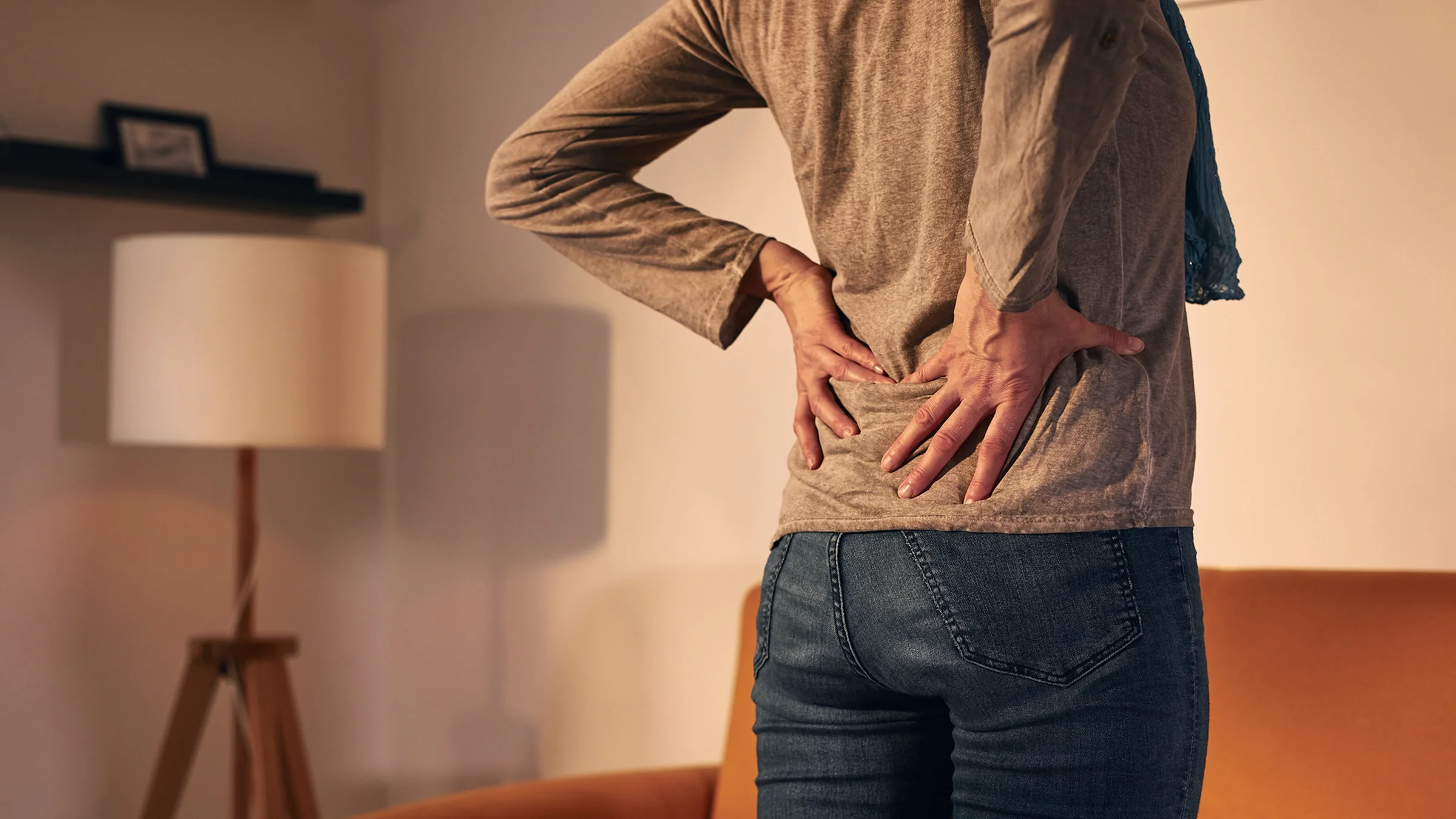
3. Back pain
Back pain was a common Femring side effect reported in clinical studies. It isn’t clear why this happens. But experts believe it may be related to how hormones affect your joints and ligaments.
Gentle stretching and heat or a cold compress can help relieve back pain in most cases. If needed, an OTC cream or patch can also help. But if back pain is severe or you’re unable to move normally, reach out to your healthcare team for guidance.
4. Vaginal bleeding
Femring can cause vaginal bleeding in some cases. If your periods haven’t fully stopped, this may appear as some additional spotting between periods. It may be a good idea to wear a panty liner or dark colored pants until you know how Femring affects you.
Vaginal bleeding after menopause (at least 1 year without a period) can be a more serious issue. It isn’t common, but unexplained bleeding can be a sign of uterine or cervical cancer. So if you experience any post-menopausal bleeding while using Femring, reach out to your prescriber. They can make sure there isn’t a more serious cause.
5. Heart-related issues
There’s a risk of blood clots, heart attack, and stroke when using MHT. This comes from a nationwide study known as the Women’s Health Initiative (WHI). However, newer studies show this risk is much lower if you’re age 60 or younger and begin MHT within 10 years of starting menopause.
Still, it’s best to discuss the risks and benefits of Femring with your prescriber before starting it. You should also use the lowest dose for the shortest time needed to help reduce your risk of serious side effects. If you have a history of heart issues, Femring may not be the best treatment option.
Seek emergency care if you develop any of the following while using Femring:
Symptoms of a blood clot, such as trouble breathing or pain and swelling in one leg
Symptoms of a stroke, such as numbness or weakness on one side of the body or a sudden, severe headache
Symptoms of a heart attack, such as chest pain, fatigue, and heart palpitations
6. Increased risk of certain cancers
As with heart-related risks, there’s an increased risk of breast and uterine cancers associated with MHT.
If you have an intact uterus, you’ll need to take a progestin along with Femring to help reduce the risk of uterine cancer. You should also be sure to check your breasts for lumps on a regular basis and stay on top of your yearly mammograms.
If you have a history of breast or uterine cancer, talk to your prescriber about the risks and benefits of MHT. Non-hormonal treatments may be a safer option for you.
Frequently asked questions
Estring and Femring are both vaginal estradiol rings. But Estring only treats vaginal menopause symptoms, while Femring also treats bodywide symptoms, such as hot flashes. Estring contains a lower dose of estradiol and carries a lower risk of serious side effects, such as heart issues and certain cancers. But it won’t help with menopause symptoms outside the vaginal area.
Both weight gain and weight loss are possible side effects of Femring. But neither one is a common issue. That being said, weight changes often happen along with menopause. This may be due to a slower metabolism as well as hormonal changes. Regular exercise and a balanced diet can help you maintain a healthy weight. But if you have concerns, talk to your healthcare team for guidance.
Estring and Femring are both vaginal estradiol rings. But Estring only treats vaginal menopause symptoms, while Femring also treats bodywide symptoms, such as hot flashes. Estring contains a lower dose of estradiol and carries a lower risk of serious side effects, such as heart issues and certain cancers. But it won’t help with menopause symptoms outside the vaginal area.
Both weight gain and weight loss are possible side effects of Femring. But neither one is a common issue. That being said, weight changes often happen along with menopause. This may be due to a slower metabolism as well as hormonal changes. Regular exercise and a balanced diet can help you maintain a healthy weight. But if you have concerns, talk to your healthcare team for guidance.
The bottom line
Femring (estradiol vaginal ring) is a form of menopausal hormone therapy. Unlike other vaginal forms of estradiol, it treats both vaginal and bodywide menopause symptoms, such as hot flashes. Common Femring side effects include breast tenderness, vaginal irritation, and yeast infections. Back pain and vaginal bleeding can also occur.
More serious Femring side effects include heart-related issues and an increased risk of breast and uterine cancer. Taking Femring with a progestin can reduce the risk of uterine cancer. But if you have a history of these cancers, it may not be the best treatment option for you. Speak with your healthcare team about the risks and benefits of Femring for your menopause symptoms.

Why trust our experts?



References
Brynhildsen, J. O., et al. (1998). Is hormone replacement therapy a risk factor for low back pain among postmenopausal women? Spine.
Millicent US. (2024). Femring- estradiol acetate ring [package insert].
R, A. N., et al. (2023). Candidiasis. StatPearls.
Tahir, M. T., et al. (2025). Mastalgia. StatPearls.
Thurston, R. C., et al. (2012). Vasomotor symptoms and menopause: Findings from the study of women’s health across the nation. Obstetrics and Gynecology Clinics of North America.