Key takeaways:
Swimmer’s ear (otitis externa) is an outer ear infection that can develop when water gets trapped in the ear canal.
Home remedies can lower the risk of developing swimmer’s ear and help relieve symptoms.
The best swimmer’s ear treatment is a topical eardrop — not oral antibiotics.
You don’t necessarily have to swim to get swimmer’s ear (otitis externa), an infection of the outer ear. Whether you’re spending time outdoors in humid weather, bathing, or running through the backyard sprinkler, it’s easy to get water in your ear. About 1 in 10 people will experience swimmer’s ear at some point in their lives.
When water gets trapped in your ear canal, bacteria or fungi have a chance to grow. And that can lead to swimmer’s ear.
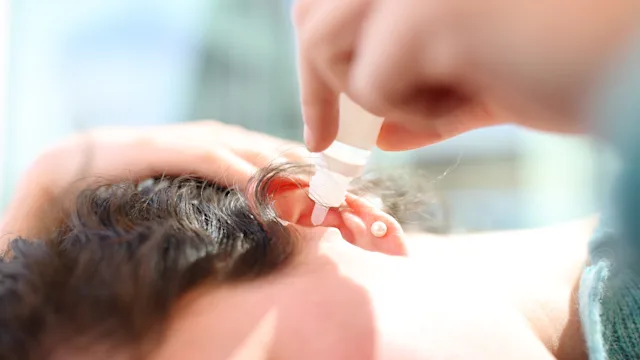
The best treatments for swimmer’s ear are eardrops that you put directly into your ear canal. But there are also home remedies for swimmer’s ear that can help ease symptoms.

Best home remedies for swimmer’s ear
If you have water stuck in your ear, there are some simple home remedies that can help you manage your symptoms. Some of these self-care tips can even help prevent developing swimmer’s ear in the future.
Keep your ears dry
When you have swimmer’s ear, keeping your ears dry can help lower the risk of more bacteria and fungi growing in your ear canal. This can help your infection from getting worse.
Keeping your ears dry can also make you more comfortable. Drainage from swimmer’s ear can be irritating and itchy.
Plus, making sure your ears are dry can help prevent swimmer’s ear.
Remember that swimming isn’t the only way to get water in your ears. Everyday things like bathing and humidity can add moisture in your ears. If your ears are wet, try these tips to help prevent swimmer’s ear:
Tilt your head to the side to help water drain out of the ear canal.
Gently pat your ears dry.
You can also use a hair dryer on the lowest setting to dry out your ear.
Take a break from swimming
If you have signs of swimmer’s ear like pain, itching, or redness around the ear, it’s best to avoid swimming for a while. This can help you avoid getting a new infection while your old one is still trying to clear up.
Most experts recommend staying out of the water for 7 to 10 days if you have swimmer’s ear.
If you can’t stay out of the water, take steps to avoid getting more water in your ears. Consider using a bathing cap or well-fitting earplugs to prevent water from getting in your ear. And pat dry your ears after you get wet.
Use drying eardrops
It may seem counterintuitive, but using eardrops can help clear and dry out the ear canal.
You can make eardrops to prevent swimmer’s ear at home by mixing equal amounts of rubbing alcohol and distilled white vinegar. After swimming, put a few drops in each ear. This combination helps dry out your ear canal and prevents the growth of bacteria.
Good to know: Don’t use homemade eardrops if you have ear tubes or a hole in your eardrum without first talking with an ear, nose, and throat (ENT) specialist or a healthcare professional. Homemade rinses can increase the risk of serious infection in people with a hole in their eardrum.
Homemade ear rinses can sometimes help relieve symptoms of swimmer’s ear. But many people also develop skin breakdown inside the ear canal when they have swimmer’s ear. Alcohol, vinegar, and other rinses may cause further irritation.
It’s best to talk with a healthcare professional before using a homemade rinse when you have swimmer’s ear.
Apply heat
Gentle heat around the ear can help relieve swelling and pain from swimmer’s ear. Try applying a heating pad or a warm compress around your ear for 10 to 15 minutes at a time. Keep the heating pad on low and wrap it in a towel to avoid burns.
Try over-the-counter pain relievers
Pain relievers like acetaminophen (Tylenol) or ibuprofen (Motrin) can reduce discomfort from swimmer’s ear. They’re available over the counter (OTC). Here’s what to know about them:
Acetaminophen generally starts working in 45 minutes. You can take it every 4 to 6 hours.
Ibuprofen starts working within 30 minutes. You can take it every 6 to 8 hours.
Make sure to follow the dosing instructions closely, especially for children.
Prescription treatments for swimmer’s ear
Home remedies can help ease symptoms of swimmer’s ear. But the best way to treat an infection is with prescription eardrops. Oral antibiotics aren’t the first-choice options, though there are times when a healthcare professional may recommend them.
Antibiotic and steroid eardrops
Prescription medications are a common and effective swimmer’s ear treatment. They’re usually in the form of eardrops. A healthcare professional will prescribe the best medication for you based on whether your eardrum is involved and if you’re at high risk for complications.
Prescription eardrops for swimmer’s ear often include antiseptics, antibiotics, steroids, or a combination of these. Common swimmer’s eardrops are:
Hydrocortisone / acetic acid (Acetasol HC) eardrops
Ciprofloxacin / dexamethasone eardrops
Ciprofloxacin eardrops
Ofloxacin eardrops
Oral antibiotics
For a simple swimmer’s ear infection, it’s not recommended to use oral antibiotics. But there are some cases when a healthcare professional may recommend an oral antibiotic to help prevent a more serious infection from developing. For example, if you have a condition that makes you more prone to serious infections or it’s too difficult for you to use eardrops. Options can include:
Are there home remedies you should not use to treat swimmer’s ear?
Yes, some home remedies for otitis externa can make your symptoms worse. Here are home remedies to avoid when you have swimmer’s ear symptoms.
Avoid garlic oil
Garlic has some antibacterial properties. However, studies show that garlic doesn’t work as well as antibiotics to treat swimmer’s ear. Plus, garlic oil can cause skin irritation or burns inside the ear canal.
Avoid hydrogen peroxide
Excess earwax can sometimes make you more prone to swimmer’s ear. That’s because wax can trap bacteria and water in the ear canal.
You can use OTC products like Debrox. Or you can use a home mixture of equal parts hydrogen peroxide and water to soften and remove wax. This may help to prevent swimmer’s ear.
However, you should never use these drops if you have symptoms of swimmer’s ear. They can cause more damage to the ear canal. These drops should also not be used if you have ear tubes or a hole in the eardrum.
Avoid ear candles
Ear candles are a home remedy that some people use to remove wax and debris from the ear canal. However, ear candles can cause serious burn injuries and aren’t recommended for treating swimmer’s ear.
Avoid cotton swabs (Q-tips)
Resist the urge to put cotton swabs like Q-tips (or any other objects) into the ear to try to clean it out. This can damage your ear canal and increase your risk for infection.
Avoid essential oils
Various essential oils have been reported to help treat ear infections. One small study looking at a combination of three essential oils found that they worked as well as ciprofloxacin antibiotic eardrops to treat otitis externa. But the study was small. And essential oils can cause allergic reactions or damage the eardrum. That’s why experts don’t recommend essential oils for treating swimmer’s ear.
When should you get medical care for swimmer’s ear?
If you have symptoms of swimmer’s ear, it’s best to reach out to a healthcare professional for help. You’ll want to get care if you have:
Itching in the ear
A sense of fullness or your ears feeling plugged
Pain when pulling on the ear lobe, chewing, or touching the ear
Discharge coming out of the ear
Swelling and redness of the ear or behind the ear
Extension of the ear away from the side of the head
Fever
Most cases of swimmer’s ear get better quickly with antibiotic or steroid eardrops. Rarely, though, swimmer’s ear can lead to a more serious infection, such as cellulitis or malignant otitis externa. Checking in with a healthcare professional can help you avoid more serious complications.
Frequently asked questions
Swimmer’s ear symptoms can sometimes last for weeks without treatment. In some cases, swimmer’s ear can go away on its own. But if bacteria is causing your swimmer’s ear, you’ll likely need medication to get rid of the infection. If your symptoms are worsening or don’t improve within a few days, it’s best to see a healthcare professional to prevent complications.
Swimmer’s ear usually responds well to treatment, and you should see an improvement within 48 hours. Sometimes, there can be heavy debris in the ear that needs to be removed before the medication can properly work. So let your prescriber know if your swimmer’s ear hasn’t gotten better with treatment.
Swimmer’s ear symptoms can sometimes last for weeks without treatment. In some cases, swimmer’s ear can go away on its own. But if bacteria is causing your swimmer’s ear, you’ll likely need medication to get rid of the infection. If your symptoms are worsening or don’t improve within a few days, it’s best to see a healthcare professional to prevent complications.
Swimmer’s ear usually responds well to treatment, and you should see an improvement within 48 hours. Sometimes, there can be heavy debris in the ear that needs to be removed before the medication can properly work. So let your prescriber know if your swimmer’s ear hasn’t gotten better with treatment.
The bottom line
Home remedies can help prevent swimmer’s ear by keeping the ear canal clear and dry. If you start to develop symptoms of an infection, you can use gentle heat and OTC pain relievers to help manage symptoms. But it’s best to have a medical professional examine your ear if you think you may have an ear infection. They can get you started on antibiotic or steroid eardrops to help you feel better faster and prevent more serious complications.

Why trust our experts?



References
ENT Health. (n.d.). Are ear candles a safe option for removing earwax? American Academy of Otolaryngology–Head and Neck Surgery Foundation.
Medina-Blasini, Y., et al. (2023). Otitis externa. StatPearls.
Nationwide Children’s. (2019). Otitis externa (swimmer’s ear).
Panahi, Y., et al. (2012). Investigation of the effectiveness of Syzygium aromaticum, Lavandula angustifolia and Geranium robertianum essential oils in the treatment of acute external otitis: A comparative trial with ciprofloxacin. Journal of Microbiology, Immunology and Infection.
Prasad, S. C., et al. (2014). Osteomyelitis of the temporal bone: Terminology, Diagnosis, and management. Journal of Neurological Surgery.
Schaefer, P., et al. (2012). Acute otitis externa: An update. American Family Physician.
Uzun, L., et al. (2019). Antimicrobial activity of garlic derivatives on common causative microorganisms of the external ear canal and chronic middle ear infections. Turkish Archives of Otorhinolaryngology.
Wiegand, S., et al. (2019). Otitis externa. Deutsches Ärzteblatt International.