Key takeaways:
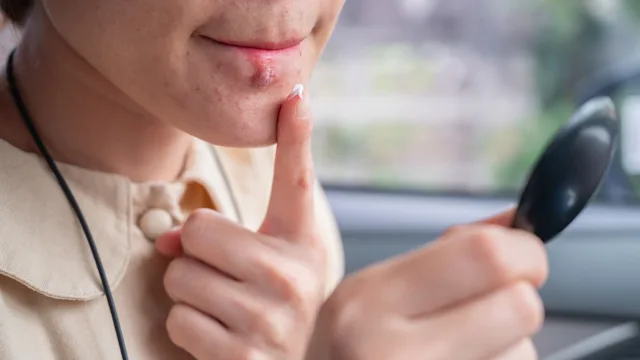
Cold sores are caused by the herpes simplex virus (HSV). HSV is spread through contact with infected saliva or skin.
After the initial infection, HSV tends to stay inside your body in a resting (dormant) state. From time to time, the virus can be activated again and cause breakout infections.
Antiviral medications can treat breakouts, but they’ll also resolve on their own once the breakout runs its course.
Save on related medications
If you’ve ever felt a tingle or itch on your lip that formed a cold sore blister, you’re not alone. Cold sores are common and affect millions of people worldwide.
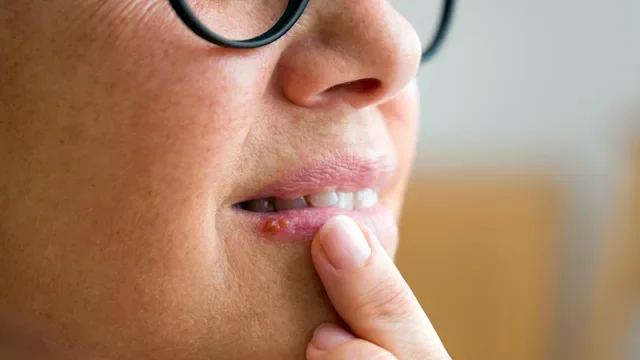
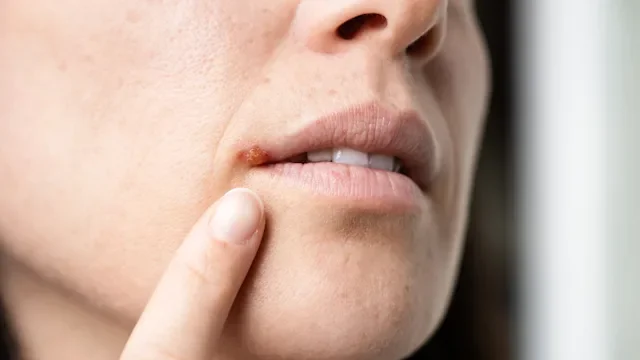
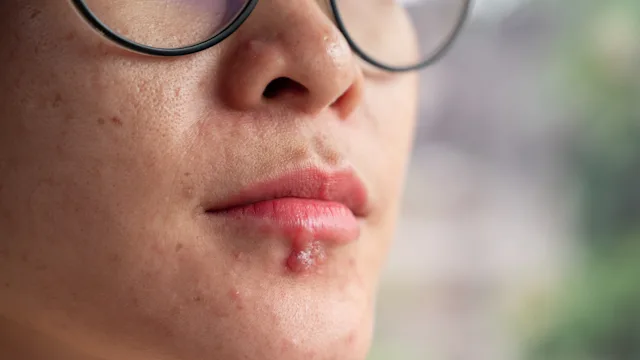
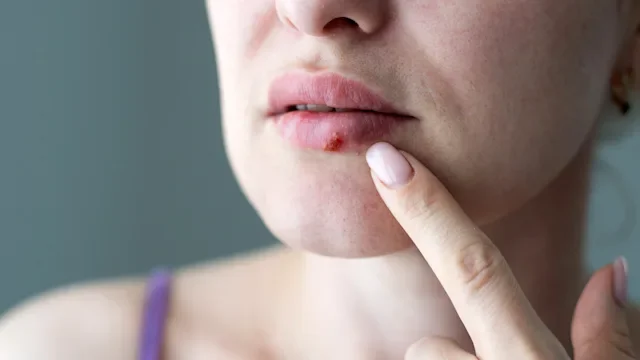
You may be wondering where cold sores come from and how to get rid of them fast. Let’s take a closer look at what causes cold sores, along with pictures of what they look like, and the best treatments to help them go away quickly.
What are cold sores?
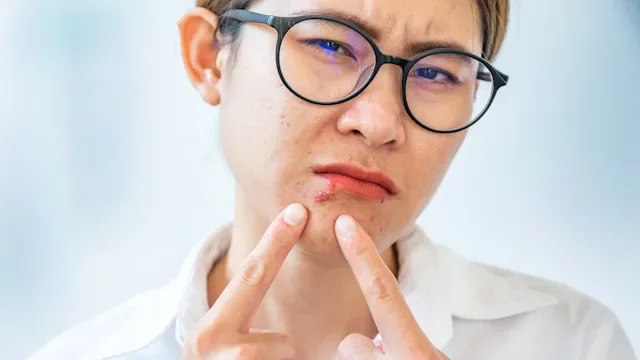
Cold sores are small blisters caused by the herpes simplex virus (HSV). They can also be called fever blisters or oral herpes.
There are two types of HSV: HSV-1 and HSV-2.
HSV-1 usually causes sores in and around your mouth. These sores can appear:
On or around your lips
Inside your mouth
Inside your nostrils
On your cornea (the clear outer layer of your eye), though this is more rare
On the other hand, HSV-2 tends to cause genital sores, also known as genital herpes. But this isn’t a fixed rule. Both types of HSV can cause herpes sores in or around your mouth and your facial, genital, or groin areas.
What do cold sores look like?
After they appear, cold sores usually go through different stages before they heal.
Cold sores stages with pictures
Here are the different stages of cold sores with pictures.
Blisters
The site where a cold sore will appear often feels swollen. Or it may tingle, burn, or itch. Within a day or two, small but painful, fluid-filled blisters can appear on your lips, under your nose, or on other parts of your face. These tend to erupt in clusters.
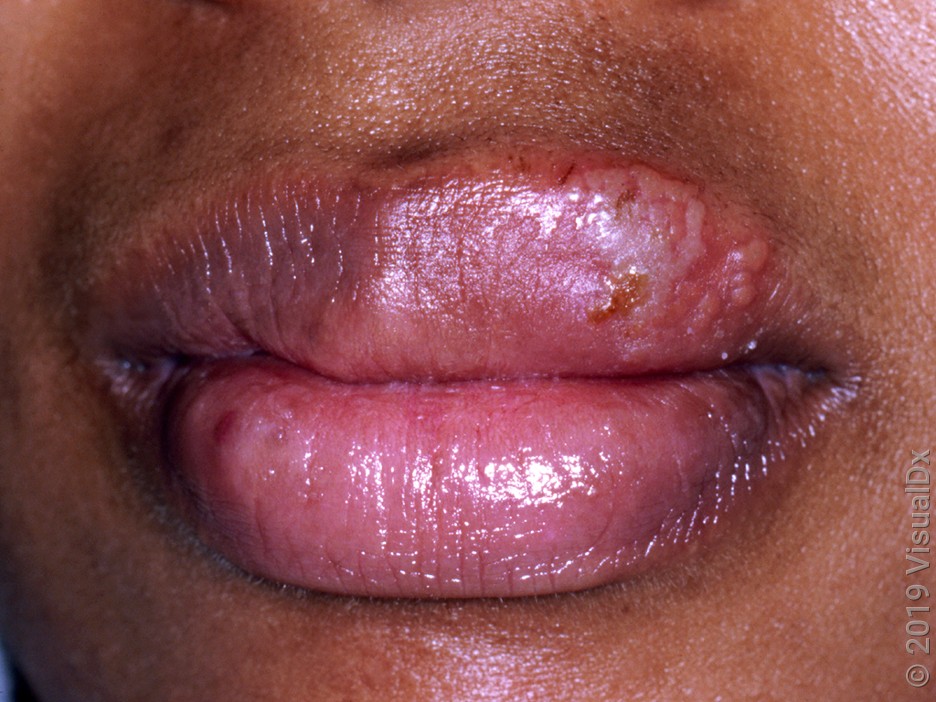
Open blisters
During the next stage, nearby blisters may join together and then burst open. This leaves painful, open sores that can ooze fluid.

Crusting
After a few days, scabs or crusts form over the open sores as they start to dry out. These scabs usually fall off and heal within a week or two after the cold sores first surfaced. Once this cold sore crust forms, you’re less likely to spread the virus to others.

What are the symptoms of a cold sore?
Not everyone develops cold sores or symptoms from HSV entering their body. But when the sores and symptoms do occur, the primary or first infection tends to be the worst.
During this initial infection, you may also have signs and symptoms that mimic the flu, such as:
Fever
Headache
Body aches
Sore throat
You may also notice that your lymph nodes become swollen. Lymph nodes are small, circular organs that help your immune system. They contain immune cells that attack and kill viruses and other foreign invaders. Lymph nodes are found in areas such as:
Neck
Under your chin
Armpits
Groin
If cold sores come back, they usually appear in the same spot or close to where they were before. Later outbreaks are often milder than the first one.
How do you get rid of cold sores?
You have options when it comes to treating cold sores. From prescription medications and over-the-counter (OTC) creams and patches to self-care home remedies, here’s how to get rid of a cold sore.
Oral cold sore medications
Oral herpes medications prescribed by a healthcare professional can shorten how long sores last. They work best when you take them within 72 hours of the start of an outbreak. These medications may also be prescribed to prevent cold sores that come back often. Examples include:
Valacyclovir (Valtrex)
Acyclovir (Zovirax)
Famciclovir (Famvir)
OTC cold sore patches and creams
Your sores will heal by about a day faster if you take antiviral creams, ointments, patches, or gels. These products usually have acyclovir or penciclovir, but you can buy them OTC. Another OTC option is Abreva (docosanol).
These OTC medications work best when you start them within 24 hours of your first cold sore symptom.
Home remedies and self-care for cold sores
There are also some home remedies that can help relieve cold sore symptoms and may reduce swelling. You can try:
A cold compress on the cold sore for pain and swelling
OTC pain medication, like ibuprofen or acetaminophen
Benzocaine or lidocaine gels (like Orajel or Anbesol) to help numb pain
Lysine supplements (talk to a healthcare professional before starting new supplements)
Lemon balm (Melissa officinalis)
Zinc oxide cream
Propolis cream, a substance made by bees
Are cold sores contagious?
Yes. HSV spreads through direct physical contact with someone who has the virus. This can happen through kissing, oral sex, or sharing items like drinkware or bath towels.
The virus is most often transmitted when sores are visible. But you can also spread it when no cold sores or symptoms are present.
What causes cold sores?
It isn’t always clear what causes cold sore outbreaks. But they tend to occur during times when you have a weakened immune system. Most of the time, your immune system keeps the virus in check.
Cold sores may occur when your immune system is busy fighting off another illness, such as the common cold or the flu. Health conditions that cause more long-term changes to your immune system, like human immunodeficiency virus (HIV), can also trigger cold sores. The same is true for treatments that suppress your immune system, such as medications for people who have had organ transplants.
Cold sore triggers
Other triggers for cold sores may include:
Physical or emotional stress
Fatigue
Food allergies
Extreme hot or cold temperatures
Ultraviolet (UV) rays, like from sunlight exposure
Hormone changes, such as those that occur during the menstrual cycle or pregnancy
Trauma to your mouth, such as from dental work, sunburned lips, or cracked lips
How to keep from spreading the virus
Here are some actions you can take to prevent spreading HSV:
Don’t touch cold sores.
Don’t share items that may touch a cold sore, such as drinkware, lip balm, makeup, or towels.
Wash your hands well and often, especially if you touch a sore and before and after treating one.
Avoid oral or genital contact any time you or your partner has a herpes outbreak in either location.
Apply sunscreen to your face and lips before spending time in the sun.
Avoid contact sports if you or someone you play with has a cold sore.
And try to find ways to cope with stress, especially if stress is one of your triggers. This may involve stress management techniques such as daily meditation. Or it may involve taking a mindful walk that lets you calm your mind as you focus on each breath and step you take.
When to see a healthcare professional for cold sores
Although cold sores and their symptoms often get better on their own, it’s best to see a healthcare professional if you have:
Sores that don’t get better within a few weeks
Severe cold sore pain, even after treatment with OTC medicine
A high fever or one that won’t go away
Multiple swollen lymph nodes that are painful or swollen for more than a few days
Bleeding or oozing from your sores that doesn’t stop
It’s also a medical emergency if the sores spread to your eyes. This is because they can lead to scarring that permanently affects your vision. See a healthcare professional right away in the following cases:
Your eyes feel painful, sensitive to light, or blurry.
Your eyes tear or have mucus discharge.
Your eyes swell or turn red.
You have swollen eyelids.
You have painful blisters on your upper eyelid and one side of your forehead.
Frequently asked questions
The fastest way to get rid of a cold sore is to start using medication (like acyclovir pills or Abreva cream) as soon as you notice the first symptoms. Doing this can make cold sores go away about a day faster than they would on their own.
Once infected, the HSV virus tends to live inside your body for your whole life. It can lie dormant for years and never cause symptoms. Or it can cause periodic cold sore outbreaks.
How often these outbreaks occur can vary from person to person. Some people may not have an outbreak for years. Others may get cold sores at least once a month. Outbreaks tend to occur less often after age 35.
Yes, most cold sores heal on their own within a week or two, even without treatment. Cold sore treatments can speed up healing and relieve pain.
Avoid treating your cold sores with harsh substances that could irritate it further, like rubbing alcohol, harsh soaps, or exfoliating scrubs. It’s also important not to touch your cold sore (other than applying medication) or to pick at it. You may also want to avoid salty or acidic foods, which may sting if they come into contact with the cold sore.
The fastest way to get rid of a cold sore is to start using medication (like acyclovir pills or Abreva cream) as soon as you notice the first symptoms. Doing this can make cold sores go away about a day faster than they would on their own.
Once infected, the HSV virus tends to live inside your body for your whole life. It can lie dormant for years and never cause symptoms. Or it can cause periodic cold sore outbreaks.
How often these outbreaks occur can vary from person to person. Some people may not have an outbreak for years. Others may get cold sores at least once a month. Outbreaks tend to occur less often after age 35.
Yes, most cold sores heal on their own within a week or two, even without treatment. Cold sore treatments can speed up healing and relieve pain.
Avoid treating your cold sores with harsh substances that could irritate it further, like rubbing alcohol, harsh soaps, or exfoliating scrubs. It’s also important not to touch your cold sore (other than applying medication) or to pick at it. You may also want to avoid salty or acidic foods, which may sting if they come into contact with the cold sore.
The bottom line
Cold sores are another name for oral herpes caused by HSV. They often appear on your lips. But they can also break out in your mouth, on your nose, or in or around your eyes. Cold sores are highly contagious and you can easily spread them, even if you don’t have symptoms. There’s no cure for HSV infection. But you can manage cold sores and their symptoms with antiviral medications and by avoiding your triggers.

Why trust our experts?


Images used with permission from VisualDx (www.visualdx.com).
References
Ahadian, H., et al. (2015). Therapeutic effect of Melissa gel and 5% acyclovir cream in recurrent herpes labialis: A double-blind randomized clinical trial. Jundishapur Journal of Pharmaceutical Products.
Ahmad, B., et al. (2024). Herpes simplex keratitis.
American Academy of Dermatology Association. (n.d.). Cold sores: Who gets and causes.
Crimi, S., et al. (2019). Herpes virus, oral clinical signs and QoL: Systematic review of recent data. Viruses.
InformedHealth.org. (2025). Cold sores: Learn More – how effective are creams and tablets for the treatment of cold sores? Institute for Quality and Efficiency in Health Care.
InformedHealth.org. (2025). Overview: Cold sores. Institute for Quality and Efficiency in Health Care.
Know Your Teeth. (2012). What are cold sores?
Kriesel, J. D., et al. (2014). Cold sore susceptibility gene-1 genotypes affect the expression of herpes labialis in unrelated human subjects. Human Genome Variation.
National Health Service. (2024). Cold sores.
Rocha, M. P., et al. (2022). Effect of honey and propolis, compared to acyclovir, against Herpes Simplex Virus (HSV)-induced lesions: A systematic review and meta-analysis. Journal of Ethnopharmacology.
World Health Organization. (2025). Herpes simplex virus.
Zhu, S., et al. (2021). Pathogenesis and virulence of herpes simplex virus. Virulence.