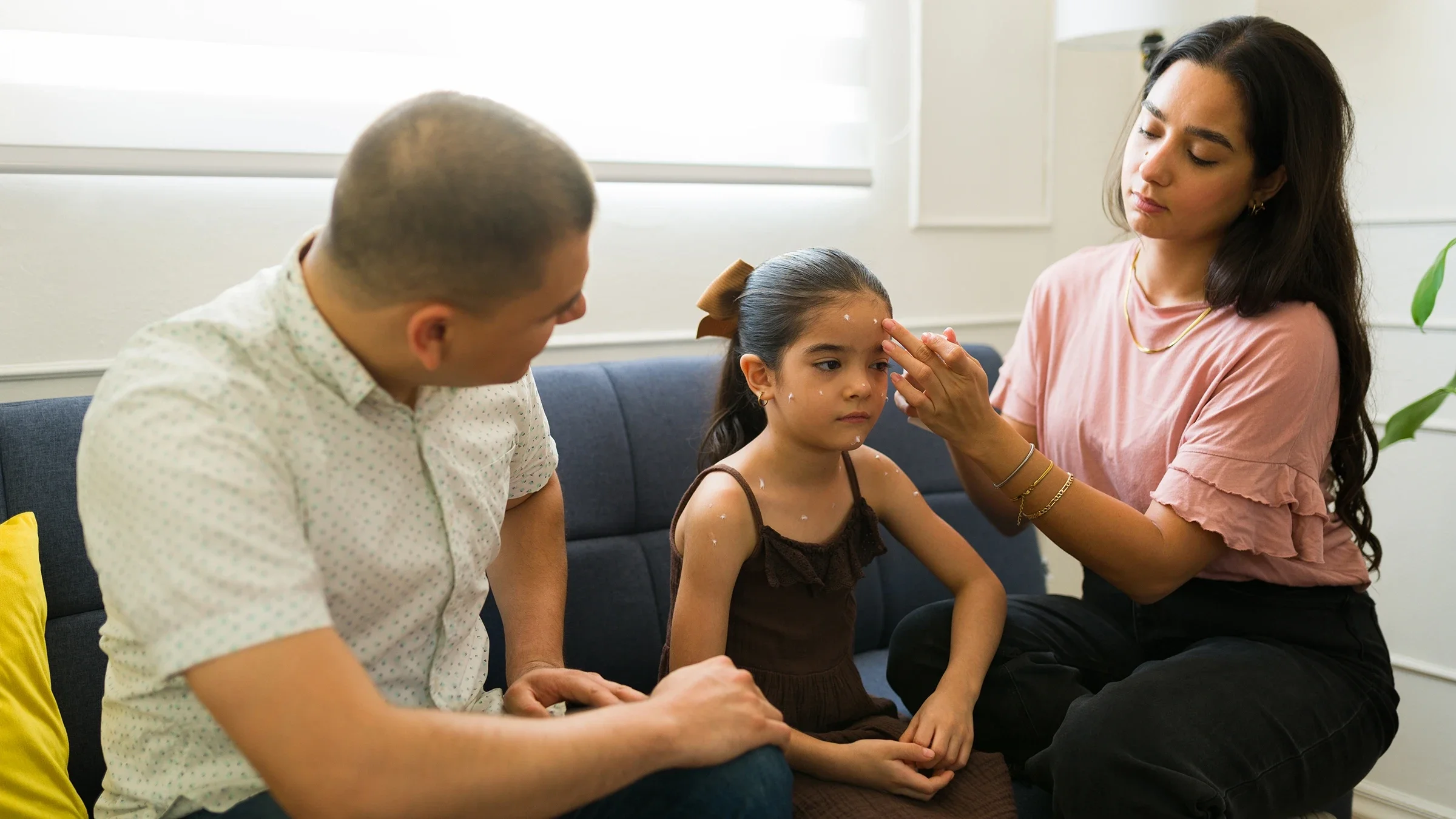
Key takeaways:
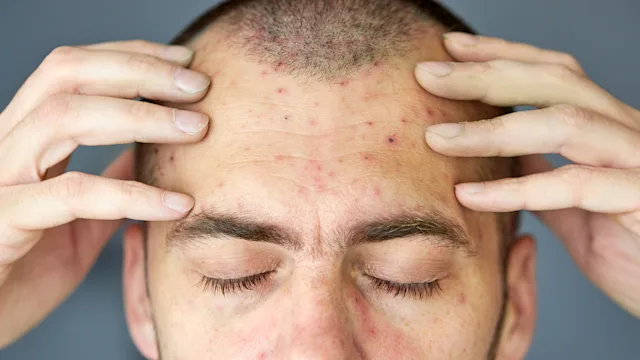
Chickenpox causes an itchy rash that turns into fluid-filled blisters and then scabs. It often starts on your face, scalp, or torso and can appear anywhere on your body. Sometimes, there can be hundreds of spots at once.
Chickenpox usually has three stages. It begins as small spots or bumps, then turns into blisters, and ends with scabs and crusts.
Vaccination is the best way to prevent chickenpox. Most people get vaccinated against chickenpox during childhood. But you can get vaccinated as an adult if you’ve never been vaccinated.
Chickenpox (varicella) is a very contagious infection caused by the varicella-zoster virus (VZV). Like many other viral infections, chickenpox causes a fever and a rash. But unlike other rashes, chickenpox can cause itchy blisters that appear all over your body.
If you’re not sure what chickenpox look like, you’ve come to the right place. Here, we’ll review the three different stages of chickenpox (with pictures) and show what it can look like on different skin tones.
What does chickenpox look like at the beginning?
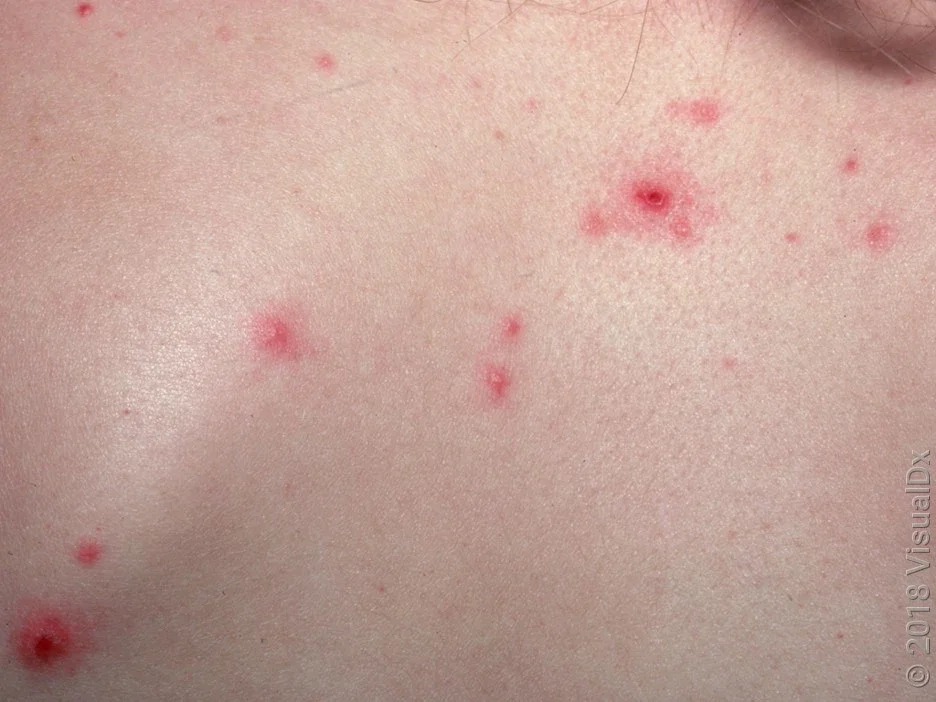
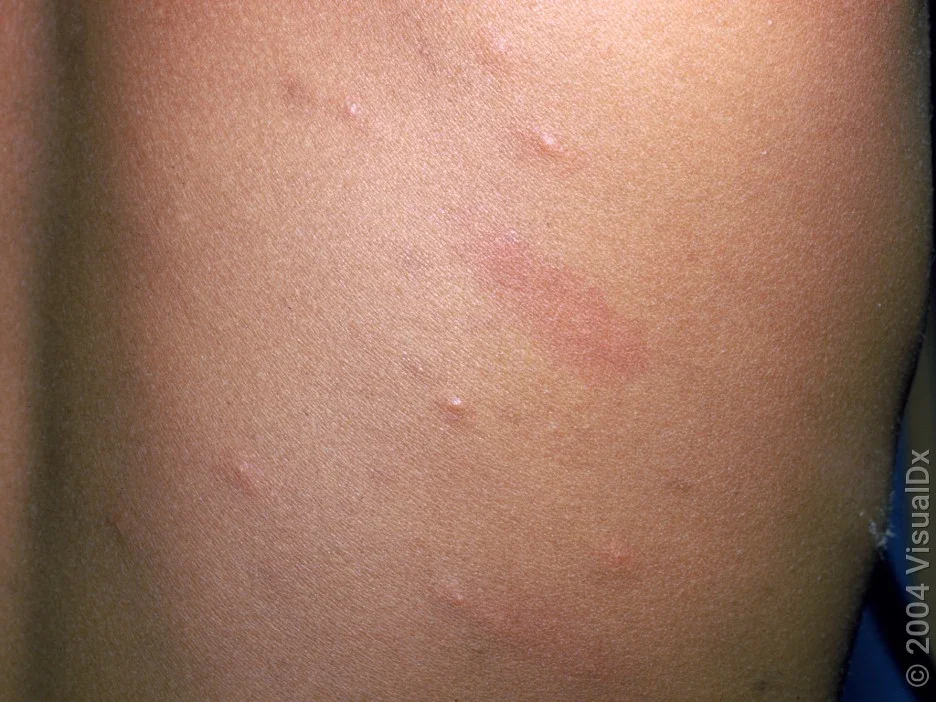
The chickenpox rash usually starts as small, flat spots. They often appear on the following areas:
Face
Scalp
Chest
Back
Upper arms
Legs
On lighter skin tones, the spots are usually pink or red. On darker skin tones, they can look more purple, brown, or closer to your natural skin color.
Within 24 hours, the spots will go through the following stages:
Stage 1: Small bumps
Stage 2: Blisters filled with fluid
Stage 3: Crusts and scabs
Over the next 4 to 5 days, new spots keep appearing anywhere on the skin. They may even show up inside the mouth or ears. It’s common to have chickenpox spots in different stages at the same time. And it’s possible to have hundreds of spots at one time.
On average, it takes about 1 week for all the spots to turn into scabs.
What chickenpox looks like by stage
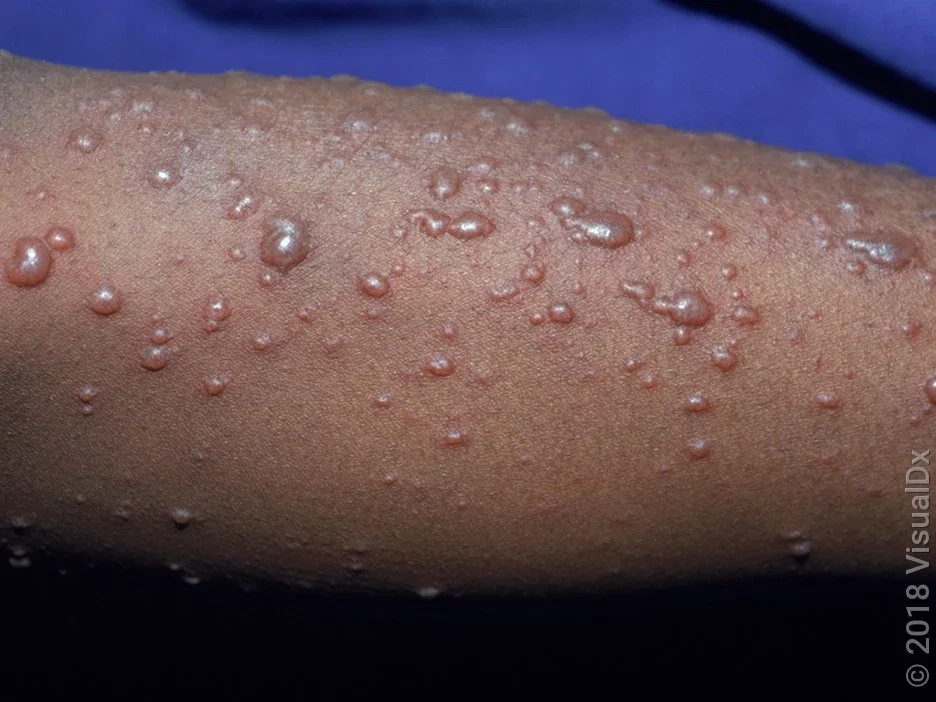
Here are some pictures showing what chickenpox looks like at each stage on different skin tones. Remember, it’s common to have all three stages at the same time.
Stage 1: Spots and bumps
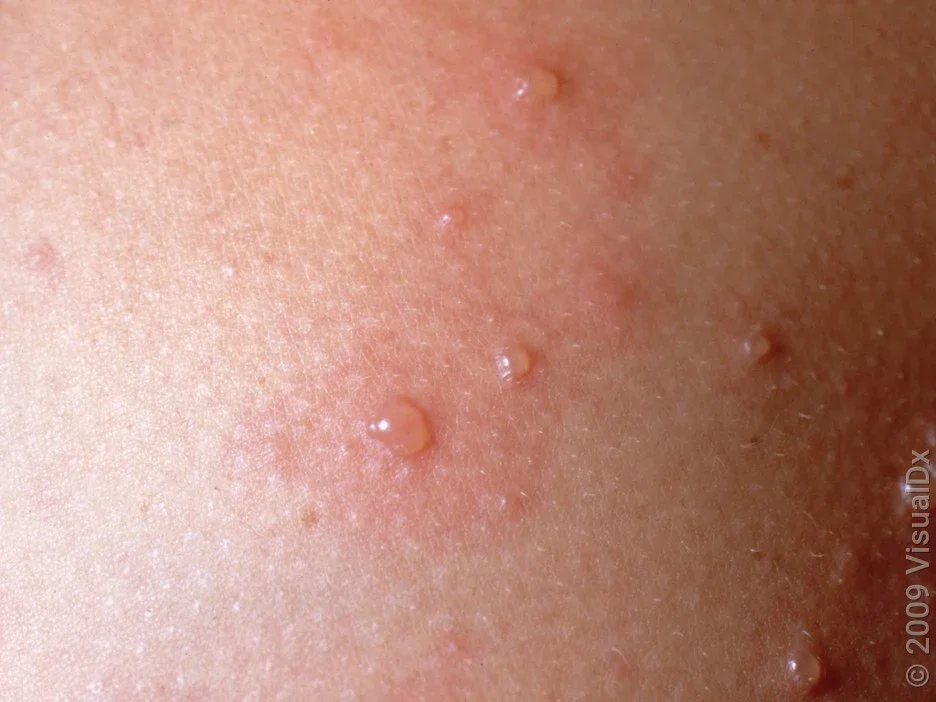
Stage 2: Blisters
The next stage of chickenpox includes small blisters. These are usually filled with clear fluid (called vesicles). Sometimes, they can be filled with yellow or cloudy fluid (called pustules). The skin around the blisters may look red or violet.
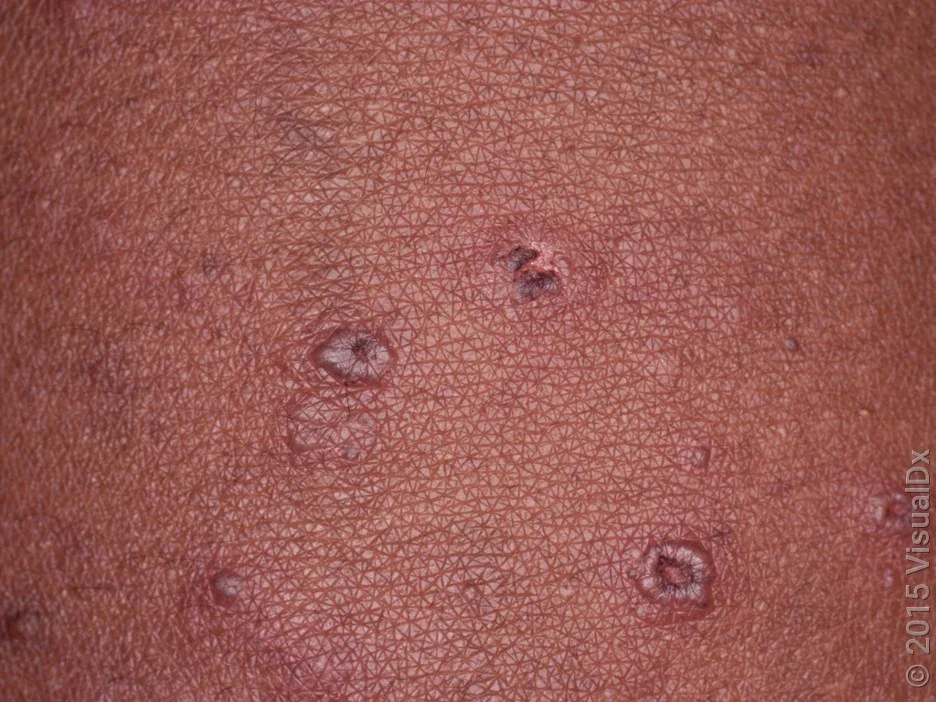
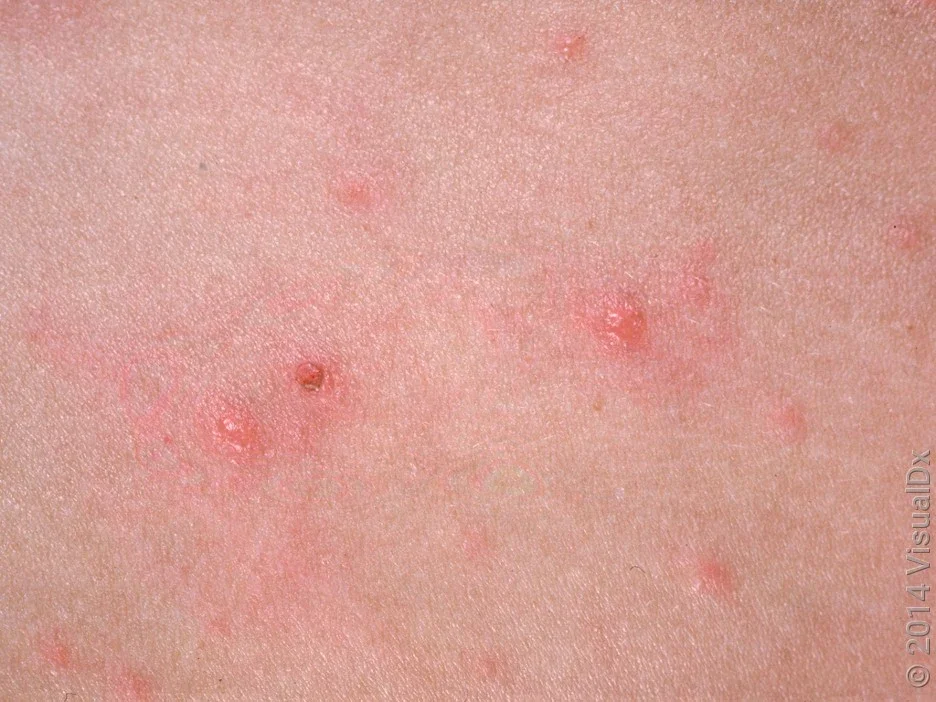
Stage 3: Crusts and scabs
In the final stage, chickenpox blisters will rupture and form crusts and scabs as they heal.
Other chickenpox symptoms
People with chickenpox may experience other symptoms along with the itchy rash. These can include:
Fever
Headache
Achy muscles
Nausea
Loss of appetite
Teenagers and adults usually have these symptoms 1 to 2 days before the rash appears. In children, the rash can be the first sign of a chickenpox infection.
How do you know it’s chickenpox?
Chickenpox is usually easy to diagnose based on the rash and symptoms. A healthcare professional will look at your skin and ask you questions.
To confirm the diagnosis, chickenpox testing may include:
Blood test: This checks for antibodies to the virus in your blood.
Blister test: This test looks for virus particles in the blister fluid.
How does the chickenpox virus spread?
The varicella-zoster virus, which causes chickenpox, can spread from person to person in many ways:
Direct contact: You can get chickenpox by touching a blister or the fluid inside a blister from someone who has it.
Saliva: The virus can also spread through saliva. You can get it by sharing drinks or utensils with someone who has chicken pox, or through close contact like kissing.
Respiratory droplets: The virus can also spread through the air when someone with chickenpox talks, coughs, or sneezes. The virus can then enter your body through your nose, mouth, or eyes.
Pregnancy: The virus can pass from a pregnant person to the developing fetus during pregnancy.
Chickenpox treatment
For most people, treating chickenpox involves a combination of home remedies, rest, and symptom relief. These may include:
Drinking plenty of fluids
Taking over-the-counter (OTC) fever and pain relievers, like acetaminophen or ibuprofen
Using calamine lotion and taking oatmeal baths to help with itching
People at high risk for complications from chickenpox should take antiviral medications, like acyclovir. You may be at higher risk for serious chickenpox illness if you:
Are older than 12 years
Have chronic lung or skin conditions
Are pregnant
Have a weakened immune system
How to prevent chickenpox
The best way to prevent chickenpox is to get the chickenpox vaccine. In the U.S., most people get 2 doses during childhood. But you can get the chickenpox vaccine at any age. Adults can receive both doses if they’ve never been vaccinated.
Frequently asked questions
The chickenpox rash is unique. But it can sometimes be mistaken for other rashes, including:
Most chickenpox spots usually go away within 1 to 2 weeks. On darker skin, the spots may leave dark marks that take longer to fade. This is called post-inflammatory hyperpigmentation.
Sometimes, chickenpox spots can leave small, permanent scars if they become infected.
A person with chickenpox is contagious about 1 to 2 days before the rash begins and until all the spots have crusted over. This usually takes about 7 days after the rash starts.
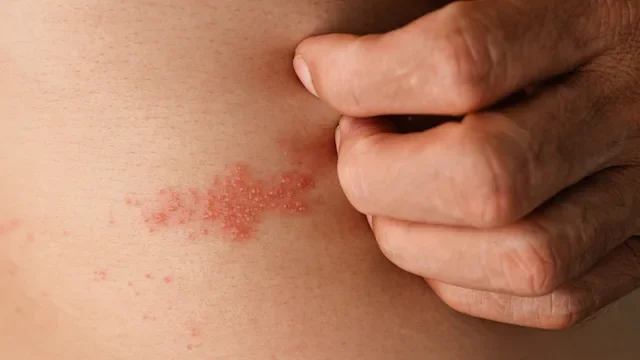
A shingles rash looks like a chickenpox rash. It goes through the same stages as it develops and heals. But a shingles rash develops on one part of your body, like one side of the chest or one arm. Chickenpox, on the other hand, spreads all over the body.
The rash first appears along the hairline and spreads down to the other parts of your body.
Yes, chickenpox can be dangerous for adults. Adults are more likely to get seriously sick from chickenpox and develop complications, like pneumonia, skin infections, and scarring. Adults also take longer to recover.
The chickenpox rash is unique. But it can sometimes be mistaken for other rashes, including:
Most chickenpox spots usually go away within 1 to 2 weeks. On darker skin, the spots may leave dark marks that take longer to fade. This is called post-inflammatory hyperpigmentation.
Sometimes, chickenpox spots can leave small, permanent scars if they become infected.
A person with chickenpox is contagious about 1 to 2 days before the rash begins and until all the spots have crusted over. This usually takes about 7 days after the rash starts.
A shingles rash looks like a chickenpox rash. It goes through the same stages as it develops and heals. But a shingles rash develops on one part of your body, like one side of the chest or one arm. Chickenpox, on the other hand, spreads all over the body.
The rash first appears along the hairline and spreads down to the other parts of your body.
Yes, chickenpox can be dangerous for adults. Adults are more likely to get seriously sick from chickenpox and develop complications, like pneumonia, skin infections, and scarring. Adults also take longer to recover.
The bottom line
Chickenpox is a very contagious viral infection. It causes an itchy, blistering rash, along with symptoms like fever and body aches. The rash goes through 3 stages and usually heals within 1 to 2 weeks. Most children recover at home with rest and home remedies. But some people can develop serious illnesses and complications. Teenagers and adults — especially those who are pregnant, have certain medical conditions, or have a weakened immune system — are at higher risk. The chickenpox vaccine is the best way to prevent chickenpox. Adults and children can get vaccinated against chickenpox.

Why trust our experts?



Images used with permission from VisualDx (www.visualdx.com)
References
Canadian Pediatric Society (2005). Facts about chickenpox. Pediatric Child Health.
Centers for Disease Control and Prevention. (2024). About chickenpox.
Centers for Disease Control and Prevention. (2024). Chickenpox symptoms and complications.
Centers for Disease Control and Prevention. (2024). How to treat chickenpox.
MedlinePlus. (2024). Chickenpox and shingles tests.
National Health Service. (2025). Chickenpox.
Ngan, V. (2022). Chickenpox. DermNet.
Saleh, H.M., et al. (2025). Varicella-Zoster Virus (Chickenpox). StatPearls.
Seattle Children’s Hospital. (2025). Chickenpox.