Breast cancer can theoretically happen at any age, but most diagnoses occur in women over 50, according to the Centers for Disease Control and Prevention. For this reason, young women may be shocked to find symptoms of breast cancer in their 20s and 30s. That’s how Roshni Kamta felt when she discovered her breast cancer at age 22.
“When I went to go take a shower, in my bra, there was blood, and that's one of the signs of cancer,” says Kamta, breast cancer survivor and advocate. “It still feels like an out-of-body experience. Talking about it, it doesn’t feel like my own experience.”
Don’t ignore the symptoms
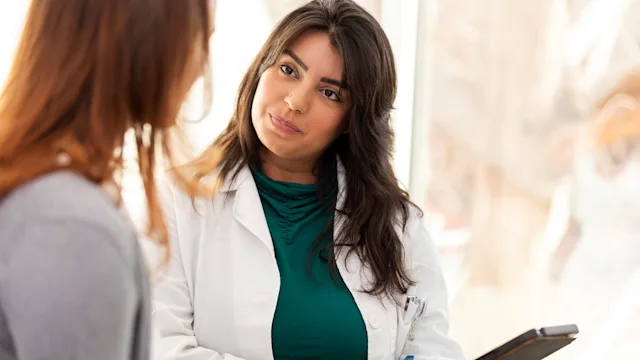
“Roshni diagnosed herself in many ways,” says Hanna Irie, MD, Oncologist at Mount Sinai Hospital who treated Kamta. “She didn't ignore [the symptoms], which is fantastic, and she brought it to the attention of her doctor.”
Often, a breast cancer diagnosis occurs after a routine mammogram, which doesn't start until women are in their 40s or 50s. When breast cancer symptoms appear in young women, it’s really up to them to bring it to the attention of their doctor. Unfortunately, it’s tempting for some to deny the signs and avoid seeing a doctor. Cancer is scary, and breast cancer in particular is a common fear for women. As a result, some women may find it too hard to acknowledge the warning signs.
Although Kamta went to the doctor, she wasn’t immune to the fear. “I’ve never had something so traumatic happen to me,” she says. “I was scared to death that it happened.”
Knowing your normal
Part of the reason Kamta was able to discover her breast cancer early was because she noticed something was abnormal.
“Every woman, every man, every person, needs to know what is normal for them in their body,” says Elisa R. Port, MD, Surgical Oncologist at Mount Sinai Hospital who treated Kamta. “It may not be the same for everyone.”
Dr. Port points out that recognizing changes in your breasts is similar to monitoring changes in your skin. Just as your dermatologist would want you to notify them if you had a new dark mole on your skin (a potential sign of skin cancer), you should notify your doctor of changes in your breast.
“Breast cancer [is] very rare in young age groups,” says Dr. Port. “Because young women aren't being screened with mammograms … it is really important for young women to call attention to anything that is new or concerning to them.”
Recognizing the symptoms of breast cancer
Notably, not all women with breast cancer experience symptoms. That said, symptoms of breast cancer include discharge from the nipple, pain, lumps, dimpling of the breast skin, thickening or swelling in the breast, enlarged lymph nodes, or changes in the size or shape of the breast. Many of these will be easier to recognize if you “know your normal.”
“It's important to know your normal because only you will know what feels normal to you and what feels right,” says Kamta. “You know your body the best. Check yourself. Touch your boobs every month. Two days after your period is over, that's when your hormone levels balance out again, so check yourself. Feel your armpit, feel both of your breasts, and if you feel something that's irregular, bring it up to your doctor, no matter what your age is.”
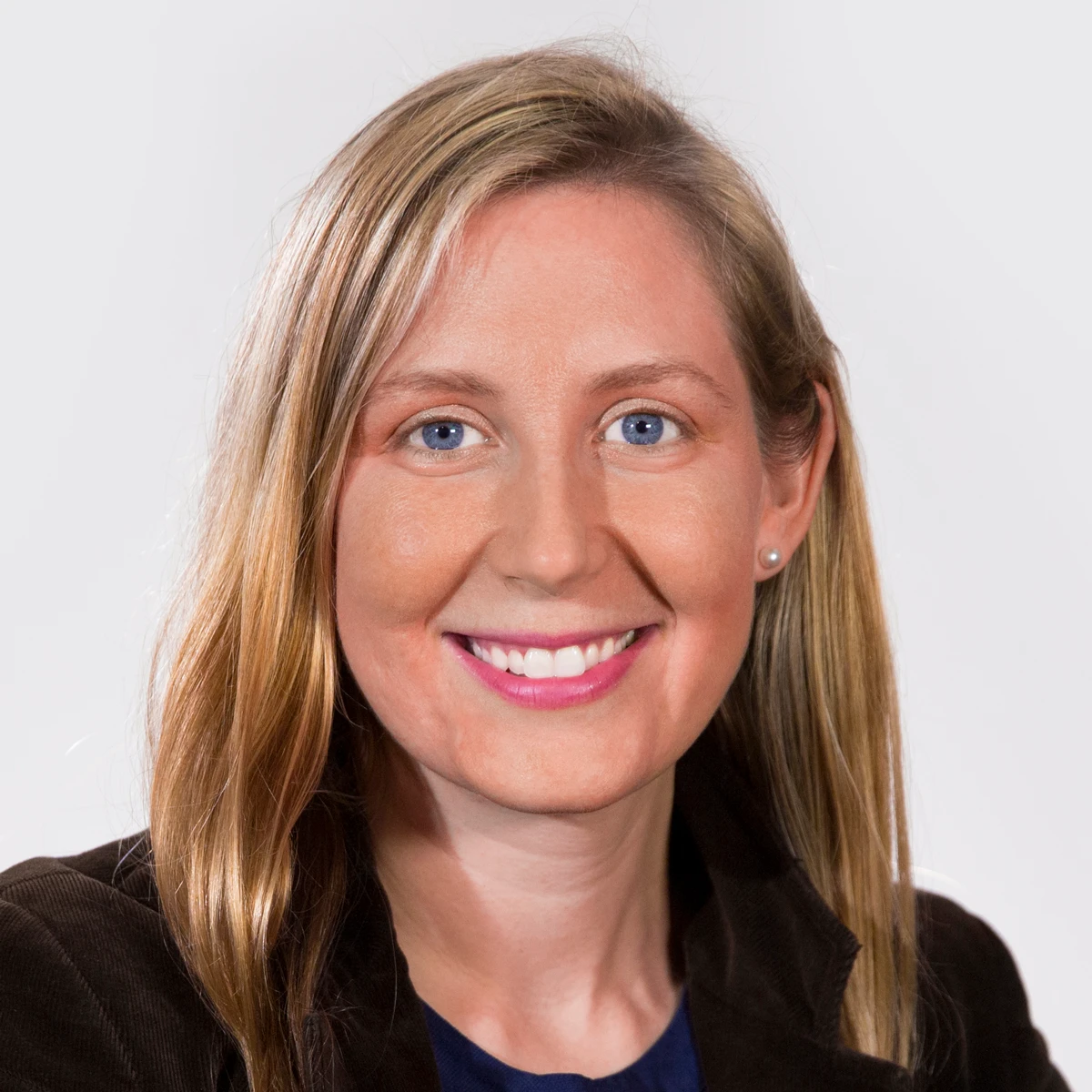
Elisa Port, MD, is a Surgical Oncologist at the Dubin Breast Center at Mount Sinai Hospital.
Hanna Irie, MD, is a Medical Oncologist at the Dubin Breast Center at Mount Sinai Hospital.
References
Centers for Disease Control and Prevention. (n.d.). Breast cancer.
Centers for Disease Control and Prevention. (n.d.). Bring Your Brave Campaign.

Why trust our experts?