Key takeaways:
There are two types of intrauterine device (IUD) available: hormonal and nonhormonal. Some hormonal IUDs may cause weight gain, but nonhormonal IUDs shouldn’t have an effect on weight.
Hormonal IUDs contain hormones called progestins that help prevent pregnancy. Progestins can sometimes cause weight gain due to water retention and bloating, rather than a gain in body fat.
Two brands of hormonal IUDs — Mirena and Liletta — mention weight gain as a potential side effect.
Save on related medications
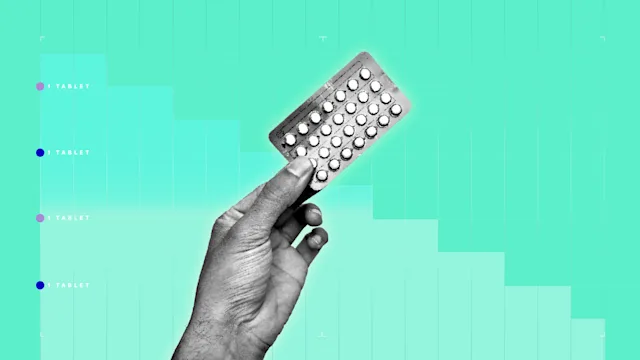
For some people starting birth control, one of the first questions is: Will I gain weight? Weight gain can be a side effect of traditional forms of birth control like the pill. But what about with newer contraceptives like intrauterine devices (IUDs)?
It’s possible to notice some weight gain after getting an IUD. However, it depends on the type you’re using. Let’s take a closer look at how IUDs work, how they may cause weight gain, and what you can do about it.
What is an IUD?
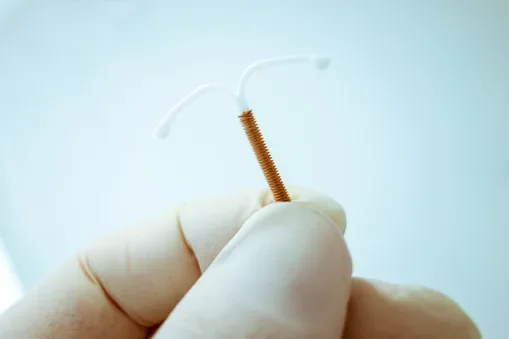
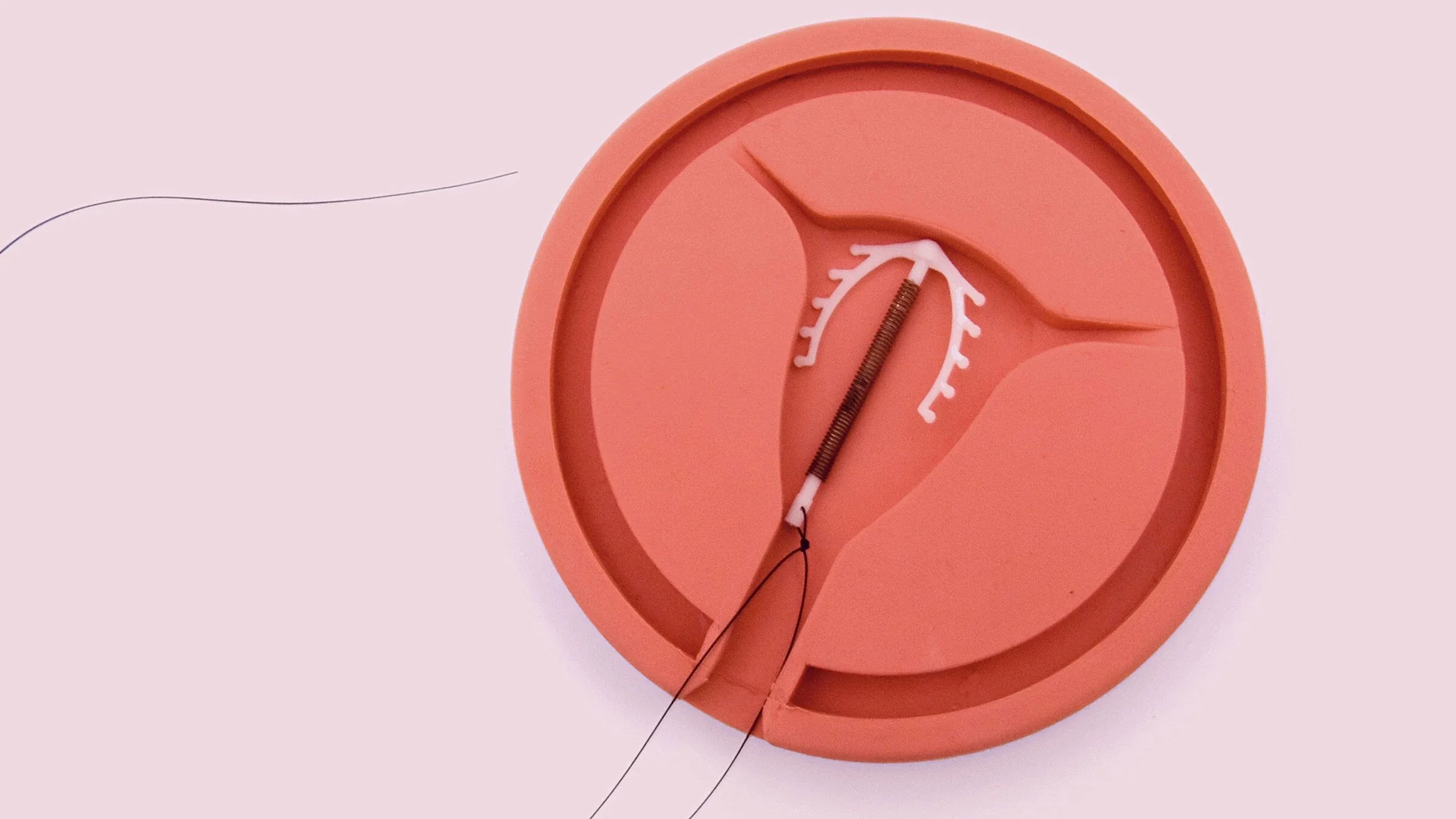
An IUD is a small, T-shaped device that a healthcare professional inserts into your vagina, through your cervix, and into your uterus. It prevents sperm from fertilizing an egg and causing pregnancy.
Search and compare options
IUDs are some of the most effective birth control options out there. Less than 1% of women with an IUD will become pregnant while it’s inserted. Aside from this efficacy rate, many women love IUDs because they’re convenient. Once you get past the discomfort of having the IUD inserted, it can remain in place for 3 to 10 years, depending on the specific brand.
There are two types of IUD: hormonal and nonhormonal. They work in slightly different ways to protect against pregnancy. The nonhormonal IUD is a copper IUD. It works to prevent pregnancy because copper is toxic to sperm.
What is a hormonal IUD?
Most IUDs are hormonal, meaning they release reproductive hormones called progestins to help prevent pregnancy. Progestins protect against pregnancy by preventing ovulation or the release of an egg. They also help to increase cervical mucus, decreasing the likelihood of sperm reaching an egg.
Hormonal IUDs include brands like:
Common side effects of hormonal IUDs can include spotting and irregular periods — and often no periods at all after a year.
How can hormonal IUDs cause weight gain?
It’s believed that progestin in hormonal IUDs may cause weight gain by making your body hold onto more water and by increasing bloating. This is much like what you’d experience during a menstrual cycle.
If a hormonal IUD does cause you to gain weight, in most cases it’s not due to an increase in body fat but water weight. Water retention may cause the number on the scale to go up about 5 lbs on average over the course of a year.
Do all hormonal IUDs cause weight gain?
It’s hard to predict weight gain in people using hormonal IUDs. Some hormonal IUDs mention weight gain as a potential side effect. These include:
Liletta
Mirena
But this side effect seems to be somewhat uncommon. In a clinical study, less than 6% of users said their weight increased while using Liletta.
That being said, people using other brands of hormonal IUDs have also reported weight gain, like:
Skyla
Kyleena
Everyone is different though. You may not have any issues with certain brands even if others do.
It’s also important to remember that if you gain weight and have an IUD, it doesn’t mean the IUD caused it. One study suggests that the reproductive years, when IUD use is at its highest, coincide with a period of natural weight gain in women due to other lifestyle changes.
Can the copper IUD cause weight gain?
Weight gain isn’t listed as a side effect for the following copper IUDs:
But some women do, in fact, gain weight while they have a copper IUD in place.
One study compared weight gain with hormonal IUDs to those with copper IUDs. Both groups were just as likely to gain similar amounts of weight (about 10 lbs in 10 years). This seems to support the idea that in most cases, people who have IUDs may be gaining weight naturally due to other reasons.
What other birth control options cause weight gain?
Any hormonal birth control has the potential to cause weight gain. This includes birth control options like:
Combination birth control pill (estrogen and progestin)
Progestin-only mini pill
Every person’s experience with birth control is different. Your body may not respond to hormones with weight gain, but someone else’s body may.
What are birth control options that don’t cause weight gain?
There’s no one-size-fits-all hormonal birth control that’s guaranteed to prevent weight gain. Depending on how your body responds to hormonal birth control options, you may need to try multiple brands before finding the one that works best for you.
Nonhormonal birth control isn’t likely to affect your weight. Some nonhormonal birth control options include:
Cervical caps
Vaginal gel (Phexxi)
Natural family planning
These methods aren’t as effective at preventing pregnancy as the copper IUD. It’s best to talk with your primary care provider to figure out the most appropriate birth control option for your body. Together, they’ll help you consider any health conditions you have or other medications you’re taking.
Can you get rid of weight gain from an IUD?
If you have an IUD and have noticed unwanted weight gain, you have a few options for dealing with it:
Keep the IUD and make lifestyle adjustments to manage your weight, like changing your diet and adopting a more active lifestyle.
Switch from a hormonal IUD to a copper IUD, or vice versa. If you gain weight with one type of IUD, there’s a chance you may not gain weight with another.
Switch to a different birth control method altogether. Instead of trying another IUD, you could try another form of contraception. Keep in mind that weight gain is still a possible (though usually temporary) side effect of many hormonal birth control methods, including the pill.
The bottom line
Intrauterine devices (IUDs) are a great option for anyone looking for a highly effective, convenient, and reversible contraceptive method. Some people do notice weight gain with an IUD — both hormonal and copper. But everyone’s body is different, and it’s not possible to predict how your body will respond to an IUD. It’s also hard to say if weight gain with an IUD is caused by the IUD or if it would have happened anyway.
For most people, the benefits of having an IUD outweigh concerns about weight. Talk to a healthcare professional about your birth control options and if an IUD is right for you.

Why trust our experts?



References
Hassan, D. F., et al. (2003). Weight variation in a cohort of women using copper IUD for contraception. Contraception.
Modesto, W., et al. (2015). Weight variation in users of depot-medroxyprogesterone acetate, the levonorgestrel-releasing intrauterine system and a copper intrauterine device for up to ten years of use. The European Journal of Contraception & Reproductive Health Care.
Vickery, Z., et al. (2013). Weight change at 12 months in users of three progestin-only contraceptive methods. Contraception.