







How to Get Free or Low-Cost Adult Vaccinations Without Insurance
Learn how to find free or low-cost vaccinations without insurance. Plus, compare vaccine prices and discover ways to save on vaccination costs.
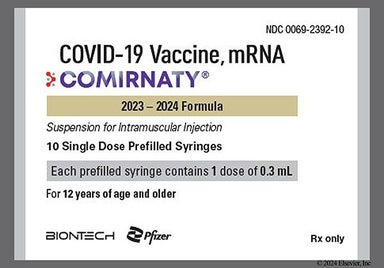
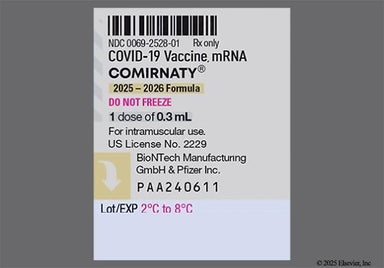
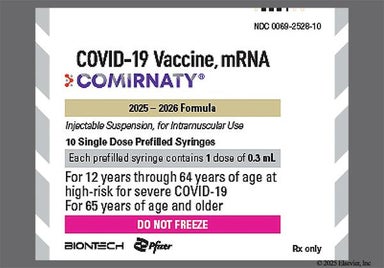
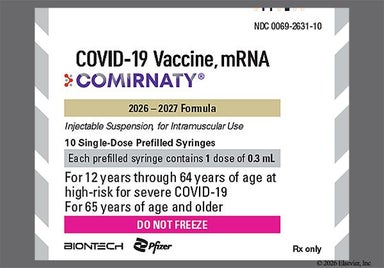
Comirnaty (Pfizer COVID-19 vaccine) is an mRNA vaccine that's used to prevent infection from the virus that causes COVID-19. It's FDA approved for people 65 years and older, and for children and adults ages 5 to 64 years old who have at least one risk factor for severe COVID. The vaccine is given as a single booster shot into the muscle by a healthcare professional. Common side effects include pain at the injection site, tiredness, headache, and chills.

Comirnaty is an mRNA vaccine. It contains lab-made mRNA (genetic information). This piece of mRNA teaches your body to make a part of the "spike protein" found on the COVID-19 virus.
Your immune system sees this spike protein as something that doesn't belong in your body. This causes your immune system to make antibodies against the protein. These antibodies tell other immune cells to get rid of the protein from the body.
Afterwards, your immune system remembers what the COVID spike protein looks like. So if you get exposed to COVID, your immune system is ready to fight and protect you from getting very sick.
| Common Brands | Comirnaty |
|---|---|
| Drug Class | mRNA vaccine |
| Controlled Substance Classification | Not a controlled medication |
| Generic Status | No lower-cost generic available |
| Availability | Prescription only |

The following side effects may get better over time as your body gets used to the medication. Let your healthcare provider know immediately if you continue to experience these symptoms or if they worsen over time.
People 12 years and older:
People ages 5 to 11 years old:
Contact your healthcare provider immediately if you experience any of the following.
Side effects that you should report to your care team as soon as possible:
Side effects that usually do not require medical attention (report these to your care team if they continue or are bothersome):




Comirnaty can cause some serious health issues. This risk may be even higher for certain groups. If this worries you, talk to your doctor or pharmacist about other options.
Although very rare, Comirnaty has been linked to heart inflammation, such as myocarditis (swelling of the heart muscle) and pericarditis (swelling of the tissue lining the outside of the heart).
From reported data, this risk has been higher in males between 12 and 24 years old. Symptoms have typically shown up in the first week after vaccination. Most people recover within a few days after they get medical help and supportive care.
Call a healthcare professional right away if you have possible signs of heart inflammation after your Comirnaty shot. Look out for chest pain, shortness of breath, or a racing heart.
Some people have fainted shortly after getting vaccines that are injected into the muscle. Tell the healthcare professional if you've ever fainted after a vaccination. They can keep a close eye on you for about 15 minutes after you get Comirnaty to make sure everything is okay. To prevent getting hurt from fainting, it's best to sit down to get your shot and while the care team is watching you.
Comirnaty might not work as well for people with a weakened immune system. This means they could still get very sick from COVID-19, even after getting the vaccine.
Before getting vaccinated, tell your care team about your health problems and any medications you take. Some conditions, like human immunodeficiency virus (HIV) and cancer, can weaken the immune system. And some medications, like high-dose steroids and transplant medications, can also make your immune system weaker.
If you have a weak immune system, keep taking steps to protect yourself from COVID. Talk to a healthcare professional about more ways to prevent getting sick.












Prescription savings
Stop paying too much for your prescriptions. Compare prices, get pharmacy coupons, and save up to 80%. Find expert answers to your health questions so you can make the best decisions for yourself and your family.
Health conditions
Medications & treatment
Access & affordability
Medication discounts


It’s not exactly known how long protection from Comirnaty lasts. In general, each updated shot helps protect you for at least a few months. It's also known that this protection lessens over time. Keep in mind that even if you've been vaccinated, you could still get COVID, but the vaccine usually makes the illness less severe.
Yes. Comirnaty is the brand name for the Pfizer COVID-19 vaccine.
Yes. Comirnaty was first approved by the FDA in August 2021 to prevent COVID-19 in people 16 years and older. It's now approved for people 65 years and older, and for children and adults ages 5 to 64 years old at high risk for severe COVID.
Comirnaty and Spikevax are both mRNA vaccines that help protect people from severe COVID-19. Comirnaty is made by Pfizer, and Spikevax is by Moderna. Both are approved for people 65 years and older. Comirnaty is also approved for people ages 5 to 64 years old with at least one risk factor for severe COVID. But Spikevax is approved for children as young as 6 months of age with at least one risk factor. Talk to a healthcare professional to learn more about the differences or to compare the vaccines.
It's typically okay to switch from Spikevax to Comirnaty since you can usually mix and match between the different COVID-19 vaccine brands. But if your child is younger than 5 years old, they will mostl likely receive Spikevax since Comirnaty is only approved for children ages 5 and older. Always check with your healthcare professional to confirm which vaccine and timing are best for you or your child.
Yes. Comirnaty is FDA approved for seniors (people 65 years and older). The vaccine helps protect older adults from getting seriously ill from COVID-19, which is especially important because this age group is at a higher risk for severe illness and complications. If you’re 65 or older, talk to a healthcare professional about getting Comirnaty to help protect yourself from COVID-19.
Typically, side effects from Comirnaty are mild and can last up to a few days after the injection. Injection site reactions like redness, pain, or swelling usually start within minutes after the injection and can last for about 1 to 2 days. Other side effects like muscle pain, tiredness, headache, and fever can also take a few days to go away. If any of these side effects become bothersome or don't get better, let a healthcare professional know.
